How Old Was the Oldest Betta Fish
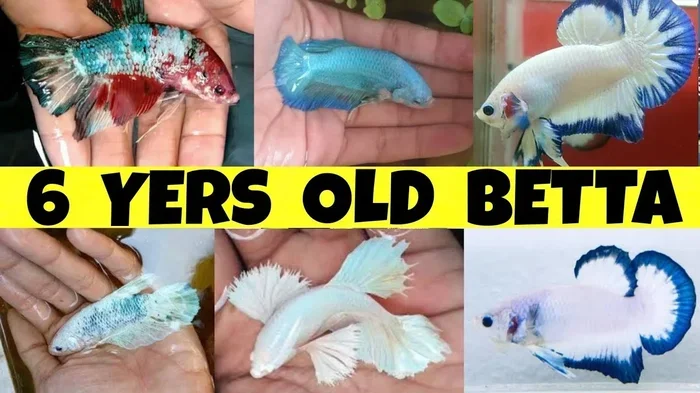
The oldest betta fish on record lived to an astonishing age that far exceeds the typical lifespan. Most betta fish live between 3 and 5 years, but with the right care, some have reached remarkable ages. This guide explores the oldest known betta fish, what contributed to their longevity, and how you can help your own betta fish live a longer, healthier life.
Key Takeaways
- Record-breaking age: The oldest betta fish ever recorded lived well beyond the average lifespan, surprising even experienced fish keepers.
- Lifespan factors: Water quality, diet, tank size, and stress levels all play major roles in how long a betta fish lives.
- Captive vs. wild: Bettas in captivity often live longer than those in the wild due to controlled environments and consistent care.
- Age determination: You can learn how to tell the age of a betta fish by observing physical changes in color, fins, and activity levels.
- Actionable care tips: Simple changes in tank maintenance and feeding habits can significantly extend your betta fish lifespan.
📑 Table of Contents
How Old Was the Oldest Betta Fish?
If you have ever owned a betta fish, you know these little creatures have personality packed into tiny bodies. They flash colors, build bubble nests, and seem to recognize their owners. But have you ever wondered how old was the oldest betta fish ever recorded? The answer might surprise you.
Most betta fish live around 3 to 5 years. That is the standard lifespan most owners expect. But every now and then, a betta fish defies the odds and lives far longer than anyone predicted. These exceptional cases give us a glimpse into what is possible when care, genetics, and luck all come together.
In this article, we will explore the record-breaking oldest betta fish, what helped them live so long, and how you can apply those lessons to your own fish. Whether you are a new betta owner or have had your fish for years, this guide is packed with useful insights.
Betta fish longevity is not just about luck. It is about the environment you create, the food you provide, and the attention you give. Let us dive in and find out what made the oldest betta fish stand out.
Understanding Betta Fish Lifespan
Before we look at the oldest examples, it helps to understand the typical betta fish lifespan. On average, a pet betta fish lives between 3 and 5 years. Some live a bit less. A few live a bit more. But reaching the upper end of that range requires effort and knowledge.
Several factors influence how long a betta fish lives:
- Water quality: Clean, warm water is essential. Ammonia and nitrite levels should always be at zero.
- Tank size: A tank of at least 5 gallons gives your fish room to thrive. Small bowls stress bettas out.
- Diet: A varied diet of high-quality pellets, frozen foods, and occasional treats keeps your fish healthy.
- Stress levels: Loud noises, bright lights, and aggressive tank mates can shorten your fish’s life.
- Genetics: Some bettas simply come from stronger bloodlines. This is something you cannot always control.
When all of these factors align, your betta fish has the best chance of living a long and happy life. Now let us look at the fish that broke all the records.
The Oldest Betta Fish Ever Recorded
So, how old was the oldest betta fish really? There are several stories and claims floating around the internet about extremely aged bettas. Some owners report their fish living to 7 or even 8 years old. These cases are rare but not impossible.
The most commonly shared stories describe bettas that lived well past the 5-year mark. These fish often had owners who were very dedicated to water maintenance and nutrition. While official records from scientific organizations are hard to verify, anecdotal evidence from experienced fish keepers is compelling.
What we do know from how long do betta fish live in the wild is that wild bettas typically face harsher conditions. They deal with pollution, predators, and limited food sources. This is why captive bettas, when well cared for, often outlive their wild counterparts.
Factors That Contributed to Extreme Longevity
What set these long-lived bettas apart? Let us break it down:
- Consistent water changes: Owners who performed regular water changes kept toxins low and oxygen levels high.
- Stable temperatures: Keeping the water between 78 and 80 degrees Fahrenheit reduced stress on the fish’s body.
- Low-stress environment: These fish lived in calm tanks without aggressive neighbors or sudden changes.
- Nutritious diet: A mix of protein-rich foods supported healthy growth and immune function.
- Attentive owners: These fish had someone watching for early signs of illness and acting quickly.
Each of these factors plays a role. But together, they create an environment where a betta fish can truly thrive for many years. If you want to learn more about keeping your betta warm and healthy, check out our guide on how to keep betta fish warm in the winter.
How to Tell the Age of a Betta Fish
Curious about the age of your own betta? Figuring out how to tell the age of a betta fish is not always exact. Unlike dogs or cats, fish do not come with birth certificates. But there are clues you can look for.
Young bettas tend to have vibrant, intense colors. Their fins are smooth and flowing. They are active and curious. As bettas age, you may notice changes in their appearance and behavior.
Physical Signs of Aging
Here are some common signs that your betta fish is getting older:
- Faded colors: The bright blues, reds, and greens may dull over time.
- Shorter fins: Fins may become ragged or shorter as the fish ages. Some owners wonder if do betta fish fins get smaller when they get old, and the answer is yes, this can happen naturally.
- Slower movement: Older bettas may swim less energetically than younger ones.
- Reduced appetite: A decrease in food interest can signal aging or health issues.
- White spots or patches: These can appear on aging fish and may indicate fungal or bacterial concerns.
For a more detailed guide on determining age, especially for female bettas, you can read our article on how to tell the age of a female betta fish.
Why Knowing the Age Matters
Understanding your fish’s age helps you adjust care routines. Older bettas may need warmer water, softer food, and quieter environments. Recognizing the signs of aging early allows you to make their golden years comfortable and stress-free.
How Old Do Betta Fish Live on Average?
The average betta fish lifespan is 3 to 5 years in captivity. This number represents the median for most pet store bettas. But this average does not tell the whole story.
Several variables can push a betta fish past the 5-year mark:
- Breeding history: Fish that were not used for breeding often live longer. Breeding takes a toll on the body. If you are interested in breeding, check out how old betta fish should be to breed for guidance on the right age.
- Tank setup: Heavily planted tanks with gentle filtration create a more natural and less stressful habitat.
- Owner experience: Knowledgeable owners catch problems early and prevent them from becoming serious.
Some dedicated owners report their bettas reaching 6 or 7 years. While these cases are exceptional, they prove that the average does not set the limit. With the right approach, you can give your fish the best shot at a long life.
Common Mistakes That Shorten Betta Fish Lives
On the flip side, many common mistakes cut betta fish lives short. Being aware of these pitfalls helps you avoid them.
Keeping Bettas in Tiny Bowls
This is probably the most widespread mistake. Many pet stores sell bettas in tiny cups or bowls. While a betta can survive in a small container, it cannot thrive. A tank under 5 gallons leads to toxin buildup quickly. This stresses the fish and weakens its immune system.
Ignoring Water Temperature
Bettas are tropical fish. They need warm water to stay healthy. Cold water slows their metabolism and makes them susceptible to disease. If you live in a cooler climate, investing in a heater is essential. Learn more in our article about keeping betta fish warm during winter months.
Overfeeding
Bettas love food. But overfeeding leads to obesity, poor water quality, and digestive problems. Feed your betta 2 to 3 pellets twice a day. Remove any uneaten food after a few minutes.
Skipping Water Changes
Even with a filter, water changes are necessary. A 25 to 30 percent water change every week keeps ammonia and nitrate levels in check. Dirty water is the number one killer of pet bettas.
How to Help Your Betta Fish Live Longer
Now that you know what the oldest betta fish experienced, let us talk about how you can apply those lessons. Here are practical steps you can take today.
Step 1: Set Up a Proper Tank
Start with a tank of at least 5 gallons. Add a gentle filter and a heater. Keep the temperature stable between 78 and 80 degrees Fahrenheit. Add some live plants to improve water quality and provide hiding spots.
Step 2: Maintain Water Quality
Test your water regularly with a liquid test kit. Perform weekly water changes. Keep ammonia and nitrite at zero. Nitrate should stay below 20 ppm.
Step 3: Feed a Balanced Diet
Use high-quality betta pellets as the staple. Supplement with frozen or live foods like bloodworms and brine shrimp. Variety keeps your fish healthy and interested in food.
Step 4: Reduce Stress
Place the tank in a quiet area away from loud noises and direct sunlight. Avoid aggressive tank mates. Bettas are solitary fish and prefer their own space.
Step 5: Monitor Health Regularly
Watch for changes in behavior, appetite, or appearance. Early detection of illness gives you the best chance of successful treatment. Keep a close eye on your fish every day.
Can You Tell How Old a Betta Fish Is?
Determining the exact age of a betta fish remains tricky. However, you can make a reasonable estimate based on physical and behavioral clues. Can you tell how old a betta fish is with certainty? Not exactly. But you can get a good ballpark.
Young bettas purchased from pet stores are usually around 3 to 6 months old. If your fish has been with you for a few years, you can estimate based on that timeline. Physical signs like fading colors and fin changes also give clues.
For more information on this topic, visit our guide on can you tell how old a betta fish is.
The journey of understanding betta fish age is ongoing. Every fish is unique. Some age gracefully and live far beyond expectations. Others face health challenges early. What matters most is the care you provide every single day.
Conclusion
So, how old was the oldest betta fish? The answer reminds us that bettas are capable of living longer than most people think. While the average lifespan sits at 3 to 5 years, exceptional care can push that boundary even further. The oldest bettas teach us that dedication, knowledge, and love make a real difference.
By focusing on water quality, proper nutrition, a stress-free environment, and regular health monitoring, you give your betta fish the best possible chance at a long life. Every small action you take contributes to your fish’s overall well-being.
Start applying these tips today. Your betta fish deserves a long, healthy, and happy life. And who knows, maybe your fish will surprise you with a lifespan that breaks all the records.
Frequently Asked Questions
What is the oldest recorded age for a betta fish?
While official records are hard to verify, many experienced betta owners report their fish living to 7 or 8 years old. The average lifespan is 3 to 5 years, but exceptional care can push a betta fish well beyond that range. These cases are rare but show what is possible with dedicated ownership.
How can I make my betta fish live longer?
Focus on maintaining clean water, stable temperatures, and a balanced diet. A tank of at least 5 gallons with gentle filtration and a heater is essential. Reduce stress by keeping the tank in a quiet location and avoiding aggressive tank mates. Regular health checks also help catch problems early.
Do betta fish live longer in captivity or in the wild?
Bettas in captivity generally live longer than those in the wild. Wild bettas face predators, pollution, and food scarcity. In captivity, they have consistent food, clean water, and protection from threats. This controlled environment supports a longer and healthier life.
How can you tell the age of a betta fish?
You can estimate a betta fish’s age by looking at its color intensity, fin condition, and activity level. Younger fish have brighter colors and more energetic swimming. Older fish may show faded colors, shorter fins, and slower movement. For a deeper dive, check out our article on how to tell the age of a betta fish.
What is the typical betta fish lifespan?
The typical lifespan of a betta fish is 3 to 5 years. This range applies to most pet bettas kept in home aquariums. However, with optimal care, some bettas live 6 years or more. Genetics, diet, water quality, and stress levels all contribute to where a fish falls within this range.
Can betta fish die of old age?
Yes, betta fish can die of old age. As they reach the end of their natural lifespan, their organs gradually slow down. Signs of aging include reduced appetite, faded colors, and decreased activity. Providing excellent care throughout their life gives them the best chance of dying peacefully and comfortably.