Can Any Other Fish Live with Betta
Betta fish can share a tank, but only with the right companions. Choosing peaceful, similarly sized species and providing plenty of hiding spots reduces stress and aggression. Follow our guide to create a harmonious community tank that keeps both your betta and its tank mates healthy.
Key Takeaways
- Betta temperament varies: Males are often more territorial, while females can be slightly more tolerant.
- Size matters: Tank mates should be small enough not to be seen as food but large enough not to be bullied.
- Water parameters must match: Keep temperature, pH, and hardness consistent for all species.
- Plenty of cover is essential: Plants, caves, and decorations give shy fish places to hide.
- Start slow: Introduce new fish gradually and monitor behavior for the first 24‑48 hours.
- Never mix with fin‑nippers: Species that nip fins, like guppies or tiger barbs, will stress a betta.
- Regular maintenance keeps peace: Clean water reduces stress and disease, which can trigger aggression.
📑 Table of Contents
Introduction: The Betta’s Reputation and the Quest for Tank Mates
Betta fish—often called Siamese fighting fish—are famous for their vivid colors and flamboyant fins. Their reputation for aggression, especially among males, makes many hobbyists wonder, “can any other fish live with betta?” The short answer is yes, but only under the right conditions.
In this article we’ll break down the science behind betta behavior, list the best and worst companions, and give step‑by‑step tips for setting up a community tank that stays peaceful for weeks, months, and years.
Understanding Betta Behavior
Why Betta Males Are Often Aggressive
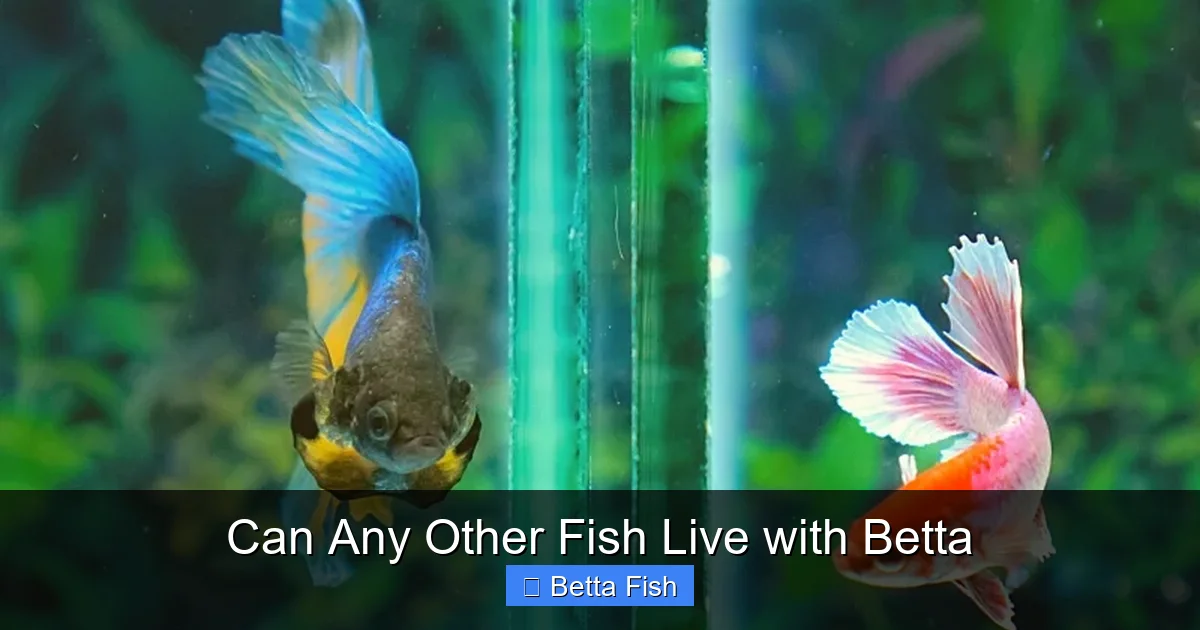
Male bettas guard a territory that includes their bubble nest, favorite plant, and any nearby décor. In the wild they defend these areas from rival males. In a home aquarium, a small tank or lack of cover can make a male feel threatened, leading to flares, gill‑pumping, and even attacks on other fish.
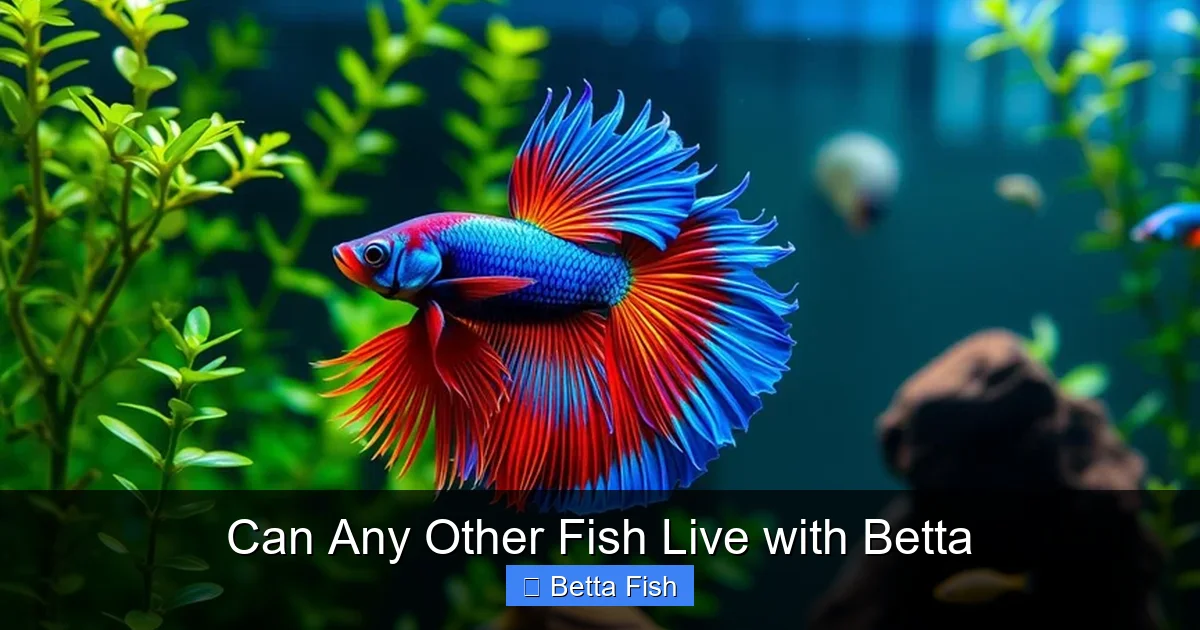
Visual guide about Can Any Other Fish Live with Betta
Image source: infishtank.com
Female Betta Dynamics
Females are generally less territorial, but they can still be bold. A group of females—known as a sorority—can coexist if the tank is large enough (at least 20 gallons) and has many hiding places. However, a single female placed with a male may still face aggression.
Key Factors That Influence Compatibility
- Tank size: A minimum of 10 gallons for a single betta with one or two peaceful companions.
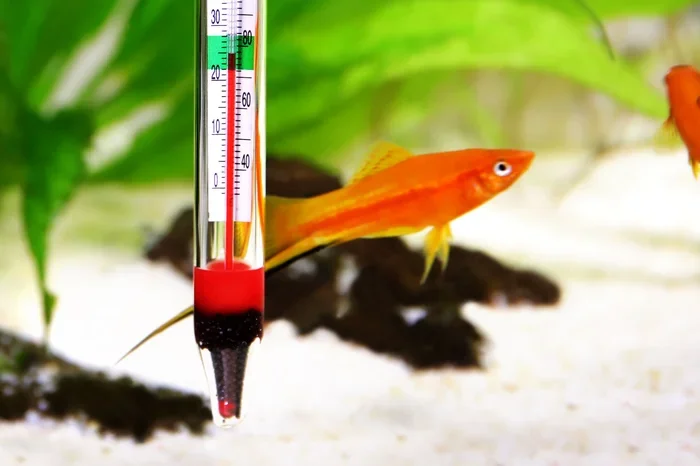
- Water conditions: Betta thrive at 76‑82 °F (24‑28 °C) with a pH of 6.5‑7.5.
- Temperament of the other fish: Fast‑moving, non‑aggressive species are best.
- Visual similarity: Species with long, flowing fins may be mistaken for a rival and trigger aggression.
Best Tank Mates for Betta Fish
Peaceful Bottom‑Dwellers
Bottom‑dwelling fish keep to the substrate, staying out of the betta’s line of sight. Good choices include:

Visual guide about Can Any Other Fish Live with Betta
Image source: bettacarefishguide.com
- Corydoras catfish: Small, social, and active at night.
- Kuhli loaches: Snake‑like, shy, and love to hide under driftwood.
- Otocinclus algae eaters: Tiny, peaceful, and help keep the tank clean.
Slow‑Moving Mid‑Level Swimmers
These fish occupy the middle of the tank without darting around, reducing the chance of a betta perceiving them as a threat.
- Harlequin rasboras: Their silver bodies reflect light, making them less likely to be chased.
- Neon tetras (in a very calm betta tank): Only if the betta shows no aggression during a trial period.
- White cloud mountain minnows: Hardy and prefer cooler water, so match temperature carefully.
Live Plants and Invertebrates
Plants are not fish, but they provide essential cover. Floating plants like Duckweed or Water lettuce create a canopy that diffuses light and reduces stress. Snails and shrimp can also coexist, though fast‑moving shrimp may be seen as food.
What About Other Betta Fish?
Two males together are a recipe for disaster unless you have a massive, heavily planted tank (75 gallons or more) with multiple visual barriers. A more realistic approach is a single male with one or two female bettas in a large community setup. For detailed guidance, see our article on Can Betta Fish Live With Other Betta Fish.
Fish That Should Never Share a Tank With a Betta
Fin‑Nippers and Aggressive Swimmers
Species that nip at fins or constantly chase will quickly stress a betta. Avoid guppies, tiger barbs, and certain danios. Their bright colors and fast movements can be mistaken for a rival, prompting the betta to flare.
Large, Territorial Cichlids
Even though they may be the same size, cichlids such as dwarf cichlids are territorial and can bully a betta, leading to injuries.
Fish With Similar Body Shapes
Betta males often attack fish that look like them—long‑finned or similarly colored species. This includes other bettas, some fancy guppies, and certain killifish.
Setting Up a Community Tank for a Betta
Step 1: Choose the Right Tank Size
For a single betta with two peaceful companions, a 10‑gallon long tank is the minimum. If you plan a sorority or a larger community, 20 gallons or more is recommended.
Step 2: Create Plenty of Hiding Places
Use live plants, driftwood, and ceramic caves. Aim for at least one hiding spot per fish, plus extra for shy species.
Step 3: Cycle the Tank Properly
Never add fish to an uncycled tank. Allow the nitrogen cycle to finish (ammonia → nitrite → nitrate) before introducing your betta and its mates. Test water weekly during the first month.
Step 4: Introduce Fish Gradually
Start with the betta, let it settle for a week, then add the first tank mate using a quarantine bag. Observe for any flaring. After a few days, add the next fish.
Step 5: Monitor and Adjust
Watch for signs of stress: faded colors, clamped fins, or constant hiding. If aggression occurs, remove the offending fish within 24 hours to prevent injury.
Example Setup
Imagine a 15‑gallon tank with the following layout:
- One male betta in the left corner, near a bubble nest maker.
- Two dwarf corydoras at the bottom, under a piece of driftwood.
- Five harlequin rasboras swimming in the middle, near a row of Java ferns.
- Floating Amazon frogbit covering the surface, providing shade.
- Two mystery snails cleaning leftover algae.
This arrangement offers vertical separation, plenty of cover, and compatible water parameters, creating a peaceful community.
FAQs About Betta Compatibility
Can any other fish live with betta?
Yes, but only peaceful, non‑fin‑nipping species that match the betta’s water needs. Proper tank size and hiding spots are crucial.
Can a male betta live with other fish?
Male bettas can live with other fish if the tank is large enough and the companions are calm, bottom‑dwelling, or mid‑level swimmers.
Can female bettas live together?
Yes, a sorority of 4‑6 females can thrive in a 20‑gallon tank with plenty of décor, but they still need space to establish a hierarchy.
Are snails safe tank mates for bettas?
Most snails, like nerite or mystery snails, are safe. They help clean algae and are too slow to trigger aggression.
What should I do if my betta starts flaring at a new fish?
Immediately separate the fish using a temporary container. Re‑evaluate compatibility, reduce visual lines, or consider a different species.
Do bettas need a bubble nest when kept with other fish?
Male bettas will build a nest if conditions are right. The presence of other fish does not stop nest building, but a stressed betta may ignore it.
Conclusion: A Thoughtful Approach Leads to Harmony
Answering the question “can any other fish live with betta?” isn’t a simple yes or no. It depends on the betta’s gender, temperament, tank size, and the species you choose as companions. By selecting peaceful bottom‑dwellers, mid‑level swimmers, and providing abundant hiding places, you can create a vibrant community that showcases the betta’s beauty without constant conflict.
Remember to cycle your tank, monitor water quality, and introduce fish slowly. When you see your betta’s fins relaxed and its colors shimmering alongside curious tank mates, you’ll know the effort was worth it. Happy fishkeeping!
Frequently Asked Questions
Can any other fish live with betta?
Yes, but only peaceful, non‑fin‑nipping species that share the same water parameters and have enough space to avoid territorial disputes.
Can a male betta live with other fish?
Male bettas can cohabit with calm, bottom‑dwelling or mid‑level swimmers in a tank of at least 10 gallons, provided there are plenty of hiding spots.
Can female bettas live together?
Female bettas can form a sorority in a 20‑gallon tank with dense planting and décor, allowing each to claim its own space.
Are snails safe tank mates for bettas?
Most snails, such as nerite or mystery snails, are safe and help control algae without provoking aggression.
What should I do if my betta flares at a new fish?
Separate the fish immediately, reassess compatibility, and consider adding more cover or choosing a different species.
Do bettas need a bubble nest when kept with other fish?
Male bettas will build a bubble nest if conditions are right; the presence of other fish does not prevent nest building, though a stressed betta may ignore it.