Do Betta Fish Like Blowing Bubbles Find Out Here
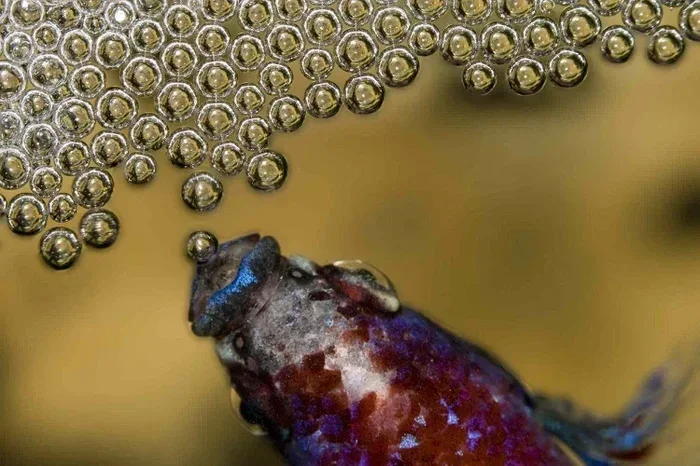
Betta fish do not blow bubbles for fun, but they create bubble nests as a natural instinct tied to breeding and territory. When you see a cluster of bubbles on the water surface, it usually means your fish feels safe, healthy, and ready to reproduce. Many owners wonder do betta fish like blowing bubbles, but the truth is that bubble nesting is more about survival and mating than play. Understanding this behavior helps you create a better tank environment and recognize signs of a happy, active fish.
Key Takeaways
- Bubble nests signal health: A well-built nest often means your betta feels secure and is in good condition.
- Males do most of the work: Only male bettas typically build nests to attract females and protect eggs.
- Bubbles are not toys: Fish do not blow bubbles for entertainment, but rather as a natural courtship behavior.
- Water conditions matter: Clean, warm, and calm water encourages healthy bubble nesting without stressing the fish.
- Lack of nests is normal: Not every betta builds a nest daily, and that does not always mean poor health.
- Avoid disturbing the nest: Moving or breaking the bubble cluster can cause stress and disrupt breeding behavior.
- Monitor behavior, not just bubbles: Watch for active swimming, bright colors, and good appetite alongside nest building.
📑 Table of Contents
- Understanding Bubble Nests in Betta Fish
- Do Betta Fish Like Blowing Bubbles or Is It Instinct
- Why Male Bettas Build Bubble Nests
- How Bubble Nests Form Step by Step
- What Bubble Nests Reveal About Fish Health
- Do Bettas Enjoy Bubble Nesting or Just Follow Instinct
- How to Encourage Healthy Nesting Without Stress
- Common Mistakes When Interpreting Bubble Behavior
- Expert Insights on Betta Bubble Nesting
- Final Thoughts on Do Betta Fish Like Blowing Bubbles
Understanding Bubble Nests in Betta Fish
If you keep a betta fish, you may notice a foamy cluster floating at the top of the tank. Many people ask do betta fish like blowing bubbles, but the answer is more interesting than a simple yes or no. Betta fish do not blow bubbles for fun. They create these bubbles on purpose. The bubbles form a nest that plays a big role in their natural life cycle. This behavior is common in male bettas, especially when they feel healthy and secure.
Bubble nests are made of air and a special coating from the fish. The male betta gathers air from above the water and wraps each bubble in a thin film. This film comes from his mouth and helps the bubbles stick together. The result is a soft, floating raft of bubbles. In the wild, this nest protects eggs and young fish. It keeps them near the surface, where oxygen is easy to find. It also keeps them away from bottom dangers.
You can think of the nest as a safe room for the next generation. The male guards it carefully. He may fix it often, adding new bubbles when old ones pop. This is why you might see a nest grow over several days. If you watch closely, you may even see your betta blow air and shape the bubbles with quick mouth movements. It looks playful, but it is really hard work.
Some owners worry when they see bubbles for the first time. They may think the water is dirty or the fish is stressed. In most cases, the opposite is true. A steady bubble nest often means the fish feels calm enough to focus on breeding behavior. Of course, context matters. You still need good water quality, proper temperature, and low stress. When those basics are in place, bubble nesting becomes a normal and healthy sign.
Do Betta Fish Like Blowing Bubbles or Is It Instinct
The short answer is that betta fish do not blow bubbles because they enjoy it like a game. They do it because their instincts tell them to. In nature, male bettas build nests to attract females and protect offspring. This drive is strong, even in tanks where no mate is present. That is why a single male may still build a nest on his own.
Instinct does not mean the fish is unhappy. It means the behavior is built into their biology. Think of it like a bird singing or a cat kneading a soft blanket. These actions are natural and often tied to comfort or routine. When a betta builds a nest, he is following a deep pattern that has helped his species survive.
That said, environment still shapes the behavior. A betta in a cramped, dirty, or overly bright tank may stop nesting. He may hide, clamp his fins, or lose color. On the other hand, a betta in a calm, well-maintained tank may nest more often. So while the urge is instinctive, the frequency of nesting can reflect how comfortable the fish feels.
It also helps to remember that not all bubbles mean the same thing. A few stray bubbles may come from normal breathing at the surface. A large, organized raft of bubbles is different. That is a deliberate nest. If you see both, you are likely watching a healthy fish who is simply doing what bettas do.
Why Male Bettas Build Bubble Nests
Male bettas are the main nest builders. This is true in the wild and in home aquariums. The nest serves several purposes, and each one matters for survival.
First, the nest attracts a mate. Female bettas often look for a well-made nest before they agree to spawn. A neat, stable nest shows that the male is active and capable. It gives her confidence that he can protect the eggs.
Second, the nest protects the eggs. Betta eggs are light and tend to float. Without a nest, they could drift into cooler areas or get lost in the tank. The bubbles create a safe zone near the surface. The male keeps the eggs there until they hatch.
Third, the nest helps with oxygen. The surface of the water holds more oxygen than deeper water. By keeping eggs near the top, the male gives them better access to air. This matters because betta eggs need oxygen to develop properly.
Male bettas also defend the nest. They may chase away other fish or even guard against their own reflection. This protective behavior is normal. It shows that the male is serious about his role. In a community tank, this can sometimes cause tension, so it is smart to learn about compatible tank mates. For example, you may want to read more about whether bettas get along with other species before adding new fish.
If you ever wonder do betta fish like blowing bubbles, keep this in mind: the male is not playing. He is working. The bubbles are tools, not toys. Once you see the behavior through that lens, it becomes easier to appreciate what your fish is trying to do.
When Females May Show Nesting Behavior
Female bettas usually do not build full nests. They may blow a few bubbles now and then, but this is less common. In some cases, a female may show small bubble clusters if she is mature and feeling ready to breed. This is not the same as the large nests males create. It is more of a mild response than a full nesting effort.
Age and environment can affect this behavior. A young female may not show nesting signs at all. An older female in excellent condition may show more interest in breeding behavior. Stress can suppress it. Clean water, gentle lighting, and enough space can encourage natural habits.
If you keep a pair, you may notice the male doing most of the work. That is normal. The female usually focuses on displaying readiness rather than building. She may swim near the nest, but she does not usually shape it. This division of labor is part of their natural breeding pattern.
How Bubble Nests Form Step by Step
Bubble nest building is a neat process to watch. It happens in stages, and each stage has a purpose. You do not need special equipment to see it. Just observe your tank quietly during the day.
The first stage is preparation. The male swims near the surface and looks for a good spot. He prefers calm water with little current. Strong flow can break bubbles quickly, so he avoids areas near filters or air stones. If your tank has a strong current, you may notice fewer nests.
The second stage is bubble creation. The male takes in air and releases it in small bursts. He coats each bubble with a natural secretion. This coating helps the bubbles stick together instead of popping right away. You may see him pause, then repeat the process several times.
The third stage is shaping. The male moves around the bubbles to form a cluster. He may nudge them with his nose or blow more air to fill gaps. Over time, the nest grows and becomes more stable. Some nests are small and simple. Others are large and dense, depending on the fish and the conditions.
The fourth stage is maintenance. The male checks the nest often. If a section breaks, he repairs it. If the water changes, he may adjust the location. This ongoing care shows how important the nest is to him. It also explains why nests can disappear quickly if the tank is disturbed.
If you want to support this process, keep the surface calm. Reduce strong currents near the top. Keep the water clean, but avoid sudden large water changes. A steady routine helps the fish feel safe enough to continue building.
What Bubble Nests Reveal About Fish Health
A bubble nest can tell you a lot, but it is not a complete health report. It is one clue among many. A healthy betta often has bright color, clear eyes, smooth fins, and a strong appetite. A nest can support that picture, especially when it appears regularly.
When a betta builds a nest, it usually means he has enough energy for extra activity. Nesting takes effort. A weak or sick fish is less likely to spend time on it. That is why many keepers see a nest as a positive sign. It suggests the fish is active and not completely overwhelmed by stress.
However, a missing nest does not always mean trouble. Some bettas simply nest less often. Others may pause during a tank change, a temperature shift, or a feeding routine change. Even a healthy fish may take a break. So it is better to look at the whole behavior pattern instead of focusing on one sign.
You should also pay attention to how the fish acts around the nest. A healthy male may guard it calmly. He may swim back and forth, check the bubbles, and stay alert. If he seems frantic, hides all day, or loses color, the nest may not be enough to judge his well-being.
If you ever notice unusual signs like torn fins, white spots, or labored breathing, act quickly. Bubble nesting should not distract you from real health concerns. For example, if you see bleeding or wounds, you should learn more about whether betta fish can bleed and what to do next. Quick attention can prevent small issues from becoming bigger ones.
Common Misreadings of Bubble Behavior
New keepers sometimes misread bubble nests. One common mistake is assuming every bubble cluster means breeding. That is not always true. A male may build a nest even if no female is present. He may also build one simply because the tank feels stable.
Another mistake is thinking bubbles mean the water is oily or polluted. In a dirty tank, you may see film on the surface, but that is different from a neat bubble nest. A nest has a structured look. Surface scum looks messy and may come with bad smell or cloudy water. If you are unsure, test the water and check for other signs of poor quality.
Some people also believe that more bubbles always mean a happier fish. That is too simple. A betta can overfocus on nesting if he is stressed by a mate, a reflection, or a crowded tank. Balance matters. A calm fish with a modest nest is often in better shape than a frantic fish with a huge nest.
Do Bettas Enjoy Bubble Nesting or Just Follow Instinct
This question comes up a lot because the behavior looks charming. Watching a betta shape bubbles can seem like play. The truth sits somewhere in the middle. The fish is not chasing fun, but he may still feel motivated and engaged. Instinct and comfort can work together.
When conditions are right, nesting can be a sign of confidence. The fish has enough safety, warmth, and energy to invest in the behavior. That does not mean he feels human-like joy, but it does mean he is not in survival mode. He is acting on a natural drive in a setting that allows it.
If the tank is too cold, too loud, or too crowded, nesting may drop off. That change can tell you something important. The fish may be conserving energy or avoiding attention. In that case, improving the environment is more useful than worrying about the missing bubbles.
It also helps to give your betta things to do besides nesting. Live or silk plants, gentle hiding spots, and a steady day-night cycle all support natural behavior. A fish with a rich environment often shows more balanced activity. You may see exploration, resting, feeding, and nesting all in one day.
If you want to understand more about how bettas behave in different settings, you can explore related topics like whether betta fish always need light or how they interact with other species. These details help you build a tank that supports healthy habits rather than forcing one behavior.
How to Encourage Healthy Nesting Without Stress
You do not need to force bubble nesting. The best approach is to create a calm, stable tank and let the fish decide. Good care usually supports natural behavior on its own. Here are some simple ways to help.
Keep the water warm and clean. Bettas prefer steady warmth and clean water that is not shocked by sudden changes. Match the temperature to their needs and avoid rapid swings. Use a gentle filter that does not blast the surface.
Reduce strong currents. A bubble nest struggles against heavy flow. If your filter creates too much movement, adjust the output or add a baffle. Calm surface water makes nesting easier.
Give the fish a safe layout. Plants, leaves, and quiet corners help the betta feel secure. A tank with places to rest and observe is less stressful. This can encourage more natural routines.
Avoid constant disturbances. Loud noises, frequent tapping on the glass, and constant rearranging can stress the fish. Try to keep routines predictable. Feed at similar times and limit unnecessary changes.
Watch the fish, not just the nest. A healthy routine matters more than a perfect bubble raft. Appetite, color, swimming style, and fin condition all matter. When those look good, you are likely doing well.
If you are planning a community tank, choose tank mates carefully. Some fish may chase or disturb the betta, which can interrupt nesting and increase stress. It is smart to check compatibility before mixing species. For example, you may want to look into whether betta fish attack other fish or how they behave around smaller tank mates.
Quick Tips for Better Bubble Nest Observations
- Observe the tank at the same time each day for patterns.
- Use a gentle light cycle so the fish can rest at night.
- Keep the surface area open enough for air access.
- Do not poke or remove the nest unless necessary.
- Record changes after water maintenance or tank updates.
Common Mistakes When Interpreting Bubble Behavior
One big mistake is assuming a betta must nest every day to be healthy. That is not realistic. Some days the fish will build, and some days he will not. Daily nesting is not the only sign of wellness.
Another mistake is treating the nest like decoration. It is not just a pretty feature. It has meaning to the fish. Breaking it for fun can be frustrating for the betta and may cause him to start over. That uses energy he could spend on other activities.
A third mistake is blaming the fish for aggression that comes from stress. A betta guarding a nest may seem grumpy. In reality, he may just be defending a space he values. Understanding this can help you avoid overreacting or misinterpreting normal guarding behavior.
A fourth mistake is ignoring water quality because a nest is present. A nest does not cancel out poor conditions. Ammonia, nitrite, and unstable temperature can still harm the fish. Keep testing the water and stay consistent with maintenance.
Finally, some keepers compare their betta to others too much. Every fish has a personality. One betta may nest often. Another may rarely do it. Both can be healthy. Focus on your own fish and his overall pattern.
Expert Insights on Betta Bubble Nesting
Experienced keepers usually say the same thing: context matters more than the bubbles themselves. A nest is useful information, but it works best when you combine it with other observations. Look at the fish as a whole. A calm betta with a small nest can be in great shape. A stressed betta with a big nest may still need help.
Experts also stress patience. Bubble nesting can change with seasons, tank setup, age, and mood. If your betta stops nesting after a move or a redesign, give him time to settle. Stability often brings behavior back over time.
Another useful insight is that males may respond to their reflection or to movement near the tank. This can trigger guarding behavior. It does not always mean trouble, but it does show how sensitive bettas can be. Gentle surroundings usually lead to calmer habits.
If you are curious about how bettas interact with the world around them, it can help to read about their reactions to different stimuli and tank conditions. For instance, some keepers explore whether barometric pressure changes affect betta fish behavior, while others look at whether betta fish act dead when they are actually resting or stressed. Learning these details makes you a better observer.
Key Takeaways for Daily Care
- Balance matters more than constant nesting.
- Clean, calm water supports natural behavior.
- Watch the whole fish, not just the surface.
- Protect the nest from unnecessary disturbance.
- Adjust the tank setup if the fish seems stressed.
Final Thoughts on Do Betta Fish Like Blowing Bubbles
So, do betta fish like blowing bubbles? They do not blow bubbles for fun, but they do create bubble nests because that behavior is deeply natural. The nest helps them breed, protect eggs, and show that they feel secure enough to invest energy in the task. When you see a nest, you are usually looking at a fish that is following instinct in a safe environment.
The best way to understand this behavior is to watch your betta over time. Notice the water conditions, the tank setup, and the fish’s overall mood. A nest is a helpful clue, but it works best when you read it alongside appetite, color, movement, and rest. If your betta is active, alert, and healthy, bubble nesting is simply one more part of his normal life.
If you want to keep things simple, focus on steady care and calm surroundings. Give your betta warm water, gentle flow, clean conditions, and a peaceful routine. Then let nature do the rest. Whether your fish builds a large nest or only a few bubbles now and then, you will be supporting a healthier and more comfortable life in your aquarium.
Frequently Asked Questions
Do betta fish blow bubbles just for fun?
No, betta fish usually do not blow bubbles for fun. They create bubble nests as part of natural breeding behavior, especially when they feel safe and healthy.
Does a bubble nest mean my betta fish is happy?
A bubble nest can be a good sign, but it is not a guarantee of happiness on its own. It often suggests the fish feels secure enough to nest, but you should also check appetite, color, and activity.
Do female betta fish build bubble nests?
Female bettas rarely build full nests. They may blow a few bubbles sometimes, but nest building is mostly a male behavior tied to courtship and egg protection.
Should I remove the bubble nest from the tank?
You usually do not need to remove it unless it is causing a problem. Disturbing the nest can stress the fish, so it is best to leave it alone if the water quality is fine.
Why did my betta fish stop building a bubble nest?
He may have stopped because of stress, temperature changes, poor water quality, or simply because he is taking a break. A missing nest is not always a sign of illness, especially if the fish otherwise seems healthy.
Do betta fish need a bubble nest to survive?
No, a betta fish does not need a bubble nest to survive in a home tank. The nest is mainly important for breeding and protection of eggs, not for the daily survival of an adult fish.