How Much Food Should You Give Your Betta Fish
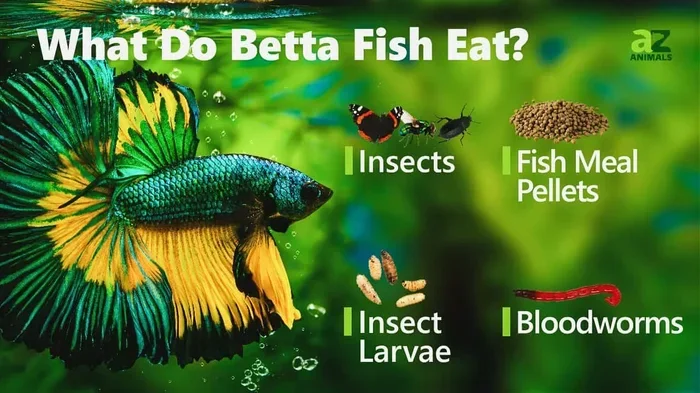
Knowing how much food should you give your betta fish is the key to a long, healthy life for your pet. Bettas need small, controlled portions served one to two times a day. Overfeeding is the most common mistake betta owners make, and it can lead to serious health problems.
If you own a betta fish, you have probably stood in front of the fish food container wondering if you are giving your fish too much or too little. It is one of the most common questions new betta owners ask. The truth is, how much food should you give your betta fish depends on a few simple factors, and getting it right makes a huge difference in your fish’s health and lifespan.
Betta fish are small but they have big appetites. Their tiny stomachs can only handle a very small amount of food at a time. Many owners accidentally overfeed their bettas, which leads to bloating, poor water quality, and even serious illness. On the flip side, underfeeding can leave your betta weak and tired. This guide walks you through everything you need to know about betta fish feeding, from portion sizes to feeding schedules and the best types of food to use.
Whether you just brought home your first betta or you have had one for years, this article will help you fine-tune your feeding routine. Let us dive in and make sure your betta is getting exactly what it needs.
Key Takeaways
- Feed small portions: A betta fish stomach is tiny, about the size of its eye. Two to three pellets or a small pinch of flakes per meal is plenty.
- Feed once or twice a day: A consistent feeding schedule keeps your betta healthy and prevents overeating.
- Watch for overfeeding signs: Bloating, constipation, and cloudy water are clear warnings you’re giving too much food.
- Variety matters: Rotate between pellets, flakes, and occasional live or frozen foods for balanced betta fish nutrition.
- Skip one day a week: A fasting day helps your betta’s digestive system stay clean and healthy.
- Remove uneaten food fast: Leftover food decays quickly and pollutes the tank water.
📑 Table of Contents
How Much Food Should You Give Your Betta Fish
The golden rule for how much food should you give your betta fish is simple: less is more. A betta fish stomach is roughly the size of its eyeball. That means it can only handle a very small amount of food at each meal. Most experts agree that two to three small pellets or a pinch of flakes per feeding is the right amount.
If you are wondering about the exact quantity, think of it this way. Your betta should eat everything you give it within two to three minutes. If there is leftover food floating around after that time, you gave too much. Remove the uneaten food right away so it does not dirty the water.
Understanding Your Betta’s Stomach Size
It helps to picture how small a betta’s stomach really is. Compared to its body, the stomach is tiny. This is why people often think their betta is still hungry after a small feeding. In reality, a few pellets are enough to fill it up. Giving more than that puts extra strain on the digestive system and can cause blockages.
Another thing to keep in mind is that bettas are natural grazers in the wild. They eat small amounts throughout the day rather than one big meal. This is why splitting the daily food into two smaller feedings works best for betta fish health.
The Right Portion Size by Food Type
Different foods need different portion sizes. Here is a quick breakdown:
- Pellets: Two to three small pellets per feeding. Look for pellets specifically made for bettas.
- Flakes: A small pinch, about the size of a pea. Flakes expand in water, so a little goes a long way.
- Frozen or live food (like bloodworms): Two to three small pieces or one bloodworm, cut into smaller parts if needed.
- Freeze-dried food: One to two small pieces. Soak them in water first to prevent constipation.
Following these portion sizes will keep your betta in great shape. If you want to learn more about feeding frequency, check out our guide on how often should you feed a betta fish.
How Often Should You Feed Your Betta Fish
Feeding frequency is just as important as portion size. Most betta owners should feed their fish once or twice a day. A common approach is to feed in the morning and again in the evening, giving a small portion each time.
Some experienced fish keepers also recommend skipping one feeding day per week. This gives the betta’s digestive system a break and helps clear out any built-up waste. A single fasting day each week can really improve your fish’s overall well-being.
Creating a Feeding Schedule That Works
Consistency is key when it comes to betta fish feeding. Try to feed your betta at the same times every day. Bettas thrive on routine, and a regular schedule helps them stay active and healthy.
Here is a simple feeding schedule you can follow:
- Morning feeding: Give two to three pellets or a small pinch of flakes.
- Evening feeding: Repeat the same small portion.
- One day per week: Skip feeding entirely to let the digestive system rest.
Stick to this routine and your betta will thank you with bright colors and energetic swimming. If you ever need to adjust the schedule, do so gradually rather than all at once.
Types of Food for Betta Fish
Not all fish food is created equal. Bettas are carnivores by nature, which means they need a protein-rich diet. The food you choose plays a big role in your betta’s growth, color, and energy levels.
Pellets vs Flakes
Betta-specific pellets are the most popular choice among fish owners. They sink slowly, which is perfect because bettas like to eat from the middle or top of the water column. High-quality pellets are packed with protein and contain the nutrients bettas need.
Flakes are another option, but they can be messier. Flakes break apart quickly and can cloud the water if uneaten. If you use flakes, give a very small amount and watch your betta eat it all within a few minutes.
Live and Frozen Foods
Live and frozen foods make an excellent treat for bettas. Bloodworms, brine shrimp, and daphnia are all great choices. They add variety to the diet and are rich in protein. You can learn more about live food options in our article on can you give betta fish live food.
Just remember that treats should only make up about 10 to 20 percent of your betta’s diet. The rest should come from high-quality pellets or flakes. Too many treats can lead to nutritional imbalances and weight gain.
Signs You Are Overfeeding or Underfeeding Your Betta
One of the trickiest parts of caring for a betta is knowing whether you are feeding the right amount. Both overfeeding and underfeeding come with clear warning signs. Learning to spot these signs early can save your fish from serious health problems.
Warning Signs of Overfeeding
Overfeeding is the number one mistake betta owners make. Watch out for these red flags:
- Bloating: Your betta’s belly looks swollen or stretched after eating.
- Constipation: Your fish has trouble swimming or produces long, stringy waste.
- Cloudy water: Uneaten food decays fast and makes the tank water murky.
- Lethargy: Your betta seems less active and spends more time resting at the bottom.
- Loss of appetite: A betta that turns its nose up at food may already be full from the last feeding.
If you notice any of these signs, reduce the portion size immediately. You can also give your betta a fasting day to help its system reset. For more details on the risks of too much food, read our article on can you overfeed your betta fish.
Signs Your Betta Is Not Getting Enough Food
Underfeeding is less common but it does happen. A betta that is not getting enough food may show these symptoms:
- Weight loss: The body looks thin or the sides appear sunken.
- Low energy: The fish swims slowly and stays near the bottom of the tank.
- Dull colors: A healthy betta has bright, vivid colors. A malnourished betta looks faded.
- Aggression: Some bettas become more aggressive when they are hungry.
If you see these signs, slowly increase the portion size over a few days. Sudden changes in diet can stress your fish out, so make adjustments gradually.
Quick Tips for Perfect Betta Feeding
Here are some fast, practical tips to make feeding time easier and safer for your betta:
- Soak dry food first: Freeze-dried and pellet foods expand in water. Soaking them for a few minutes before feeding helps prevent digestive blockages.
- Use a feeding ring: A feeding ring keeps food in one spot so your betta can find it easily and uneaten food does not spread across the tank.
- Watch your betta eat: Always stay nearby during feeding time. This helps you make sure your fish eats everything and you can spot any problems early.
- Rotate food types: Switch between pellets, flakes, and frozen foods to provide a balanced betta fish diet.
- Keep the tank clean: Remove any uneaten food within five minutes of feeding to maintain good water quality.
Common Mistakes Bettas Owners Make When Feeding
Even experienced fish owners sometimes make feeding mistakes. Here are the most common ones to avoid:
Mistake 1: Feeding too much at once. It is tempting to give your betta a big portion, especially when it seems excited at feeding time. But remember, a betta’s stomach is tiny. Stick to small portions and you will avoid most feeding problems.
Mistake 2: Ignoring the fasting day. Skipping one feeding day per week is one of the best things you can do for your betta’s digestion. Do not feel guilty about it. Your fish will be just fine, and it will actually benefit from the break.
Mistake 3: Using the wrong type of food. Not all fish food is suitable for bettas. Generic tropical flakes often lack the protein levels bettas need. Always choose food specifically formulated for bettas or carnivorous fish.
Mistake 4: Leaving uneaten food in the tank. Leftover food breaks down fast and releases ammonia into the water. This can harm your betta and mess up the tank’s water parameters. Always clean up any food your fish does not eat within a few minutes.
By avoiding these mistakes, you set your betta up for a long and healthy life. If you ever worry about your betta’s health after feeding, check out our guide on how do you know if your betta fish is sick to learn what to watch for.
Final Thoughts on Feeding Your Betta Fish
Feeding your betta fish does not have to be complicated. The key is to keep portions small, feed consistently, and watch your fish for any signs that something is off. A good rule of thumb is to always ask yourself: how much food should you give your betta fish? The answer is simple: just enough to fill its tiny stomach without leaving anything behind.
When you get the feeding routine right, you will notice a big difference. Your betta will have brighter colors, more energy, and a stronger appetite. It will swim around the tank with confidence and show off its beautiful fins. Good feeding habits are one of the simplest yet most powerful ways to care for your betta.
Start by making small adjustments to your current routine. Measure out the food instead of eyeballing it. Stick to a schedule. And do not forget that one fasting day per week. Your betta fish will live a happier, healthier life because of it.
For more information on betta care, check out our other guides on betta fish nutrition and feeding schedules. You will find plenty of helpful tips to make sure your betta thrives in its home.
Frequently Asked Questions
How much should a betta fish eat per day?
A betta fish should eat two to three small pellets or a small pinch of flakes, split into one or two feedings per day. The total daily amount should be very small since a betta’s stomach is about the size of its eye. If you are unsure about portions, start small and adjust based on how your fish responds.
Can you give a betta fish too much food?
Yes, overfeeding is one of the most common problems betta owners face. Too much food causes bloating, constipation, and poor water quality. Uneaten food decays quickly and releases harmful ammonia into the tank. Always feed only what your betta can finish within two to three minutes.
How often should I feed my betta fish?
Feeding your betta once or twice a day is the ideal routine. Some owners also skip one feeding day per week to give the digestive system a rest. A consistent schedule helps your betta stay healthy and maintains a steady appetite.
What is the best food for betta fish?
High-quality betta-specific pellets are the best staple food. You can supplement with flakes, frozen bloodworms, brine shrimp, and freeze-dried foods for variety. The key is to choose protein-rich options and avoid generic tropical flakes that lack proper nutrition.
How do I know if my betta is still hungry?
Bettas often act hungry even after eating enough because they are natural beggars. Look at your fish’s body shape and energy level rather than its behavior at feeding time. A healthy betta has a rounded but not bloated belly and swims actively throughout the day.
Should I skip feeding my betta fish once a week?
Yes, skipping one feeding day per week is highly recommended. A fasting day helps clear the digestive system and prevents constipation. Most bettas handle fasting days very well and it actually supports their overall health and digestion.