How Big Are Betta Fish Full Size Growth Chart For Owners

Betta fish are small but stunning pets that usually reach 2 to 4 inches in length. Their full size depends on genetics, tank size, and care quality. This guide shares a clear growth chart and simple tips to help your fish reach a healthy adult size. You will also learn what affects their growth and how to support them.
Many new fish owners ask one simple question: how big are betta fish? It is a great question. Size affects tank choice, feeding, and general care. If you know what to expect, you can plan better and avoid common mistakes.
The good news is that betta fish are not hard to understand once you learn the basics. They are small fish with big personalities. Their size can vary a bit based on type, care, and environment. In this guide, we will break it all down in a simple way.
Key Takeaways
- Typical adult size: Most betta fish grow to 2.5 to 3.5 inches, with some reaching 4 inches under ideal care.
- Fin size matters: Long-fin types look larger, but body length is the real size measure.
- Tank size helps: A proper tank supports healthy growth, but a huge tank is not always better.
- Water quality is key: Clean, warm water helps bettas grow steadily and stay healthy.
- Food affects growth: A balanced diet supports size, color, and energy.
- Genetics play a role: Some fish are simply bred to be smaller or larger.
- Growth slows with age: Betta fish grow fastest in the first few months, then slow down.
📑 Table of Contents
- How Big Are Betta Fish on Average
- Betta Fish Growth Chart and Timeline
- What Affects How Big Betta Fish Get
- Tank Size and Space Needs for Healthy Growth
- Feeding Tips to Support Growth
- Common Signs of Healthy Growth
- Common Mistakes Owners Make
- Expert Insights for Better Growth
- Final Thoughts on Betta Fish Size
How Big Are Betta Fish on Average
Most healthy adult betta fish grow to about 2.5 to 3.5 inches in body length. Some may reach close to 4 inches if they have excellent care and good genetics. That measurement usually means the main body, not the tail or fins.
People often think bettas are smaller than they really are because their fins can make them look larger. Others may think they are bigger because of their bold colors and dramatic fins. The truth is somewhere in the middle. A betta is a small fish, but it can still look impressive.
Body Size Versus Fin Size
It helps to separate body size from fin size. The body is the main part of the fish. The fins can add a lot of visual length, especially in halfmoon or veiltail types. If you want to track real growth, focus on the body.
Fin length can change too. Fins may grow longer over time, especially in males. They can also regrow if damaged. So a betta may look bigger or smaller depending on its fins, even if the body has not changed much.
What Counts as Full Size
A betta is usually considered full grown when its body stops getting longer. That often happens by 6 to 12 months of age. After that, the fish may still fill out a little, but major size changes are less common.
If your betta seems small, do not panic right away. Some fish are just naturally smaller. Others may need better food, cleaner water, or a more stable environment.
Betta Fish Growth Chart and Timeline
Betta fish do not grow at the same speed their whole life. They grow fastest when they are young. A simple betta fish growth chart can help you understand what to expect.
Early Growth Stage
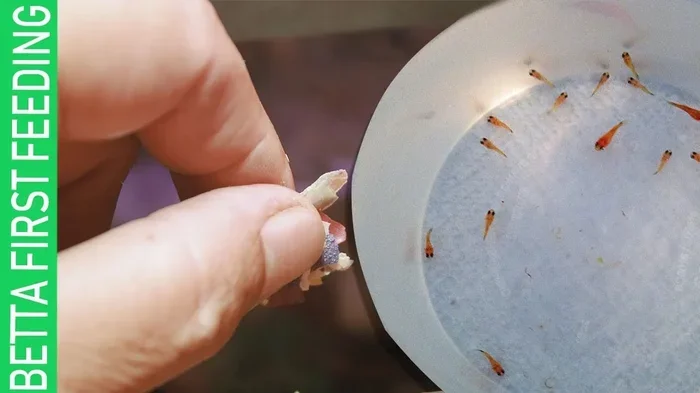
In the first few weeks, baby bettas are very small. They may only be a fraction of an inch long. During this time, they need tiny food and clean water. Growth can be fast, but it depends on feeding and care.
Juvenile Stage
As they move into the juvenile stage, they start to show more color and fin shape. This is when many owners begin to notice their personality too. The fish may grow steadily if conditions are good.
Young Adult Stage
By a few months of age, many bettas are close to their adult size. They may still grow a little more, but the biggest changes are often behind them. At this point, care matters a lot for keeping them healthy.
Adult Stage
Once a betta reaches adulthood, size usually stabilizes. The focus shifts from growth to maintenance. Good water, proper feeding, and low stress help the fish stay in great shape.
What Affects How Big Betta Fish Get
If you are asking how big are betta fish, the answer is not only about age. Several things can influence growth. Some are outside your control, but many are not.
Genetics
Genetics is one of the biggest factors. Some bettas are bred to be compact. Others may have a slightly larger build. You can give the best care possible, but the fish will still follow its natural range.
Tank Size and Space
Tank size matters, but not in the way many people think. A cramped tank can limit activity and make it harder to maintain clean water. That can affect health and growth. On the other hand, a tank that is too large is not always necessary.
If you want to read more about space needs, you can check out do betta fish like a lot of space. It explains how much room these fish really need.
Water Quality
Clean water supports healthy growth. Poor water can cause stress and illness. When a fish is stressed, it may not grow well. Warm, stable water is especially important for bettas.
Food and Nutrition
A good diet helps a betta grow and stay strong. Variety is useful. High-quality pellets, frozen foods, and occasional treats can all help. Overfeeding is a problem too, so portion control matters.
Stress Levels
Stress can slow growth and weaken health. Loud noise, constant movement, poor tank mates, or unstable water can all be stressful. A calm setup usually supports better development.
Tank Size and Space Needs for Healthy Growth
Tank size is a big topic for betta owners. Many people want to know whether a small bowl is enough. The short answer is that small bowls are usually not ideal. Bettas do better in tanks that are easier to keep clean and stable.
Why Small Bowls Can Be a Problem
Very small containers can warm up and cool down quickly. They also collect waste faster. That makes water quality harder to manage. If the water is not stable, the fish may not thrive.
A Better Setup
A simple, well-maintained tank is often a better choice. It gives the fish more stable water and more room for a heater, filter, and decorations. You do not need a giant tank, but you do need a practical one.
If you are wondering whether bettas can handle a larger tank, this article may help: can you put betta fish in a big tank. It covers what happens when the tank is larger than average.
Decor and Swimming Space
Bettas like some open space, but they also enjoy places to rest. Soft plants and smooth decorations work well. Sharp items can damage fins, so choose carefully. A balanced setup helps the fish feel secure.
Feeding Tips to Support Growth
Feeding is one of the easiest ways to support healthy growth. The goal is steady nutrition, not overfeeding. A betta with a good diet often looks brighter and moves with more energy.
Choose a Solid Base Diet
A good pellet made for bettas is a strong starting point. It should be easy to digest and appropriate for daily feeding. Many owners also rotate in other foods for variety.
Add Variety Safely
Frozen or live foods can be useful in small amounts. They can add nutrients and make feeding more interesting. Just keep portions modest so the fish does not overeat.
Watch the Belly
A betta should look rounded, not swollen. If the belly looks too full, reduce the portion a little. If the fish looks thin, you may need to adjust feeding or check water conditions.
Avoid Overfeeding
Overfeeding can lead to waste and health issues. Small meals given regularly are usually better than one large meal. Clean up extra food so it does not break down in the tank.
Common Signs of Healthy Growth
It is helpful to know what healthy growth looks like. That way, you can spot problems early. A growing betta should usually seem alert, active, and steady in appearance.
Bright Color
Healthy bettas often show clear color. Fading color can happen for many reasons, including stress or age. If color drops suddenly, it is worth checking the tank.
Active Behavior
A healthy betta usually explores its tank and reacts to its owner. It may swim around during the day and rest sometimes too. Constant hiding or weakness can be a warning sign.
Smooth Fins and Scales
Fins should look intact and scales should look even. Tears, clumps, or strange spots may point to a problem. Catching issues early makes them easier to handle.
Steady Appetite
Most healthy bettas eat with interest. A sudden loss of appetite can mean stress, illness, or poor water conditions. If that happens, look at the whole setup, not just the food.
Common Mistakes Owners Make
Even caring owners can make mistakes. Here are some common ones that can affect size and health.
- Keeping a betta in a too-small container: This can make water quality harder to manage.
- Feeding too much: Extra food can cause waste and health problems.
- Ignoring water changes: Dirty water can stress the fish and slow growth.
- Using sharp decorations: These can damage fins and cause injury.
- Assuming all bettas are the same size: Different types can grow differently.
- Skipping temperature stability: Bettas need warm, steady water to stay healthy.
Expert Insights for Better Growth
If you want your betta to grow well, think about the whole environment. Size is not just about one thing. It is about care, stability, and consistency.
One useful habit is to check the tank often. Look at the fish, the water, and the equipment. Small problems are easier to fix when you notice them early. Another good habit is to keep a simple routine for feeding and cleaning.
If your betta seems smaller than expected, compare its care to the basics first. Water temperature, food, and cleanliness are good places to start. Often, steady improvements make a real difference over time.
Final Thoughts on Betta Fish Size
So, how big are betta fish? Most grow to a small but noticeable size, usually around 2.5 to 3.5 inches in body length. Some reach a little more, while others stay on the smaller side. The exact size depends on genetics, care, food, and environment.
A good betta fish growth chart can help you understand the early months and what to expect as your fish matures. Focus on clean water, proper feeding, and a calm tank. Those basics do more for size and health than chasing a perfect number.
If you give your betta a stable home, you will likely see the best version of its natural size. More importantly, you will help it live a healthier and happier life.
Frequently Asked Questions
How big are betta fish when fully grown?
Most fully grown betta fish reach about 2.5 to 3.5 inches in body length. Some may grow close to 4 inches with excellent care and strong genetics. Fin length can make them look larger, but body size is the main measure.
How fast do betta fish grow?
Betta fish usually grow fastest during their early months. After that, growth slows as they reach adulthood. Good food, clean water, and stable temperatures help them grow at a healthy pace.
Can a betta fish grow bigger in a larger tank?
A larger tank can help if it gives the fish cleaner and more stable water. However, a bigger tank alone does not guarantee a larger fish. Genetics and overall care still matter most.
Why is my betta fish smaller than expected?
It may simply be a smaller individual, or it may need better care. Poor water quality, low-quality food, or stress can also affect growth. Check the tank setup and make steady improvements.
Do betta fish keep growing their whole life?
No, betta fish do not keep growing forever. They usually reach their main adult size within the first year. Later, they may fill out a little, but major growth is uncommon.
What size tank is best for a betta fish to grow well?
A tank that is easy to keep clean and stable is usually best. Very small bowls are often difficult to maintain, while a practical mid-size tank can work well. The goal is steady water quality, not just maximum space.