How Much Do You Feed a Male Betta Fish
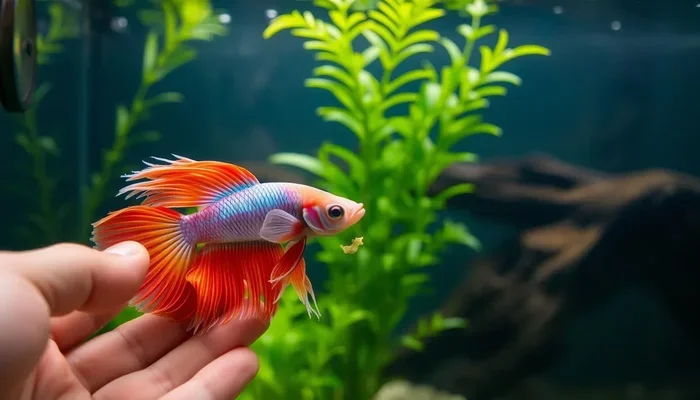
Feeding your male betta fish the right amount is one of the most important parts of betta fish care. A male betta needs about 2-3 pellets or a small pinch of flakes twice a day, with one fasting day per week. Overfeeding is the biggest mistake new betta owners make, and it can lead to serious health problems.
How much do you feed a male betta fish? This is one of the first questions every new betta owner asks. And honestly, it is a really important one. The amount of food you give your male betta directly affects his health, lifespan, and the quality of his tank water. Feed too little, and he becomes weak and malnourished. Feed too much, and you risk serious health problems that can shorten his life significantly.
The good news is that feeding a male betta fish the right way is not complicated at all. Once you understand his stomach size, nutritional needs, and natural eating habits, everything falls into place. This guide walks you through everything you need to know about how much to feed a male betta fish. We will cover portion sizes, feeding frequency, the best types of food, and the most common mistakes to avoid.
Key Takeaways
- Portion Size Matters: Feed your male betta only what he can eat in 2 minutes, roughly 2-3 pellets per meal.
- Feed Twice Daily: A consistent feeding schedule of morning and evening meals works best for betta health.
- One Fasting Day Per Week: Skipping one meal day helps prevent constipation and keeps the digestive system healthy.
- Overfeeding Is Dangerous: Excess food ruins water quality and can cause bloating, swim bladder issues, and obesity.
- Variety Improves Nutrition: Rotate between pellets, flakes, and occasional treats like bloodworms for balanced nutrition.
- Watch for Hunger Cues: A hungry betta will beg, but resist overfeeding even when he acts hungry.
📑 Table of Contents
- Understanding Your Male Betta Fish Stomach Size
- How Often Should You Feed a Male Betta Fish
- How Much Food to Give at Each Meal
- The Best Foods for Male Betta Fish
- Common Feeding Mistakes to Avoid
- Special Feeding Considerations for Male Bettas
- Signs You Are Feeding Your Male Betta the Right Amount
- Conclusion
Understanding Your Male Betta Fish Stomach Size
One of the most important things to know about betta fish is how tiny their stomachs actually are. A male betta’s stomach is roughly the size of his eye. That is incredibly small. Many people assume that because bettas have big appetites and will eat everything you offer, they need large meals. This is simply not true.
In the wild, bettas eat small insects and larvae throughout the day. They do not sit down for big meals. Instead, they nibble on tiny food sources constantly. This natural behavior should guide how you feed your pet betta at home.
What This Means for Feeding
Because a betta stomach is so small, each meal should be tiny. Think about it this way. If you were feeding a small child, you would not give them an adult-sized plate of food. The same logic applies to your male betta. A proper portion is about 2 to 3 small pellets, or a pinch of flakes. That is it. Anything more than that can cause digestive issues and water quality problems in the tank.
Another key point to keep in mind is that a betta fish stomach empties in about 24 hours. So if you overfeed, the leftover food sits in the tank and starts to decompose. This releases ammonia, which is toxic to your fish. Keeping portions small protects both your betta and his environment.
How Often Should You Feed a Male Betta Fish
Feeding frequency is just as important as portion size. So how often do you feed a male betta fish? The standard recommendation is twice a day. Once in the morning and once in the evening. This mimics their natural eating pattern and keeps their metabolism steady throughout the day.
Each feeding session should be brief. Drop in the food and let your betta eat for about 2 minutes. If there is food left after 2 minutes, you gave too much. Remove the uneaten food right away to keep the tank clean. This simple habit goes a long way in maintaining good water quality.
The Importance of a Feeding Schedule
Bettas thrive on routine. When you feed them at the same times every day, they become more active and responsive. They learn to anticipate mealtime and will often swim to the top of the tank when it is close to feeding time. This predictable schedule also makes it easier for you to monitor how much your betta is eating.
Consistency also helps with digestion. A betta fish that eats at regular intervals processes food more efficiently than one fed randomly. Try to stick to a morning and evening routine, ideally at the same times each day. This small commitment makes a big difference in your betta’s overall well-being.
How Much Food to Give at Each Meal
Now let us get specific about portion sizes. When you are figuring out how much do you feed a male betta fish at each meal, the answer is simple. Two to three small pellets is the sweet spot. If you are using betta flakes, a small pinch that flattens out on the water surface works well.
Here are some practical guidelines to follow:
- Pellets: 2 to 3 pellets per feeding. Choose high-quality pellets specifically made for bettas. These are the most nutritionally complete option.
- Flakes: A small pinch, roughly the size of a dime. Make sure the flakes are designed for tropical fish or bettas specifically.
- Frozen or Live Food: 2 to 3 bloodworms or brine shrimp per feeding. Treat these as supplements, not main meals.
- Daphnia or Mosquito Larvae: 2 to 3 small pieces. These make excellent occasional treats that aid digestion.
If you are unsure whether you are giving the right amount, watch your betta during feeding. A healthy betta will eat eagerly but stop when full. If he keeps searching for more food right after finishing, you might need to give slightly more. If food sinks and sits uneaten, you gave too much. Adjust over time until you find the perfect balance.
The Best Foods for Male Betta Fish
Not all fish food is created equal. The type of food you choose matters just as much as the amount. Male bettas are carnivores by nature. They need a diet that is high in protein and low in fillers. Cheap generic fish flakes often contain too much plant matter and not enough protein for a betta’s needs.
Top Food Options Ranked
Here is a quick look at the best food choices for your male betta:
- Betta-Specific Pellets: These are the gold standard. They are formulated with the right protein content and sink or float depending on the brand. Look for pellets with at least 30% protein content.
- High-Quality Betta Flakes: A good option for variety, but flakes can lose nutrients quickly once the container is opened. Store them in a cool, dry place.
- Frozen Bloodworms: An excellent treat that most bettas love. Use them 1 to 2 times per week as a supplement to their regular diet.
- Frozen Brine Shrimp: Another great treat option that provides extra protein and variety.
- Live Foods: Mosquito larvae, daphnia, and live brine shrimp are the closest thing to what bettas eat in the wild. They make a fantastic addition to any feeding routine.
Variety is important for a balanced diet. Just like humans, bettas get bored eating the same thing every day. Rotating between pellets, flakes, and occasional treats keeps them interested in food and ensures they get a range of nutrients. Just remember to keep treats to a small part of the overall diet. The main staple should always be a quality betta pellet.
Common Feeding Mistakes to Avoid
Even the most dedicated betta owners can make feeding mistakes. The good news is that most of these errors are easy to fix once you know what to look out for. Here are the most common problems people have when feeding their male bettas.
Overfeeding
This is the number one mistake. It is also the most dangerous one. A betta will almost always eat whatever food you put in the tank, even if he is already full. This is because, in the wild, food is scarce and bettas have evolved to grab every opportunity to eat. But in a home aquarium, this instinct works against them.
Overfeeding leads to bloating, constipation, swim bladder disorder, and obesity. Uneaten food also decays rapidly and spikes ammonia levels in the water. Both outcomes are harmful. If you want your betta to live a long and healthy life, resist the urge to give him extra food just because he looks hungry. Bettas are skilled at begging, but they do not actually need that extra portion.
If you are concerned about overfeeding, read more about whether you can feed a betta fish too much to understand the risks in depth.
Skipping Meals or Feeding Too Little
On the flip side, some owners worry so much about overfeeding that they give their betta too little food. A male betta that is consistently underfed will become weak, lose color, and be more susceptible to disease. He will also become lethargic and less active. A proper feeding routine with appropriate portions prevents this problem entirely.
Feeding the Wrong Types of Food
Feeding your betta generic tropical flakes or goldfish food is a bad idea. These foods do not have the protein content a betta needs. They often contain fillers that bettas cannot digest properly. Stick to foods specifically designed for bettas or carnivorous tropical fish. Also, never feed your betta bread, crackers, or human food. These can cause serious digestive issues and pollute the tank water.
Not Cleaning Up Uneaten Food
If your betta does not finish his food within 2 minutes, remove it promptly. Leftover food breaks down quickly and releases harmful ammonia into the water. This is especially important in smaller tanks where water quality can deteriorate fast. A small net or turkey baster works great for removing uneaten food without disturbing your betta.
Special Feeding Considerations for Male Bettas
Male bettas have some unique traits that affect how you should feed them. Understanding these differences helps you tailor the feeding routine to your specific fish.
Male Bettas Are More Aggressive Eaters
Male bettas tend to eat with more enthusiasm than females. They often flare and display at the food, which can make it tempting to drop in extra pellets. Remember, their excitement does not mean they need more food. Stick to your planned portion size regardless of how eager he seems.
Feeding During Tank Setup or New Environment
If you have just brought home a new male betta or set up a new tank, wait a few hours before feeding. A stressed betta may not eat right away, and that is completely normal. Once he settles in, start with small portions and gradually increase to the normal feeding amount over the first few days.
Fasting Days Are Essential
One of the best things you can do for your male betta is to skip one feeding day per week. This gives his digestive system a chance to process any remaining food fully and helps prevent constipation. Many experienced betta keepers fast their fish on Sundays or one day of the week. It is a simple practice that yields big health benefits.
Some people also wonder whether how often you feed a betta fish should change with the seasons or water temperature. While bettas eat slightly less in cooler water, maintaining a consistent twice-daily schedule with one fasting day remains the best approach year-round.
Signs You Are Feeding Your Male Betta the Right Amount
How do you know if your feeding routine is working? Your betta will show you through his behavior and appearance. Here are the signs that your male betta is getting the right amount of food:
- Healthy Appetite: He eats eagerly when food is added but stops after a couple of minutes.
- Good Color: A well-fed betta displays vibrant, rich colors. Dull or faded coloring can signal malnutrition.
- Active Behavior: He swims around the tank with energy and curiosity. Lethargy can indicate either overfeeding or underfeeding.
- Regular Waste: Healthy digestion produces firm, dark waste. White or stringy stool can indicate overfeeding or poor diet quality.
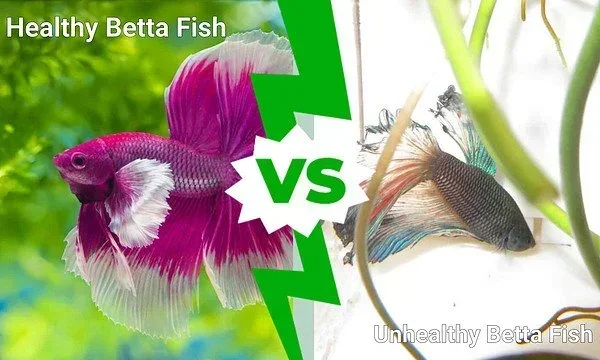
- Proportional Body Shape: Your betta should have a rounded but not bloated body. A swollen or distended abdomen is a sign of overfeeding.
If you notice any of these warning signs, adjust your feeding amount or frequency accordingly. Small tweaks make a big difference over time. And if you are ever unsure about your betta’s health, learning how to recognize illness early is crucial. Check out this guide on how to tell if a betta fish is dying to understand the more serious symptoms that require immediate attention.
Proper feeding is just one part of overall betta care. If you want to give your male betta the best possible life, also make sure his tank is clean, the water temperature is stable between 76 and 82 degrees Fahrenheit, and he has enough space to swim comfortably. For a broader look at keeping your betta healthy and happy, explore how to properly care for a betta fish in all aspects of his environment.
Conclusion
So how much do you feed a male betta fish? The answer comes down to small portions, consistent timing, and a balanced diet. Feed him 2 to 3 pellets or a small pinch of flakes twice a day. Give him one fasting day each week. Choose high-quality betta-specific food and rotate in treats like bloodworms or brine shrimp for variety. Avoid overfeeding at all costs, and always remove uneaten food promptly.
Following these guidelines will help your male betta live a long, healthy, and vibrant life. Betta fish can live 3 to 5 years with proper care, and feeding is one of the most impactful things you can do to support that lifespan. Take the time to get the portions right, watch your fish for cues, and adjust as needed. Your betta will thank you with bright colors, active swimming, and a happy, healthy demeanor.
Remember, every betta is a little different. Some may need slightly more food, while others do perfectly well on smaller portions. The key is to observe your fish, stay consistent, and never be afraid to make small adjustments. A well-fed betta is a happy betta, and that is exactly what every owner wants.
Frequently Asked Questions
Can you overfeed a male betta fish?
Yes, absolutely. Overfeeding is the most common mistake betta owners make. Male bettas will eat until they make themselves sick if given the chance. Overfeeding causes bloating, constipation, swim bladder issues, and poor water quality from uneaten food decomposing in the tank.
How many pellets should I feed my male betta per meal?
Two to three small pellets per meal is the ideal amount. If your betta is a larger fish, you can offer up to 4 pellets. The key is to watch how much he eats in 2 minutes. If food is left over, you gave too much for the next feeding.
Should I feed my male betta fish every day?
Yes, feed your male betta twice a day, every day, with one fasting day per week. Skipping one day of feeding each week helps his digestive system reset and prevents constipation. This fasting routine is one of the simplest ways to keep your betta healthy long-term.
What happens if I feed my male betta too much?
Too much food leads to several problems. Bloating and constipation are the most immediate effects. Over time, overfeeding degrades water quality because uneaten food releases ammonia. This can cause fin rot, infections, and a shortened lifespan for your betta fish.
Can male betta fish eat betta flakes instead of pellets?
Yes, betta flakes are a fine alternative to pellets. However, flakes tend to lose nutritional value faster once the container is opened. If you use flakes, store them properly and make sure they are specifically formulated for bettas or tropical carnivorous fish.
How do I know if my male betta is still hungry after feeding?
A betta may still swim to the surface and beg for food after eating. This does not necessarily mean he is still hungry. Bettas are natural beggars because food is scarce in the wild. Stick to your planned portion size and do not give in to begging behavior. If your betta consistently finishes his food very quickly, you can add one extra pellet to the next meal.