How Many Offsprings Can a Betta Fish Produce
A single betta fish can produce between 30 and 100 offsprings per spawning cycle, with some healthy females releasing up to 200 eggs at a time. The actual number of surviving offspring depends on factors like water conditions, the male’s bubble nest quality, and proper fry care. Understanding the betta fish reproduction process helps you set realistic expectations and create the best environment for successful breeding.
Key Takeaways
- A healthy female betta can lay 30 to 100 eggs per spawn: Some exceptional females may release up to 200 eggs in a single cycle.
- Not all eggs will survive: Fertilization rates and hatch success vary based on water quality, temperature, and the male’s care.
- The male betta builds a bubble nest: This is essential for protecting eggs and fry during the early stages of development.
- Fry care requires special attention: Tiny water changes, proper feeding, and separation from adult fish are critical for survival.
- Breeding frequency matters: Overbreeding a female can harm her health and reduce offspring numbers over time.
- Water parameters directly impact offspring count: Clean, warm water with stable conditions leads to better breeding results.
📑 Table of Contents
Understanding Betta Fish Reproduction
Betta fish breeding is a fascinating process. If you have ever wondered about how many offsprings can a betta fish produce, you are not alone. This question comes up often among hobbyists who want to breed their fish or simply understand the life cycle better.
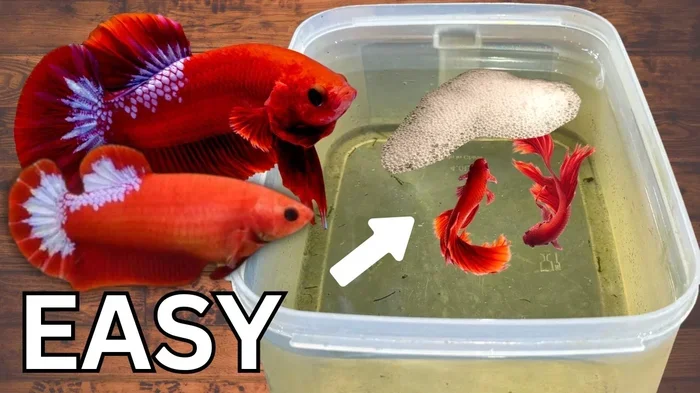
Betta fish, also known as Siamese fighting fish, reproduce through a process called spawning. During spawning, the female releases eggs, and the male fertilizes them externally. The male then collects the eggs and places them in a bubble nest he built at the water surface. This entire process is both exciting and delicate.
The number of offsprings varies widely. Many factors play a role, including the fish’s age, health, diet, and living conditions. In this article, we will walk through everything you need to know about betta fish offspring numbers, the breeding process, and how to care for baby bettas.
Before diving in, it helps to understand that breeding bettas is not just about numbers. It is about creating the right environment for healthy betta fish fry to thrive. Let us explore the details step by step.
How Many Offsprings Can a Betta Fish Produce
The short answer is 30 to 100 offsprings per spawning cycle. But the full picture is more nuanced. A healthy female betta fish can release anywhere from 30 to 100 eggs in a single spawn. In ideal conditions, some females have been known to produce up to 200 eggs.
However, the number of eggs laid does not equal the number of surviving offspring. Many eggs may not get fertilized. Others may not hatch. Some fry may not survive the first few days. So the real number of surviving betta fish offspring is usually lower than the total egg count.
Here is a quick breakdown of what to expect:
- First-time breeders: Often produce fewer eggs, around 30 to 50.
- Experienced, healthy females: Typically lay 50 to 100 eggs per spawn.
- Optimal conditions: Can push numbers toward 150 or even 200 eggs.
- Survival rate: Usually 50 to 80 percent of fertilized eggs hatch successfully.
If you want to learn more about the egg-laying process specifically, check out our guide on how many eggs does a betta fish lay. It covers the egg stage in great detail.
Why Numbers Vary So Much
Every betta fish is different. Just like humans, individual fish have biological variations that affect reproduction. A young, well-fed female in pristine water will generally produce more offsprings than an older fish kept in subpar conditions. Genetics also play a role. Some betta lineages are simply more fertile than others.
The Breeding Process Explained
Understanding how bettas breed helps you appreciate why offspring numbers can vary. The process has several clear stages, and each one affects the final count of surviving young.
Step 1: Preparing the Breeding Pair
Before spawning happens, you need a healthy male and female. Both fish should be at least 4 to 6 months old. The female should look plump and healthy, with a visible white egg spot on her belly. The male should display vibrant colors and build a strong bubble nest.
Step 2: The Spawning Dance
The male and female perform a courtship dance. The male wraps his body around the female, triggering her to release eggs. He then fertilizes them immediately. This process repeats several times over a few hours. The female can release all her eggs in one session or across multiple rounds.
Step 3: Bubble Nest Building
The male collects each egg and places it carefully into his bubble nest. A good bubble nest is essential. It keeps the eggs safe and at the water surface where they get the oxygen they need. If the nest is weak or poorly built, fewer eggs will survive.
After spawning, it is important to remove the female from the tank. The male can become aggressive and may harm her. You can learn more about betta fish behavior and safety in our article on handling betta fish safely.
Step 4: Egg Incubation
Betta fish eggs typically hatch within 24 to 72 hours. The male watches over the nest during this time. He picks up any fallen eggs and returns them to the nest. Once the eggs hatch, the fry are free-swimming and start looking for food.
Factors That Affect Offspring Numbers
Several key factors determine how many offsprings a betta fish can successfully produce. Let us look at each one closely.
Water Quality
Clean water is non-negotiable for breeding bettas. Ammonia and nitrite levels should be at zero. Nitrates should stay below 20 ppm. Poor water quality stresses both the male and female, which can reduce egg production and fertilization rates. Regular water changes before and during breeding make a big difference.
Temperature and Environment
Betta fish breed best in water temperatures between 78 and 82 degrees Fahrenheit. A stable temperature encourages spawning. Sudden temperature drops can stop the process entirely. A breeding tank with gentle filtration and plenty of hiding spots helps both fish feel safe.
Age and Health of the Fish
Younger, healthier bettas produce more offsprings. A female betta at peak breeding age, usually between 6 months and 1.5 years, will lay the most eggs. As fish age, their fertility naturally declines. Feeding a high-quality diet of live or frozen foods also boosts reproductive health.
Stress Levels
Stressed fish breed less successfully. Loud noises, sudden movements near the tank, and aggressive tankmates can all cause stress. Keeping the breeding setup calm and quiet helps the fish focus on reproduction.
Caring for Betta Fish Fry
Once the eggs hatch, the real work begins. Betta fish fry are incredibly tiny. They are about the size of a grain of rice. Caring for them requires patience and attention to detail.
For the first 24 to 48 hours, fry live off their yolk sacs. After that, they need to be fed very frequently. Infusoria or liquid fry food works well for the first week. As they grow, you can gradually introduce baby brine shrimp and micro worms.
Water changes are critical for fry. Because they are so small, even tiny amounts of ammonia can harm them. Use a turkey baster to remove uneaten food and waste daily. Replace only a small portion of the water, around 10 to 20 percent, every other day.
It is also important to separate fry from the male parent once they are free-swimming. The male may see them as food. As the fry grow, you can start sorting them by size and moving them into individual containers.
If you are interested in how long your bettas can live overall, our article on how long can a betta fish live covers lifespan in detail.
Growth Stages of Betta Fry
Betta fry grow quickly once they start eating. Here is what to expect:
- Week 1: Fry are still tiny and rely on infusoria or liquid food.
- Week 2: They become slightly larger and can eat baby brine shrimp.
- Week 3: Color starts to appear, and fins begin to develop.
- Month 1: Fry look like tiny versions of adult bettas.
- Month 2 to 3: They become more independent and can be moved to larger containers.
Remember that not all fry will survive. A realistic survival rate from egg to juvenile is around 50 to 70 percent. This is normal and nothing to worry about. Focus on giving the strongest fry the best care, and the numbers will take care of themselves.
As your fry grow, you might notice they are developing unique color patterns. For more information on how big betta fish can get, check out our guide on how big can a betta fish grow.
Common Mistakes Breeders Make
Even experienced hobbyists sometimes make mistakes during breeding. Here are the most common ones to avoid.
- Breeding too young or too old: Fish under 4 months or over 2 years may produce fewer healthy offsprings.
- Skipping the conditioning phase: Feeding the breeding pair high-quality food for 1 to 2 weeks before spawning improves egg quality and quantity.
- Leaving the female in the tank too long: The male can become aggressive after spawning. Remove the female once eggs are collected.
- Overfeeding the fry: Too much food fouls the water quickly. Feed small amounts 3 to 4 times a day.
- Ignoring water parameters: Fluctuations in pH, temperature, or ammonia levels can wipe out an entire spawn.
Another common mistake is breeding a female too frequently. A female betta needs time to recover between spawning cycles. Waiting at least 3 to 4 months between breeds helps her stay healthy and produce strong offsprings in future cycles.
Expert Tips for Maximizing Offspring Survival
Want to get the best results from your breeding efforts? Follow these expert-backed tips.
- Set up a dedicated breeding tank. A 5 to 10 gallon tank with gentle aeration and a sponge filter works perfectly. Keep it separate from your main display tank.
- Use a divider or breeder box. This allows the male and female to see each other without direct contact until they are ready to spawn.
- Maintain a consistent light cycle. 8 to 10 hours of light per day helps regulate the breeding behavior and keeps the bubble nest stable.
- Add floating plants. Plants like Java moss or floating fern give fry places to hide and graze on infusoria.
- Monitor the bubble nest daily. If the nest breaks apart, the male may stop caring for the eggs. A stable nest leads to better hatch rates.
These simple steps can significantly improve your success rate. Patience is key. Not every spawn will be perfect, and that is okay. Each breeding attempt teaches you something new about your fish.
For more betta fish care tips, visit our full library of guides at Betta Fish Info. We cover everything from feeding schedules to tank setup and health monitoring.
Conclusion
So, how many offsprings can a betta fish produce? The answer is 30 to 100 eggs per spawn, with some exceptional cases reaching up to 200. However, the number of surviving fry depends on water quality, care, and a bit of luck. By understanding the betta fish reproduction process and following the tips in this guide, you give your offspring the best chance at a healthy life.
Breeding betta fish is a rewarding hobby. Whether you are a beginner or a seasoned aquarist, watching a new generation of betta fish fry grow and develop their colors is truly special. Start with healthy fish, maintain clean water, feed properly, and be patient. The results will follow.
Remember, every successful spawn is a learning experience. Keep records of your breeding attempts, track what works, and adjust your approach over time. Your future broods will thank you for it.
Frequently Asked Questions
How many times can a betta fish breed in its lifetime?
A healthy female betta can breed every 3 to 4 months. Over her lifespan, she may produce several hundred offsprings total. However, breeding too frequently can weaken her health and reduce egg quality over time.
Do male or female betta fish produce the offsprings?
The female betta fish produces the eggs, while the male fertilizes them and cares for them. So the female is responsible for the number of eggs, but the male plays a critical role in how many actually survive to become fry.
Can you keep all the betta fry together?
No, you should not keep all fry together for long. As they grow, they become territorial. Separate them into individual containers once they are about 1 inch long to prevent fighting and stress.
What is the survival rate of betta fish fry?
Typically, 50 to 70 percent of fertilized eggs survive to the juvenile stage. Survival rates depend heavily on water quality, feeding practices, and how well you protect the fry from predators, including the male parent after spawning.
How long does it take for betta offsprings to become independent?
Betta fry become fully independent within 4 to 6 weeks. They start eating on their own after the first few days and can be moved to separate containers once they reach about 1 inch in length.
Does the age of the betta fish affect how many offsprings it can produce?
Yes, age is a major factor. Young bettas between 6 months and 1.5 years old produce the most offsprings. Older fish may lay fewer eggs, and very young fish under 4 months may not breed successfully at all.