How Many Betta Fish Can You Have in a Tank
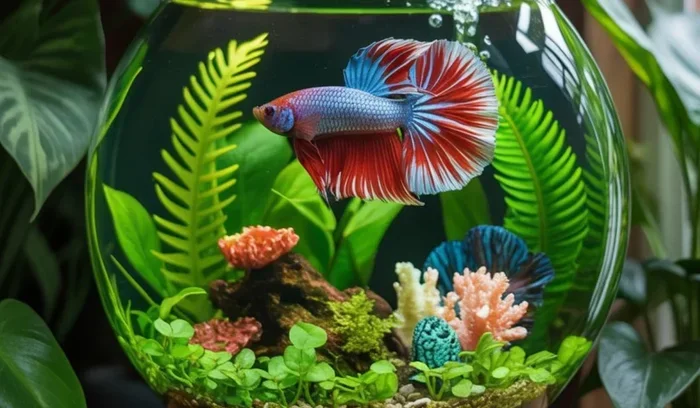
So, how many betta fish can you have in a tank? The answer depends on tank size, gender, and setup. A single betta needs at least 5 gallons, while a betta sorority tank works best at 20 gallons or more. Overcrowding causes stress, disease, and aggression in betta fish.
So you want to know how many betta fish can you have in a tank. It is a great question, and the answer is not as simple as you might think. Many new fish keepers assume a betta can live happily in a tiny cup or bowl. That is a myth. Betta fish are active, curious creatures that need room to swim and explore.
The number of bettas you can keep depends on several factors. Tank size, fish gender, and tank setup all play a role. In this guide, we will walk you through everything you need to know. By the end, you will have a clear answer for your own setup. Let us dive in.
Key Takeaways
- One Betta Per Tank: A single male betta needs a minimum of 5 gallons to thrive.
- Female Betta Groups: You can keep 4-6 female bettas together in a 20-gallon tank or larger.
- Tank Size Matters: Bigger tanks reduce aggression and make water quality easier to maintain.
- Male Bettas Are Solitary: Two male bettas will fight, sometimes fatally, if housed together.
- Community Tanks Work: You can put other fish in a betta tank with the right tank mates and enough space.
- Watch for Stress Signs: Clamped fins, color fading, and hiding are signs your tank is too crowded.
📑 Table of Contents
- How Many Betta Fish Can You Have in a Tank: The Basics
- Male vs Female Betta Fish: How Gender Affects Stocking
- Can You Keep Multiple Male Bettas Together?
- How to Set Up a Multi-Betta Tank
- Common Mistakes People Make With Betta Stocking
- What Tank Mates Work Best With Bettas?
- Signs Your Tank Is Overcrowded
- Key Takeaways
- Final Thoughts
How Many Betta Fish Can You Have in a Tank: The Basics
The short answer is one male betta per tank. Male bettas are highly territorial. They will flare at their own reflection and attack other males. Housing two males together is a recipe for disaster. Even if you try keeping two male betta fish in one tank, the results are usually tragic.
But what about female bettas? Female bettas can live together in groups called sororities. A sorority tank needs at least 20 gallons. You should keep 4 to 6 females in that space. This gives each fish room to claim her own territory. It also reduces stress and bullying.
Why Tank Size Is So Important
Tank size is the number one factor in betta fish stocking. A tiny tank does not just limit swimming space. It also causes water quality problems. Waste builds up fast in small tanks. Ammonia spikes can harm or kill your fish quickly.
Here is a simple breakdown of tank sizes and what they can support:
- 1-3 gallons: One betta only. No other fish. No room for anything else.
- 5 gallons: One betta comfortably. This is the minimum recommended size.
- 10 gallons: One betta with a few peaceful tank mates. A good starting point.
- 20 gallons: A betta sorority of 4-6 females. Or one male with several peaceful companions.
- 29 gallons and up: Multiple bettas or a diverse community tank. More room for everyone.
Remember, bigger is always better. A larger tank gives you more stable water parameters. It also gives your fish more room to swim and explore. If you are serious about betta keeping, invest in the largest tank you can fit.
Male vs Female Betta Fish: How Gender Affects Stocking
Gender is the second biggest factor when deciding how many betta fish can you have in a tank. Male and female bettas have very different social needs. Understanding these differences is key to keeping healthy fish.
Male Betta Fish
Male bettas are solitary by nature. They build bubble nests and defend territories. In the wild, a male betta claims a small area of rice paddy or shallow stream. He will fight any other male that enters his space.
Because of this, you should never house two male bettas together. Even a tank divider may not work. The fish will flare at each other constantly. This causes stress, which leads to health problems. A stressed betta may stop eating, lose color, or develop fin rot.
You can keep one male betta with some peaceful community fish. Good tank mates include corydoras catfish, neon tetras, and ghost shrimp. Just make sure the tank is at least 10 gallons. This gives everyone enough space to coexist peacefully.
Female Betta Fish and Sorority Tanks
Female bettas are more social than males. They can live together in groups called sororities. But this only works in a large enough tank. A 20-gallon tank is the minimum for a sorority of 4 to 6 females.
Setting up a betta sorority tank takes planning. You need plenty of hiding spots and plants. These break up lines of sight and give each fish a place to retreat. Decorations and rocks create natural boundaries. They help reduce aggression between females.
You should also watch for signs of bullying. One female may chase the others or nip at their fins. If this happens, you may need to remove the aggressor. A two-betta setup can work too, but it still needs at least 10 gallons.
Can You Keep Multiple Male Bettas Together?
The honest answer is no. Keeping multiple male bettas in one tank is risky and usually unsuccessful. Male bettas will fight to the death if given the chance. Even if they do not kill each other, the stress weakens their immune systems.
Some hobbyists use tank dividers to keep males in the same aquarium. This can work, but it is not ideal. The fish can still see and flare at each other. This causes constant stress. It is better to give each male his own tank.
If you want to keep multiple bettas, consider a female sorority instead. Or keep one male in a large community tank with suitable mates. Putting other fish in a betta tank is possible with the right choices.
How to Set Up a Multi-Betta Tank
If you have decided to keep more than one betta, you need to plan the setup carefully. A poorly planned tank leads to fighting, disease, and dead fish. Take your time and get it right.
Step 1: Choose the Right Tank Size
Start with the largest tank you can afford and fit. For a sorority of females, go with 20 gallons or more. For a community tank with one male, 29 gallons gives you room for several tank mates.
Step 2: Add Plenty of Hiding Spots
Use plants, rocks, and caves to break up the tank. Dense plants like java moss and amazon sword create natural barriers. Each betta needs a spot she can call her own. This reduces territorial disputes.
Step 3: Cycle the Tank Before Adding Fish
A cycled tank has beneficial bacteria that process waste. This keeps ammonia and nitrite levels at zero. Adding fish to an uncycled tank is dangerous. Use a liquid test kit to monitor water parameters. Wait until the cycle is complete before introducing any bettas.
Step 4: Introduce Fish Slowly
Do not add all your bettas at once. Introduce them one at a time. Watch for aggression after each addition. If fighting occurs, remove the aggressor immediately. Give the tank time to settle between additions.
Common Mistakes People Make With Betta Stocking
Even experienced fish keepers make mistakes when stocking betta tanks. Here are the most common errors to avoid.
- Overcrowding: Too many fish in too small a space. This leads to poor water quality and stress.
- Mixing Two Males: Never house two male bettas together. It always ends badly.
- Ignoring Tank Mates: Not all fish get along with bettas. Avoid fin-nippers and aggressive species.
- Skipping the Cycle: An uncycled tank is toxic. Always cycle before adding fish.
- Too Many Decorations: You need open swimming space. Do not fill the tank with clutter.
Each of these mistakes can cost your fish their health or their life. Take the time to research and plan. Your bettas will live longer and happier lives.
What Tank Mates Work Best With Bettas?
If you want to add other fish to a betta tank, choose your tank mates carefully. Some fish are peaceful and get along well with bettas. Others will cause problems. Here are some great options:
- Corydoras Catfish: Bottom dwellers that stay out of the betta’s way.
- Neon Tetras: Small, peaceful, and colorful. They add activity to the tank.
- Ghost Shrimp: Inexpensive cleaners that help keep the tank tidy.
- Snails: Nerite snails and mystery snails are great additions. They eat algae and never bother bettas.
- Kuhli Loaches: Eel-like fish that stay hidden during the day and come out at night.
Always research any fish before adding it to your tank. Some species are too aggressive or too active for bettas. And remember, how many betta fish can you have in a tank also depends on how many other species you plan to keep.
Signs Your Tank Is Overcrowded
Even with the best planning, overcrowding can happen. Watch your fish for these warning signs:
- Clamped fins: Fish holding fins close to their body signal stress.
- Loss of color: A faded appearance often means poor water quality or anxiety.
- Hiding constantly: If your betta hides all the time, something is wrong.
- Aggression: Flaring, chasing, and nipping are signs of territorial stress.
- Breathing heavily: Rapid gill movement can indicate low oxygen or high ammonia.
If you notice any of these signs, test your water immediately. Do a partial water change and check your stocking levels. Sometimes the fix is as simple as moving a fish to a different tank.
Key Takeaways
- One Male Betta Per Tank: Male bettas are solitary and territorial. Never house two males together.
- Female Sororities Work: Keep 4 to 6 females in a 20-gallon tank or larger with plenty of plants and hiding spots.
- Tank Size Is Critical: Bigger tanks provide stable water conditions and reduce aggression.
- Choose Tank Mates Wisely: Peaceful species like corydoras, tetras, and snails make great companions.
- Cycle Before Adding Fish: A properly cycled tank keeps ammonia and nitrite at safe levels.
- Watch for Stress Signals: Clamped fins, color loss, and hiding are early signs of overcrowding or poor water quality.
How many betta fish can you have in a tank comes down to tank size, gender, and setup. A single male betta thrives in a 5-gallon tank or larger. A group of female bettas needs at least 20 gallons. And a community tank with one male and peaceful mates works best at 29 gallons or more.
The most important thing is to give your fish enough space and a healthy environment. A well-planned tank leads to happy, colorful bettas that bring joy for years. Take your time, do your research, and enjoy the process of building a great aquarium.
Final Thoughts
Keeping betta fish is a rewarding hobby. But it comes with responsibility. Understanding how many betta fish can you have in a tank is the first step toward success. Whether you keep one male, a sorority of females, or a community setup, the key is planning and care.
Start with the right tank size. Choose compatible tank mates. Monitor your water quality. And always watch your fish for signs of stress. A little effort goes a long way. Your bettas will thank you with vibrant colors and lively behavior every day.
Remember, every tank is different. What works for one fish keeper may not work for another. Use the guidelines in this article as a starting point. Adjust based on your own setup and experience. The more you learn, the better your fish will thrive.
Frequently Asked Questions
Can I keep two male betta fish in the same tank?
No, you should never keep two male bettas together. They are highly territorial and will fight, often resulting in injury or death. Even a tank divider does not fully prevent stress from constant flaring and aggression.
How many female bettas can I keep together?
You can keep 4 to 6 female bettas together in a sorority tank. The minimum tank size for this is 20 gallons. More space is always better, as it gives each fish room to establish her own territory and reduces bullying.
What is the minimum tank size for one betta fish?
The minimum tank size for a single betta is 5 gallons. While bettas can survive in smaller containers, a 5-gallon tank provides enough space for swimming, filtration, and stable water parameters. Larger tanks are always better for long-term health.
Can bettas live with other fish species?
Yes, bettas can live with certain peaceful fish species. Good tank mates include corydoras catfish, neon tetras, ghost shrimp, and snails. Avoid aggressive or fin-nipping species, and always ensure the tank is large enough for all inhabitants.
How do I know if my betta tank is overcrowded?
Signs of overcrowding include clamped fins, loss of color, constant hiding, aggression, and heavy breathing. If you notice these signs, test your water parameters immediately and consider reducing the number of fish or upgrading to a larger tank.
Does tank size affect betta fish behavior?
Yes, tank size has a big impact on betta behavior. A small tank causes stress and increases aggression. A larger tank provides more swimming space, better water quality, and opportunities for natural behaviors like exploring and building bubble nests.