When Is Breeding Season for Betta Fish
Contrary to popular belief, betta fish do not have a strict, single breeding season. In their natural tropical habitat, they can spawn year-round, with peak activity often linked to warmer temperatures and abundant food. However, in captivity, successful breeding is dictated by replicating ideal environmental conditions—primarily consistent warm water (78-80°F), proper nutrition, and stable parameters—rather than a calendar date. With diligent conditioning of the breeding pair and careful setup, you can encourage spawning at any time of the year. Understanding the triggers and processes is far more critical than waiting for a specific season.
So, you’ve fallen in love with the flowing fins and vibrant personalities of betta fish, and now you’re dreaming of raising your own little fry. You’ve heard other aquarists talk about “breeding season” and are wondering, “When is the right time to try this with my bettas?” It’s an excellent and responsible question. For years, the prevailing wisdom has been that bettas, like many animals, have a specific breeding season—often thought to be in the spring. But here’s the fascinating truth: Siamese fighting fish, or Betta splendens, are essentially year-round breeders in the right conditions. Their native home in the shallow, warm rice paddies and slow-moving streams of Thailand and Cambodia doesn’t experience dramatic seasonal shifts. Instead, they respond to consistent environmental cues. This means your quest isn’t about checking a calendar, but about becoming a master of your aquarium’s microenvironment. Let’s dive deep into the real factors that determine the perfect moment for your bettas to spawn.
Key Takeaways
- Year-Round Potential: Betta fish are not seasonal spawners; they can breed any month if provided with optimal, stable warm water conditions (78-80°F) and proper nutrition.
- Temperature is Key: Water temperature is the single most important environmental trigger. Consistent warmth mimics their equatorial habitat and stimulates reproductive hormones.
- Conditioning is Mandatory: Both male and female bettas must be fed a high-protein, high-quality diet for 2-4 weeks prior to introduction to build energy and enhance color for successful courtship.
- The Male Builds the Nest: A healthy male will instinctively build a bubble nest when ready to spawn, regardless of the calendar month. This is the primary visual sign of readiness.
- Stability Over Season: Sudden changes in water parameters (pH, hardness, temperature) will halt breeding attempts. Stable, pristine water is more important than the time of year.
- Fry Care is Intensive: Successful spawning is only the first step. Raising betta fry requires a separate, meticulously maintained nursery tank for 3-4 months until they are fully developed.
- Spring Myth: The idea of a “spring breeding season” comes from temperate fish and is largely a myth for tropical bettas. Their breeding is driven by resource abundance (food, warm water), not daylight length or season.
📑 Table of Contents
- Debunking the Myth: Do Betta Fish Have a True “Season”?
- The Primary Trigger: Mastering Water Temperature
- Conditioning the Pair: Feeding for Fertility
- Environmental Cues Beyond Temperature
- The Spawning Process: A Delicate Dance
- Raising Fry: The Real Work Begins
- Troubleshooting: Why Isn’t My Pair Spawning?
Debunking the Myth: Do Betta Fish Have a True “Season”?
The concept of a defined breeding season is deeply ingrained in animal husbandry. We think of puppies in spring, kittens in warmer months, and many birds nesting as days lengthen. For temperate species, seasonal changes in temperature, daylight hours, and food availability are hardwired signals for reproduction. But bettas are equatorial tropical fish. In the wild, the temperature hovers between 75°F and 85°F (24°C-29°C) all year. There is no winter freeze, no dramatic drop in daylight hours. Resources—insects, plant matter—can be available throughout the year, though perhaps with some fluctuation.
The Origin of the “Spring” Idea
So where does the “spring breeding season” idea come from? It likely stems from two sources. First, early aquarium hobbyists in temperate climates often found their fish were more active and healthier in the warmer spring and summer months. They naturally associated this general vitality with breeding. Second, many common pet fish (like goldfish or many cichlids from seasonal lakes) do have strong seasonal triggers. This concept was simply applied to bettas by default. In reality, a betta living in a climate-controlled home in New York in December is experiencing a more “natural” environment for its species than a wild betta might during a rare, slightly cooler rainy season.
What the Science and Experience Tell Us
Decades of dedicated breeders’ experiences, combined with observations of wild betta behavior, confirm that bettas are opportunistic spawners. When conditions are prime—meaning warm, clean water and ample high-energy food—they are physiologically ready to reproduce. There is no internal clock that says, “It’s March, time to make a bubble nest.” Instead, there is an internal drive that is activated by external stimuli. This is fantastic news for the dedicated aquarist! It means that with careful management, you can potentially achieve multiple spawns from a healthy pair throughout the year. However, this also places the responsibility entirely on you to provide those stimuli consistently.
The Primary Trigger: Mastering Water Temperature
If we had to crown a single most important factor for initiating betta breeding, it would be water temperature. This isn’t just about keeping the water “warm.” It’s about maintaining a specific, stable, and optimal temperature range that directly influences the betta’s metabolism and reproductive hormone production.
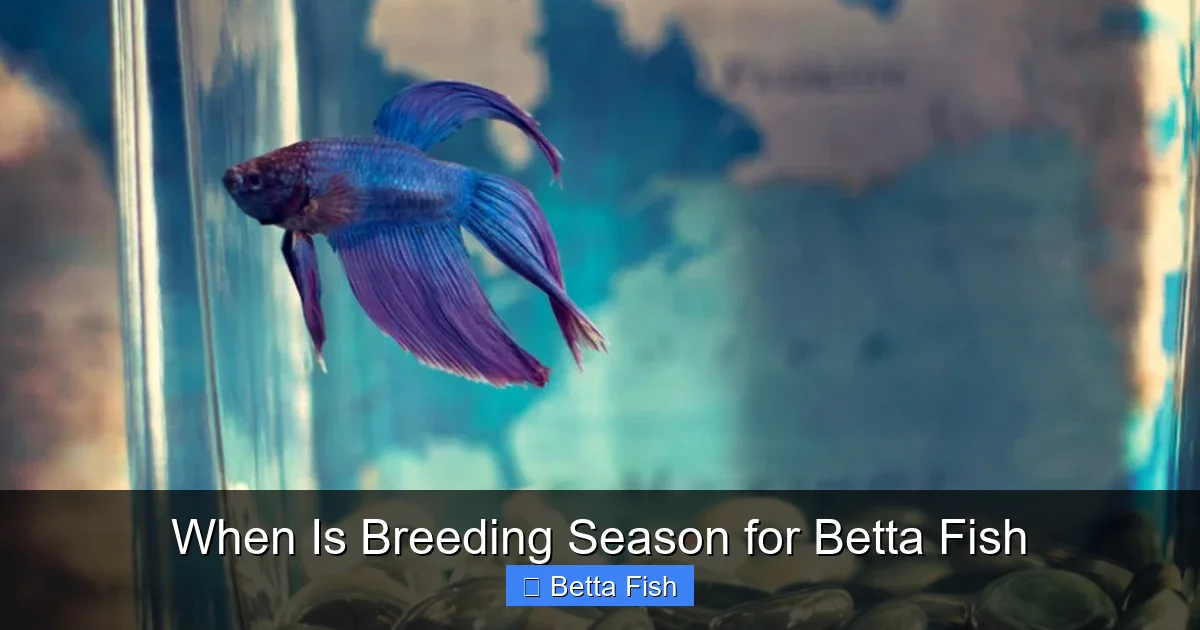
Visual guide about When Is Breeding Season for Betta Fish
Image source: japanesefightingfish.org
The Goldilocks Zone: 78-80°F (25.5-26.5°C)
While bettas can survive in a wider range (typically 76-82°F), the sweet spot for encouraging breeding behavior is a consistent 78-80°F (25.5-26.5°C). At this temperature, their metabolism is humming. They are active, alert, and their bodies are primed for the high-energy process of courtship, nest-building, and spawning. Dropping even a few degrees can slow their systems dramatically. A male might still build a nest at 76°F, but it may be smaller and less robust, and the pair may show little interest in actual spawning. Conversely, temperatures consistently above 82°F can stress the fish, accelerate metabolism to an unhealthy pace, and reduce lifespan.
Consistency is Non-Negotiable
It’s not just about hitting 79°F once. It’s about maintaining that temperature 24 hours a day, 7 days a week, with minimal fluctuation (no more than 1-2 degrees). Sudden drops, even from 80°F to 76°F, can shock the system and abort a breeding attempt. This is why a reliable, high-quality aquarium heater with a thermostat is the first piece of equipment for any serious betta breeder. Use a separate, accurate thermometer to verify the heater’s reading. During the crucial conditioning and spawning period, check the temperature daily. In the winter, ensure the room isn’t drafty; in summer, monitor for overheating from ambient heat or lighting.
Practical Tip: The Temperature Ramp
When you begin your conditioning process (more on this soon), start by ensuring your tanks are already at the target 78-80°F. If a fish has been living at 76°F, don’t shock it by immediately raising the heat. Increase the temperature by 1 degree per day until you reach the target. This gentle ramp allows the betta’s system to adjust smoothly, preventing stress that could inhibit breeding behaviors.
Conditioning the Pair: Feeding for Fertility
You could have water at a perfect 79°F, but if your bettas are thin, pale, and lethargic, nothing will happen. Breeding is an energetically expensive endeavor. The male will spend hours building a meticulous bubble nest. The pair will engage in an elaborate, sometimes exhausting, courtship dance. The female will produce hundreds of eggs. All of this requires premium fuel. Conditioning is the 2-4 week process of feeding your future breeders a rich, high-protein diet to put them in peak physical condition.
Visual guide about When Is Breeding Season for Betta Fish
Image source: japanesefightingfish.org
For the Male: Building Energy and Color
The male’s job is to build the nest and guard the eggs/fry. He needs energy and vibrant colors to attract a female and assert his paternal role. His diet during conditioning should be 40-50% protein. Rotate between:
- High-Quality Pellets: Use a reputable brand formulated for bettas or carnivorous fish as a base.
- Live or Frozen Foods: These are the ultimate conditioning foods. Daphnia (water fleas) are excellent for digestion and providing nutrients. Brine shrimp (newly hatched or frozen) are a classic. Bloodworms (frozen, not live, to avoid parasites) are a rich treat.
- Frequency: Feed 2-3 small meals per day, only what he can consume in 2-3 minutes. Remove uneaten food promptly to maintain water quality.
For the Female: Developing Eggs
The female’s body is literally manufacturing eggs. She needs nutrients to develop a large, healthy clutch of eggs. Her diet is similar but with a focus on foods that are easy to digest and rich in vitamins. Overfeeding a female can lead to constipation, which is a serious problem during spawning (it can cause egg-binding). Her conditioning diet should include:
- High-Protein Pellets
- Daphnia: This is particularly good for females as it acts as a gentle laxative, helping to prevent constipation.
- Blanched Vegetables: A small piece of blanched spinach or zucchini once a day can provide fiber and vitamins. Ensure it’s removed after a few hours.
Watch for the female to develop a noticeable, soft bulge in her abdomen. This is the egg mass, or “gravid spot.” It should be round and smooth, not hard or bloated (which indicates constipation or internal infection).
Water Quality During Conditioning
All this rich food will foul the water quickly. During conditioning, perform small (20-25%), frequent water changes (every 2-3 days) with water that is pre-mixed to the exact same temperature and pH as the tank. Use a water conditioner to remove chlorine and heavy metals. Pristine water is essential for getting both fish into the right hormonal state.
Environmental Cues Beyond Temperature
While temperature is king, it rules a kingdom of other factors. A betta assessing its environment for breeding suitability looks at the whole picture.
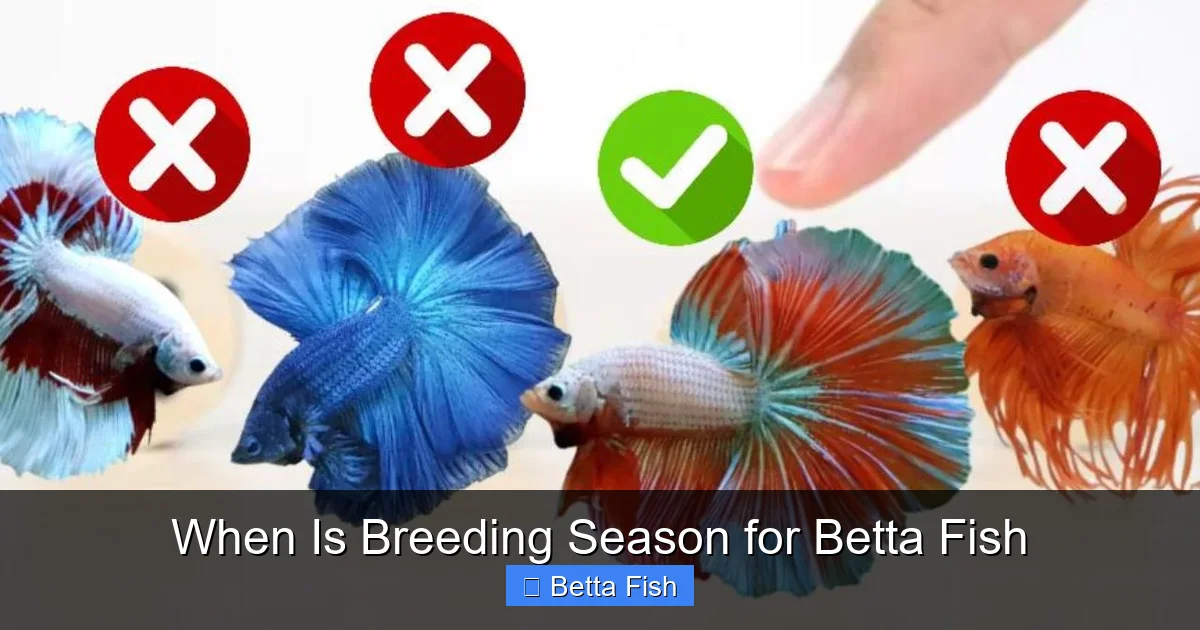
Visual guide about When Is Breeding Season for Betta Fish
Image source: tamilaquadiary.com
The All-Important Bubble Nest
The male’s bubble nest is the most undeniable sign that he is ready to spawn. He will gather air from the surface and coat each bubble with saliva, creating a sticky, durable structure. This is not just a nest; it’s a declaration of intent and a display of his fitness. The appearance of a substantial bubble nest is your green light to introduce a conditioned female. Nests can be tiny and sparse or large and complex, spanning the corner of the tank. Don’t force the issue if no nest appears after 2 weeks of perfect conditioning and temperature—reassess your water parameters and diet.
Water Parameters: The Invisible Messengers
Bettas are somewhat adaptable, but for breeding, they want stability and specific ranges.
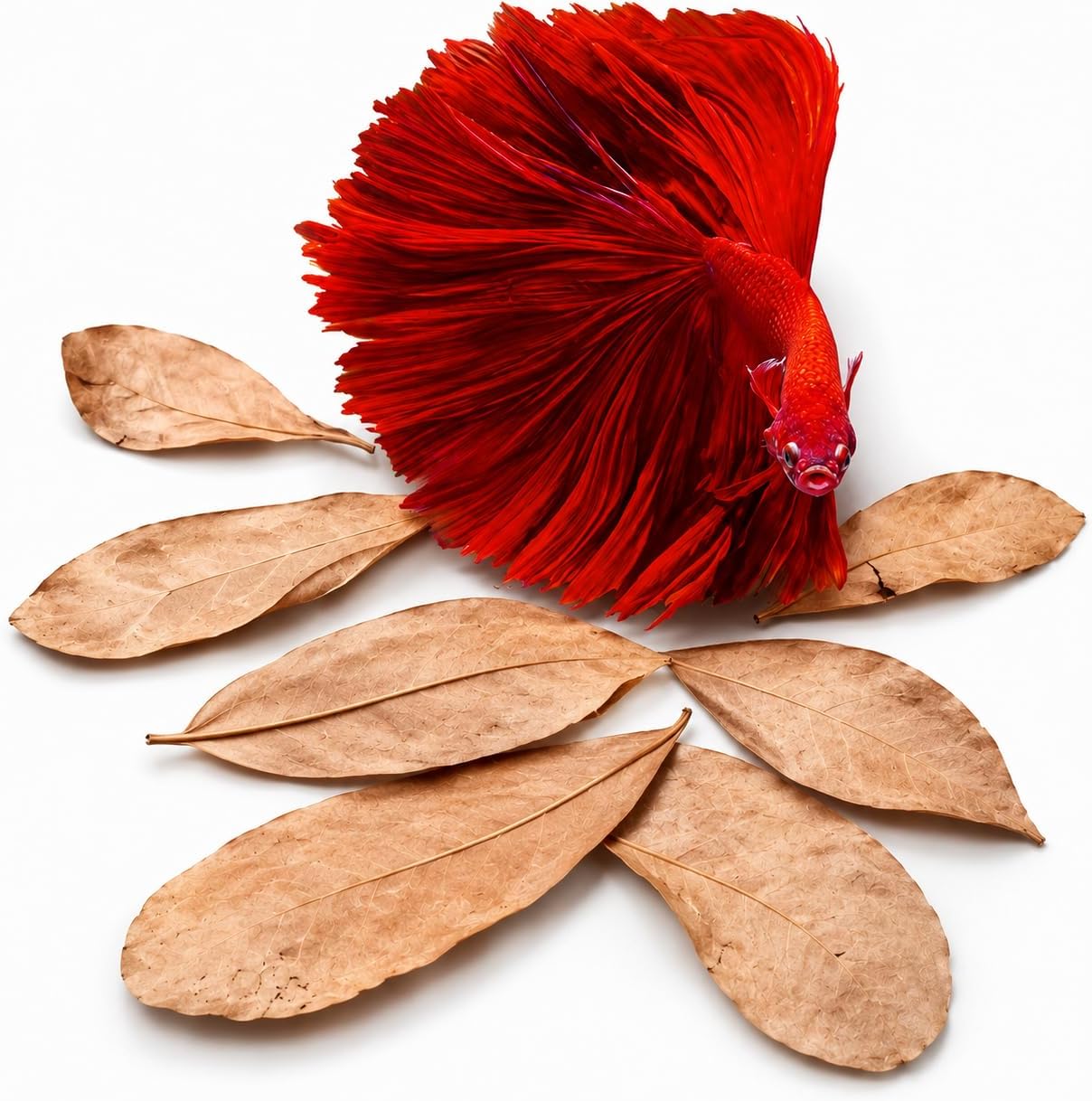
- pH: Aim for a slightly acidic to neutral pH, between 6.5 and 7.2. This mimics their natural tannin-stained waters. Use natural methods like Indian almond leaves (IAL) or driftwood to gently lower pH, rather than harsh chemical adjusters.
- Hardness (GH/KH): Soft to moderately soft water is preferred (3-8 dGH). High mineral content can interfere with egg development.
- Ammonia/Nitrite: Must be ZERO. Any detectable level is toxic and will stop all breeding behavior.
- Nitrate: Should be kept below 20 ppm through regular water changes.
The use of Indian almond leaves is a powerful tool. As they decompose, they release tannins that lower pH, soften water, and have mild antibacterial and antifungal properties—creating a “jungle floor” environment that bettas instinctively associate with safe, suitable spawning grounds.
Tank Setup and Lighting
The breeding tank itself should be small (5-10 gallons is plenty), with a bare bottom or fine, dark sand. Include a few live or silk plants (like java moss) for the female to hide in if she feels threatened, and a tall, smooth-leafed plant or a piece of vertical spawning mop near the surface for the male to anchor his nest to. Lighting should be dim. In the wild, they spawn under the dense canopy of vegetation. Bright overhead lights are stressful. Use a single, low-wattage bulb or cover part of the tank to create shaded areas.
The Spawning Process: A Delicate Dance
Once your male has built a respectable bubble nest and you have a conditioned, plump female, it’s time for the introduction. This is a critical, hands-on phase that requires your careful observation and potential intervention.
Introducing the Female
Never just drop the female into the male’s breeding tank. Use a breeder box or a divider to introduce her to the male’s sight while keeping them physically separated. This “flirtation” period allows the male to see her and become more focused on his nest. It also lets you observe his reaction. A interested male will flare at the divider, display his best colors, and tend to his nest. An aggressive, frantic male who tries to attack the divider immediately may not be a good candidate for this pairing. Give them 24-48 hours in this setup.
The Nuptial Embrace
When you release the female into the main tank (ideally at night or in low light), watch for the male to court her. He will flare, spread his fins, and lead her under the bubble nest. The actual spawning is a mesmerizing, physical process. The male wraps his body around the female, she releases eggs, and he simultaneously releases milt to fertilize them. He then carefully retrieves the sinking eggs with his mouth and spits them up into the bubble nest. This can happen dozens of times in a single session, with the pair resting between “embraces.” Do not intervene unless the male is violently attacking the female, drawing blood. Some chasing and nipping at her fins is normal as he herds her under the nest.
Post-Spawn: The Protective Father
Once spawning is complete (which can take several hours), the male’s sole job is to guard the nest. He will meticulously tend to it, adding bubbles, retrieving any fallen eggs, and keeping a watchful eye. The female must be removed immediately after spawning. In the wild, she would leave. In a confined tank, the male will see her as a threat to his nest and may kill her. Gently net her out and return her to her recovery tank.
Raising Fry: The Real Work Begins
Congratulations! You have a nest full of 30-200 tiny, transparent betta eggs. But your work has just begun. The first 72 hours are the most critical. The male will care for the nest, but he is not infallible. You must be a silent supervisor.
The First Week: Infants
For the first 2-3 days, the eggs will hatch into “wigglers.” They are still attached to the yolk sac and will not swim. They remain in the nest. The male guards them fiercely. On days 3-4, the yolk sac is absorbed, and the fry become free-swimming. At this moment, they are tiny, almost invisible specks. This is when you must remove the male. His job is done, and he may start eating his own fry now that they are mobile. Gently net him out and return him to his own tank. He will be exhausted and needs a recovery period with high-quality food.
Feeding the Microscopic Fry
For the first week, the fry need food smaller than dust. Their mouths are microscopic. Your options are:
- Infusoria: A culture of microscopic organisms. The gold standard, but requires starting a culture days in advance.
- Commercial Fry Food: Liquid or powdered fry foods designed for egg-layer fry.
- Microworms: A small nematode worm, slightly larger than infusoria, introduced around day 5-7.
Feed tiny amounts 3-4 times a day. The water will become cloudy from excess food. Perform tiny (5-10%) daily water changes with a turkey baster or very gentle siphon to remove detritus from the bottom, using a sponge filter on a very low flow to provide gentle circulation without sucking up fry.
The Long Road to Adulthood
As the fry grow (over 4-8 weeks), you can gradually introduce larger foods: newly hatched brine shrimp, finely crushed high-quality pellets. At about 4-6 weeks, you will see their colors and fin shapes begin to develop. This is when you must start culling. Not all fry will be healthy or meet your breeding goals. Separating the most vigorous, fastest-growing individuals into separate grow-out tanks is necessary to prevent overcrowding and stunting. At 3-4 months, they are considered juveniles and can be sexed (males develop longer fins and more aggressive behavior). At this point, you must house them individually in separate containers or tanks, as bettas are solitary and will fight. Raising a full clutch to adulthood is a significant commitment of space, time, and resources.
Troubleshooting: Why Isn’t My Pair Spawning?
Even with perfect timing and conditioning, things can go wrong. Here are the most common reasons for a failed breeding attempt and how to fix them.
No Bubble Nest
Re-check your water temperature first and foremost. Is it truly stable at 78-80°F? Is the water quality pristine? Is the male healthy and eating well? Some males are simply slow or lazy nest builders. Try adding a piece of a Styrofoam cup to the surface—the porous texture makes it much easier for them to anchor bubbles. Ensure there is no surface agitation from filters or air stones that would destroy nascent nests.
The Pair Ignores Each Other
This often points to one or both fish not being fully conditioned. Go back to the high-protein diet for another week. Check for signs of illness or stress (clamped fins, lethargy, loss of appetite). Sometimes, the pair simply isn’t compatible. Not all bettas will like each other. If after a proper introduction they show no interest, it may be best to try a different pairing.
Spawning Starts But Eggs Are Lost
If the pair embraces but no eggs appear or they fall to the bottom, the male may not be fertilizing properly (a sign of poor conditioning or age) or the female may not be releasing eggs. Ensure the female is truly plump and ripe. Sometimes, a very young or old pair struggles. Also, check water parameters again. Stress from poor water can cause the female to abort the spawn. If eggs are released but fall, the male may be a inexperienced or careless. You can try carefully scooping them up with a spoon and placing them gently into the bubble nest, but this is a last-resort, high-risk intervention.
The Male Eats the Eggs
This is common with first-time or inexperienced males. Sometimes, he simply doesn’t recognize the eggs as his own. If he is actively eating them, he may need to be removed. You can then attempt to save the eggs by carefully transferring them to a separate hatching tank with methylene blue or an antifungal, but this is extremely delicate work with betta eggs due to their tiny size and the bubble nest structure. Often, it’s best to let nature take its course and try again with a more experienced male.
Frequently Asked Questions
Can betta fish breed in the winter or summer?
Yes, absolutely. Bettas can breed in any season as long as their tank water is kept at a stable, optimal breeding temperature of 78-80°F. Your home’s heating or air conditioning system, not the outdoor season, dictates their environment. Focus on maintaining perfect water conditions year-round.
What is the main visual sign that a male betta is ready to spawn?
The primary and most reliable sign is the construction of a bubble nest. When a male betta is in breeding condition, he will instinctively gather air from the surface and create a cluster of sticky bubbles, usually in a corner or under a plant leaf. This nest-building is the definitive indicator he is ready for a female.
How do I know if my female betta is ready to breed?
A conditioned, ripe female will show a distinct, soft, round bulge in her abdomen (the gravid spot). She may also display vertical light-colored stripes on her body (barring), though not all females show this. Her behavior may become slightly more reclusive. The most important factor is that she is plump from a high-protein diet but not constipated (her abdomen should be smooth, not hard or swollen on one side).
Should I change the water in the breeding tank during spawning?
No. Once the male has built a bubble nest and you have introduced the female, you should avoid any major water changes or disturbances. The goal is to let the pair spawn in a completely stable, undisturbed environment. Small, temperature-matched top-offs to account for evaporation are acceptable, but do not perform siphoning or large water changes during this critical 24-48 hour window.
Is it okay to breed a betta that is too young or too old?
It’s not recommended. Bettas are usually sexually mature at 4-5 months old. Breeding them younger than 3-4 months can result in small, low-quality spawns and can stunt the female’s growth. Breeding fish over 2-3 years old often leads to reduced fertility, smaller egg clutches, and higher rates of deformities in fry. Aim to breed bettas in their prime, between 8 months and 2 years of age.
How long after spawning do the eggs hatch?
Betta fish eggs typically hatch within 24-36 hours after fertilization, depending on water temperature. At the optimal 78-80°F, you can expect to see tiny fry (called “wigglers”) hanging from the bubble nest after about 24 hours. They will remain attached to their yolk sacs and in the nest for another 2-3 days before becoming free-swimming.