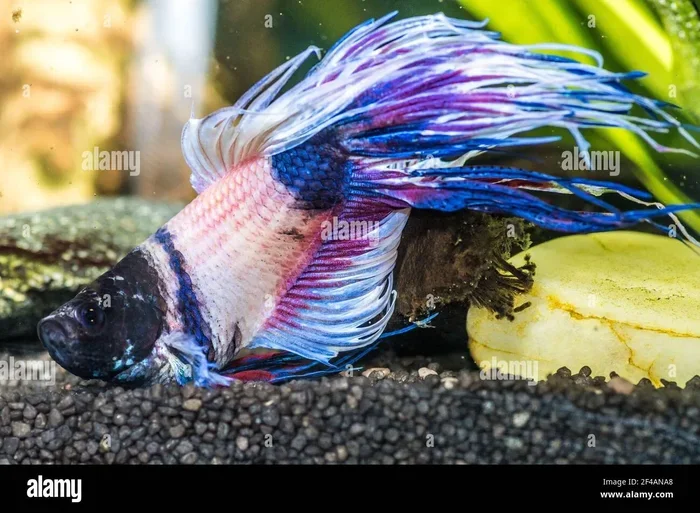
How Long Do Betta Fish Love
Betta fish can live 3 to 5 years on average, but with proper care, some thrive for up to 7 years. Building a strong emotional bond with your betta fish is possible through consistent interaction, a clean tank, and a healthy diet. This guide covers everything you need to know about betta fish lifespan, bonding, and how to extend their life.
Key Takeaways
- Betta fish lifespan: Most bettas live 3 to 5 years in captivity with good care.
- Emotional bonding: Bettas can recognize their owners and respond to their presence over time.
- Tank conditions matter: A 5-gallon or larger tank with clean water significantly boosts betta fish longevity.
- Diet affects health: A varied diet of pellets, flakes, and live food supports a longer, healthier life.
- Common mistakes shorten life: Overfeeding, small bowls, and poor water quality are the top killers of betta fish.
- Female bettas may live longer: Female betta fish sometimes outlive males when kept in proper conditions.
- Signs of aging: Knowing how to spot a dying betta fish helps you provide comfort in their final days.
📑 Table of Contents
- How Long Do Betta Fish Love: The Complete Guide to Betta Lifespan and Bonding
- Understanding Betta Fish Lifespan
- Can Betta Fish Really Feel Love?
- How to Extend Your Betta Fish’s Life
- Common Mistakes That Shorten Betta Fish Lives
- Signs Your Betta Fish Is Aging or Dying
- Female vs. Male Betta Fish Lifespan
- Expert Insights on Betta Fish Bonding
- Quick Tips for a Happier, Longer-Living Betta
- Final Thoughts
How Long Do Betta Fish Love: The Complete Guide to Betta Lifespan and Bonding
If you own a betta fish, you probably wonder, how long do betta fish love their human companions. The answer is more heartwarming than you might think. Bettas are not just pretty fish with flowing fins. They are curious, interactive creatures capable of forming bonds with their owners.
The average betta fish lifespan ranges from 3 to 5 years. But here is the good news. With the right betta fish care, some of these little warriors live well beyond that range. Understanding what affects their longevity and how they connect emotionally with you can make all the difference.
This article breaks down everything you need to know. From tank setup to diet to emotional bonding, we cover it all. You will walk away knowing exactly how to give your betta the longest, happiest life possible.
Understanding Betta Fish Lifespan
Let us start with the basics. How long do betta fish live in a home aquarium? The honest answer depends on several factors. Genetics play a role, but so does environment, diet, and daily care.
Average Lifespan in Captivity
Most betta fish live between 3 and 5 years when kept in proper conditions. However, many owners report their bettas reaching 5 to 7 years with excellent betta fish tank maintenance. The key is consistency. Bettas thrive on routine and stable water parameters.
A betta fish living in a small bowl will almost always die younger. Stagnant water, lack of filtration, and temperature swings stress the fish. Over time, this stress weakens their immune system and shortens their betta fish longevity.
Factors That Affect How Long Betta Fish Live
Several factors directly influence your betta’s lifespan. Here are the most important ones:
- Tank size: A 5-gallon tank or larger gives your betta room to swim and explore.
- Water quality: Regular water changes and proper filtration keep harmful toxins at bay.
- Temperature: Bettas need warm water between 76 and 82 degrees Fahrenheit.
- Diet: A balanced diet of high-quality pellets and occasional treats supports overall health.
- Stress levels: Avoid aggressive tank mates and loud noises near the tank.
- Genetics: Some bettas are simply bred to be hardier and live longer.
Can Betta Fish Really Feel Love?
Here is where things get interesting. Many fish owners swear their bettas recognize them. But can betta fish truly feel love or affection? The science is still evolving, but the evidence is compelling.
Betta Fish Behavior Toward Owners
Betta fish are intelligent creatures. They can learn to associate their owner with food and positive experiences. Over time, many bettas will swim to the front of the tank when their owner approaches. Some even perform flaring displays or follow your finger along the glass.
This behavior is not just random. It shows that bettas can form emotional connections with the people who care for them daily. While we cannot say they feel love the way humans do, they definitely respond to familiarity, trust, and positive reinforcement.
How to Build a Bond With Your Betta
Building a bond with your betta fish takes patience and consistency. Here are some practical steps you can take starting today:
- Spend time near the tank. Talk to your betta softly and let them get used to your presence.
- Feed them by hand. This creates a positive association between you and mealtime.
- Use a mirror briefly. A short mirror session can stimulate your betta and build confidence.
- Add enrichment. Plants, caves, and gentle water flow make the tank more engaging.
- Keep a consistent routine. Feed at the same times each day and perform regular maintenance.
These simple steps go a long way in strengthening the betta fish owner bond. Your fish will feel safer, more active, and more responsive to you over time.
How to Extend Your Betta Fish’s Life
Every betta owner wants their fish to live as long as possible. The good news is that small changes in daily care can add months or even years to your betta’s life. Let us look at the most impactful steps you can take.
Set Up the Right Tank Environment
A proper betta fish tank setup is the foundation of a long life. Here is what your tank should include:
- A minimum of 5 gallons of water (larger is better).
- A gentle filter that does not create strong currents.
- A heater to maintain stable temperatures.
- Live or silk plants for hiding and exploring.
- A soft substrate to protect their delicate fins.
Avoid tiny bowls and vases. They may look cute, but they severely limit your betta’s quality of life and betta fish survival rate. A properly cycled tank with stable parameters gives your fish the best chance at a long, healthy life.
Feed a High-Quality Diet
What you feed your betta directly affects their health and longevity. Betta fish diet should include:
- High-quality betta pellets as the staple food.
- Frozen or live brine shrimp as an occasional treat.
- Bloodworms in moderation (once or twice a week).
- Soaked flakes for variety.
Avoid overfeeding. Bettas have small stomachs, and excess food can lead to bloating, constipation, and poor water quality. Feed small amounts twice a day, and skip one day per week to let their digestive system rest.
Maintain Clean Water
Clean water is the single most important factor in betta fish health. Perform 25 to 30 percent water changes weekly. Test ammonia, nitrite, and nitrate levels regularly. Keep the temperature steady between 76 and 82 degrees Fahrenheit.
Dirty water leads to infections, fin rot, and stress. All of these shorten your betta’s life. A simple maintenance routine keeps your fish healthy and happy for years.
Common Mistakes That Shorten Betta Fish Lives
Many well-meaning owners unknowingly reduce their betta’s lifespan. Here are the most common mistakes and how to avoid them.
Keeping Bettas in Tiny Bowls
This is the number one mistake. A tiny bowl with no filter or heater is not a suitable home for a betta fish. These fish need space, clean water, and stable temperatures to thrive. A 5-gallon tank is the bare minimum for a single betta.
Overfeeding
Bettas love food, and it is easy to give them too much. Overfeeding leads to obesity, digestive issues, and dirty water. Stick to small portions and remove any uneaten food within a few minutes.
Ignoring Water Parameters
Many beginners do not test their water regularly. Ammonia and nitrite spikes can be deadly within hours. Invest in a simple liquid test kit and monitor your water parameters weekly. This one habit can dramatically improve your betta fish well-being.
Adding Aggressive Tank Mates
Bettas are called Siamese fighting fish for a reason. They do not always get along with other fish, especially those with bright colors or long fins. Choose peaceful, non-fin-nipping tank mates carefully or keep your betta alone in a well-planted tank.
Signs Your Betta Fish Is Aging or Dying
As your betta gets older, you may notice changes in behavior and appearance. Knowing the signs of a dying betta fish helps you provide comfort and make informed decisions.
Common signs of aging include faded colors, reduced appetite, slower movement, and curled fins. If you notice these symptoms, check your water parameters first. Poor water quality can cause these issues at any age. If the tank conditions are good, your betta may simply be entering their senior years.
In the final stages, your fish may spend more time resting near the bottom or hiding in plants. Keep the water warm and clean, and offer their favorite foods. Sometimes, just being near you and seeing your familiar face brings them comfort.
If you want to learn more about recognizing these signs, check out our guide on how do you know a betta fish is dying for detailed advice.
Female vs. Male Betta Fish Lifespan
You may wonder whether male or female bettas live longer. The answer is not always clear-cut, but there are some general patterns worth noting.
Female betta fish tend to be slightly hardier in some cases. They often have a more robust body shape and may be less prone to certain fin-related issues. However, both sexes can live long, healthy lives with proper betta fish care. For more details on female bettas specifically, visit our article on how long do female betta fish live.
| Factor | Male Betta | Female Betta |
|---|---|---|
| Average Lifespan | 3 to 5 years | 3 to 5 years |
| Maximum Recorded Lifespan | Up to 7 years | Up to 6 years |
| Common Health Issues | Fin rot, swim bladder issues | Egg binding, stress spots |
| Temperament | More aggressive, more interactive | Slightly calmer, less flaring |
| Bonding Potential | High with consistent interaction | Moderate to high |
As you can see, the lifespan differences between males and females are minimal. What matters most is the care you provide. A well-maintained tank and a loving owner make all the difference.
Expert Insights on Betta Fish Bonding
Many experienced fish keepers agree that bettas are more emotionally aware than people give them credit for. Aquarium specialists often note that bettas respond to their owner’s voice, presence, and even their reflection over time.
Dr. Claricoates, a veterinary expert in aquatic animals, has noted that fish like bettas demonstrate signs of environmental enrichment seeking and habituation to their caretakers. This means your betta is not just surviving. They are adapting to your presence and finding comfort in your routine.
The emotional connection between a betta fish and their owner is real, even if it looks different from the bond we share with dogs or cats. It is subtle, quiet, and deeply rewarding.
Quick Tips for a Happier, Longer-Living Betta
Want to give your betta the best life possible? Here are quick, actionable tips you can start today:
- Upgrade to a 5-gallon tank if you are still using a small bowl.
- Add a gentle sponge filter to keep water clean without strong currents.
- Use a heater to maintain a steady temperature of 78 degrees Fahrenheit.
- Feed a varied diet including pellets, frozen foods, and occasional live treats.
- Perform weekly water changes of 25 to 30 percent.
- Talk to your betta gently every day to build trust and familiarity.
- Avoid tapping on the glass or making sudden loud noises near the tank.
- Observe your fish daily for any changes in behavior or appearance.
These small habits compound over time. They create an environment where your betta can truly thrive and form a meaningful connection with you.
Final Thoughts
How long do betta fish love their owners? The answer is as long as you give them the chance. With proper tank setup, a healthy diet, clean water, and consistent interaction, your betta fish can live a rich and fulfilling life of 3 to 7 years or more.
The bond you build with your betta is one of the most rewarding aspects of fish keeping. These beautiful creatures may not show love the way a dog does, but they recognize you, trust you, and respond to your presence in their own unique way.
Take the time to care for your betta properly. Learn their needs, respect their space, and enjoy the quiet companionship they offer. Your efforts will be rewarded with a happy, healthy fish who brings joy to your home for years to come.
For more information on betta fish lifespan, check out our article on how long do betta fish live and discover everything you need to know about maximizing your fish’s health and happiness.
Frequently Asked Questions
How long do betta fish live on average?
Most betta fish live between 3 and 5 years in captivity. With excellent care, some individuals reach 6 or even 7 years. The key factors include tank size, water quality, diet, and stress levels.
Can betta fish recognize their owners?
Yes, betta fish can recognize their owners over time. They learn to associate their owner with feeding and positive experiences. Many bettas swim to the front of the tank when their owner approaches.
What is the longest a betta fish has ever lived?
The longest recorded betta fish lifespan is around 7 to 9 years in exceptional cases. These fish typically lived in well-maintained tanks with optimal water conditions and a high-quality diet.
How can I make my betta fish live longer?
Provide a 5-gallon or larger tank, maintain clean water with regular changes, feed a balanced diet, keep the temperature stable, and reduce stress. Consistent daily interaction also supports their emotional well-being.
Do betta fish feel love?
While we cannot know exactly what bettas feel, they do form strong bonds with their owners. They respond to familiar voices, recognize feeding routines, and show signs of trust and comfort around their caretakers.
Why did my betta fish die so soon?
Common reasons include poor water quality, small bowls without filtration, overfeeding, temperature swings, and untreated illnesses. Learning proper betta fish care techniques can prevent many of these issues and significantly extend your fish’s life.
=== CONCLUSION ===
Understanding how long do betta fish love their owners comes down to two things: lifespan and bonding. The average betta fish lives 3 to 5 years, but with dedicated care, they can live even longer. More importantly, the emotional connection you build with your fish makes every day of their life richer and more meaningful.
Focus on the fundamentals. A clean, spacious tank. A nutritious diet. Stable water parameters. Daily interaction. These are the building blocks of a long and happy life for your betta. Start implementing these tips today and watch your fish thrive.
Remember, your betta fish is counting on you. Give them the best life possible, and they will reward you with years of companionship, curiosity, and quiet beauty.