Why Is My Betta Fish Standing on His Tail
Seeing a betta fish stand on its tail can be alarming, but it’s often a sign of stress, water issues, or health problems. Identify the root cause, adjust tank conditions, and act fast to prevent serious illness.
Key Takeaways
- Water quality matters: Poor parameters are the top reason bettas adopt a tail‑standing posture.
- Health issues are common culprits: Swim bladder disorder, parasites, or fin rot can force a fish to rest on its tail.
- Observe behavior changes: Loss of appetite, hiding, or unusual swimming patterns signal a problem.
- Quick fixes work: Small water changes, temperature checks, and diet adjustments often resolve the issue.
- When to seek help: Persistent tail‑standing, discoloration, or rapid decline means it’s time to consult a vet.
- Prevention is key: Regular tank maintenance and a balanced diet keep your betta upright and thriving.
- Internal resources: Use our related guides on water clarity, swimming issues, and tail loss for deeper insight.
📑 Table of Contents
- Introduction: The Odd Pose That Packs a Punch
- 1. Water Quality – The Silent Saboteur
- 2. Swim Bladder Disorders – The Balance Beam
- 3. Disease and Parasites – Hidden Enemies
- 4. Nutrition and Feeding Mistakes
- 5. Tank Environment and Stress Factors
- 6. When to Call in a Professional
- Conclusion: From Panic to Proactive Care
Introduction: The Odd Pose That Packs a Punch
Imagine you’re watching your bright‑colored betta glide around the tank when suddenly it pauses, lifts its head, and rests on its tail. It looks a bit like a tiny diver perched on a surfboard. While it might seem funny at first, most betta owners feel a knot of worry. The “standing on his tail” posture is rarely a normal quirk; it’s usually a cry for help.
In this article we’ll break down what that pose means, why it happens, and what you can do right now to turn the tide. By the end, you’ll have a clear action plan, a better grasp of betta health basics, and confidence that your fish will be swimming correctly again.
1. Water Quality – The Silent Saboteur
Why water matters more than décor
Betta fish are native to shallow, slow‑moving waters of Southeast Asia. In the wild, the water is warm, soft, and slightly acidic. In a home aquarium, the chemistry can shift quickly, especially if you skip regular maintenance.

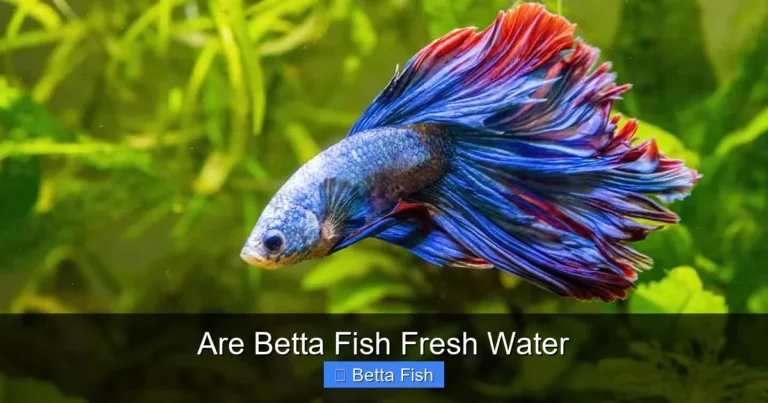
Visual guide about Why Is My Betta Fish Standing on His Tail
Image source: img.cdn.nimg.jp
When parameters drift, bettas often compensate by changing their posture. A tail‑standing stance is a common reaction to:
- High ammonia or nitrite levels
- Low dissolved oxygen
- Improper temperature (below 76°F/24°C)
- Incorrect pH (ideal 6.5‑7.5)
How to test and fix
Invest in a reliable liquid test kit. Check ammonia, nitrite, nitrate, pH, and temperature at least twice a week during a problem episode. If any reading is out of range, perform a 25‑30% water change with dechlorinated, temperature‑matched water. Repeat daily until the readings normalize.
For a deeper dive into cloudy water and its effects, see our guide on why is my betta fish water cloudy.
2. Swim Bladder Disorders – The Balance Beam
What the swim bladder does
The swim bladder is a gas‑filled organ that lets a fish maintain buoyancy. If it becomes inflamed, infected, or filled with excess gas, the fish may lose control and adopt a tail‑standing posture to keep its head above water.
Symptoms to watch
- Floating upside down or on the side
- Inability to swim to the surface for air
- Frequent gulping at the water surface
Simple home remedies
Try fasting your betta for 24‑48 hours to clear any constipation that might be pressing on the bladder. After the fast, offer a small amount of cooked, deshelled peas (a natural laxative). If the posture persists after three days, consider a probiotic supplement or consult a vet.
3. Disease and Parasites – Hidden Enemies
Fin rot, velvet, and internal parasites
Infections can weaken a betta’s muscles and cause it to rest on its tail for support. Look for additional signs:
- Faded or frayed fins (see why did my betta fish lose its tail)
- White, cotton‑like growths (Velvet disease)
- Red streaks or ulcerations
Treatment basics
Isolate the sick fish in a hospital tank. Use a broad‑spectrum fish antibiotic (e.g., Maracyn) for bacterial infections, and a copper‑based treatment for parasites. Follow the medication label carefully; overdosing can cause more harm.
4. Nutrition and Feeding Mistakes
Overfeeding and poor diet
Too much protein or fatty foods can lead to digestive blockages, which in turn press on the swim bladder. Betta pellets should be high‑quality, sinking, and fed in small portions twice a day.
When food is rejected
If you notice your betta spitting out food, it could be a sign of stress or illness. For tips on that behavior, read why did my betta fish spit out his food. Offer a variety of foods—live or frozen daphnia, bloodworms, and occasional brine shrimp—to keep the appetite strong.
Supplemental feeding ideas
Introduce a peeled pea once a week to aid digestion. Freeze‑dried or live foods should be thawed or rinsed to prevent introducing pathogens.
5. Tank Environment and Stress Factors
Temperature swings and drafts
Betta fish are tropical; a sudden drop of even 2‑3°F can cause shock, leading to abnormal swimming. Keep the heater set between 78°F‑80°F (25.5‑26.5°C) and use a thermometer to monitor daily.
Overcrowding and aggressive tankmates
Even though many owners keep a single male betta, some keep females or other peaceful species. If a betta is constantly harassed, it may adopt a defensive tail‑standing pose. Ensure at least 2.5 gallons per betta and provide plenty of hiding spots.
Lighting and day‑night cycle
Provide 10‑12 hours of subdued light each day. Constant bright light can stress the fish, while a dark tank at night mimics natural conditions and promotes healthy rest.
6. When to Call in a Professional
Red flags that require veterinary help
- Posture doesn’t improve after water changes and fasting
- Visible sores, rapid color loss, or fin rot
- Rapid breathing, lethargy, or loss of appetite for more than 48 hours
Fish veterinarians can run microscopic exams, prescribe targeted meds, and advise on long‑term care. Early intervention often saves the fish.
Conclusion: From Panic to Proactive Care
Seeing your betta stand on its tail is a clear signal that something in its environment or body is out of balance. By systematically checking water quality, assessing swim bladder health, reviewing diet, and monitoring for disease, you can usually correct the problem within a few days. Remember, prevention beats cure: maintain clean water, feed a balanced diet, and keep the tank temperature stable.
With the right steps, your betta will soon be back to its graceful, flaring‑fin dance—no more tail‑standing, just happy swimming.
Frequently Asked Questions
Why is my betta fish standing on his tail?
Most often it’s a response to poor water conditions, swim bladder trouble, or an underlying illness. Checking parameters and observing other symptoms will point you to the cause.
Can a water change fix the problem?
Yes, a 25‑30% water change with properly conditioned water can quickly improve ammonia or nitrite spikes, which are common triggers.
Is fasting my betta safe?
Fasting for 24‑48 hours is safe and can help clear a blocked swim bladder. After the fast, re‑introduce a small amount of high‑quality food.
Should I give my betta medication at home?
Only if you’ve identified a specific infection and the medication is appropriate. For unknown issues, isolate the fish and seek veterinary advice.
Will adding live plants help?
Live plants improve water quality, provide hiding spots, and reduce stress, all of which can help prevent tail‑standing behavior.
When is it time to say goodbye?
If the fish shows rapid decline, severe fin rot, or fails to respond to water changes and basic care within a few days, it may be beyond recovery. Consulting a vet first is always the best option.