Which Fish Is Better for You

When considering which fish is better for you as a pet, Betta fish often emerge as a standout choice for beginners and experienced owners alike. They offer surprising mental health benefits, striking beauty, and relatively simple care requirements compared to many other aquatic pets. However, they have specific needs regarding tank size, water quality, and solitary temperament that must be respected for them to truly thrive. This guide breaks down exactly why a Betta might be your ideal aquatic companion and what it truly takes to provide a happy, healthy life for one.
Key Takeaways
- Betta fish are exceptional for mental wellness: Their calming presence and simple care routine can reduce stress and anxiety, offering a form of tranquil companionship.
- They are low-maintenance but not no-maintenance: While easier than many pets, Bettas need a filtered, heated tank of at least 5 gallons, not a small bowl, to stay healthy.
- Solitary by nature: Male Bettas are famously aggressive towards other males and often fin-nip other fish, making them best kept alone in a species-only tank.
- Vibrant personality and responsiveness: Bettas are intelligent, can learn to recognize their owners, and often perform elaborate displays, providing interactive engagement.
- Debunking the bowl myth is critical: The persistent idea that Bettas thrive in tiny vases is harmful and leads to premature death; proper setup is non-negotiable.
- Cost-effective entry into pet ownership: Initial setup and ongoing costs are generally lower than for dogs, cats, or complex aquarium setups, making them accessible.
- Not ideal for everyone: Their specific needs and solitary nature mean they aren’t the best choice for someone wanting a community tank or a completely hands-off pet.
📑 Table of Contents
- Introduction: The Allure of the Aquatic Companion
- The Betta Fish Unpacked: History, Biology, and Natural Behavior
- The Health and Wellness Equation: Why a Betta Might Be Better For You
- The Crucial Comparison: Betta Fish vs. Other Popular Pet Fish
- The Non-Negotiable Blueprint: Essential Betta Fish Care
- Behavioral Blueprint: Understanding Your Betta’s Language
- Debunking the Myths: What a Betta is NOT
- Is a Betta the Better Fish For YOU? A Final Self-Assessment
Introduction: The Allure of the Aquatic Companion
In the bustling world of pet choices, from the loyal dog to the independent cat, fish often hold a unique, tranquil niche. They represent a slice of silent, flowing beauty, a living piece of art in your home or office. But when you start to explore the underwater world, a pivotal question arises: which fish is better for you? The answer isn’t one-size-fits-all. It depends on your lifestyle, space, budget, and what you seek in a companion. Among the glittering array of options, the Betta fish, or Siamese fighting fish, frequently captures the spotlight. With their flamboyant fins, bold personalities, and reputation for being “easy,” they seem like the perfect aquatic pet. But is that reputation deserved? And more importantly, is a Betta truly the better fish for your life? This deep dive will separate the myths from the reality, exploring every facet of Betta fish care, temperament, and the profound, often overlooked, benefits they offer. We’ll compare them to other popular fish, debunk harmful stereotypes, and ultimately help you decide if the elegant, solitary Betta is the aquatic soulmate you’ve been looking for.
The Betta Fish Unpacked: History, Biology, and Natural Behavior
To understand if a Betta is the better fish for you, you must first understand the creature itself. Native to the shallow rice paddies, marshes, and slow-moving streams of Thailand, Cambodia, and Vietnam, Betta splendens have evolved in challenging, variable environments. This history is key to their care. In the wild, they are “labyrinth fish,” meaning they possess a special organ that allows them to breathe atmospheric air. This adaptation lets them survive in oxygen-poor, stagnant water—a fact that unfortunately birthed the cruel myth they can live happily in tiny, dirty bowls. Their natural habitat is warm, densely vegetated, and spacious, offering hiding spots and a varied diet of insects and larvae.

Visual guide about Which Fish Is Better for You
Image source: betterbasicsmilling.com
The Legend of the Fighter
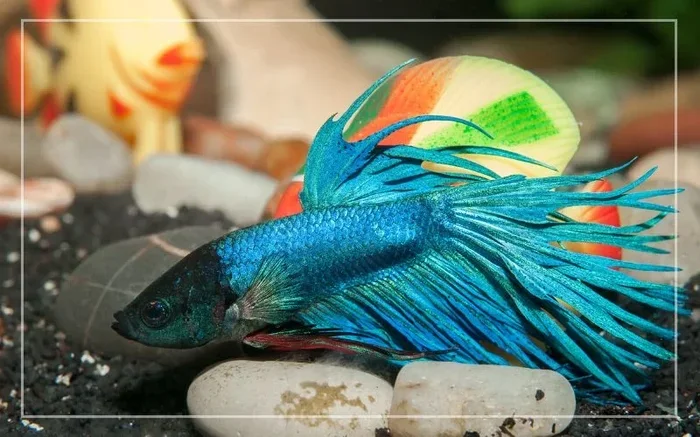
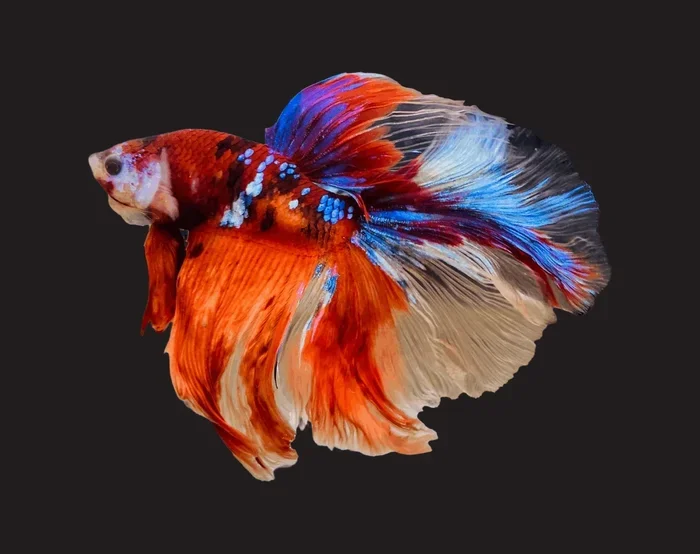
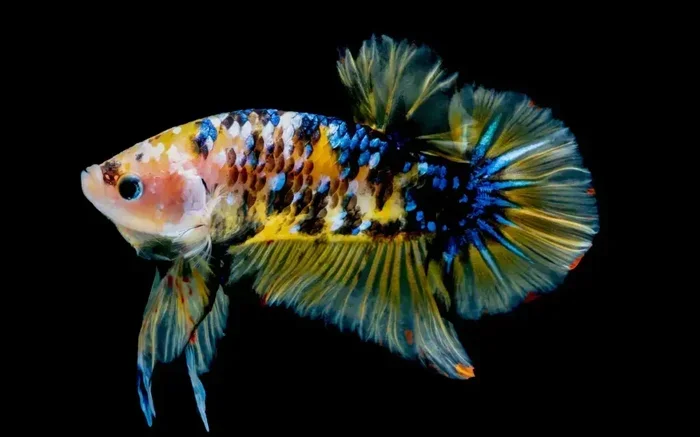
The name “Siamese fighting fish” hails from 19th-century Thailand, where they were bred for aggressive sparring matches, much like roosters. This selective breeding for aggression, particularly in males, is why you see them in solitary cups at the pet store. Their long, flowing fins and brilliant colors (think crimson, royal blue, metallic copper) are also products of selective breeding for aesthetics, not survival. This means the pet Betta is a far cry from its wild, short-finned, greenish-brown ancestor. Their aggression is a real, biological trait, primarily directed at other male Bettas but often extended to fish with long, flowing fins (like fancy guppies) or bright colors that they perceive as rivals. Understanding this innate behavior is the first step in determining if their specific needs align with what you can provide.
A Personality in a Pint-Sized Package
Beyond their looks, Bettas are renowned for their intelligence and distinct personalities. They are curious creatures that will often “watch” you go about your day from their tank. Many learn to recognize their primary caregiver, swimming to the front of the tank upon their entrance. They can be trained to do simple tricks, like following a finger or jumping for food (a skill that necessitates a secure tank lid!). This interactivity is a huge draw for owners seeking a pet with a modicum of responsiveness. You might see your Betta “flaring” its gills and fins to appear larger—a display of excitement, curiosity, or aggression. They also build bubble nests (a sign of health and contentment, even without a female present) and carefully tend to their territory. This complex behavior makes them fascinating to observe, offering a richer experience than many assume of a “simple” fish.
The Health and Wellness Equation: Why a Betta Might Be Better For You
When we ask which fish is better for you, the conversation often centers on the benefits to you. Here, Betta fish shine in ways that are both scientifically supported and anecdotally profound. Their contribution to your well-being extends far beyond their decorative value.

Visual guide about Which Fish Is Better for You
Image source: cdn.media.amplience.net
The Science of Serenity: Stress Reduction and Mindfulness
Watching fish swim has been clinically shown to reduce blood pressure, lower heart rate, and decrease stress hormones like cortisol. The rhythmic, fluid motion of a Betta, especially when it’s gracefully exploring its planted tank, induces a meditative state. In our hyper-connected, notification-driven world, the Betta’s tank becomes a “digital detox” zone. You are compelled to slow down, to observe, to breathe. This practice of focused, quiet observation is a form of mindfulness. Caring for a Betta—performing a water test, trimming a plant, feeding a precise pinch of food—ritualizes this calm. For individuals dealing with anxiety, depression, or the general pressures of modern life, this small, daily responsibility paired with the soothing visual can be a powerful anchor. The pet provides a non-judgmental, quiet presence, a living focus point that pulls you out of spiraling thoughts and into the present moment.
Accessibility and the Gateway to Responsibility
For many, the desire for a pet is hampered by constraints: small apartments, limited budgets, allergies, or a hectic schedule. A dog requires walks, a cat needs interactive play and a litter box. A Betta, by comparison, is highly accessible. The initial investment—a 5-gallon tank, a heater, a filter, substrate, decorations, and the fish itself—is often under $150. Their daily care takes minutes: a small feeding, a quick visual health check. Weekly or bi-weekly water changes, while essential, are a manageable chore. This makes a Betta an excellent “first pet” for a child learning about responsibility, or for an adult in a studio apartment who wants companionship without the space or time demands of a furry animal. The sense of successfully caring for another living thing, of creating a thriving micro-environment, is deeply rewarding and can boost self-esteem and routine.
The Aesthetic and Creative Joy
Creating a Betta’s home is an exercise in creativity and biophilic design—the innate human desire to connect with nature. You are not just setting up a tank; you are crafting a miniature ecosystem. The choices are endless: live plants like java fern or anubias, smooth river rocks, driftwood, ceramic caves, or themed decorations (pirate ships, sunken temples). Watching your Betta weave through the leaves of a floating water lettuce or rest on a broad betta leaf hammock provides a dynamic, ever-changing piece of living art. This creative process of aquascaping, of balancing function and beauty, is a hobby in itself that brings immense satisfaction. The tank becomes a focal point of beauty and calm in your living space, a conversation starter that reflects your care and taste.
The Crucial Comparison: Betta Fish vs. Other Popular Pet Fish
Declaring one pet universally “better” is impossible, but we can rigorously evaluate where Bettas excel and where they fall short compared to common alternatives. This comparison is vital for answering which fish is better for you based on your specific desires.

Visual guide about Which Fish Is Better for You
Image source: foodandfizz.b-cdn.net
Betta vs. The Classic Goldfish
The goldfish is the iconic first pet fish. But in a head-to-head with the Betta, the Betta wins on several fronts for the modern keeper. Goldfish are notoriously messy, producing copious ammonia that requires powerful filtration and frequent, large water changes. They grow large (common goldfish can reach 12+ inches) and need massive tanks—a single fantail goldfish requires a minimum of 20-30 gallons, with more being better. Bettas, by contrast, thrive in a properly cycled 5-gallon tank. Goldfish are cold-water fish, needing no heater, which saves on electricity but limits tankmates and placement (no warm rooms). Bettas are tropical, requiring a stable heater, which adds a small cost but allows for a more diverse aquascape. Temperamentally, goldfish are social, schooling fish that prefer the company of their own kind (in a large enough tank). A Betta is a solo artist. If you want one, stunning, interactive fish with manageable space needs, the Betta is the clear choice over a goldfish for most apartment dwellers.
Betta vs. The Community Guppy or Neon Tetra
Guppies, neon tetras, and other small “community” fish are popular for their schooling behavior and vibrant colors in groups. Here, the comparison highlights a fundamental difference in philosophy. If your vision is a bustling, colorful community tank with 10-15 small fish darting about, a Betta is a terrible choice. Their solitary and often aggressive nature makes them incompatible with most community setups. A Betta tank is a curated, minimalist stage for one star performer. The benefit is undivided attention; you form a bond with a single, intelligent individual. The drawback is you miss the dynamic energy of a school. For someone who wants a serene, personalized exhibit, the Betta is superior. For someone who wants the activity and variety of a community, a properly sized school of tetras or rasboras in a well-planted, larger tank is the better fish for you. You cannot have both in a small tank; it’s a choice between a solo virtuoso and an ensemble cast.
Betta vs. The “Set-and-Forget” Option: The False Promise
Some seek a pet that requires almost no intervention. The Betta is often wrongly marketed this way. Compared to a turtle (which needs large tanks, basking lights, and specific diets) or a saltwater reef tank (a complex, expensive endeavor), a Betta is simpler. But it is not “set-and-forget.” The myth of the bowl-dwelling Betta is the most pervasive and damaging in the hobby. A Betta in a bowl is a sentence to a short, miserable life of ammonia burns, fin rot, and lethargy. The “set-and-forget” fish doesn’t exist in a humane sense. Any living creature requires basic care. The Betta’s care is *manageable* and *predictable*—test water weekly, change 25-50% regularly, feed sparingly, maintain temperature—but it is not optional. If you truly want zero maintenance, a pet rock is your answer. If you want a living, responsive companion with care requirements that fit into a busy but responsible lifestyle, the Betta is a fantastic, and often the best, choice.
The Non-Negotiable Blueprint: Essential Betta Fish Care
If you’ve decided a Betta aligns with your lifestyle, success hinges entirely on proper care. Saying a Betta is “easy” is only true if you do the essentials correctly. This is the practical heart of answering which fish is better for you: can you commit to these specific, science-based needs?
Home, Sweet (5-Gallon) Home: Tank Size and Equipment
The single most important piece of advice is: Ditch the bowl. A 5-gallon tank is the absolute minimum for a single Betta, and larger is always better (10+ gallons is ideal). This volume provides stable water parameters, dilutes toxins, and allows for proper heating and filtration without creating a turbulent current. You need:
- A Heater: Bettas require tropical temperatures between 78-80°F (25.5-26.5°C). A small, adjustable submersible heater (25-50 watts for a 5-gallon) is mandatory. Use a separate thermometer to verify accuracy.
- A Filter: A gentle filter is crucial for biological filtration (housing beneficial bacteria). A sponge filter is ideal—it provides gentle flow and surface agitation for gas exchange without blasting the Betta’s delicate fins. Internal hang-on-back (HOB) filters with a flow deflector or baffle can also work.
- A Secure Lid: Bettas are notorious jumpers. A full tank lid is non-negotiable to prevent a fatal escape.
- Substrate & Décor: Choose smooth gravel or sand. Avoid sharp decorations that can tear fins. Provide hiding spots (caves, dense plants) and broad leaves for resting near the surface, as Bettas are prone to “labyrinth organ exhaustion” if they must constantly swim to the top for air.
The Foundation of Health: The Nitrogen Cycle and Water Changes
This is the most misunderstood concept in fishkeeping. “Cycling” a tank means establishing a colony of beneficial bacteria that convert toxic fish waste (ammonia) into less harmful nitrite, and finally into nitrate. This process takes 4-6 weeks and must be completed before adding your Betta. Use a liquid test kit (like API Freshwater Master Test Kit) to monitor ammonia, nitrite, and nitrate. Once cycled, maintenance is simple: weekly water changes of 25-50% (using a gravel vacuum to remove debris) are essential to keep nitrate levels low and replenish trace minerals. Never remove all the water or clean all the filter media at once, as this crashes the bacterial colony. Dechlorinate all new tap water with a reliable water conditioner before adding it to the tank.
Diet: The Art of the Pinch
Bettas are obligate carnivores. A diet of solely flake food is inadequate and leads to constipation and swim bladder issues. Feed a high-quality pellet or frozen food (brine shrimp, daphnia, bloodworms) as a staple. The rule: feed only what they can consume in 2-3 minutes, once or twice a day. A Betta’s stomach is roughly the size of its eye. Overfeeding is the #1 cause of water quality problems and health issues. One day a week should be a “fast” day to give their digestive system a rest. Supplement with occasional treats of frozen or live foods for enrichment.
Behavioral Blueprint: Understanding Your Betta’s Language
Decoding your Betta’s behavior is key to ensuring its welfare and strengthening your bond. Their actions are a direct line to their health and happiness.
The Solitary Dancer: Why Alone is Best
The rule is stark: one male Betta per tank. Female Bettas can sometimes be kept in “sorority” tanks (5+ females in a heavily planted 20+ gallon tank), but this is advanced, risky, and not for beginners. The aggression is not a myth; it is a genetic reality. A male Betta will flare, chase, and often kill another male without hesitation. They may also relentlessly nip the long fins of fancy guppies, fancy goldfish, or other slow, flowing-finned fish, causing stress and injury. Some short-finned, fast-moving fish like certain rasboras or corydoras catfish can be compatible in a large, heavily planted tank, but it is a calculated risk requiring immense observation and a backup plan. For 99% of keepers, a species-only tank is the safest, happiest, and least stressful option for the Betta. This solitary nature is a major factor in which fish is better for you—if you desire a community, look elsewhere.
Signs of a Thriving Betta vs. a Struggling One
A healthy Betta is a spectacle of vitality. It will swim actively and purposefully, not just float listlessly. Its fins will be held proudly, not clamped tightly against its body. Its colors will be vivid and iridescent. It will eat eagerly. It may build bubble nests (a cluster of tiny bubbles at the water’s surface, held together by saliva). It will explore its environment, occasionally “puffing” out its gills in curiosity or mild territorial display.
Signs of poor health or environment are glaring: faded or dull colors, torn or shredded fins (fin rot), white cotton-like growths (fungus), erratic swimming (swim bladder disorder), lethargy (hiding constantly, resting on the bottom), and loss of appetite. These are almost always direct results of poor water quality, incorrect temperature, incorrect diet, or stress from incompatible tankmates. Observing these signs daily is your most important diagnostic tool.
Debunking the Myths: What a Betta is NOT
To make an informed decision on which fish is better for you, we must dismantle the pervasive misinformation surrounding Betta fish. These myths are not harmless; they are the chains that bind Bettas to lives of suffering.
Myth: “Betta Fish Can Live Happily in Small Bowls or Vases.”
This is the cardinal sin of Betta keeping, often perpetuated by unscrupulous pet stores marketing them as “desk pets.” A small, unfiltered, unheated vase is a toxic, unstable prison. The water volume is too small to dilute ammonia from the fish’s waste. Temperature swings are severe and deadly. There is no surface area for beneficial bacteria to colonize. The Betta’s labyrinth organ forces it to gasp air constantly, a stressful endeavor in poor water. This setup guarantees a slow, agonizing death from ammonia poisoning, fin rot, or dropsy. A bowl is not a home; it is a death sentence. A proper tank with filtration and heating is the only ethical choice.
Myth: “Betta Fish Are Always Aggressive and Can’t Have Any Tankmates.”
While male Betta aggression is a serious concern, it’s not an absolute. Their temperament varies by individual. Some are more laid-back, while others are instant warriors. With a tank of 10+ gallons, abundant hiding places, and careful selection of peaceful, fast-moving, non-finned tankmates (like ember tetras, khuli loaches, or certain snails), cohabitation can succeed. It requires diligent research, a “quarantine tank” for new arrivals, and immediate removal if aggression occurs. The myth that they are *always* aggressive prevents exploration of potentially successful community setups for advanced keepers. But for a beginner seeking which fish is better for you for a simple, stress-free experience, the safest answer remains: keep your Betta alone.
Myth: “Bettas Are Indestructible and Can Tolerate Poor Water.”
The opposite is true. Their evolutionary history in variable waters has given them a strong survival instinct, not a tolerance for poor conditions. They are highly sensitive to ammonia and nitrite, which are lethal at very low levels. Their long, flowing fins are prone to bacterial and fungal infections in dirty water. Their immune system collapses rapidly under stress from poor parameters. Their hardiness is often misinterpreted as a tolerance for neglect; it is actually a testament to their will to survive in conditions that should be avoided at all costs. Treating them as delicate barometers of your tank’s health is the correct mindset.
Is a Betta the Better Fish For YOU? A Final Self-Assessment
We’ve explored the biology, benefits, care, and myths. Now, the personal reckoning. A Betta is the better fish for you if:
- You live in a small space (apartment, dorm, office) and want a pet that fits comfortably on a desk or shelf.
- You desire a single, interactive pet with a distinct personality you can learn to read.
- You are drawn to aquascaping and creating beautiful, serene miniature landscapes.
- You seek the mental health benefits of pet ownership—the routine, the calm focus—without the high time or financial commitment of a dog or cat.
- You are a beginner willing to learn the fundamental principles of fishkeeping (the nitrogen cycle) and commit to weekly maintenance.
- You appreciate and respect an animal’s specific, solitary nature and do not wish to force it into a community.
A Betta is likely not the better fish for you if:
- You want a bustling, active community tank with dozens of small fish.
- You are looking for a truly “no-work” pet with zero weekly maintenance.
- You are prone to forgetting routines or are frequently away for long periods without an automatic feeder/water changer (though Bettas are more forgiving of a missed feeding than a missed water change).
- You are unwilling to make the initial investment in a proper tank setup (5-gallon minimum, heater, filter, lid).
- You are purchasing a pet on a whim for a small child without adult supervision and commitment to the care regimen.
The Betta is a spectacular, rewarding pet for the right person. It is a commitment to providing a pristine, stable environment in exchange for years of silent, shimmering companionship. It is not a disposable decoration. When you choose a Betta, you are choosing to become a steward for a living being with a rich history and specific needs. If that resonates with you, then yes—the Betta may very well be the better fish for you.
Frequently Asked Questions
Can Betta fish live with other fish?
Male Betta fish are generally solitary and aggressive towards other males and fish with long, flowing fins. While some experienced keepers successfully house them with specific, fast-moving, short-finned tankmates in large, heavily planted tanks (20+ gallons), it is not recommended for beginners. For a safe and stress-free life, a Betta should be kept alone in its own species-only tank.
What is the minimum tank size for a Betta fish?
The absolute minimum is a 5-gallon (19-liter) tank. This size allows for stable water parameters, proper heating, and gentle filtration. Smaller containers like bowls or vases are inhumane and lead to poor health and early death. Larger is always better; a 10-gallon tank provides even more stability and space for enrichment.
How often should I clean my Betta’s tank?
Once your tank is fully cycled (a 4-6 week process), you should perform a partial water change of 25-50% once a week. Use a gravel vacuum to remove debris from the substrate. Never clean all the filter media at once, as this kills the beneficial bacteria. Always use a water conditioner to dechlorinate new tap water before adding it to the tank.
What should I feed my Betta fish?
Feed a high-quality pellet or frozen food (like brine shrimp or daphnia) formulated for carnivorous Betta fish. Offer only what they can eat in 2-3 minutes, once or twice a day. Their stomach is about the size of their eye. One day a week should be a fast day. Avoid overfeeding, which is a primary cause of constipation and water quality issues.
Why is my Betta fish not moving or eating?
Lethargy and a loss of appetite are almost always signs of poor water quality, incorrect temperature, or illness. First, test your water for ammonia and nitrite (should be 0) and check that your heater is maintaining 78-80°F. Ensure you are not overfeeding. Look for other signs like clamped fins, faded color, or spots. Improving water quality through a partial water change is the first and most crucial step.
Do Betta fish need a heater?
Yes, absolutely. Betta fish are tropical fish native to warm waters of Southeast Asia. They require a consistent water temperature between 78-80°F (25.5-26.5°C). A small, adjustable aquarium heater is essential for their metabolism, immune function, and overall vitality. Room temperature is rarely stable or warm enough.