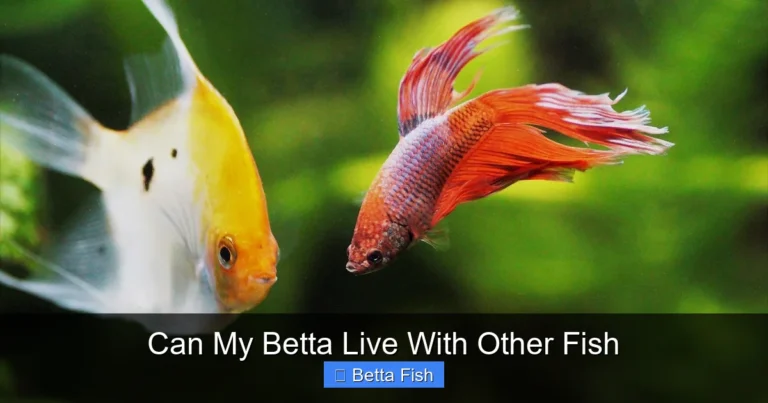
Can You Have Betta Fish Together
Betta fish are famous for their striking colors and feisty personalities, but can you have betta fish together? In most cases, males must be kept apart, while carefully selected females can share a spacious, well‑planted tank. Follow our step‑by‑step guide to create a safe, thriving community for your bettas.
Key Takeaways
- Male bettas are territorial: They should never share a small bowl or a tank without proper barriers.
- Female groups can coexist: With plenty of space and hiding spots, several females can live peacefully.
- Tank size matters: A minimum of 10 gallons per betta reduces stress and aggression.
- Plants and décor are essential: Live plants, caves, and driftwood give bettas places to hide and claim territory.
- Monitor behavior daily: Early signs of stress let you act before serious injury occurs.
- Consider tank mates wisely: Some peaceful fish and invertebrates are compatible, but many are not.
- Regular maintenance prevents problems: Clean water, stable temperature, and proper feeding keep aggression low.
📑 Table of Contents
- Introduction: The Betta’s Reputation and the Big Question
- 1. Understanding Betta Behavior
- 2. Can You Have Male Betta Fish Together?
- 3. Keeping Female Betta Fish Together
- 4. Tank Size, Layout, and Equipment
- 5. Compatible Tank Mates
- 6. Monitoring Health and Behavior
- Conclusion: Making an Informed Decision
Introduction: The Betta’s Reputation and the Big Question
Betta fish, also called Siamese fighting fish, are famous for their vivid fins and bold personalities. In pet stores you’ll often hear the warning, “Do not keep bettas together.” That warning is true for many situations, but it isn’t the whole story. Whether you can have betta fish together depends on the sex of the fish, the size of the aquarium, and how you arrange the environment.
In this article we answer the question “can you have betta fish together?” from every angle. We’ll cover male‑vs‑female dynamics, ideal tank setups, compatible tank mates, and the day‑to‑day care needed to keep a community of bettas healthy and happy. By the end you’ll know exactly how to decide if a shared tank is right for you.
1. Understanding Betta Behavior
1.1 Natural instincts
In the wild, Betta splendens live in shallow rice paddies and slow‑moving streams in Thailand. Males defend a small territory that includes a bubble nest. Any intruder—especially another male—will be chased away with flares of color and frenzied fins. This instinct is why many owners think bettas must live alone.
1.2 Differences between males and females
Male bettas are larger, have longer, more flowing fins, and display spectacular courtship displays. Females are smaller, have shorter fins, and are less aggressive. That difference makes it easier to keep several females together, provided the tank is large enough and offers plenty of hiding places.
2. Can You Have Male Betta Fish Together?
2.1 The “never together” rule
For most hobbyists, the safest answer to “can you have betta fish together?” when it comes to males is **no**—unless you use a divided tank or a very large, heavily planted aquarium with visual barriers. Even then, aggression can flare up at the slightest disturbance.
If you’re curious about a divided setup, read our guide on Can You Have Two Male Betta Fish Together for step‑by‑step instructions.
2.2 When a divided tank works
- Clear acrylic or glass dividers: Must be at least 2 inches thick to prevent cracking.
- Separate filtration: Each side should have its own flow to avoid water currents that carry scent cues.
- Equal space: Give each male at least 5 gallons on its side.
Even with these precautions, always watch for fin nipping or frantic surface fighting. If you see any signs, separate them immediately.
3. Keeping Female Betta Fish Together
3.1 Group housing basics
Female bettas are far more tolerant of each other. A group of 4‑6 females can live together in a 20‑gallon tank when you provide:
- At least 3 gallons per fish.
- Plenty of live plants or silk plants.
- Several hiding spots (caves, driftwood, PVC pipes).
For a deeper dive, see Can You Have Female Betta Fish Together.
3.2 Managing hierarchy
Even females establish a pecking order. The dominant fish may claim the best hiding spot and the most food. To keep peace, feed the group with a wide‑spread sinking pellet or multiple feeding spots so no one fish monopolizes the meal.
4. Tank Size, Layout, and Equipment
4.1 Minimum tank volume
When you ask “can you have betta fish together?” the first technical answer is tank size. A single betta can thrive in a 5‑gallon tank, but each additional betta adds at least 5 gallons of required space. For a mixed‑sex or female‑only community, aim for 10‑gallon minimum.
4.2 Plants, decorations, and visual barriers
Live plants such as Java fern, Anubias, and Marimo moss create natural borders. If you prefer silk or plastic plants, choose tall stems that break the line of sight. Adding a few pieces of driftwood or smooth rocks also gives each fish a “home base.”
4.3 Filtration and water flow
Betta fish prefer gentle water movement. A low‑flow sponge filter or a hang‑on‑back (HOB) filter with a spray bar set to a soft setting works well. Keep the water temperature steady between 76‑80 °F (24‑27 °C) and maintain a pH of 6.5‑7.5.
5. Compatible Tank Mates
5.1 Peaceful fish species
While the headline question focuses on bettas with bettas, many hobbyists wonder if other fish can share the space. Species that are slow‑moving, non‑aggressive, and similar in size can coexist:
- Neon tetras (small schools, but keep them in groups of 6+).
- Corydoras catfish (bottom dwellers that stay out of the betta’s line of sight).
- Harlequin rasboras (peaceful, mid‑water swimmers).
For a detailed list, see Can You Keep Other Fish With A Betta.
5.2 Invertebrates: shrimp and snails
Freshwater shrimp (e.g., Cherry shrimp) and small snails can live with bettas if the betta is not overly nippy. Provide plenty of foliage and hiding spots so the invertebrates can escape a curious betta. Read more in Can You Have Shrimp With Betta Fish.
6. Monitoring Health and Behavior
6.1 Signs of stress
When you ask “can you have betta fish together?” the answer also depends on how you watch them. Look for these warning signs:
- Rapid gill movement (hyperventilation).
- Loss of color or faded fins.
- Repeated flaring without a clear trigger.
- Fin damage or missing tissue.
If any of these appear, isolate the affected fish immediately.
6.2 Routine care checklist
- Weekly 25% water changes.
- Test water parameters (ammonia, nitrite, nitrate, pH).
- Feed high‑quality betta pellets or frozen bloodworms 2‑3 times a day.
- Trim overgrown plants and remove dead foliage.
Conclusion: Making an Informed Decision
So, can you have betta fish together? The short answer is **yes—if you choose the right combination of sex, tank size, and décor**. Male bettas are best kept alone or in divided tanks, while females can form small, harmonious groups when given enough room and hiding places. Adding compatible community fish or invertebrates can enrich the tank, but always prioritize the bettas’ temperament and monitor for stress.
By following the guidelines above, you’ll create a beautiful, lively aquarium where your bettas can show off their colors without constantly fighting. Remember, a happy betta is a healthy betta, and a well‑planned tank makes both possible.
Frequently Asked Questions
Can male bettas ever share the same tank?
Only in a divided tank with a solid barrier and separate filtration. Even then, watch closely for aggression and be ready to separate them.
How many female bettas can I keep together?
Four to six females can live in a 20‑gallon tank if you provide ample plants and hiding spots. More than that requires a larger tank.
Do bettas need a heater?
Yes. Betta fish are tropical and thrive at 76‑80 °F (24‑27 °C). A reliable aquarium heater keeps the temperature stable.
Can I keep bettas with guppies?
Guppies are fast swimmers and may trigger a betta’s aggression. It’s not recommended unless the betta is unusually calm and the tank is heavily planted.
What is the best food for a community of bettas?
High‑quality betta pellets supplemented with frozen or live foods (bloodworms, daphnia) a few times a week provide balanced nutrition.
How often should I clean the tank?
Perform a 20‑25% water change weekly, clean the substrate, and rinse filter media in tank water to preserve beneficial bacteria.