Do Betta Fish Like Small Areas Find Out The Truth

Many owners wonder, do betta fish like small areas? The short answer is no. While bettas survive in tiny cups, they truly thrive in larger, enriched spaces. Small bowls cause stress, poor water quality, and shortened lifespans. Giving your betta room to swim leads to a happier, healthier pet.
This is a comprehensive guide about do betta fish like small areas.
Key Takeaways
- Small tanks restrict natural movement: Betta fish need space to explore, not just survive.
- Water quality drops fast in tiny volumes: Less water means faster toxin buildup and more maintenance.
- Enrichment matters more than square inches: Plants, caves, and gentle flow create a happy environment.
- Five gallons is a solid starting point: This size balances stability, space, and easy care.
- Temperature swings hurt small setups: Larger water volumes hold heat much better.
- Proper filtration supports health: Gentle circulation keeps water clean without stressing your fish.
- Watch behavior to gauge comfort: Lethargy, fading color, or constant hiding often signal a cramped space.
[FEATURED_IMAGE_PLACEHOLDER]
Do Betta Fish Like Small Areas? The Short Answer
Many people ask do betta fish like small areas because they see these colorful fish sold in tiny cups. Those cups look cute on a shelf. They also fit on a small desk. That image sticks in our minds. But survival is not the same as comfort. A betta can live in a cramped space for a while. That does not mean the fish feels good there.
Think of it like this. You can sleep on a hard floor for a night. You will not break. But you will not rest well. Your back will ache. Your mood will drop. Fish feel stress in similar ways. Tight spaces limit movement. They also trap waste. They make temperature swing wildly. All of that adds up to a tired, unhappy fish.
So the real question is not just do betta fish like small areas. The better question is what size helps them thrive. We will break that down step by step. You will learn why space matters. You will also learn how to set up a tank that fits your room and your schedule.
Why Space Matters for Betta Health
Bettas come from slow-moving streams and rice paddies in Southeast Asia. Those habitats are shallow. They are also rich with cover. The water is warm. The edges are full of plants. The fish can dart, pause, and hide. That natural picture matters. It tells us what a betta expects from its home.
A tiny bowl gives none of that. The water sits still. Waste builds up fast. The temperature changes with the room. Your fish has nowhere to rest or explore. Over time, that leads to dull color, less appetite, and more sickness. Small areas create stress that shows up in behavior.
Here is what space actually does for a betta:
- More swimming room: Your fish can stretch its fins and move naturally.
- Better water stability: Larger volumes hold temperature and chemistry more steady.
- Easier maintenance rhythm: A stable tank needs fewer emergency fixes.
- Room for enrichment: Plants, wood, and caves make life interesting.
If you want to know do betta fish like small areas, look at their daily life. A fish that can patrol a few feet of water feels more secure. A fish stuck in a corner has no choices. Choice matters to animals. It reduces fear and boredom.
Water Volume and Toxin Buildup
Small water volumes change fast. Fish waste turns into ammonia. Ammonia burns gills and stresses the body. In a tiny setup, that process happens quickly. You must test and change water often. Miss a week, and the numbers spike. That is a lot of work for a beginner. It is also hard on the fish.
A larger tank spreads waste out. Beneficial bacteria have more surface to live on. The water stays safer between cleanings. You still need regular care. But the margin for error is much bigger. That means less panic and healthier fish.
Temperature Stability in Tiny Tanks
Bettas are tropical fish. They prefer steady warmth. Small bowls lose heat quickly. A cold draft or a hot room can swing the temperature. Those swings weaken the immune system. They also make fish sluggish. A larger body of water resists change. That helps your betta stay comfortable all day.
The Truth About Small Bowls and Tiny Tanks
Let us be honest. Tiny bowls are popular because they look simple. They sit on a counter. They need less equipment. They seem easy. But easy for you can be hard on the fish. The appeal is visual. The reality is limited space and poor conditions.
Many new owners ask do betta fish like small areas because they want a low-maintenance pet. A small bowl feels like the answer. Yet the upkeep can be higher than expected. You will chase water quality. You will fight temperature swings. You will clean more often. That is not easier. It is just smaller.
A better path is a compact but proper setup. You do not need a giant aquarium. You do need enough water to stay stable. You also need gentle filtration and a warm heater. That combination beats a bare bowl every time.
Common Myths About Cramped Spaces
- Myth: Bettas prefer still water, so filters are bad. Fact: They like calm flow, not dirty water. Gentle filtration helps.
- Myth: Small tanks are cheaper to run. Fact: They often need more frequent water changes and careful monitoring.
- Myth: A betta will be fine as long as it eats. Fact: Appetite can stay normal even while stress builds quietly.
If you are wondering do betta fish like small areas, remember that appearance can mislead. A pretty bowl is not always a good home. Look at the daily experience of the fish. That tells the truth.
Ideal Tank Size for a Happy Betta
So what size works well? Five gallons is a strong starting point. It gives enough water to stay stable. It also fits on many desks and stands. You can add a heater, a gentle filter, and some plants. That turns a basic tank into a real habitat.
Some keepers go larger. Ten gallons offers even more stability. It also leaves room for a small community in some cases. That is not required. It is just an option. The best size depends on your space, your budget, and your goals.
A simple comparison helps:
| Setup | Space Feel | Water Stability | Maintenance | Best For |
|---|---|---|---|---|
| Tiny bowl | Very cramped | Low | Very frequent | Short-term display only |
| 5-gallon tank | Comfortable minimum | Good | Routine and manageable | Most betta owners |
| 10-gallon tank | Spacious | Very good | Easier long-term | Stability and enrichment |
If you are still asking do betta fish like small areas, the table tells part of the story. More room usually means less stress. It also means a tank that feels good to you and your fish.
What Five Gallons Really Gives You
Five gallons is not huge. It is enough. You can create zones. You can add a soft filter outlet. You can place a heater without crowding. You can watch your betta patrol the tank. That daily movement is a sign of comfort.
This size also makes water care predictable. You can test weekly. You can change a portion of water on a schedule. You can spot problems early. That rhythm is much easier than chasing crises in a tiny bowl.
Signs Your Betta Is Uncomfortable in a Small Space
Fish cannot speak. They show feelings through behavior. Watch your betta closely. Small changes often mean something is off. Behavior is your best clue about space and comfort.
Look for these signs:
- Constant hiding: The fish stays behind a leaf or in a corner all day.
- Faded color: Bright blues, reds, or purples look dull.
- Clamped fins: Fins sit close to the body instead of flowing.
- Low activity: The fish rests more and explores less.
- Fast breathing: Gills move quickly at the surface.
- Poor appetite: Food goes untouched or only partially eaten.
Sometimes these signs point to water quality. Sometimes they point to temperature. Sometimes they point to a cramped layout. The fix is often the same: improve the environment. Add space. Add cover. Stabilize the water.
How to Read Body Language
Bettas are expressive. A happy fish often patrols slowly. It may flare at its reflection in a calm way. It may rest on a leaf or near the bottom. Those are normal moments. Worry when the fish seems trapped, not when it rests.
If you notice your betta pressing against the glass or staying in one spot for long periods, take a closer look. Check the temperature. Check the ammonia. Check the layout. A small tweak can make a big difference.
How to Make a Small Setup Work Better
Not everyone has room for a large tank. That is okay. You can still improve a compact setup. The goal is stability, cover, and gentle flow. Even a modest tank can feel much better with the right touches.
Try these steps:
- Add a heater: Keep the water warm and steady.
- Use gentle filtration: Create slight movement without a strong current.
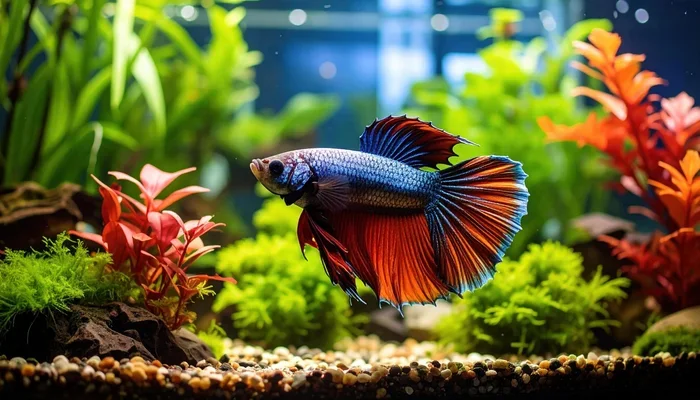
- Include plants: Live or safe artificial plants give cover and resting spots.
- Add a cave or wood: Hiding places reduce stress.
- Leave open swimming lanes: Do not pack the tank too tightly.
- Test water regularly: Catch problems before they grow.
If you want to explore gentle circulation, read more about do betta fish like air pump circulation. If you are curious about filters, see do betta fish like air filters. Both topics help you balance cleanliness with comfort.
Layout Tips for Compact Tanks
A small tank can still feel spacious if you place things well. Put a plant on one side. Place a cave on the other. Leave the middle open. That simple layout gives choices. Your betta can hide, rest, or swim.
Avoid sharp decorations. Smooth edges protect fins. Keep the water line clear so the fish can reach the surface easily. Bettas breathe air from above. They need a calm top layer.
Water Quality, Filtration, and Space
Space and water quality work together. A bigger tank is not a magic fix. You still need care. But a larger volume gives you more time and more stability. That is a real advantage.
Filtration helps too. Good filtration moves water through beneficial bacteria. Those bacteria break down waste. The result is cleaner water. The flow should stay mild. Bettas do not like being pushed around. A soft current is ideal.
If you are asking do betta fish like small areas, think about the whole system. Size matters. Filtration matters. Heat matters. Plants matter. The combination shapes daily life.
Quick Water Care Routine
- Test weekly for ammonia, nitrite, nitrate, and pH.
- Change a portion of water on a steady schedule.
- Vacuum the substrate gently to remove waste.
- Rinse filter media in old tank water, not tap water.
- Keep the temperature steady during changes.
A stable routine keeps stress low. Low stress supports color, appetite, and energy. That is what every owner wants.
Enrichment and Environment Beyond Size
Size is important. It is not everything. A five-gallon tank with nothing in it feels bare. A well-decorated tank feels alive. Enrichment gives your betta things to do. That matters for mood and health.
Try these enrichment ideas:
- Resting leaves: Bettas love to sit under a flat leaf.
- Tall plants: They break line of sight and add cover.
- Smooth driftwood: It creates natural hiding spots.
- Soft lighting: Dimmer light can calm a shy fish.
- Gentle surface movement: It helps gas exchange without stress.
Enrichment also reduces boredom. A fish with options behaves more naturally. It explores. It rests. It interacts with its world. That is a good sign.
Choosing Safe Decor
Pick items made for aquariums. Avoid rough plastics. Avoid sharp rocks. Check that plants are safe if you use live species. Wash new items before adding them. Simple choices prevent injuries and keep water clean.
Comparing Small vs. Larger Setups
Let us compare the two paths side by side. This helps you decide what fits your life. Both can work with care. One usually offers less stress than the other.
| Factor | Small Bowl or Tiny Tank | 5 to 10 Gallon Setup |
|---|---|---|
| Water stability | Low; quick swings | Higher; steadier conditions |
| Maintenance rhythm | Frequent and urgent | Routine and predictable |
| Swimming space | Very limited | Comfortable room |
| Enrichment options | Hard to fit items | Easy to add plants and caves |
| Stress risk | Higher over time | Lower with proper care |
If you are still weighing do betta fish like small areas, this comparison shows the tradeoffs. Small can work in a pinch. Larger usually supports a better daily life.
When a Smaller Tank Might Be Okay
There are situations where a smaller tank makes sense. Maybe you move often. Maybe your room has strict limits. Maybe you are setting up temporarily. In those cases, you can still do better than a bare cup.
Focus on the basics. Keep the water warm. Keep it clean. Add cover. Watch behavior closely. Plan an upgrade when you can. A temporary small setup should still be humane.
Remember that temporary is the key word. A small space can be a short step, not a forever home. Your fish will thank you with better color and more activity when you improve the setup.
Upgrading Without Stress
When you move to a bigger tank, keep things familiar. Use some of the same water. Keep the filter media damp. Place decorations in similar spots at first. That helps your betta feel secure during the change.
Expert Tips for Better Betta Living
Here are practical ideas from experienced keepers. They are simple. They work. Use them to build a better home.
- Start with five gallons if you can. It is a sweet spot for stability and space.
- Keep flow gentle. Strong currents tire bettas out.
- Warm the water consistently. Steady heat supports immunity.
- Add hiding places. Cover lowers fear.
- Test before you guess. Water numbers tell the real story.
- Watch daily. Small behavior changes matter.
- Upgrade thoughtfully. Bigger is usually better, but layout matters too.
If you want a deeper look at space needs, check do betta fish like a lot of space. It adds useful context to this topic.
Common Mistakes to Avoid
New keepers often make the same errors. Avoid these and you will save time and stress.
- Choosing a bowl for looks only. Style should not override comfort.
- Skipping the heater. Tropical fish need warmth.
- Overcleaning or undercleaning. Both cause problems.
- Packing the tank too full. Leave swimming room.
- Ignoring water tests. Eyes cannot see ammonia.
- Assuming silence means health. Quiet can mean stress.
If you are asking do betta fish like small areas, avoid the mistake of thinking small is automatically simple. Small often means more attention, not less.
Conclusion
So, do betta fish like small areas? They can survive in them, but they do not truly enjoy them. Cramped spaces limit movement, reduce water stability, and raise stress. A larger, well-decorated tank gives your betta room to swim, rest, and feel secure.
You do not need a giant aquarium. You do need enough water to stay stable. You also need warmth, gentle filtration, and places to hide. Those basics turn a simple tank into a healthy home. Watch your fish. Test the water. Make small improvements over time.
The best setup is the one that fits your space and supports your fish. Start with a solid size. Add enrichment. Keep care consistent. Your betta will show you the difference through brighter color, steady appetite, and calm activity.
Frequently Asked Questions
Do betta fish really need a large tank?
They do not need a huge aquarium, but they do need enough space for stable water and natural movement. A five-gallon tank is a strong minimum for most bettas.
Can a betta fish live happily in a small bowl?
A betta may survive in a small bowl, but it usually does not thrive there. Poor water stability and limited space often lead to stress over time.
What size tank is best for a beginner with a betta?
A five-gallon tank with a gentle filter and a heater is a great starting point. It offers a good balance of space, stability, and manageable care.
How can I tell if my betta feels cramped?
Look for constant hiding, faded color, clamped fins, low activity, or fast breathing. Those signs often point to stress or poor water conditions.
Does filtration matter more than tank size?
Both matter. Filtration keeps water cleaner, while size helps stability and swimming room. A gentle filter in a proper-sized tank works best.
Can I improve a small tank so my betta is more comfortable?
Yes. Add a heater, use gentle filtration, include plants or a cave, and test the water often. Those changes make a small setup much healthier.