Are Betta Fish in the Tetra Family

Betta fish are not part of the tetra family; they belong to the gourami group within the family Osphronemidae. This article explains the scientific classification, highlights differences between bettas and tetras, and offers practical tips for keeping your betta happy and healthy. Read on to clear up the confusion and become a more informed fish keeper.
Key Takeaways
- Taxonomic difference: Betta fish belong to the family Osphronemidae, while tetras are in Characidae.
- Evolutionary traits: Bettas are labyrinth fish with a specialized breathing organ; tetras lack this.
- Habitat contrast: Wild bettas thrive in slow‑moving, acidic waters of Southeast Asia; most tetras inhabit fast‑flowing streams in South America.
- Care implications: Because they’re not tetras, bettas need warm water, low‑flow environments, and a surface‑access air supply.
- Common mix‑ups: The bright colors and small size cause the confusion, but their behavior and needs are very different.
- Breeding basics: Bettas are bubble‑nest builders; tetras are egg scatterers.
- Fun fact: The Siamese fighting fish (Betta splendens) was first described in 1849, long before many popular tetra species were catalogued.
📑 Table of Contents
- Introduction: Why the Question Pops Up
- 1. The Basics of Fish Taxonomy
- 2. Physical Differences That Matter
- 3. Natural Habitats: Where They Come From
- 4. Behavioral Contrasts
- 5. Practical Care Tips for Betta Owners
- 6. Common Misconceptions About Betta‑Tetra Similarities
- Conclusion: Knowing Where Betta Fish Belong Helps You Care Better
Introduction: Why the Question Pops Up
If you’ve ever walked through a pet store and seen a dazzling betta swimming beside a school of neon tetras, you might wonder, “are betta fish in the tetra family?” The answer is a clear “no,” but the confusion is understandable. Both groups are small, colorful, and popular with beginners, so it’s easy to lump them together.
In this friendly guide we’ll break down the science behind fish classification, compare the key differences between bettas and tetras, and give you practical tips for caring for a betta the right way. By the end, you’ll know exactly where bettas fit in the fish family tree and why they need a different setup than your typical tetra.
1. The Basics of Fish Taxonomy
How Scientists Group Fish
Biologists organize living things using a hierarchy: kingdom, phylum, class, order, family, genus, and species. For fish, the family level tells you a lot about shared anatomy, behavior, and evolutionary history. When you ask “are betta fish in the tetra family,” you’re really asking whether they share the same family name.
Family Characidae – The Tetra Clan
Tetras belong to the family Characidae. This family includes over 1,200 species such as neon tetras, black skirt tetras, and cardinal tetras. Characids are native mainly to freshwater rivers and streams in Central and South America.
Family Osphronemidae – The Gourami Clan
Betta fish, on the other hand, are part of the family Osphronemidae, commonly called gouramis. This family also includes dwarf gouramis, kissing gouramis, and other labyrinth fish. Their natural range stretches across Southeast Asia, from Thailand to Malaysia.
Key Takeaway
Because they belong to different families, bettas are not tetras. Their evolutionary paths split millions of years ago, resulting in distinct body plans and survival strategies.
2. Physical Differences That Matter
Labyrinth Organ vs. Standard Gills
Bettas possess a unique “labyrinth organ,” a set of thin, folded membranes that sit above the gills. This organ lets them gulp air from the surface, an adaptation for living in oxygen‑poor waters. Tetras lack this organ and rely solely on gill respiration.

Visual guide about Are Betta Fish in the Tetra Family
Image source: 4.bp.blogspot.com
Body Shape and Fin Structure
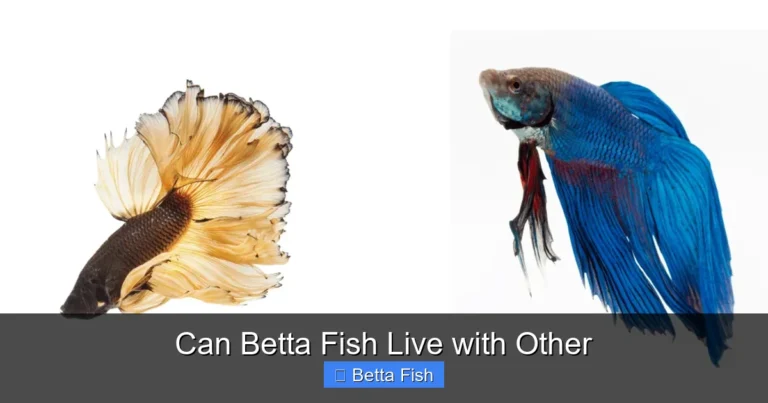
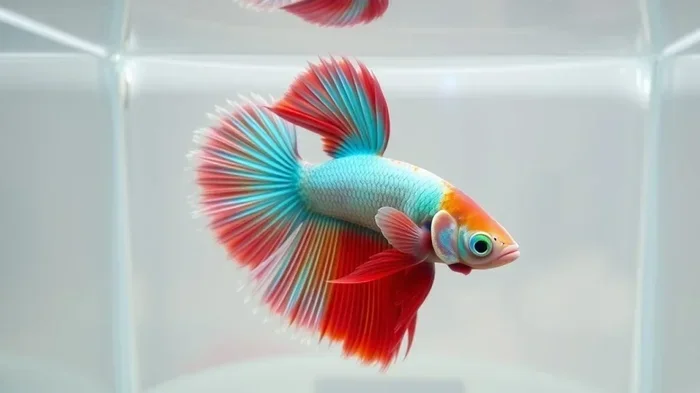
Betta males are famous for their long, flowing fins—caudal, dorsal, and anal—that they use in territorial displays. Tetras have more streamlined bodies and shorter fins, built for swift swimming in schools.
Coloration Genetics
Both groups can show vivid colors, but the genetic mechanisms differ. Betta coloration often stems from selective breeding for ornamental traits, while many tetras get their hues from natural pigments that help them blend into riverine habitats.
3. Natural Habitats: Where They Come From
Betta Fish in the Wild
Wild bettas inhabit shallow rice paddies, slow‑moving streams, and floodplain swamps in Thailand, Cambodia, and Vietnam. The water is warm (24‑30°C), slightly acidic, and rich in vegetation. For a deeper dive, see our article on where are betta fish in the wild.

Visual guide about Are Betta Fish in the Tetra Family
Image source: zdschemical.com
Tetra Environments
Tetras thrive in fast‑flowing, oxygen‑rich rivers and streams of the Amazon basin. Their habitats feature dense canopy cover, soft substrate, and plenty of hiding spots among roots and leaf litter.
Why Habitat Shapes Care Needs
The stark contrast in natural settings explains why bettas love warm, still water with a surface layer to breathe, while tetras prefer cooler, well‑filtered tanks with strong water movement.
4. Behavioral Contrasts
Territoriality
Male bettas are famously aggressive, especially toward other males. They will flare their gills, spread their fins, and may even bite. This is why the common advice is to keep a single male per tank unless you have a heavily planted, divided setup.
Schooling Instincts
Tetras are schooling fish. They feel safe when surrounded by their own kind and will display stress if kept alone. A group of at least six is recommended for most tetra species.
Feeding Habits
Bettas are surface feeders that love live or frozen foods like brine shrimp and daphnia. Tetras are mid‑water to bottom feeders, often thriving on flake, micro‑pellet, and frozen foods.
5. Practical Care Tips for Betta Owners
Tank Size and Setup
Even though bettas are often sold in tiny bowls, they truly need a minimum of 5 gallons (≈19 L) to swim, explore, and establish a territory. A small tank with a gentle filter, a heater set to 78°F (25.5°C), and plenty of plants mimics their natural environment.
Water Parameters
- Temperature: 76‑82°F (24‑28°C)
- pH: 6.5‑7.5 (slightly acidic to neutral)
- Hardness: Soft to moderately hard (50‑150 ppm)
Air Access
Because of the labyrinth organ, always provide a calm surface with a small opening for the fish to gulp air. Avoid strong currents that push the fish away from the top.
Feeding Routine
Offer high‑quality betta pellets once or twice daily, supplemented with occasional live or frozen treats. Overfeeding can cloud water and cause health issues.
Health Checks
Watch for faded colors, torn fins, or unusual swimming patterns. If you notice problems, consider checking water quality first, then consult a specialist for issues like fin rot or dropsy.
Social Considerations
While a single male should stay alone, you can keep a female with a male in a spacious, well‑planted tank, provided you monitor for aggression. For detailed guidance on mixing bettas, read can you have two betta fish in the same bowl.
6. Common Misconceptions About Betta‑Tetra Similarities
“They’re both small and colorful.”
Size and color are superficial traits. The underlying anatomy, genetics, and ecological needs are completely different.
“You can keep them together in a community tank.”
Mixing bettas with fast‑moving, schooling tetras often leads to stress for both parties. Bettas may see tetras as prey or competition, while tetras become frightened by the betta’s aggressive displays.
“Both need the same water temperature.”
Bettas prefer warmer water (up to 82°F), whereas many tetras thrive at 72‑78°F. A shared tank would force a compromise that could harm one species.
Conclusion: Knowing Where Betta Fish Belong Helps You Care Better
Answering the question “are betta fish in the tetra family” is simple: they are not. Bettas belong to the gourami family Osphronemidae, while tetras sit in Characidae. This taxonomic split explains the many differences we’ve explored—from breathing organs and natural habitats to behavior and care requirements.
Understanding these distinctions empowers you to create a tank that meets your betta’s unique needs, keeping it healthy, vibrant, and stress‑free. So the next time you admire a betta’s flamboyant fins, remember you’re looking at a true specialist of Southeast Asian waters—not a member of the tetra clan.
Frequently Asked Questions
Are betta fish related to tetras?
No. Betta fish belong to the family Osphronemidae (gouramis), while tetras are part of the family Characidae. Their evolutionary lines diverged millions of years ago.
Can I keep a betta with tetras in the same tank?
It’s not recommended. Bettas are territorial and may attack tetras, and the temperature needs of each group differ. A separate tank is best for both.
Do bettas need a heater?
Yes. In their natural habitat, water stays warm year‑round. Aim for 76‑82°F (24‑28°C) to keep your betta healthy.
What is the labyrinth organ?
The labyrinth organ is a special breathing structure above the gills that lets bettas gulp air from the surface, allowing them to survive in low‑oxygen water.
How many gallons does a betta need?
At least 5 gallons (≈19 L) is recommended. Larger tanks provide more stable water parameters and room for enrichment.
Where can I learn more about betta natural habitats?
Check out our detailed guide on where are betta fish in the wild for insights into their origins and ideal tank conditions.