Do Betta Fish Kill Goldfish
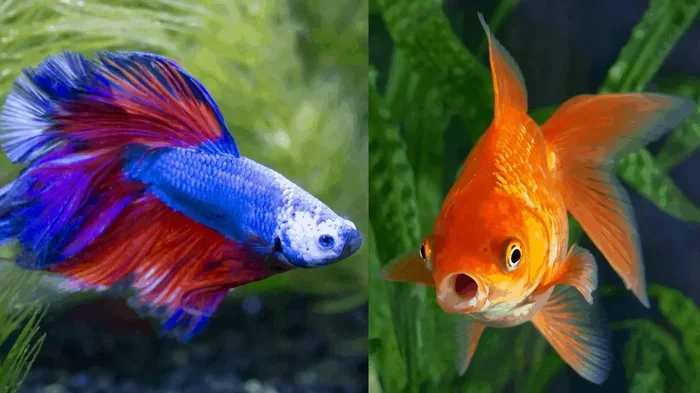
Do betta fish kill goldfish? The short answer is yes — bettas can be aggressive toward goldfish, and the two species are generally poor tank mates. Betta fish aggression stems from their territorial nature, while goldfish produce waste that can harm bettas. Keeping them together requires careful planning, a large tank, and constant monitoring to prevent injury or death.
Do betta fish kill goldfish? This is one of the most common questions among aquarium hobbyists. If you are thinking about housing a betta with a goldfish, you need to understand the risks. The truth is, these two fish species have very different needs and behaviors. Mixing them can lead to serious problems — even death.
Many beginners assume that all peaceful-looking fish can live together. That assumption can be costly. Betta fish are known for their bright colors and flowing fins, but they also have a fierce territorial side. Goldfish, on the other hand, are messy eaters that grow large and produce a lot of waste. Together, these two species can create a dangerous environment.
So, do betta fish kill goldfish? Let us explore the reasons why, what science and experience tell us, and how you can keep your fish safe.
Key Takeaways
- Betta fish can kill goldfish: Their territorial aggression makes them dangerous tank mates.
- Water conditions differ: Goldfish and bettas need different temperatures and water parameters.
- Tank size matters: A large aquarium reduces aggression and gives both fish space.
- Monitor behavior closely: Watch for fin nipping, chasing, and stress signs.
- Separate tanks are safest: Keeping bettas and goldfish apart is the best prevention.
- Feed separately: Prevent food competition by offering meals in different tank areas.
📑 Table of Contents
- Understanding Betta Fish Aggression
- Can Betta Fish and Goldfish Live Together?
- Do Betta Fish Kill Goldfish? Real Risks Explained
- How to Prevent Betta Attacks on Goldfish
- Better Tank Mates for Goldfish
- Better Tank Mates for Betta Fish
- Common Mistakes People Make
- Expert Insights on Betta and Goldfish Cohabitation
- Final Thoughts
Understanding Betta Fish Aggression
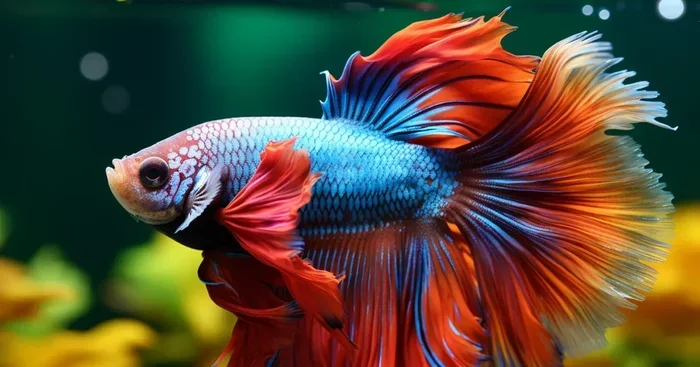
Betta fish, also called Siamese fighting fish, are among the most popular freshwater aquarium pets. Their vibrant colors and long fins make them beautiful to watch. But beneath that beauty lies a strong instinct for dominance and territory.
Why Are Betta Fish So Aggressive?
Betta fish were originally bred in Southeast Asia for fighting. People selected the most aggressive males for breeding over many generations. This means betta fish aggression is deeply wired into their DNA. Even in a home aquarium, that instinct does not disappear.
Male bettas, in particular, will flare their gills, spread their fins, and attack anything that enters their territory. This includes other bettas, but also fish that look similar or move slowly. Goldfish fit that description. Their flowing fins and slow swimming style can trigger a betta’s attack response.
Triggers for Betta Aggression
Several things can make a betta more aggressive. Understanding these triggers helps you manage the risk:
- Small tanks: A cramped space makes bettas feel threatened.
- Bright lights: Harsh lighting increases stress and territorial behavior.
- Mirror reflections: Bettas see their own reflection as a rival.
- Other colorful fish: Fish with bright fins may be seen as competition.
- Crowded tanks: Too many fish in one space raises tension.
When you place a goldfish in a betta’s tank, you are introducing a slow-moving, visually similar fish into a confined space. That is a recipe for trouble.
Can Betta Fish and Goldfish Live Together?
The short answer is: it is very risky. Some fish keepers have successfully housed bettas and goldfish together, but these cases are rare and require a lot of effort. Most experts advise against it.
The Compatibility Problem
Goldfish and bettas have completely different needs. Goldfish are cold-water fish. They thrive in temperatures around 65–72°F. Bettas need warmer water, typically between 76–82°F. This temperature difference alone makes cohabitation difficult.
Beyond temperature, goldfish grow much larger than most people expect. Common goldfish can reach 10–12 inches long. They also produce a significant amount of waste. This waste spikes ammonia levels quickly, which is harmful to bettas.
What Happens When They Are Kept Together?
When bettas and goldfish share a tank, several problems arise:
- The betta may chase and nip at the goldfish’s fins.
- The goldfish may outgrow the tank and stress the betta.
- Water quality drops fast due to goldfish waste.
- The betta may become stressed, leading to disease.
- The goldfish may eat all the food before the betta gets any.
If you want to learn more about how bettas behave around other fish, check out our article on do betta fish and goldfish fight for a deeper look.
Do Betta Fish Kill Goldfish? Real Risks Explained
So, do betta fish kill goldfish? Yes, they can. But it does not always happen instantly. The danger comes from several sources.
Physical Attacks
Betta fish have sharp teeth, even though they are small. They use these teeth to tear at the fins and scales of other fish. A goldfish with damaged fins becomes vulnerable to infection. Over time, repeated attacks can weaken and eventually kill a goldfish.
Stress and Weakened Immunity
Constant chasing and flaring exhausts the goldfish. Stress weakens the immune system, making the fish more susceptible to diseases like ich, fin rot, and fungal infections. A stressed goldfish will stop eating, hide constantly, and lose its color.
Water Quality Issues
Goldfish are notorious for producing excess waste. In a shared tank, ammonia and nitrite levels can spike dangerously. Bettas are sensitive to poor water quality. High ammonia levels can burn a betta’s gills and skin, leading to serious health issues or death.
Competition for Resources
Both fish need food, space, and hiding spots. In a small tank, competition becomes fierce. Bettas are faster eaters and will often grab food before the slower goldfish can reach it. A goldfish that goes hungry will become malnourished and weak.
If you are curious about whether bettas kill other types of fish, read our article on do betta fish kill and eat other fish for more insights.
How to Prevent Betta Attacks on Goldfish
If you are determined to keep bettas and goldfish in the same home, you must take serious precautions. Prevention is always better than treatment.
Use a Very Large Tank
A small tank amplifies aggression. If you must house these fish together, use at least a 55-gallon tank — and bigger is always better. More space means less territorial conflict. Each fish gets its own zone, reducing the chance of confrontation.
Add Plenty of Hiding Spots
Live plants, caves, and decorations give both fish places to retreat. Plants like java fern and anacharis create natural barriers that break up sightlines. When a betta cannot see the goldfish constantly, it is less likely to attack.
Maintain Excellent Water Quality
Perform regular water changes — at least 25% every week. Use a strong filter rated for tanks larger than yours. Test water parameters frequently. Keep ammonia and nitrite at zero, and nitrates below 20 ppm.
Feed Both Fish Properly
Offer food in separate areas of the tank. Drop betta pellets near the betta’s favorite spot. Use sinking pellets or wafers for the goldfish near the bottom. This ensures both fish get enough nutrition.
Watch for Warning Signs
Always monitor behavior. Signs that things are going wrong include:
- The betta flaring constantly at the goldfish
- The goldfish hiding for long periods
- Bites or torn fins on either fish
- Loss of appetite in either fish
- Clamped fins or unusual swimming patterns
If you notice any of these signs, separate the fish immediately. Delaying action can result in injury or death.
For more information on how bettas behave around other species, our article on betta fish fighting goldfish provides additional strategies and insights.
Better Tank Mates for Goldfish
Instead of risking a betta with a goldfish, consider safer companions. Here are fish that generally coexist well with goldfish:
- White Cloud Mountain Minnows: These small, peaceful fish tolerate cooler water and stay away from goldfish territory.
- Rosy Barbs: Active and hardy, they can keep up with goldfish without being targets.
- Bristlenose Plecos: They stay at the bottom and help clean up algae and leftover food.
- Weather Loaches: These bottom dwellers are calm and compatible with goldfish temperatures.
If you want to keep a betta, choose tank mates that match its warm-water needs and peaceful temperament. Avoid fish with long fins or bright colors that might trigger aggression.
Better Tank Mates for Betta Fish
If your goal is to keep a betta happy and safe, here are some species that work well:
- Neon Tetras: Small, fast, and non-threatening.
- Corydoras Catfish: Peaceful bottom dwellers that ignore bettas.
- Mystery Snails: They clean algae and do not bother bettas.
- Ghost Shrimp: Inexpensive and unlikely to provoke aggression.
Remember that every betta has its own personality. Some are more aggressive than others. Always introduce new tank mates slowly and watch for signs of stress.
For a broader understanding of betta behavior toward other fish, read would a betta fish kill a goldfish for expert analysis and real-world scenarios.
Common Mistakes People Make
Many fish keepers make avoidable errors when mixing species. Here are the most common ones:
Mistake 1: Ignoring Temperature Differences
Goldfish and bettas need different water temperatures. Trying to compromise with lukewarm water stresses both fish. Neither species thrives in uncomfortable conditions.
Mistake 2: Underestimating Goldfish Growth
Goldfish start small but grow fast. A fish that fits in a 10-gallon tank today may need a 50-gallon tank within a year. Overcrowding leads to aggression and poor water quality.
Mistake 3: Skipping Observation Time
Many owners set up a shared tank and forget to watch it daily. Regular observation catches problems early. Spend a few minutes each day watching how the fish interact.
Mistake 4: Overfeeding
Extra food sinks to the bottom and rots, spiking ammonia. Feed both fish only what they can eat in two minutes, twice a day.
Expert Insights on Betta and Goldfish Cohabitation
Experienced aquarists almost universally advise against keeping bettas and goldfish together. The risks far outweigh any benefits. According to fish care experts, the two species have evolved in entirely different environments and cannot share the same space without significant risk.
Dr. Jessie Sanders, a certified aquatic veterinarian, has stated that mixing cold-water and tropical fish is one of the most common mistakes new aquarium owners make. The temperature stress alone can shorten the lifespan of both species.
If you want to understand more about why fish turn aggressive toward each other, our article on do betta fish kill each other explains the root causes of territorial aggression in bettas.
Final Thoughts
So, do betta fish kill goldfish? The evidence clearly shows that they can. Betta aggression, incompatible water conditions, competition for resources, and physical attacks all pose real threats to goldfish kept with bettas. While some experienced keepers have made it work, it is not a setup for beginners or casual hobbyists.
The safest approach is to keep these two species in separate tanks. Each fish thrives when its specific needs are met. You get to enjoy the beauty of both without putting either one at risk.
If you are new to fish keeping, start with one species at a time. Learn its needs, master water maintenance, and build your confidence. Once you feel comfortable, you can explore more advanced setups — but always with the health and safety of your fish as the top priority.
Do betta fish kill goldfish — and the answer should guide your decision-making. Keep your fish safe, keep them happy, and keep learning.
Frequently Asked Questions
Can a betta fish kill a goldfish in one night?
It is unlikely but possible in extreme cases. A highly aggressive betta can severely injure a goldfish quickly through fin nipping and chasing. However, death usually results from stress, infection, or poor water quality over time rather than a single attack.
What should I do if my betta is attacking my goldfish?
Separate the fish immediately. Move the goldfish to a safe tank and observe both fish for injuries. Treat any wounds with aquarium-safe medication and check water parameters before considering reintroduction.
Is it ever safe to keep bettas and goldfish together?
It is very risky and not recommended by most experts. If you attempt it, you need a large tank (55+ gallons), excellent filtration, plenty of hiding spots, and constant monitoring. Even then, there is no guarantee of safety for either fish.
Why do bettas attack goldfish specifically?
Goldfish have flowing fins and a slow swimming style that triggers a betta’s territorial instincts. Bettas see slow-moving, colorful fish as rivals or threats, especially in small or cramped tanks.
What temperature is best for both bettas and goldfish?
The truth is, there is no single ideal temperature. Goldfish prefer cooler water around 65–72°F, while bettas need warmer water between 76–82°F. This fundamental difference is one of the main reasons they should not be kept together.
Can a goldfish harm a betta fish?
Yes. Goldfish are large, clumsy swimmers that can accidentally bump into bettas. They also produce a lot of waste, which degrades water quality and can harm sensitive bettas. Goldfish may also eat betta food, leaving the betta malnourished.