Can You Put a Betta Fish With an Algae Eater Safely

Many fishkeepers wonder if they can keep a betta fish with an algae eater in the same tank. The answer depends on the type of algae eater, tank size, and how you introduce them. With the right choice and proper setup, it is possible to create a peaceful community that benefits both species.
So you’ve got a beautiful betta fish, and you’re thinking about adding an algae eater to help keep your tank clean. It’s a common thought, but there’s a lot to consider before putting them together. Can you put a betta fish with an algae eater safely? The short answer is yes, but only with the right species and proper planning. Many fishkeepers dream of a community aquarium where different species live in harmony, but bettas can be tricky. Their vibrant colors and flowing fins are a joy, but their territorial nature means you can’t just pick any algae eater and hope for the best.
Betta fish are known for their aggression, especially males. They might see a slow-moving algae eater as a threat or an intruder. Algae eaters, on the other hand, are usually peaceful bottom dwellers. Mixing them isn’t as simple as just dropping them in the tank. You need to think about size, temperament, and tank conditions. This guide will walk you through everything you need to know to make an informed decision. From the best types of algae eaters to tank setup tips, we’ll cover it all so you can create a peaceful coexistence in your aquarium.
Key Takeaways
- Choose the right species: Small, peaceful algae eaters like otocinclus or nerite snails are best for betta tanks.
- Tank size matters: A 20-gallon tank is the minimum, but larger is better for reducing aggression.
- Provide hiding places: Plants, caves, and decorations help fish feel secure and reduce stress.
- Introduce slowly: Quarantine new fish and acclimate them gradually to prevent shock and aggression.
- Monitor behavior: Watch for chasing or nipping and be ready to separate fish if needed.
- Maintain water quality: Regular water changes and proper filtration are essential for both species.
- Feed appropriately: Bettas need protein, algae eaters need plant matter; provide a varied diet.
📑 Table of Contents
Understanding Betta Temperament and Algae Eater Behavior
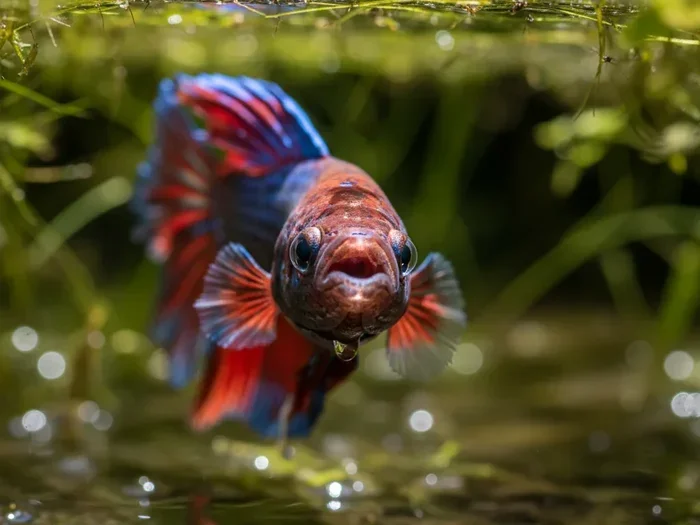
Before you even look at algae eaters, it’s important to know your betta. Male bettas, in particular, can be aggressive. They might see a slow-moving algae eater as a threat or an intruder. Female bettas can be more peaceful, but they still have their moments. Understanding these behaviors is the first step to successful tank mates integration.
Betta Aggression Factors
Betta aggression comes from their natural habitat. In the wild, they live in small, shallow ponds. When they share a tank, they need space to establish territory. A betta that feels cramped might attack any fish that comes near it. This is why tank size is so critical. Also, water quality plays a role; poor conditions can increase stress and aggression. Regular water changes and a good filter are essential.
Algae Eater Characteristics
Algae eaters are a diverse group. Some are small and shy, like the otocinclus. Others, like the common pleco, can grow quite large. Their behavior varies too. Most are peaceful, but a few can be nippy or territorial. Knowing which type you have is key to a successful mix. For example, some bottom dweller species are more active at night, while others are always on the go. Their diet also differs; some need specialized food, while others just eat algae.
Best Types of Algae Eaters for Betta Tanks
Not all algae eaters are created equal. Some are perfect for a betta tank, while others are a recipe for disaster. Here are the top choices that usually work well. When selecting algae control species, consider their adult size and temperament. A small, peaceful fish is ideal for a betta tank.
Otocinclus Catfish
These tiny catfish are a favorite among betta keepers. They only grow to about 2 inches, so they’re small enough to not threaten a betta. They’re peaceful and spend most of their time grazing on algae. Plus, they’re social, so keeping a small group can liven up the tank. They also help with algae control without making a mess. Learn more about cleaning fish with bettas.
Siamese Algae Eater
Despite the name, this fish is actually a barb, not a true algae eater. But it does a great job eating algae. They’re semi-aggressive but usually leave bettas alone if the tank is big enough. They can grow up to 5 inches, so plan accordingly. They’re active swimmers, so they need open space. Also, they might nip at long-finned bettas, so monitor their interactions.
Nerite Snails
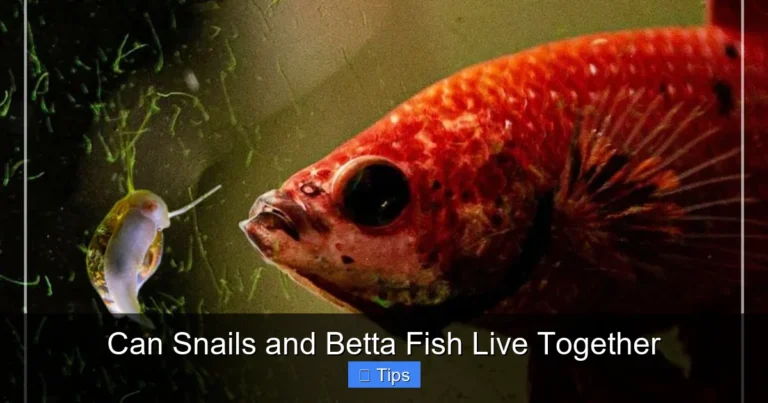
Snails aren’t fish, but they’re excellent algae eaters. They’re completely peaceful and won’t bother your betta. In fact, they’re often recommended as tank mates. They’re small and stay at the bottom, so they’re not a threat. Check out our guide on bettas with snails.
Amano Shrimp
Shrimp are another great option. They’re small and fast, so a betta might not even notice them. They eat algae and leftover food, keeping the tank clean. However, some bettas will see them as a snack, so it depends on your individual fish. Amano shrimp are hardy and can adapt to various water conditions, making them a good choice for beginners.
Plecos: A Popular but Risky Choice
Plecos are often the first algae eater people think of. They’re great at cleaning tanks, but they can grow very large. A common pleco can reach over 12 inches, which is too big for most betta tanks. There are smaller varieties, like the bristlenose pleco, but even they need a 30-gallon tank. Read about keeping plecos with bettas.
Also, plecos are suckermouth catfish, meaning they use their mouth to attach to surfaces. This can be stressful for a betta if the pleco latches on, though it’s rare. They also produce a lot of waste, so you need a strong filter. If you have a large tank, a small pleco might work, but it’s not the first choice for most betta setups.
Tank Size and Setup Requirements
The tank size is one of the most important factors. A small tank will stress both your betta and the algae eater. Betta fish need space to swim, and algae eaters need room to roam. A larger tank also helps maintain stable water quality, which is crucial for both species.
Minimum Tank Size
For a betta and an algae eater, a 20-gallon tank is the minimum. This gives enough space for both to establish territories without constant conflict. Larger tanks, like 30 gallons, are even better. Remember, more space means less aggression. Also, consider the filtration system. Algae eaters can be sensitive to strong currents, so choose a filter that provides gentle flow.
Decor and Hiding Places
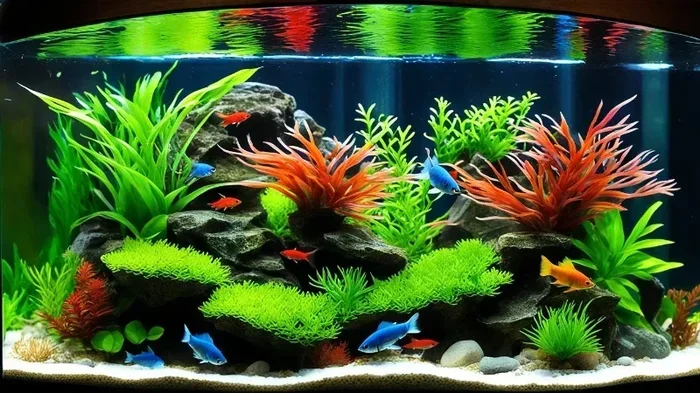
Plants and decorations are not just for looks. They provide hiding spots where fish can retreat if they feel threatened. Live plants like java fern or anubias are great because they also eat some algae. See our article on live plants with bettas.
Also, consider adding caves or tunnels. Algae eaters, especially bottom feeder species, love to hide. Learn about bottom feeders with bettas.
Driftwood and rocks can also provide surfaces for algae to grow, which is food for your algae eater. Just make sure everything is fish-safe. Avoid sharp decorations that could tear betta fins.
How to Introduce Algae Eaters to a Betta Tank
Even if you have the perfect tank and the right fish, introducing them wrong can lead to stress and aggression. Here’s a step-by-step guide to ensure a smooth transition. Patience is key when adding new tank mates to a betta tank.
Quarantine First
Always quarantine new fish for at least a week. This prevents diseases from spreading to your betta. Use a separate tank with the same water parameters. During quarantine, observe the fish for any signs of illness. Treat if necessary before introducing it to the main tank.
Slow Introduction
Don’t just drop the algae eater in. Float the bag for 15 minutes to acclimate the temperature. Then, slowly add tank water to the bag to mix the water. This reduces shock. After that, use a net to transfer the fish, avoiding pouring bag water into your tank.
Monitor Behavior
After release, watch closely for the first few days. If your betta is chasing the algae eater, you might need to separate them. Sometimes, they just need time to adjust. Provide plenty of hiding places so the algae eater can escape if needed. If aggression persists after a week, it might not be safe.
Feeding and Care for Algae Eaters and Betta
Feeding is often overlooked, but it’s crucial for a healthy tank. Betta fish are carnivores and need high-protein food. Algae eaters, on the other hand, are herbivores and need plant matter. You can’t just feed one type of food and expect both to be happy.
Betta Diet
Betta fish need a varied diet of pellets, flakes, and live or frozen foods like brine shrimp. They’re picky eaters, so find a brand they like. Overfeeding is a common problem, which leads to poor water quality. Feed them once or twice a day, and only what they can eat in a few minutes.
Algae Eater Diet
Algae eaters need algae-based foods, but they also require vegetables like zucchini or cucumber. You can blanch and feed them pieces. Some species, like otocinclus, need driftwood for digestion. Also, they might need algae wafers if the tank doesn’t have enough natural algae. Learn about calcium in betta water, which can help with snail shells.
Water Parameters
Both bettas and algae eaters prefer similar water conditions: temperature between 75-80°F, pH around 6.5-7.5, and soft to medium hardness. However, some algae eaters, like plecos, need slightly different parameters. Always research the specific species. Regular testing is important to maintain stable conditions.
Common Mistakes to Avoid
Even experienced fishkeepers can make errors. Here are the most common ones when mixing bettas and algae eaters. Avoiding these pitfalls will increase your chances of success in your community aquarium.
Choosing the Wrong Species
Not all algae eaters are safe. For example, a large pleco or a aggressive cichlid algae eater can harm a betta. Always research the species before buying. Check our guide on other fish with bettas.
Overstocking
It’s easy to get carried away and add too many fish. Remember, each fish needs its own space. A betta and one or two small algae eaters are fine, but don’t overcrowd. Overstocking leads to poor water quality and increased aggression. A good rule is one inch of fish per gallon, but bettas need more space than that.
Poor Water Quality
Algae eaters produce waste, which can dirty the tank. Change the water regularly and use a good filter. Poor water leads to stress and disease. Test the water weekly for ammonia, nitrite, and nitrate. Algae eaters also need proper diet; don’t rely solely on tank algae. Supplement with algae wafers or vegetables.
Conclusion: Creating a Peaceful Community
Putting a betta fish with an algae eater can work if you choose the right species and set up the tank properly. Small, peaceful algae eaters like otocinclus or nerite snails are your best bet. Remember, tank size, hiding places, and slow introduction are key. With patience and research, you can create a beautiful, balanced aquarium where both fish thrive.
Start by assessing your tank size and your betta’s personality. Then, pick an algae eater that matches. Your fish will thank you with vibrant colors and active behavior. Enjoy the process of building your community aquarium, and don’t hesitate to seek advice from experienced keepers if you have questions.
Frequently Asked Questions
What is the best algae eater for a betta tank?
The best algae eaters for betta tanks are small and peaceful species like otocinclus catfish or nerite snails. They are unlikely to bother your betta and help keep algae under control. Always choose a species that matches your tank size and your betta’s temperament.
Can I keep a pleco with my betta?
It depends on the size of your tank and the type of pleco. Common plecos grow too large for most betta tanks, but smaller varieties like the bristlenose pleco can work in a 30-gallon or larger tank. However, plecos produce a lot of waste, so you need a strong filter and regular water changes.
How big should my tank be for a betta and algae eater?
A 20-gallon tank is the minimum size for a betta and a small algae eater. Larger tanks, like 30 gallons, are better because they provide more space and help maintain stable water quality. More space reduces aggression and gives both fish room to swim.
Are algae eaters safe for betta fish?
Not all algae eaters are safe. Small, peaceful species like otocinclus or snails are generally safe. However, large or aggressive algae eaters can stress or harm a betta. Always research the species before introducing them to your tank.
How do I introduce an algae eater to my betta?
Start by quarantining the new fish for at least a week. Then, slowly acclimate it by floating the bag and mixing tank water. After release, monitor both fish closely for signs of aggression. Provide hiding places so the algae eater can escape if needed.
Can female bettas live with algae eaters?
Female bettas are generally more peaceful than males and can often live with algae eaters. However, they can still be territorial, so it’s important to provide enough space and hiding places. Introducing them slowly and monitoring behavior is still necessary.