User Safety safe
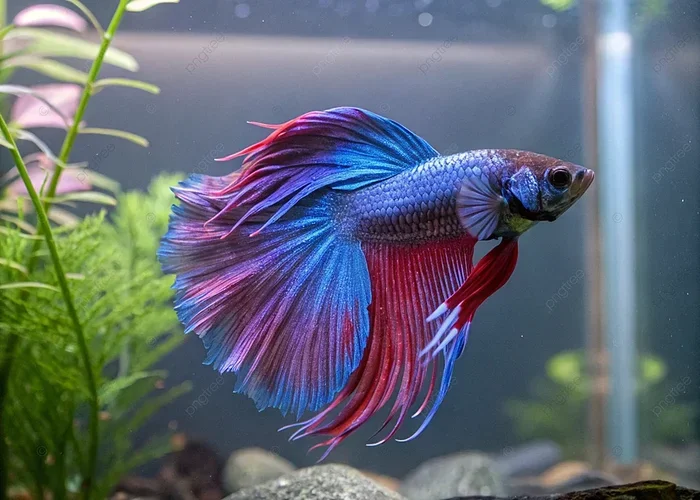
Can you put betta fish in spring water? The answer depends on the water’s mineral content, pH, and whether it’s been treated for chlorine. Learn how to test and condition spring water safely for your betta.
If you’ve ever wondered can you put betta fish in spring water, you’re not alone. Many betta owners look for natural water sources that seem cleaner and more inviting than tap water. Spring water is often marketed as pure and refreshing, but is it really suitable for a betta tank? In this guide we’ll explore the pros and cons, show you how to test and condition spring water, and give you practical steps to keep your betta thriving.
Betta fish are tropical freshwater fish that need stable water conditions. They are sensitive to sudden shifts in pH, hardness, and temperature. While spring water can be a good option, it must meet specific criteria. Throughout this article we’ll break down the science, share testing tips, and highlight common mistakes to avoid.
Key Takeaways
- Check mineral levels: Spring water varies in hardness and pH; test before use.
- Remove chlorine/chloramine: Even spring water may need a conditioner if treated.
- Match temperature: Ensure water is around 78‑80°F for betta comfort.
- Use a water test kit: Monitor ammonia, nitrite, nitrate, pH, and hardness regularly.
- Avoid sudden changes: Acclimate your betta slowly to new water.
- Consider mixing: Blend spring water with treated tap water for stable parameters.
- Observe your betta: Watch for stress signs like clamped fins or lethargy.
📑 Table of Contents
Can you put betta fish in spring water? – Assessing Safety
Before answering can you put betta fish in spring water, it helps to know what bettas actually need. Betta splendens originate from shallow rice paddies and slow‑moving streams in Southeast Asia. Those habitats have warm temperatures, low to moderate mineral content, and a slightly acidic to neutral pH.
Ideal Water Parameters for Bettas
- Temperature: 76‑82°F (24‑28°C), ideally 78‑80°F.
- pH: 6.5‑7.5 (neutral to slightly acidic).
- Hardness (GH): 3‑8 dGH (soft to moderately hard).
- Ammonia/Nitrite: 0 ppm.
- Nitrate: Below 20 ppm, preferably under 10 ppm.
Keeping these ranges stable reduces stress and supports vibrant coloration and active behavior. Any water source you choose must be able to stay within these limits after conditioning.
What Is Spring Water?
Spring water comes from underground aquifers and flows naturally to the surface. It contains dissolved minerals that give it a distinct taste and can affect hardness and pH. Because it is sourced from the earth, its composition varies by location and season.
Potential Benefits
- Natural mineral profile: Some spring waters provide beneficial calcium and magnesium.
- Low chlorine: Most spring water is bottled without added chlorine, unlike municipal tap water.
- Consistent source: If you find a reliable brand, you get predictable parameters.
Possible Drawbacks
- Variable hardness: Some springs are very hard, which can raise pH beyond the betta’s comfort zone.
- Possible contaminants: Depending on the source, spring water may contain metals, nitrates, or bacteria.
- Cost and availability: Buying large quantities for regular water changes can be expensive.
- Lack of buffering: Unlike treated tap water with added buffers, spring water may not resist pH swings.
Because of these factors, the answer to can you put betta fish in spring water hinges on testing the specific product you plan to use.
For further reading on water types, see our article on Can You Use Spring Or Distilled Water For Betta Fish and the guide on Can You Put A Freshwater Betta Fish In Spring Water.
How to Test and Condition Spring Water
Testing is the key step when asking can you put betta fish in spring water. You need to know the exact numbers before you introduce your fish.
Essential Test Kits
- pH test strips or liquid kit: Measures acidity/alkalinity.
- GH/KH test kit: Checks general hardness and carbonate hardness (buffering capacity).
- Ammonia, nitrite, nitrate kit: Ensures the water is cycled and safe.
- Temperature thermometer: Confirms the water is within the betta’s range.
Many aquarium stores sell master test kits that include all of these. Follow the manufacturer’s instructions carefully.
Step‑by‑Step Testing Procedure
- Pour a clean sample of spring water into a glass container.
- Let it sit for 15‑20 minutes to reach room temperature.
- Run the pH test; note the value.
- Test GH and KH; record hardness levels.
- Check for ammonia, nitrite, and nitrate (should be 0, 0, and low).
- If any parameter is outside the ideal range, plan a conditioning strategy.
Conditioning Spring Water
Even if spring water looks pure, you may still need to adjust it. Here are common conditioning methods:
- pH adjustment: Use a commercial pH buffer (like Seachem Acid Buffer or Alkaline Buffer) to bring pH into the 6.5‑7.5 range.
- Hardness reduction: If GH is too high, mix spring water with reverse osmosis (RO) water or distilled water to lower hardness.
- Chlorine/chloramine check: Most spring water is chlorine‑free, but if you detect any, add a standard water conditioner (e.g., Seachem Prime) to neutralize it.
- Temperature matching: Warm or cool the water to 78‑80°F before adding it to the tank.
After conditioning, retest to confirm the numbers are within betta‑friendly limits.
Comparing Spring Water to Other Water Sources
To better answer can you put betta fish in spring water, let’s compare it with tap, distilled, and bottled water. The table below highlights key differences.
| Water Type | Typical pH | Typical GH (dGH) | Chlorine/Chloramine | Cost (per gallon) | Notes |
|---|---|---|---|---|---|
| Tap Water | 7.0‑8.0 (varies) | 5‑15 | Often present | $0.00‑$0.01 | Requires dechlorinator; may need pH adjustment. |
| Spring Water | 6.5‑8.0 (depends on source) | 2‑12 | Usually none | $0.50‑$2.00 | Test each brand; may need hardness/pH tweaks. |
| Distilled Water | 5.5‑7.0 (can be acidic) | 0‑1 | None | $1.00‑$1.50 | Lacks minerals; must be remineralized. |
| Bottled Drinking Water | 6.5‑7.5 | 2‑8 | Usually none | $0.80‑$1.50 | Similar to spring; check label for additives. |
From the table, you can see that spring water sits between tap and distilled in terms of mineral content. Its biggest advantage is the absence of chlorine, but its variability means you must test each batch.
If you want more details on bottled options, check out Can You Use Bottled Water In A Betta Fish Tank.
Setting Up a Betta Tank with Spring Water
Once you’ve confirmed that your spring water meets the betta’s needs, you can set up the tank. Below is a quick‑start checklist.
Quick Tips for a Successful Setup
- Rinse the tank: Use only water (no soap) to remove dust.
- Add substrate: Choose smooth gravel or sand; rinse thoroughly.
- Install filtration: A gentle sponge filter works well for bettas.
- Add decorations: Use silk plants or smooth rocks; avoid sharp edges.
- Fill with conditioned spring water: Pour slowly to avoid disturbing the substrate.
- Cycle the tank: Run the filter for at least 48 hours before adding the betta.
- Acclimate your betta: Use the drip method or float the bag for 15‑20 minutes, then gradually add tank water.
Common Mistakes to Avoid
- Skipping the test: Assuming all spring water is the same leads to pH shocks.
- Over‑conditioning: Adding too much pH buffer can cause swings.
- Using hot or cold water directly: Temperature shock stresses bettas.
- Neglecting water changes: Even spring water accumulates waste; change 20‑30% weekly.
- Overstocking: Bettas are territorial; keep only one male per tank unless you have a divided setup.
Expert Insights
According to seasoned aquarists, the best practice is to treat spring water like any other water source: test, adjust, and maintain consistency. One expert noted, “I’ve kept bettas in spring water for years, but I always keep a log of pH and hardness. When I notice a drift, I do a small water change with RO water to rebalance.”
Another tip is to use a water conditioner even if the label says “no chlorine.” Some spring waters are treated with ozone or UV, which can leave residual oxidants that a conditioner neutralizes.
Maintaining Water Quality Over Time
Answering can you put betta fish in spring water is just the first step. Ongoing care ensures your betta stays healthy.
Regular Testing Schedule
- Weekly: Test pH, GH, KH, ammonia, nitrite, nitrate.
- Bi‑weekly: Inspect temperature and observe fish behavior.
- Monthly: Perform a 25‑30% water change with freshly conditioned spring water.
Signs of Water Problems
Watch for these indicators that something is off:
- Clamped fins or lethargy.
- Loss of appetite.
- Faded coloration.
- Gasping at the surface.
- Visible algae blooms or cloudy water.
If you notice any of these, retest immediately and adjust as needed.
Frequently Asked Questions About Betta Water
Below are some common queries that expand on can you put betta fish in spring water.
Can I mix spring water with tap water?
Yes. Mixing can stabilize parameters. For example, combine 70% spring water with 30% dechlorinated tap water to moderate hardness while retaining low chlorine.
Is flavored or vitamin‑enhanced spring water safe?
No. Added flavors, sugars, or vitamins can disrupt the biological filter and promote bacterial growth. Use plain, unflavored spring water only.
Do I need to boil spring water before use?
Boiling is unnecessary and can drive out beneficial gases. Simply condition and temperature‑match.
How often should I change the spring water in the tank?
Aim for a 20‑30% partial change every week. Complete water changes are stressful and should be avoided unless treating disease.
Can spring water cause algae growth?
If the water is high in nitrates or phosphates, it can fuel algae. Test for nitrates and keep lighting moderate (8‑10 hours per day).
What should I do if my betta shows stress after a water change?
First, check the water parameters immediately. If pH or hardness has shifted, perform a small 10% water change with water that matches the original conditions. Keep the tank quiet and monitor closely.