How Can You Tell If Betta Fish Has Disease
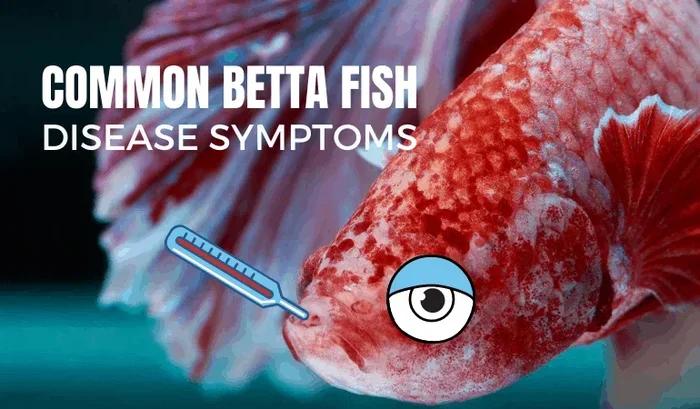
Knowing how can you tell if betta fish has disease starts with recognizing key symptoms like color changes, lethargy, and appetite loss. This guide covers the most common betta fish health problems, from fin rot to ich, and gives you simple steps to diagnose and treat your fish. Early detection and proper care can save your betta’s life and keep your tank thriving.
Watching your betta fish act differently can be scary. You want to know if something is wrong and how to fix it. The truth is, betta fish disease symptoms show up in many ways. Some signs are easy to spot, while others hide beneath the surface.
This guide walks you through everything you need to know. You will learn how to identify common illnesses, understand what causes them, and take action fast. Whether your fish shows subtle changes or obvious distress, you will find practical advice here.
Let us dive in and help you keep your betta healthy and happy.
Key Takeaways
- Visual cues matter: Faded colors, clamped fins, and white spots are early warning signs of disease in betta fish.
- Behavioral changes are telling: Lethargy, loss of appetite, and gasping at the surface often signal underlying health issues.
- Water quality is the root cause: Poor tank conditions lead to most betta fish illnesses, so regular testing is essential.
- Early treatment works best: Catching diseases like fin rot or ich early makes treatment much more effective.
- Prevention beats cure: Maintaining clean water, proper temperature, and a stress-free environment keeps your betta healthy.
- Quarantine new fish: Isolating new arrivals prevents the spread of contagious diseases to your existing betta.
📑 Table of Contents
Common Signs Your Betta Fish Is Sick
Spotting sick betta fish signs early gives you the best chance of saving your fish. Betta fish are tough, but they are not invincible. They show distress through their body and behavior. Learning these signals is the first step toward effective treatment.
Changes in Appearance
A healthy betta fish has bright, vibrant colors and flowing fins. When disease strikes, the first thing you will notice is often a change in how your fish looks. Here are the most common visual signs:
- Faded or dull colors: A once-vivid betta turning pale is a red flag. Color loss often indicates stress or illness.
- Clamped fins: When a betta holds its fins close to its body instead of spreading them, something is wrong.
- White spots: Tiny white dots on the body and fins usually mean ich, a very common parasite.
- Ragged or rotting fins: Fin rot causes the edges of the fins to look shredded or discolored.
- Swollen body: A bloated belly can signal dropsy or internal infection.
- Red streaks or patches: These often point to bacterial infections on the skin or fins.
Behavioral Changes to Watch For
Betta fish have distinct personalities. You will quickly notice when your fish behaves differently. Betta fish behavioral changes are among the strongest indicators of disease.
- Lethargy: If your betta spends most of the time resting at the bottom or hiding, it may be unwell.
- Loss of appetite: A healthy betta is an eager eater. Refusing food for more than a day is concerning.
- Gasping at the surface: This often means the water lacks oxygen or your fish has a gill problem.
- Erratic swimming: Darting around the tank or rubbing against objects can signal parasites or irritation.
- Flashing: When a fish rapidly rubs its body on decorations, it is trying to relieve itching from parasites.
Top Betta Fish Diseases and How to Identify Them
Not all diseases look the same. Each one has its own set of betta fish disease symptoms. Understanding the most common illnesses helps you act quickly and confidently.
Fin Rot
Fin rot is one of the most common betta fish health problems. It is usually caused by poor water quality or bacterial infection. The fins start looking ragged and may turn white or red at the edges. In mild cases, improving water conditions often resolves the issue. Severe cases may need medication.
Fin rot vs. Tail Rot
People often confuse these two conditions. Fin rot affects the edges of the fins, while tail rot eats into the tail itself. Both share similar causes: dirty water and bacterial buildup. The key difference is how far the damage has spread.
Ich (White Spot Disease)
Ich is caused by a tiny parasite that appears as white salt-like spots on the body. Your betta may scratch against objects and breathe rapidly. Ich spreads fast and can be deadly if left untreated. Raising the water temperature slightly and using medication works well for treatment.
Fungal Infections
Fungal infections look like cotton-like growths on the skin or fins. They usually develop when a fish is already weakened by injury or another illness. Fungal infections are less contagious than bacterial ones but still need prompt attention.
Dropsy
Dropsy is one of the most serious betta fish illnesses. The fish’s body becomes deeply swollen, and scales stick out like a pinecone. It is often caused by internal bacterial infection. Sadly, dropsy has a low survival rate, which is why early detection of other diseases matters so much.
Velvet Disease
Velvet looks like a fine gold or rust-colored dust on the fish’s skin. Infected bettas often scratch themselves and lose their appetite. Velvet is caused by a parasitic organism and spreads quickly through contaminated tanks.
What Causes Betta Fish to Get Sick
Understanding the root causes of betta fish disease symptoms helps you prevent problems before they start. Most diseases are not random. They happen because something in the environment or care routine needs adjustment.
Poor Water Quality
The number one cause of illness in betta fish is bad water. Ammonia and nitrite buildup burn the fish’s sensitive skin and gills. Even small amounts of these chemicals can weaken the immune system. This makes your betta vulnerable to infections and parasites.
If you use tap water, make sure you treat it properly. Can you use tap water in a betta fish tank? Yes, but only after removing chlorine and chloramine with a water conditioner. Untreated tap water is one of the fastest ways to make a betta sick.
Incorrect Water Temperature
Betta fish are tropical and need warm water. The ideal range is between 76°F and 82°F. Cold water slows down their metabolism and weakens their immune response. A reliable heater is not optional for betta tanks. Temperature swings stress the fish and open the door to disease.
Overcrowding and Stress
Stress is a silent killer. When bettas live in cramped spaces or with aggressive tank mates, their bodies produce cortisol. This hormone suppresses the immune system over time. A stressed fish is a sick fish. Giving your betta enough space and a calm environment goes a long way.
Poor Diet
Feeding your betta the wrong food or too much food can cause health issues. Overfeeding leads to constipation and bloating, which can progress into more serious problems. A varied diet of high-quality pellets, frozen bloodworms, and brine shrimp keeps your fish strong and resilient.
How to Diagnose Disease in Your Betta Fish
Diagnosis starts with observation. You know your fish better than anyone. When something seems off, follow these steps to figure out what is going on.
Step 1: Observe Daily
Make it a habit to watch your betta every day. Look at the fins, body, and swimming pattern. Catching small changes early makes a huge difference. The sooner you notice something is wrong, the faster you can respond.
Step 2: Test the Water
Use a liquid test kit to check ammonia, nitrite, nitrate, and pH levels. Unstable water parameters are the leading cause of betta fish health problems. If any level is off, a water change should be your first move.
Step 3: Compare Symptoms
Match what you see with the disease descriptions above. Look at your betta’s appearance and behavior side by side with known symptoms. This helps you narrow down the possible causes.
Step 4: Act Quickly
Do not wait and hope the problem goes away. Most fish diseases get worse fast. Early intervention gives your betta the best fighting chance. Move the sick fish to a quarantine tank if possible and begin treatment right away.
When to See a Vet
If you have tried basic treatments and your betta is not improving, it may be time to consult a fish veterinarian. Some conditions require prescription medications that are not available over the counter. Do not hesitate to seek professional help for severe cases.
Prevention Tips to Keep Your Betta Healthy
Prevention is always easier than cure. A few simple habits can protect your betta from most common diseases. Here is how to keep your fish thriving.
Maintain Clean Water
Perform regular water changes of 25 to 30 percent each week. Vacuum the gravel to remove waste and uneaten food. Clean filters monthly but never replace all filter media at once. This preserves beneficial bacteria that keep your tank cycle stable.
Keep the Temperature Stable
Use a quality aquarium heater with a thermostat. Avoid placing the tank near windows, vents, or drafty areas. Temperature fluctuations stress your betta more than you might think.
Feed a Balanced Diet
Offer small meals twice a day rather than one large feeding. Rotate between pellets, frozen foods, and live foods for variety. Remove any uneaten food within five minutes to keep the water clean.
Quarantine New Fish
If you ever add new fish to your tank, keep them in a separate quarantine tank for at least two weeks. This prevents the spread of hidden diseases. Many betta fish common diseases spread through new arrivals that look healthy but carry pathogens.
Reduce Stress
Provide plenty of hiding spots and gentle tank mates, or keep your betta solo. Avoid bright flashing lights and loud noises near the tank. A calm, stable environment supports a strong immune system.
Treatment Options for Sick Betta Fish
Once you identify the disease, treatment should start immediately. The right approach depends on the type of illness your betta is facing.
Water Changes and Tank Maintenance
For mild cases, a large water change (50 percent) combined with gravel cleaning often solves the problem. Fresh, conditioned water at the correct temperature can work wonders. This alone addresses many issues caused by poor water quality.
Medication
For bacterial infections, aquarium salt and antibacterial medications are effective. For parasites like ich and velvet, specialized treatments such as malachite green or formalin work well. Always follow dosage instructions carefully and remove carbon from filters during treatment.
Salt Baths
A diluted aquarium salt bath can help treat external parasites and mild fungal infections. Use one teaspoon of salt per gallon of quarantine tank water. Monitor your betta closely during the bath and remove it if the fish shows signs of distress.
Temperature Adjustment
Raising the water temperature to around 82°F to 84°F can speed up the life cycle of ich parasites, making them more vulnerable to medication. This technique works well as a complementary treatment alongside medication.
Remember that every fish responds differently to treatment. Patience and consistency are key. Monitor your betta closely and adjust your approach if needed.
Final Thoughts
Learning how can you tell if betta fish has disease is one of the most valuable skills any betta owner can develop. The signs are there if you know where to look. From faded colors and clamped fins to lethargy and loss of appetite, your fish tells you what it needs. Pay attention, act quickly, and your betta has every chance of a full recovery.
Prevention through clean water, proper temperature, and low stress is the foundation of good betta care. Combine that with prompt treatment when illness strikes, and you will be well equipped to handle whatever comes your way. Your betta depends on you. Stay attentive, stay informed, and enjoy the rewarding experience of caring for these beautiful fish.
For more detailed guidance on recognizing when a betta is seriously ill, check out how can you tell if a betta fish is dying for advanced warning signs that go beyond everyday sickness.
Frequently Asked Questions
What are the first signs of disease in a betta fish?
The earliest signs include faded colors, clamped fins, loss of appetite, and unusual lethargy. These subtle changes often appear before more obvious symptoms develop. Catching them early gives you the best chance of successful treatment.
Can a betta fish recover from disease on its own?
Mild cases of illness, especially those caused by temporary water quality issues, may resolve with improved tank conditions. However, most diseases require active treatment such as medication or salt baths. Waiting too long can allow the condition to worsen.
How do I know if my betta fish has ich?
Ich appears as tiny white spots that look like grains of salt on the body and fins. Infected bettas often scratch against objects and breathe rapidly. It is highly contagious and spreads quickly to other fish in the same tank.
Is fin rot contagious to other fish?
Fin rot itself is caused by bacteria already present in the water. While the rot is not directly contagious, poor water conditions that cause it can affect all fish in the tank. Improving water quality protects every fish in the aquarium.
What water parameters are most important for preventing betta fish disease?
Ammonia and nitrite should always read zero, while nitrates should stay below 20 ppm. pH should remain stable between 6.5 and 7.5. Consistent temperature between 76°F and 82°F also plays a major role in keeping your betta healthy and disease-free.
Should I separate a sick betta fish from other tank mates?
Yes, isolating a sick betta in a quarantine tank prevents the spread of disease and makes treatment easier. A separate tank also reduces stress, which helps the fish focus its energy on healing. This is especially important if you suspect a contagious condition like ich or velvet.