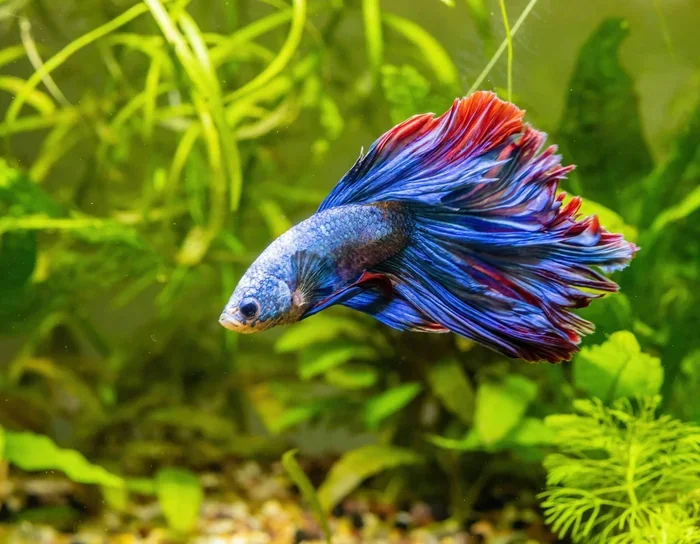
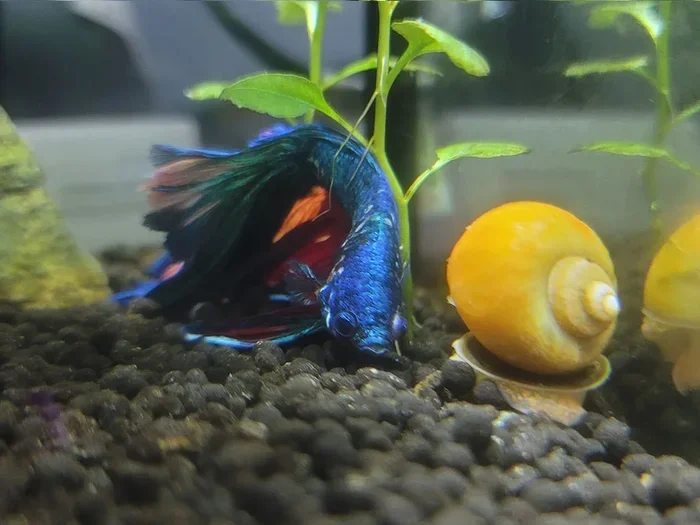
Can You Put GloFish With Betta Fish Together Safely
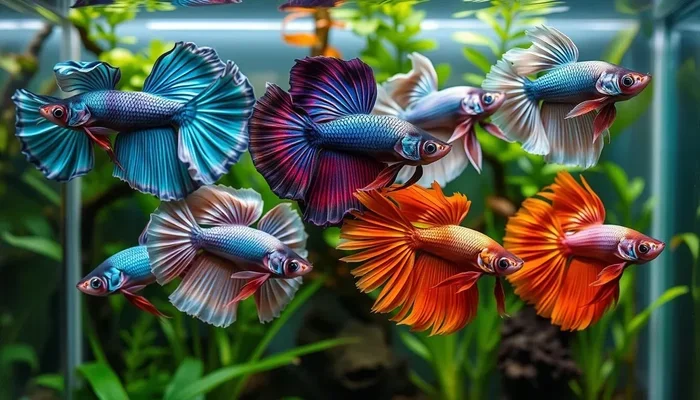
Can you put GloFish with betta fish together safely? Yes, if you choose a calm betta, keep a full school of at least six tetras, and use a roomy, planted tank. Add the fish slowly, watch for chasing or stress, and separate them at the first lasting sign of harm.
GloFish tetras are bright, active fish that can look like an easy match for a betta. They share warm freshwater needs, but their color and movement may trigger a betta’s chase instinct. The result depends more on the fish and tank than on a simple yes or no.
If you want a community tank, you need a safe plan. This guide explains betta fish compatibility, tank setup, water care, and a calm introduction process.
Key Takeaways
- Use a large tank: A 20-gallon tank gives a betta and a tetra school enough space, cover, and territory.
- Keep a full school: Add at least six GloFish tetras. A single tetra will feel unsafe and may become stressed.
- Choose the betta carefully: Female bettas often work better in community tanks, but every fish has its own personality.
- Add plenty of cover: Plants, caves, and hidden areas break sightlines and reduce chasing.
- Introduce fish slowly: Quarantine new fish and use a careful acclimation process.
- Act fast during trouble: Separate the betta if it constantly attacks, stops eating, or shows torn fins.
📑 Table of Contents
Can You Put GloFish With Betta Fish Together Safely?
Yes, you can put GloFish with betta fish together safely in the right setup. GloFish tetras are usually peaceful, small schooling fish. They rarely bother bettas and can thrive in the same warm water.
However, a betta may see their bright colors and constant movement as a threat. This risk is higher with a male betta or a fish that has already shown aggression. Review GloFish tetra and betta compatibility before making your final choice.
| Setup | Best Choice | Why |
|---|---|---|
| Female betta plus six tetras in 20 gallons | Usually the best option | There is more room, cover, and space for separate areas. |
| Calm male betta plus six tetras in 20 gallons | Possible with close care | Males may chase more often, even in a large tank. |
| One tetra in a small bare tank | Not recommended | Tetras need a school, and small tanks are hard to manage. |
| Two male bettas together | Never do this | Male bettas can fight seriously and may cause death or injury. |
What Raises the Risk?
- A male betta with a strong chase drive
- A small tank with few hiding places
- Too few tetras in the school
- A new tank that is not fully cycled
- Strong filter flow or a bare tank floor
The safest setup is a 20-gallon tank, at least six tetras, dense cover, and a betta with a calm record. A female betta is often the better choice, but she is not guaranteed to be peaceful.
Why GloFish Tetras Can Work as Betta Tank Mates
GloFish tetras usually swim in the middle and upper parts of the tank. A betta often claims the lower and middle areas, so the fish may not meet constantly. Their small size also makes them less likely to look like a major rival.
The Schooling Rule Matters
Do not keep one GloFish tetra with your betta. Tetras feel safer in a group. When the school stays together, each fish spends less time alone and reacting to danger.
This also supports natural schooling behavior. A loose group that darts around the tank can stress a betta. A tight school that moves as one is usually calmer and easier to manage.
When researching keeping schooling fish with a betta, focus on the whole setup. Tank size, cover, and temperament matter more than the fish name alone.
Choose the Right Tetras
Buy at least six healthy tetras from the same batch when possible. They should swim actively, have intact fins, and show normal color. Avoid weak, hiding, or injured fish.
- Choose active tetras with clear eyes.
- Avoid fish with torn fins or white spots.
- Do not mix tetras with known fin-nippers.
- Keep the school together rather than splitting it.
GloFish tetras are not the most active fin nippers, but stress can change behavior. A safe tank reduces this risk.
Betta and GloFish Tank Setup
Use Enough Water and Space
A 20-gallon long aquarium is the best choice for most betta and GloFish setups. The long shape gives each fish room to use different areas. It also makes planting and dividing the tank easier.
A 10-gallon tank may hold six tetras by themselves. Still, it is usually too tight for a reliable betta community. A small tank also changes water quality faster and offers fewer escape routes.
- Best choice: 20 gallons or larger
- Tetra group: Six to ten fish
- Tank shape: Long rectangle
- Stocking level: Leave open swimming space
Keep Stable Water Parameters
Both fish need a fully cycled aquarium. Ammonia and nitrite must read zero. Nitrate should stay below 20 ppm, and water changes should remove waste before it builds up.
Use a heater and thermometer to hold the water between 76 and 80 degrees Fahrenheit. A stable range near 78 degrees works well for both species. Test the pH, but avoid sudden changes.
- Temperature: 76–80°F
- pH: About 6.5–7.8
- Ammonia and nitrite: 0 ppm
- Nitrate: Below 20 ppm
Use a conditioned tap-water changer before adding or replacing water. Never place fish in an uncycled tank. New tank syndrome can cause fish stress signs that look like aggression.
Add Cover and Gentle Flow
A dense planted tank gives the tetras safety and helps the betta feel secure. Use live or silk plants rather than sharp plastic. Add caves, floating plants, and broad leaves where possible.
Planting also supports planting a betta tank and improves water quality. Use a filter baffle to slow strong current. Bettas prefer calm water, while tetras need enough flow to swim naturally.
- Add a secure lid because bettas can jump.
- Keep lights low during the first few days.
- Provide a warm, quiet location away from loud noise.
- Leave a clear path along the tank bottom.
How to Introduce GloFish Tetras to a Betta
Use a Careful Fish Introduction Plan
Quarantine new GloFish tetras for two to four weeks. Watch them for illness, odd behavior, and loss of color. This protects your existing betta from parasites and disease.
- Prepare the main tank. Cycle it, add heat, plants, and hiding spots, then test the water.
- Quarantine the tetras. Keep them in a separate tank until they are healthy and stable.
- Add the school first. Let the tetras settle for several days before adding the betta.
- Use a temporary divider. Let the fish smell and see one another without direct contact.
- Release at night. Turn off the lights and use a net. Never pour store water into the tank.
- Watch closely. Check the tank often during the first 48 hours.
A divider can help, but it is not a long-term home. Oxygen, flow, and temperature may differ on each side. Remove it only when the betta appears calm and the tetras can swim without panic.
Quick Tips for a Calmer Setup
- Feed the tetras before the betta so they do not crowd the surface.
- Use tiny food portions that the whole school can find.
- Move decorations before adding the betta to reduce new territory.
- Keep a backup tank ready in case separation is needed.
Do not place a new tetra directly beside a curious betta. Even a peaceful betta may lunge during the first meeting. Slow changes give both fish time to settle.
Warning Signs, Common Mistakes, and Expert Insights
When You Should Separate the Fish
Some brief chasing may happen during the first hours. It should stop once the tank settles. Lasting attacks are different and need action.
- The betta pins the tetras in one corner.
- Tetras dart across the tank in a panic.
- The betta clamps its fins or hides for days.
- The betta loses color or stops eating.
- Tetra fins become torn or bloody.
- The same tetra is chased again and again.
If you see lasting harm, separate the betta at once. Keep the tetras in the planted tank if their water is stable. Place the betta in a clean, heated, cycled backup tank.
Common Mistakes to Avoid
- Using a small tank: Tight spaces make territory disputes worse.
- Keeping one tetra: A lone tetra is stressed and unsafe.
- Skipping quarantine: One sick fish can infect the whole tank.
- Adding everyone at once: The betta may react before the school settles.
- Expecting females to be safe: Some female bettas are aggressive.
- Keeping male bettas together: This can lead to serious injury.
Expert Insight: Manage Risk, Not Just Behavior
Think of this as risk management. No setup can promise a perfect match. The best owners prepare for separation before trouble starts.
Watch the first 48 hours and the first two weeks closely. If the tetras form a tight school and the betta ignores them, the setup is working. If the betta keeps attacking, give the fish a separate home.
Conclusion: Should You Keep Them Together?
Can you put GloFish with betta fish together safely? Yes, when you use a large, planted tank and a calm betta. Keep at least six tetras, maintain clean water, and introduce the fish slowly.
The best choice is a 20-gallon tank with a gentle filter, plenty of cover, and a fully cycled system. Still, watch every interaction. A safe community tank depends on patient care, not luck.
Frequently Asked Questions
Can I keep one GloFish tetra with a betta?
No. GloFish tetras are schooling fish and should not live alone. Keep at least six tetras together in a properly sized tank.
How many GloFish tetras can I keep with a betta?
Add at least six, with eight to ten being a good choice in a 20-gallon tank. More space and a full school help reduce stress.
Are male bettas safe with GloFish tetras?
A calm male betta may coexist with tetras in a large, planted tank. The risk is higher than with many female bettas, so watch closely for chasing or torn fins.
Are female bettas safer with GloFish tetras?
Female bettas are often calmer in community tanks, but they can still be aggressive. A female with a history of attacking other fish should live alone.
How long should I wait before adding the betta?
Quarantine the tetras for two to four weeks. After they are healthy, let them settle in the main tank before introducing the betta slowly.
Why is my betta attacking the GloFish tetras?
The betta may see the bright, active fish as a threat or rival. If the attacks continue, separate the betta and give both fish stable homes.