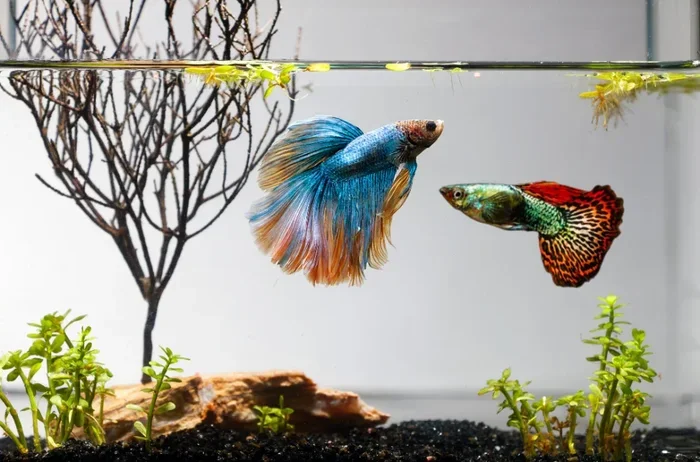
Do Betta Fish Have Scales
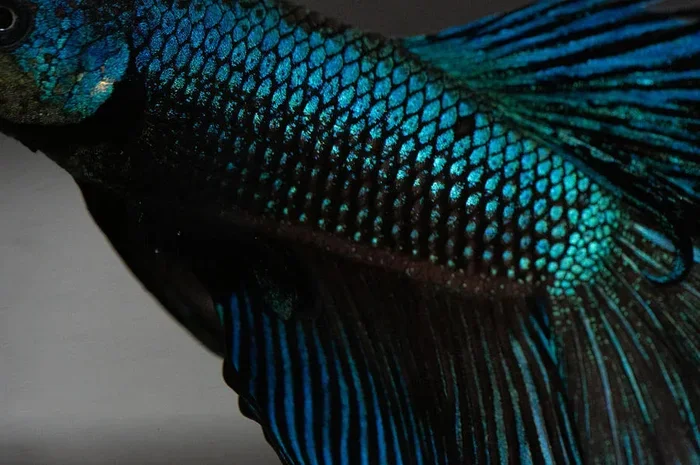
Yes, betta fish do have scales. They have small, ctenoid scales that overlap like roof tiles, providing protection and defense for their delicate bodies. Understanding betta fish scales helps you care for your fish better and spot health issues early.
Do betta fish have scales? The short answer is yes. But the full story is much more interesting than a simple yes or no. Betta fish scales are tiny, overlapping plates that cover their body like natural armor. They play a bigger role in your fish’s health than most people realize.
If you own a betta or are thinking about getting one, understanding their scales helps you provide better care. Healthy scales mean a healthy fish. And when something goes wrong with the scales, it is often the first sign that something deeper is happening. Let us dive into everything you need to know about betta fish scales, how they work, and how to keep them in great shape.
Key Takeaways
- Betta fish have small ctenoid scales that overlap like roof tiles across their body.
- Scales protect bettas from injury, infection, and parasites in the wild and in tanks.
- Healthy scales look smooth and slightly shiny, while dull or peeling scales signal health problems.
- Water quality directly affects scale health, so regular maintenance is essential.
- Betta fish also have a slime coat over their scales that acts as an extra immune barrier.
- Scale loss can happen due to poor water conditions, rough tank mates, or disease.
- Scales grow back in most cases if the underlying cause is addressed quickly.
📑 Table of Contents
What Kind of Scales Do Betta Fish Have?
Not all fish scales are the same. Different species have different types of scales, and each type serves a specific purpose. Betta fish have ctenoid scales, which are small, tooth-like plates that overlap tightly across the body. The name “ctenoid” comes from the tiny comb-like edges on each scale.
These scales are thin and somewhat translucent. You might not even notice them at first glance, especially on colorful bettas where the scales sit beneath bright fins and vibrant skin. But they are there. They cover the fish from head to tail, leaving only the eyes, gills, and fins exposed.
How Betta Scales Compare to Other Fish
Some fish have large, thick scales that are easy to see. Koi and carp, for example, have prominent cycloid scales that feel smooth to the touch. Betta scales are much smaller and more delicate. They are built more for flexibility than for heavy-duty armor.
This makes sense when you think about where bettas live. In the wild, they inhabit shallow rice paddies, slow-moving streams, and flooded rice fields. They do not need thick, heavy scales because they are not fighting strong currents or large predators every day. Instead, their scales work together with their slime coat to create a lightweight but effective barrier.
It is also worth noting that betta fish have lungs as well as gills, which sets them apart from many other fish species. This unique breathing adaptation means their body has evolved in special ways, and their scales are just one part of that story.
What Do Betta Fish Scales Do?
Scales are not just decorative. They serve several critical functions that keep your betta alive and well. Understanding these roles helps you appreciate why scale health matters so much.
Protection from Physical Harm
The first and most obvious job of scales is protection. Betta fish scales act as a shield against bumps, scrapes, and minor injuries. In the wild, bettas navigate through dense vegetation and shallow water. Their scales help absorb small impacts that could otherwise damage their skin or muscles.
In a home aquarium, scales protect your fish from rough decorations, sharp gravel, or accidental contact with tank walls. This is why it is important to choose soft, smooth substrates and avoid any sharp objects in your betta’s tank.
Defense Against Disease and Parasites
Scales are not just a physical barrier. They also help fight off harmful bacteria, fungi, and parasites. Each scale sits slightly overlapping the one below, creating a layered defense system. This makes it harder for pathogens to penetrate the fish’s body.
Underneath the scales, bettas produce a special mucus layer. This slime coat contains antibodies and enzymes that neutralize many common pathogens. Together, the scales and the slime coat form a powerful immune defense system.
Fluid Regulation
Scales also help regulate the flow of water across the fish’s body. They create a semi-permeable barrier that controls how much water and minerals pass through the skin. This helps maintain the fish’s internal balance, which is critical for everything from organ function to energy levels.
How to Tell If Your Betta’s Scales Are Healthy
Checking your betta’s scales regularly is one of the best things you can do for their health. Healthy scales are easy to spot once you know what to look for.
Signs of Healthy Scales
- Smooth and flat: Scales lie flat against the body without lifting or peeling.
- Slightly shiny: A healthy sheen on the scales indicates good hydration and nutrition.
- Even color: Scales match the fish’s body color without dark spots or patches.
- No redness or swelling: The skin around each scale looks clean and calm.
- Intact slime coat: The fish looks slightly glossy overall, not dry or dull.
Signs of Unhealthy Scales
- Raised or protruding scales: This can indicate dropsy, a serious condition where fluid builds up under the scales.
- Peeling or flaking: Often a sign of poor water quality or a bacterial infection.
- Discoloration: White, gray, or red patches may signal fungus, bacteria, or parasites.
- Scale loss: Missing scales expose the fish to infection and should be addressed quickly.
If you notice any of these warning signs, test your water parameters immediately. Dirty water is the number one cause of scale problems in betta fish. Ammonia, nitrite, and nitrate spikes can damage the slime coat and weaken the scales over time.
Common Scale Problems in Betta Fish
Even with the best care, betta fish can develop scale-related issues. Knowing what to watch for helps you catch problems early and respond fast.
Dropsy and Pinecone Scales
Dropsy is one of the most well-known scale problems. It causes the scales to stick out away from the body, giving the fish a pinecone-like appearance. This happens when the fish’s internal organs fail to regulate fluids properly. Dropsy is often fatal, but early detection improves the chances of recovery.
If you see raised scales, quarantine the fish immediately and check your water parameters. While dropsy is difficult to treat, catching it early gives your betta the best possible chance.
Scale Shedding and Regrowth
Betta fish do shed and regrow scales naturally over time. A single missing scale is usually not a cause for alarm. However, if multiple scales are missing or if shedding happens rapidly, it is a red flag.
Common causes of excessive scale loss include:
- Poor water quality and high ammonia levels
- Rough handling during netting or tank cleaning
- Aggressive tank mates or sharp decorations
- Bacterial or fungal infections
- Nutritional deficiencies that weaken scale growth
The good news is that betta scales can regrow. If you fix the underlying cause and maintain clean water, new scales should grow back within a few weeks to a couple of months.
Scale Rot and Bacterial Infections
Scale rot happens when bacteria eat away at the scales and the skin underneath. It often starts as a small area of redness or discoloration and spreads quickly if left untreated. This condition is almost always linked to poor water quality.
To prevent scale rot, keep up with regular water changes and maintain a stable tank environment. Betta fish need clean water to stay healthy, and this includes the health of their scales.
How to Keep Your Betta’s Scales Healthy
Prevention is always better than treatment. A few simple habits go a long way toward keeping your betta’s scales in top condition.
Maintain Clean Water
This is the single most important thing you can do for your betta’s scales. Dirty water weakens the slime coat and makes scales vulnerable to damage and disease. Perform partial water changes at least once a week, and always use a water conditioner to remove chlorine and chloramine.
Keep your tank cycled properly before adding your betta. A well-cycled tank means beneficial bacteria break down harmful waste before it can build up. This creates a stable, safe environment for your fish’s scales and overall health.
Feed a Balanced Diet
What your betta eats directly affects their scales. A diet rich in protein and essential nutrients supports strong scale growth and a healthy slime coat. Feed high-quality betta pellets as a staple, and supplement with frozen or live foods like brine shrimp and bloodworms.
Avoid overfeeding. Excess food decays in the water and pollutes the tank, which can damage scales indirectly through poor water quality.
Avoid Rough Handling
Always use a soft net when handling your betta. Avoid chasing them around the tank or grabbing them with your hands. Rough handling can dislodge scales and damage the slime coat, leaving your fish open to infection.
If you need to move your betta, gently guide them into a container with a soft net. Betta fish should be kept alone in most cases, so you will not need to worry about separating them from aggressive tank mates.
Choose Tank Decorations Carefully
Sharp rocks, rough plastic plants, and abrasive decorations can scratch and damage scales. Stick to smooth decorations, soft silk plants, and gentle substrate like fine sand or smooth gravel. Your betta will thank you with healthier scales and a happier life.
Do Betta Fish Lose Their Scales?
Yes, betta fish can lose scales, but it is not always a sign of trouble. Natural shedding happens slowly over time, and new scales grow back without any intervention. However, rapid or excessive scale loss is a problem that needs attention.
If your betta loses scales due to an injury or infection, the scales will typically regrow on their own. The key is to identify and fix the root cause. Check your water parameters, review your tank setup, and make sure your fish is eating well. With proper care, most bettas recover fully from minor scale damage.
Some fish keepers wonder if betta fish have any nutritional value to other animals in the wild. While this is not directly related to scales, it is worth noting that bettas in the wild rely on their scales and overall body condition to survive predation and disease. Scales are a vital part of their natural defense system.
Expert Tips for Scale Care
Here are some quick tips from experienced betta keepers that can make a real difference in your fish’s scale health:
- Test your water weekly. Ammonia and nitrite should always read zero. Nitrates should stay below 20 ppm.
- Do not overclean the tank. Removing too much beneficial bacteria can spike ammonia levels and stress your fish.
- Use a gentle filter flow. Bettas prefer calm water. Strong currents can wear down scales over time.
- Add Indian almond leaves. These release natural compounds that support slime coat health and reduce inflammation.
- Observe your fish daily. A quick visual check every day helps you catch scale problems before they become serious.
Taking care of your betta’s scales is really about taking care of the whole fish. When water is clean, food is nutritious, and the tank environment is stress-free, your betta’s scales will naturally stay healthy and strong.
Final Thoughts
Do betta fish have scales? Yes, and they are more important than most people think. Betta fish scales provide protection, support immune function, and help regulate fluid balance. Healthy scales are a sign of a happy, well-cared-for fish. Unhealthy scales are a warning sign that something in the tank needs attention.
By keeping your water clean, feeding a balanced diet, and handling your betta gently, you give your fish the best chance at strong, healthy scales for years to come. Remember that betta fish have to breathe air and thrive in warm, stable environments, and their scales are just one piece of the puzzle when it comes to keeping them healthy.
Take a moment each day to look at your betta closely. Check the scales, the fins, the eyes, and the overall body condition. A few minutes of observation can catch problems early and give your beautiful fish a longer, happier life. Your betta depends on you, and those tiny scales are counting on you to keep their world clean and safe.
Frequently Asked Questions
Do all betta fish have visible scales?
Most betta fish have scales, but they are very small and often hard to see, especially on colorful varieties. The scales sit beneath the skin and fins, making them less noticeable than on other fish species. Under good lighting, you may be able to see the faint outline of each scale.
Can betta fish scales grow back after damage?
Yes, betta fish scales can regrow after being lost due to injury, infection, or disease. The regrowth process usually takes a few weeks to a couple of months, depending on the severity of the damage and the overall health of the fish. Maintaining clean water and proper nutrition supports faster scale regrowth.
What causes betta fish scales to stick out?
Sticking-out scales, often called pinecone scales, are a classic sign of dropsy. This condition causes fluid to build up inside the fish, pushing the scales outward. Dropsy is usually linked to internal organ failure and bacterial infection. It requires immediate attention and improved water conditions.
Are betta fish scales the same as human fingernails?
No, betta fish scales are not the same as fingernails. Scales are bony plates made of bone and dentin, while fingernails are made of keratin. However, both serve as protective coverings for the body. Betta scales are much thinner and more delicate than the thick scales found on many other fish species.
How often should I check my betta’s scales?
A quick visual check during feeding time is usually enough. You should also do a more thorough inspection once a week when you perform water changes. Look for any raised, discolored, or missing scales, and note any changes in your fish’s overall appearance or behavior.
Can poor water quality damage betta fish scales?
Yes, poor water quality is one of the biggest threats to betta fish scales. High ammonia and nitrite levels weaken the slime coat and can cause scales to lift, peel, or fall off. Regular water changes and proper cycling keep the water safe and support healthy scale development.