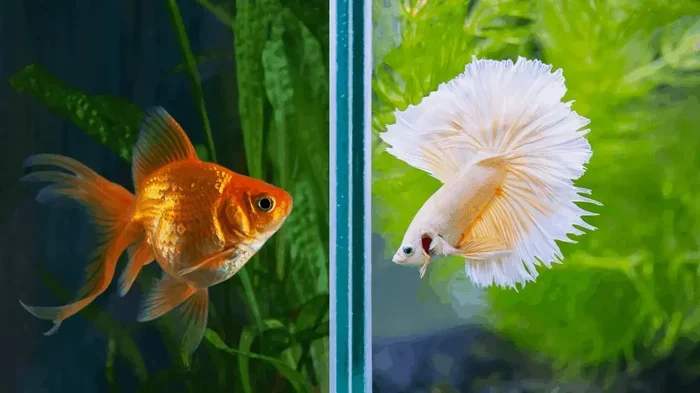
Can you order betta fish online Discover the truth and tips

Yes, you can absolutely order betta fish online from reputable breeders and aquariums, but it requires careful research and preparation. Choosing reliable vendors, understanding proper shipping protocols, and setting up an ideal environment before your fish arrives are crucial steps for success.
Key Takeaways
- Reliable breeders exist online: Choose established vendors with positive reviews and proper certifications for healthy betta fish.
- Shipping requires special care: Insulated packaging, temperature control, and expedited delivery ensure safe transport.
- Environment preparation is essential: Set up a properly sized tank with appropriate water conditions before your betta arrives.
- Understand betta biology: Bettas need warm water, gentle filtration, and species-specific care to thrive.
- Health guarantee matters: Reputable sellers offer return policies and health guarantees for peace of mind.
- Timing affects survival: Order during appropriate seasons and avoid extreme weather conditions for best results.
- Initial setup costs add up: Factor in tank, equipment, water conditioner, and first supplies beyond the fish price.
📑 Table of Contents
- Introduction: The Digital Age of Betta Fish Ownership
- Is It Safe to Order Betta Fish Online?
- Finding Reputable Online Sellers
- Preparing for Your Betta’s Arrival
- Understanding the Shipping Process
- Caring for Your Newly Arrived Betta
- Alternative Water Sources for Your Betta
- Cost Considerations and Budget Planning
- Seasonal Considerations for Ordering
- Common Mistakes to Avoid
- Conclusion: Making Your Online Betta Purchase Success
Introduction: The Digital Age of Betta Fish Ownership
Imagine receiving a stunning, colorful betta fish right at your doorstep—no need to visit crowded pet stores or worry about the fish being stressed from handling. This is the reality for many modern aquarists who successfully order betta fish online. The practice has become increasingly popular as more people seek healthier, more vibrant fish from specialized breeders rather than mass-produced store stock.
However, ordering a betta fish online isn’t as simple as clicking “buy now.” It involves understanding the unique needs of these magnificent creatures, finding trustworthy sellers, and preparing for their safe arrival. Many first-time buyers wonder if this process is worth the effort compared to traditional pet store purchases. The answer is yes—but only when done correctly with proper preparation and research.
Is It Safe to Order Betta Fish Online?
The short answer is absolutely, but with important caveats. When you choose reputable sources and follow proper protocols, online betta purchases often result in healthier, more vibrant fish than those found in typical pet stores. Many online breeders specialize in specific color varieties and strains that simply aren’t available locally.
Why Online Bettas Can Be Better Quality
Professional breeders who sell online typically focus exclusively on betta splendens and related species. They maintain optimal breeding conditions, carefully select parent fish, and monitor genetic diversity. This specialized attention often produces fish with more vibrant colors, better finnage, and fewer genetic issues compared to mass-market pet store fish that may come from large, impersonal hatcheries.
Understanding the Risks
Shipping live fish always carries some risk. The most common issues include stress-related mortality during transport, temperature fluctuations, and physical damage. However, experienced online sellers have developed sophisticated shipping methods that minimize these risks. They use specialized packaging, temperature regulation, and partner with reliable shipping companies that understand how to handle live cargo.
Red Flags to Watch For
Not all online sellers are created equal. Avoid vendors who:
- Offer prices significantly below market rate
- Have few or no customer reviews
- Dont provide detailed photos of actual fish for sale
- Cannot explain their breeding practices
- Offer no health guarantees or return policies
These warning signs often indicate poor quality fish or unreliable business practices that could cost you both money and a beloved pet.
Finding Reputable Online Sellers
Finding a trustworthy seller is perhaps the most critical step in successfully ordering betta fish online. The best approach involves thorough research and verification of credentials.
Researching Breeder Credentials
Look for sellers who:
- Have been in the business for multiple years
- Maintain active social media presence showing their fish and facilities
- Provide detailed information about their breeding programs
- Offer references or testimonials from satisfied customers
- Are willing to answer questions about their fish and care
Professional breeders take pride in their work and welcome inquiries about their practices.
Reading Customer Reviews
Customer feedback provides invaluable insights into a seller’s reliability. Look beyond star ratings to read actual comments about packaging quality, fish health upon arrival, and customer service responsiveness. Pay attention to how sellers handle problems or concerns—ethical vendors will work with customers to resolve issues rather than dismiss complaints.
Understanding Pricing Structure
Quality betta fish pricing varies significantly based on rarity, coloration, and breeder reputation. Expect to pay $15-50 for standard show-quality fish, with premium specimens reaching $100 or more. Remember that extremely low prices often indicate compromised health or poor breeding practices. The total cost should also include shipping fees, which typically range from $15-30 depending on distance and urgency.
Preparing for Your Betta’s Arrival
Nothing ruins the excitement of receiving new betta fish faster than realizing you’re not prepared for their arrival. Proper preparation prevents stress for both you and your new pet.
Setting Up the Perfect Environment
Your betta needs an ideal environment before they even arrive. Here’s what you should have ready:
- A properly sized tank (minimum 5 gallons for single betta)
- Appropriate filtration system
- Accurate temperature thermometer
- Water testing kit
- Appropriate water conditioner
- Hiding places and appropriate décor
- Quality betta food variety
Setting everything up in advance allows you to acclimate your fish quickly and stress-free.
Water Preparation Essentials
Understanding proper water chemistry is crucial for betta health. Most bettas thrive in:
- Temperature between 76-82°F (24-28°C)
- Neutral to slightly acidic pH (6.5-7.5)
- Low ammonia and nitrite levels
- Moderate hardness
Using tap water conditioner removes harmful chlorine and chloramine that can damage your betta’s sensitive organs. If you’re unsure about your tap water quality, consider using tap water specifically conditioned for bettas or exploring alternative water sources.
Packaging and Acclimation Supplies
Professional sellers typically include acclimation instructions, but having your own supplies ready helps. You’ll need:
- Plastic bag or container for drip acclimation
- Clean towels for any spills
- Timer to monitor acclimation period
- Net-free container for transfer
These simple preparations make the difference between a smooth transition and a stressed fish.
Understanding the Shipping Process
Live fish shipping requires special expertise and equipment. Understanding how professionals handle this process can reduce anxiety and improve outcomes.
Shipping Methods and Timeline
Most reputable betta sellers use priority mail or equivalent services with guaranteed delivery dates. Shipping typically takes 1-3 days depending on distance. Expedited shipping options are available for urgent situations but cost significantly more. Understanding that your fish will experience some travel stress helps set realistic expectations.
Temperature Control During Transport
Professional fish shipping involves specialized insulation and temperature regulation. Sellers use:
- Waxed paper padding to prevent injury
- Insulated boxes with temperature packs
- Oxygenated water in sealed containers
- Appropriate water-to-space ratios
Shipping during extreme weather conditions is avoided whenever possible, though some temperature fluctuation is normal.
What to Expect Upon Delivery
When your package arrives, inspect it immediately. Look for signs of damage or temperature compromise. Open packages carefully and have your prepared tank ready. Most sellers include a health guarantee period, typically 3-7 days, during which you should monitor your fish closely for any signs of distress or illness.
Caring for Your Newly Arrived Betta
The journey doesn’t end when your betta arrives—proper care ensures they thrive in their new environment.
Initial Acclimation Process
Drip acclimation is the safest method for introducing your betta to their new environment. Here’s the process:
- Float the sealed bag in your tank for 15 minutes to equalize temperature
- Open the bag carefully without wetting the fish
- Place a small hole in the bag to allow tank water to slowly drip in
- Let the bag sit for 15-30 minutes, depending on your tank’s water parameters
- Gradually transfer your betta using a net or by pouring
This process prevents shock from sudden environmental changes.
Monitoring Initial Health
Your first week is critical for establishing a baseline of health. Watch for:
- Normal swimming behavior
- Appetite and feeding response
- Fins in good condition without tears or damage
- Clear eyes and clean gills
- No signs of external parasites or diseases
If you notice concerning symptoms, contact your seller immediately—they often provide guidance and support during this critical period.
Establishing a Feeding Routine
Bettas are accustomed predators that respond well to varied nutrition. Start with small amounts of high-quality pellets, offering 2-3 times daily. Consider supplementing with frozen or live foods like brine shrimp for optimal nutrition. Avoid overfeeding, which is one of the most common causes of betta health problems.
Alternative Water Sources for Your Betta
While tap water conditioner is standard, some aquarists explore alternative water sources. Understanding your options helps optimize water quality.
Using Purified Water Options
If your tap water contains problematic minerals or chemicals, consider:
- Purified bottled water specifically designed for fish
- Distilled water treated with appropriate minerals
- Rainwater collected and treated properly
These alternatives often require mineral supplementation to maintain proper water chemistry.
Specialized Water Treatment Products
Several products can enhance tap water safety:
- Tetra Aquasafe removes chlorine and neutralizes harmful substances
- Tetra Lifeguard provides broad-spectrum disease prevention
- Reverse osmosis systems for complete water purification
Always follow manufacturer instructions and test your water after treatment.
Cost Considerations and Budget Planning
Ordering bettas online involves more than the fish price. Understanding all costs prevents budget surprises.
Initial Setup Expenses
Beyond your betta purchase, budget for:
- Tank and stand ($100-300 for 5-gallon setup)
- Filter system ($20-60)
- Heater and thermometer ($25-50)
- Water testing kit ($15-30)
- Water conditioner ($10-20)
- Food and initial supplies ($20-40)
Total initial investment typically ranges from $200-500 depending on equipment quality and choices.
Long-term Maintenance Costs
Monthly expenses include:
- Food replacement ($10-20)
- Water conditioner ($5-10)
- Filter media replacement ($10-20)
- Occasional equipment upgrades
Understanding ongoing costs helps maintain healthy fish long-term.
Seasonal Considerations for Ordering
Timing your order affects both fish survival and shipping safety.
Best Seasons for Ordering
Order during temperate seasons when shipping temperatures remain stable. Spring and fall typically offer the most predictable conditions. Avoid extreme summer heat or winter cold, which can stress fish during transport.
Weather-Related Shipping Concerns
Reputable sellers will delay shipping during severe weather warnings. However, you should communicate expectations clearly. Some sellers offer rescheduling options if you’re concerned about conditions in your area.
Common Mistakes to Avoid
Learning from others’ mistakes can save you time, money, and heartbreak.
Purchasing Without Proper Preparation
Never order a betta without having their environment fully ready. Many buyers are tempted by beautiful fish photos but fail to prepare tanks, which leads to stressed fish and potential health problems.
Choosing the Cheapest Option
While budget considerations are important, extremely low prices often indicate poor quality fish or unreliable sellers. Invest in quality from reputable sources for better long-term satisfaction.
Rushing the Acclimation Process
Skipping proper acclimation to save time almost always backfires. Take the full recommended time for drip acclimation—it’s the insurance policy for your new pet’s health.
Conclusion: Making Your Online Betta Purchase Success
Ordering betta fish online can be an excellent way to acquire healthy, vibrant fish from specialized breeders. Success depends on thorough preparation, careful vendor selection, and proper post-arrival care.
By researching reputable sellers, preparing your environment in advance, and following proper acclimation procedures, you’ll maximize your chances of enjoying a beautiful, healthy betta for years to come. Remember that this investment includes not just the initial purchase but also ongoing care and commitment to providing the best possible environment.
The digital age has made high-quality betta fish accessible to enthusiasts everywhere, but responsible ownership remains paramount. With the right approach, ordering betta fish online can transform your aquarium experience and provide years of beauty and fascination.
Final Recommendation
Start your research early, connect with experienced betta keepers in online communities, and never hesitate to ask sellers questions about their practices. The betta fish community is generally welcoming and eager to help newcomers succeed. Your careful preparation and commitment to proper care will be rewarded with one of nature’s most stunning and captivating pets.
Frequently Asked Questions
Can I really get healthy betta fish from online sellers?
Yes, when you choose reputable breeders with good reviews and health guarantees, you can absolutely receive healthy betta fish. Professional online sellers often provide better quality fish than pet stores because they focus exclusively on breeding and have more space to properly care for their fish.
How much does shipping cost for betta fish?
Shipping costs typically range from $15-30 depending on distance and urgency. Most sellers include insurance and specialized packaging in this price. Expedited shipping is available for an additional fee but should be reserved for emergency situations due to higher costs.
What’s the best way to prepare my tank before the betta arrives?
Set up your tank 1-2 weeks in advance to establish proper water parameters and beneficial bacteria. Run your filter continuously, test water regularly, and ensure your heater maintains consistent temperature between 76-82°F. Having all supplies ready eliminates stress for both you and your new fish.
How long does it take for a betta fish to arrive after ordering?
Most orders arrive within 1-3 business days using priority shipping methods. Reputable sellers will notify you when your fish ships and provide tracking information. Plan your order timing to ensure you’re available to receive and acclimate the fish promptly upon arrival.
Do I need special water for my newly arrived betta?
Conditioned tap water works perfectly for most bettas. Use a quality water conditioner like Tetra Aquasafe to remove chlorine and chloramine. If your tap water has high mineral content or unusual properties, consider alternatives like distilled water supplemented with minerals.
What should I do if my betta doesn’t eat after arriving?
It’s normal for new bettas to refuse food for 2-3 days after shipping stress. Don’t force feed or repeatedly offer food. Wait patiently, maintain clean water conditions, and try different food types. If lack of appetite continues beyond a week, consult with your seller or a veterinarian specializing in fish care.