Can I Use Sink Water for Betta Fish
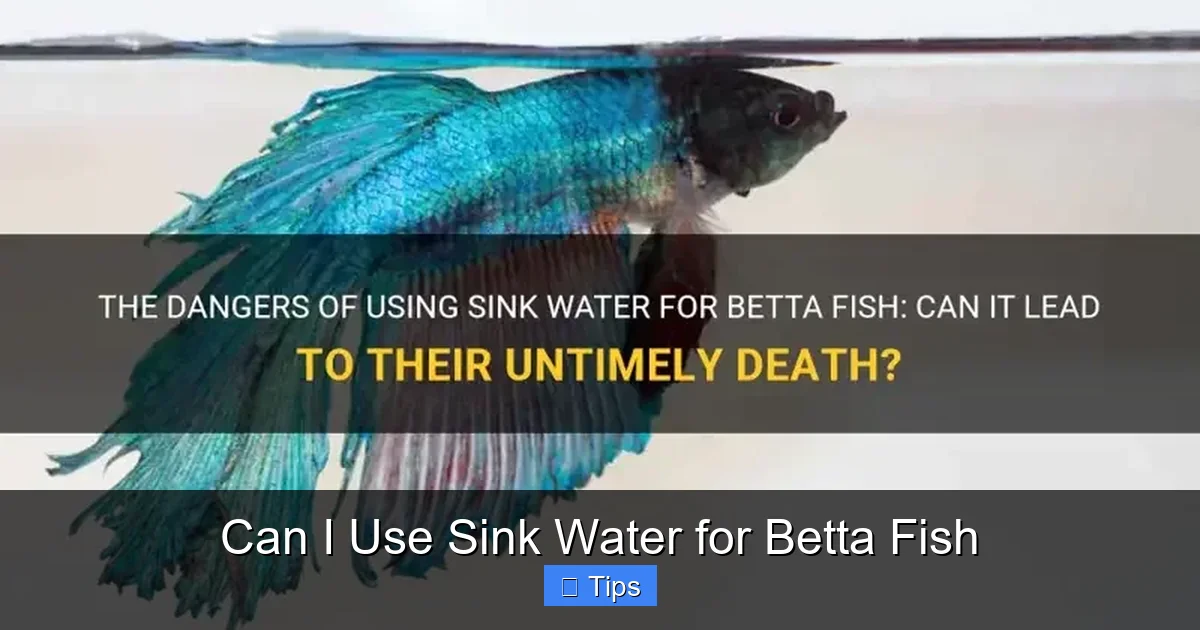
Yes, you can use sink water (tap water) for your betta fish, but you absolutely cannot use it straight from the faucet. Untreated tap water contains chlorine, chloramines, and heavy metals that are lethal to bettas. The critical step is proper treatment with a reliable water conditioner/dechlorinator before it ever touches your fish tank. Understanding your local water parameters (pH, hardness) and maintaining a consistent water change routine are just as vital as the initial treatment for long-term betta health.
So you’ve brought home that stunning, flowing-finned betta fish, and you’re setting up his new kingdom. You’ve got the tank, the heater, the beautiful plants, and maybe a little castle. Then you reach for the one thing you’ll use more than anything else: the water. You turn on the sink, but a tiny voice of doubt whispers: Can I use sink water for betta fish? The short, life-or-death answer is: yes, but never, ever directly. Your household tap water is a minefield of chemicals that will kill your betta if introduced untreated. However, with the right knowledge and tools, treated sink water is not only safe but is the most practical, sustainable, and recommended water source for the vast majority of betta keepers. This guide will walk you through everything you need to know, from the dangers lurking in your pipes to the simple, daily steps that ensure your betta thrives.
Key Takeaways
- Understanding can i use sink water for betta fish: Provides essential knowledge
📑 Table of Contents
- The Dangerous Reality: What’s Actually in Your Sink Water?
- The Lifesaving Solution: Water Conditioners & Dechlorinators
- Beyond Chlorine: Understanding Your Water’s Personality (pH & Hardness)
- Alternative Water Sources: Bottled, Distilled, and RO/DI
- The Cornerstone of Care: Your Water Change Routine
- Emergency & Special Situations
- Conclusion: The Simple, Safe Path to a Thriving Betta
The Dangerous Reality: What’s Actually in Your Sink Water?
To understand why you can’t just fill the tank from the faucet, we need to talk about what your municipal water treatment plant adds. These chemicals are essential for making water safe for human consumption, but they are toxic poisons to fish.
Chlorine: The Quick Killer
Chlorine has been used for over a century to disinfect drinking water. It’s highly effective at killing bacteria and viruses that could make us sick. For a betta fish, however, chlorine is like breathing in bleach. It aggressively damages the delicate tissues of the gills, making it impossible for the fish to absorb oxygen from the water. A betta placed in chlorinated water will gasp frantically at the surface, its gills turning bright red, and can die within minutes to hours depending on the concentration.
Chloramines: The Silent, Persistent Threat
Many water systems now use chloramines (a combination of chlorine and ammonia) because it is more stable and lasts longer in the pipes than pure chlorine. This is the bigger problem for aquarists. Chloramines do not evaporate on their own. If you let tap water sit out for 24 hours, the chlorine might dissipate, but the chloramine component will remain, fully toxic. Chloramines work similarly to chlorine, damaging gill tissue, but they also introduce ammonia directly into the water—the same ammonia that is the primary toxin in a cycling fish tank. This double-whammy makes chloramines particularly insidious and is the primary reason “aging” tap water is an outdated and dangerous practice for bettas.
Heavy Metals and Other Contaminants
Your tap water can also contain trace amounts of heavy metals like copper, lead, or zinc, which can leach from old pipes. These are neurotoxins for fish, affecting their nervous systems and leading to erratic behavior, loss of equilibrium, and death. While concentrations are usually low enough for humans, they accumulate in a small bowl and can become lethal. Some conditioners also include agents to detoxify these metals.
The Lifesaving Solution: Water Conditioners & Dechlorinators
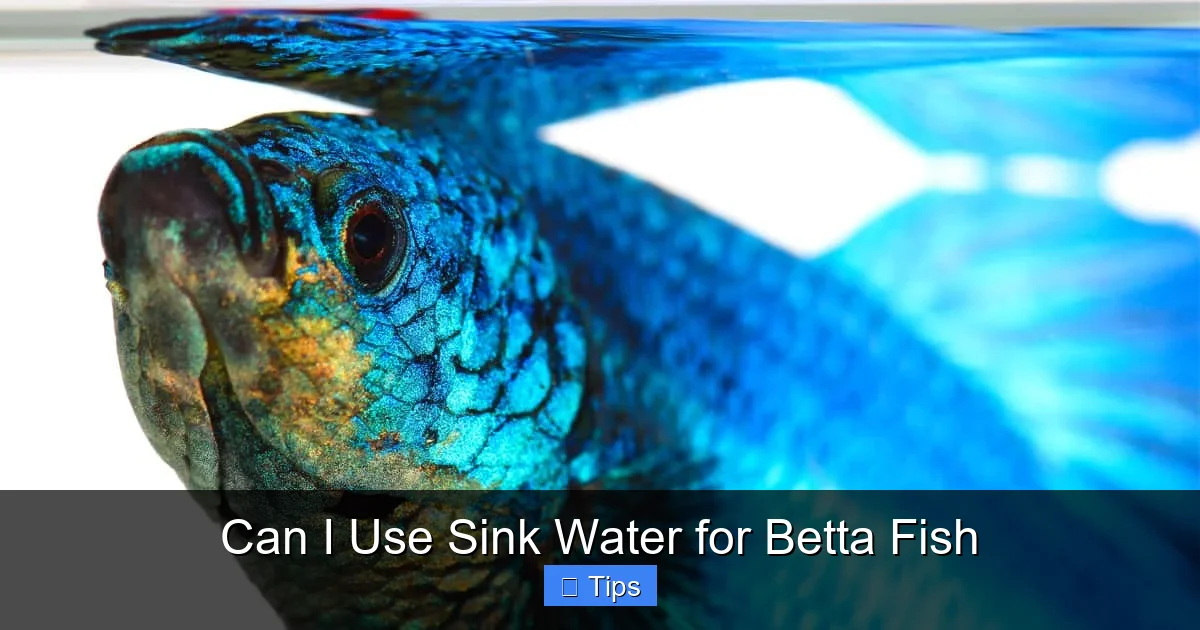
This is the most critical piece of equipment you will ever buy for your betta. A water conditioner (often called a dechlorinator) is a chemical treatment that instantly neutralizes chlorine, chloramines, and detoxifies heavy metals the moment you add it to your tap water.
Visual guide about Can I Use Sink Water for Betta Fish
Image source: japanesefightingfish.org
How Conditioners Work: A Chemical Rescue
These products contain compounds like sodium thiosulfate (for chlorine) and specialized agents that break the chemical bond of chloramines, rendering both the chlorine and ammonia components harmless. They work within seconds. You add the correct dosage to your new water before it touches your fish or your established tank. It’s a simple, foolproof process that turns a deadly liquid into a life-sustaining one.
Choosing the Right Product for Your Betta
Not all conditioners are created equal. For a betta, you need one that explicitly states it treats chloramines. Read the label carefully. Some popular, reliable brands include Seachem Prime, API Stress Coat+, and Tetra AquaSafe. Seachem Prime is a favorite among hobbyists because it also temporarily detoxifies ammonia, nitrite, and nitrate for 48 hours, which can be a lifesaver during a filter failure or overstocking emergency. For a single betta in a filtered tank, a standard, chloramine-treating conditioner is perfectly sufficient. Always follow the dosage instructions on the bottle based on the volume of water you are treating.
Practical Application: The Correct Way to Add Water
The process is simple but must be done correctly:
- Fill your clean bucket or container with the amount of tap water you need for your water change.
- Add the water conditioner to the bucket, not directly to the tank. Follow the dosage. For example, if the bottle says 1 ml per 10 gallons, measure accurately for your bucket’s volume.
- Stir gently to distribute.
- Wait 5-10 minutes. This ensures full neutralization. You can now safely use this water.
- When doing a water change, match the temperature of this new water to your tank water (within 1-2°F) using a heater or by letting it sit. Slowly add it to the tank, or better yet, use a drip acclimation method for very sensitive bettas.
Beyond Chlorine: Understanding Your Water’s Personality (pH & Hardness)
Once chlorine and chloramines are neutralized, the next factors to consider are your water’s natural pH and mineral content (hardness). Bettas are native to the shallow, slow-moving rice paddies and streams of Southeast Asia. These waters are typically soft (low in dissolved minerals) and slightly acidic to neutral.
Visual guide about Can I Use Sink Water for Betta Fish
Image source: petshun.com
pH: The Stability is King
The ideal pH range for a betta is between 6.5 and 7.5. The key word here is stability. A betta can adapt to a pH of 8.0 if it is stable, but it will suffer if the pH swings wildly up and down. Your tap water’s pH is what it is. The goal is not to chase a perfect number daily, but to ensure it remains constant. Using treated tap water that matches your tank’s pH for water changes is usually sufficient. Never use pH-up or pH-down chemicals to force a number. These products cause violent swings and are more harmful than a slightly “off” but stable pH. If your tap water is extremely alkaline (pH 8.5+), you may need to investigate long-term solutions like driftwood (which naturally lowers pH) or reverse osmosis (RO) water with remineralization, but this is for advanced situations.
Hardness (GH & KH): The Mineral Balance
General Hardness (GH) measures calcium and magnesium. Carbonate Hardness (KH) measures bicarbonate and carbonate, which buffers pH. Bettas prefer soft to moderately hard water (GH 3-10 dGH, KH 3-6 dKH).
- If your tap water is very hard (high GH/KH), it can lead to mineral buildup (scaling) on equipment and may be slightly stressful long-term. Using a water softener (ion-exchange) is not recommended, as it replaces minerals with sodium, which is also bad for fish. Diluting tap water with a portion of reverse osmosis (RO) water is the professional solution.
- If your tap water is very soft (low GH/KH), your pH may be unstable (low KH). You can safely use it, but adding a small amount of a mineral supplement (like Seachem Equilibrium for GH) or using a crushed coral substrate can help stabilize pH and provide trace minerals.
The takeaway: test your tap water’s GH and KH with a liquid test kit. If they are in a moderate range, you’re likely fine. If they are extreme, research RO/DI systems with remineralizers.
Alternative Water Sources: Bottled, Distilled, and RO/DI
What if you don’t want to use tap water? Let’s examine the alternatives and why they are usually more complicated than they seem.
Visual guide about Can I Use Sink Water for Betta Fish
Image source: i.pinimg.com
Bottled Water (Spring or Distilled)
Spring Water: This is tap water from a specific spring source. Its mineral content and pH are fixed and unknown. You must test every single bottle you buy, which is impractical. It also has a massive environmental cost from plastic waste. Not recommended.
Distilled Water: This is pure H2O with all minerals removed. It is essentially “empty.” Pouring distilled water into your tank creates an osmotic shock, pulling essential minerals out of your betta’s body. It also has zero buffering capacity, causing wild pH crashes. Never use distilled water straight. It must be meticulously remineralized with a product like Seachem Equilibrium, which defeats the purpose of its convenience and adds cost.
Reverse Osmosis / Deionized (RO/DI) Water
This is the gold standard for pure water, used by serious aquarists for precise water chemistry control. Like distilled water, it is completely devoid of minerals and will leach them from your fish and cause pH instability. RO/DI water must always be remineralized with a commercial salt mix or mineral additive (like Seachem Mineral Salt or Tropic Marin Pro-Discus) to create a stable, betta-appropriate mineral profile. This involves buying an RO/DI unit (a significant investment) and buying and mixing salts. For a single betta, this is almost always overkill. Stick with properly treated tap water.
The Cornerstone of Care: Your Water Change Routine
Knowing how to treat water is useless without a consistent, proper water change schedule. This is the non-negotiable maintenance that keeps your betta’s home clean and toxin-free.
How Much and How Often?
For a single betta in a filtered 5+ gallon tank, a 25-50% water change once per week is the standard. For smaller, unfiltered bowls (which are not ideal but common), you may need 50% changes 2-3 times a week. The goal is to dilute waste products (ammonia, nitrite, nitrate) that your filter doesn’t completely remove and to replenish trace elements. Mark it on your calendar—this is an appointment with your fish’s health.
The Step-by-Step Water Change Guide
Here is the foolproof process:
- Prepare your new water. Fill a clean bucket with the required amount of tap water. Add the correct dose of water conditioner. Let it sit for 10-15 minutes. Use an aquarium heater to get it to the exact temperature of your tank.
- Turn off all equipment. Turn off the filter and heater (if it’s not fully submerged). This prevents damage and is safer for you.
- Remove the old water. Use a gravel vacuum (siphon) to clean the substrate as you remove water. This sucks out uneaten food and waste trapped in the gravel. Remove the desired percentage (e.g., 50%).
- Add the new, treated water. Slowly pour the new, temperature-matched water into the tank. Avoid splashing directly on your betta. You can pour it over a decoration or the back of your hand to diffuse the flow.
- Restart equipment. Turn the filter and heater back on. Wipe down the outside of the tank.
- Observe your betta. Ensure he is acting normally. A brief period of hiding is okay, but constant gasping or clamping fins indicates a problem.
Common Water Change Mistakes to Avoid
- Changing too much water at once (>75%): This can shock your betta by removing beneficial bacteria and causing drastic parameter shifts.
- Not matching temperature: Cold water shocks a tropical betta, causing stress and immune suppression.
- Cleaning the filter media during every change: This destroys the beneficial bacterial colony. Only rinse filter media in a bucket of *old tank water* (not chlorinated tap water!) once a month or when flow is significantly reduced.
- Using soap or chemicals on anything that will go back in the tank. Even a trace of soap is fatal.
Emergency & Special Situations
Life happens. What if you run out of conditioner? What if your betta is sick? Here are crucial special-case guidelines.
The Absolute Emergency: No Conditioner Available
If you have a sick or injured betta that must have a water change immediately and you have zero conditioner, you have one last-ditch option: boil the water. Boiling tap water for 15-20 minutes will drive off chlorine. It will not remove chloramines. This is a major risk. You must know your water source does not use chloramines (call your water utility to confirm). Let the boiled water cool completely, then match temperature and perform a very small (10-20%) change. This is a temporary fix to buy you 12-24 hours to get proper conditioner. Do not make a habit of it.
Betta is Sick: Do You Still Change the Water?
Absolutely yes. Poor water quality is the #1 cause of disease in bettas (like fin rot, velvet, ich). A sick betta needs pristine water more than ever. However, be extra gentle. Use an even smaller water change (20-25%), ensure the new water is an exact temperature match, and consider adding a tiny amount of aquarium salt (1 tsp per 5 gallons, only for freshwater fish) or a stress coat product to help with healing. Never medicate in dirty water.
Moving or Traveling: Transporting Your Betta
For short trips (a few hours), use a clean, sealed container (like a small Tupperware) with only treated, temperature-matched tank water. Do not add any conditioner to the transport water, as the betta will be breathing it. For longer trips, you may need a proper fish transport bag with pure oxygen. Always float the transport container in the new tank to equalize temperature before releasing your betta.
Conclusion: The Simple, Safe Path to a Thriving Betta
So, can you use sink water for betta fish? The definitive answer is yes—it’s the most common and sensible choice. But that “yes” comes with one immutable, non-negotiable rule: it must be treated with a water conditioner that neutralizes both chlorine and chloramines before it enters the tank. Beyond that, your mission is consistency. Get to know your tap water’s baseline parameters, establish a reliable weekly water change routine with temperature-matched, conditioned water, and resist the urge to overcomplicate things with unnecessary chemicals or alternative water sources. Your betta doesn’t need perfection; he needs stability and cleanliness. By mastering the simple art of treating your sink water, you provide the foundation for a vibrant, active, and long-lived companion. That gorgeous betta staring back at you from his castle? His health literally depends on the water from your faucet, treated with care. Now go conditioner that tap and enjoy your finned friend.
Frequently Asked Questions
Can I use bottled spring water for my betta instead of tap water?
You can, but it’s generally not recommended. Spring water has an unknown and variable mineral content and pH that may not be stable or suitable for bettas. It’s also very expensive long-term and environmentally unfriendly. Properly treated tap water is almost always a better, more consistent, and cheaper option.
How long should I let tap water sit before adding it to my betta tank?
You should not rely on “aging” at all. Letting tap water sit only removes chlorine, not chloramines, which are the primary concern. The only reason to let treated water sit is to bring it to the correct temperature using a heater. Always add a water conditioner first, then wait 10-15 minutes for full treatment before use.
My tap water has a very high pH (8.5). Can I still use it for my betta?
Yes, but stability is key. A stable pH of 8.5 is better than a fluctuating pH of 7.0. Do not use pH-down chemicals, as they cause dangerous swings. Instead, focus on keeping the water exceptionally clean with frequent water changes. Over time, natural driftwood or almond leaves in the tank can gently lower pH. If it’s extremely high (9.0+), consider diluting with RO/DI water, but this is an advanced step.
Is it okay to use a water softener system for my betta tank?
No. Standard home water softeners use sodium to replace calcium and magnesium minerals. High sodium levels are harmful to freshwater fish like bettas. Do not use softened water directly from your tap. If you have very hard water, the solution is to blend a portion of your hard tap water with reverse osmosis (RO) water, then remineralize the blend to a safe level.
Can I use the same conditioner for my betta tank and my freshwater community tank?
Yes, a good quality water conditioner that treats chlorine, chloramines, and heavy metals is safe and effective for all freshwater fish, including bettas, tetras, and corydoras. Just always dose based on the total volume of water you are treating.
What happens if I accidentally add untreated tap water to my betta tank?
It depends on the amount and your water’s chlorine/chloramine levels. A tiny splash is unlikely to cause harm in a large, cycled tank. Adding a significant amount (e.g., a 50% change with untreated water) is an emergency. Immediately perform another 50% water change with properly conditioned water to dilute the toxins. Monitor your betta closely for signs of stress (gasping, lethargy) and be prepared to do additional small water changes. Using a conditioner with an ammonia detoxifier (like Seachem Prime) during the emergency change can help mitigate any chloramine-derived ammonia.