Can Rainbow Fish Live with Betta
Generally, keeping rainbow fish with a betta is not recommended and carries significant risks. While both are beautiful, active fish, the betta’s infamous aggression and the rainbowfish’s boisterous, schooling nature create a volatile mix. Success is possible only with meticulous planning—a massive, heavily planted tank for a single, mild-mannered betta and a large school of robust rainbowfish. For most hobbyists, especially beginners, choosing alternative, more compatible tankmates is the safer and far less stressful path for both fish and aquarist.
So you’ve got a stunning betta with flowing fins, maybe a brilliant blue or a fiery red, and you’re dreaming of a vibrant, active community tank. Then you see them: the shimmering, iridescent flash of rainbowfish, darting through the water in a living prism of color. It’s a tempting vision—two of the most beautiful freshwater fish on one stage. But the critical question echoes: can rainbow fish live with betta? The short, honest answer from most experienced aquarists is: proceed with extreme caution, if at all. This pairing is considered a high-risk, advanced-level community tank scenario. Let’s dive deep into the why, the how, and the hard truths you need to know before even considering this combination.
Key Takeaways
- High-Risk Combination: The betta’s territorial aggression and the rainbowfish’s active, schooling behavior are fundamentally incompatible temperaments for most community tanks.
- Tank Size is Non-Negotiable: Absolute minimum is a 40-gallon breeder tank (36″ long), but a 55-gallon or larger is strongly recommended to provide enough space for separation.
- The Betta Must Be the Exception, Not the Rule: Only a long-finned, mild-mannered betta (like a Plakat or a very calm Halfmoon) has any chance. Aggive, flashy males are a recipe for disaster.
- Rainbowfish Must Be in a Proper School: A minimum of 6-8 individuals of the same species is required for their security and to dilute any single fish being targeted by the betta.
- Aquascaping is Your Primary Defense: Dense planting (live or silk), multiple rock piles, driftwood, and vertical structures are essential to create visual barriers and break lines of sight.
- Quarantine and Observe Religiously: Quarantine all new fish. Introduce the rainbowfish school first, let them acclimate for a week, then add the betta using a divider or in a breeding box for initial observation.
- Have an Exit Plan: Be prepared to separate them immediately at the first sign of fin-nipping, relentless chasing, or stress (pale, clamped fins, hiding).
📑 Table of Contents
- Understanding the Players: Betta Temperament & Rainbowfish Nature
- Tank Requirements: The Absolute Minimum Standards
- The Compatibility Matrix: Weighing the Factors
- The Inherent Risks: Why This Is a Bad Idea for Most
- A Step-by-Step Guide to a (Possible) Attempt
- Better Alternatives: Safer, More Compatible Tankmates
- Conclusion: The Honest Verdict
Understanding the Players: Betta Temperament & Rainbowfish Nature
To assess compatibility, we must first understand the inherent behaviors of both fish. It’s not about their beauty; it’s about their instincts.
The Betta: A Solitary, Territorial King
The Siamese fighting fish, or betta (Betta splendens), has been selectively bred for centuries for one primary trait: aggression. Wild bettas are more shy and live in shallow, slow-moving waters with dense vegetation. However, the domesticated betta is a different story. They are intensely territorial, especially males. They view other fish with long, flowing fins as rivals and will often flare (puff up their gills) at their own reflection. Their aggression isn’t always constant “fighting”; it can be persistent harassment, fin-nipping, and stress-inducing chasing that weakens and eventually kills a tankmate. A betta’s mood is also highly individual—some are surprisingly docile “gentle giants,” while others are relentless bullies.
The Rainbowfish: Energetic, Social, and Boisterous
Rainbowfish (family Melanotaeniidae) are the antithesis of the betta in many ways. Species like the Boeseman’s rainbowfish (Melanotaenia boesemani), the neon-dappled threadfin rainbowfish (Iriatherina werneri), or the majestic Madagascar rainbowfish (Bedotia geayi) are supremely active, schooling fish. They are built for speed and constant movement, zipping from one end of the tank to the other in a tight, shimmering group. They are not shy; they are bold and outgoing. This very activity is a major point of friction. To a betta, a fast-moving, silvery school that constantly darts past his chosen bubble-nest or castle is not just annoying—it’s a provocation. Their long, flowing fins (especially in males of some species) can also be mistaken for another betta’s fins, triggering the betta’s territorial response.
In essence, you are trying to mix a solitary, often irritable landlord with a rowdy, hyperactive party of tenants. The landlord either gets stressed by the noise and movement or tries to evict the tenants, violently.
Tank Requirements: The Absolute Minimum Standards
If you are still determined to experiment after understanding the temperaments, the tank setup is not a suggestion—it is the single most critical factor for any chance of success. Forget a 10-gallon or even a 20-gallon long. Think big.
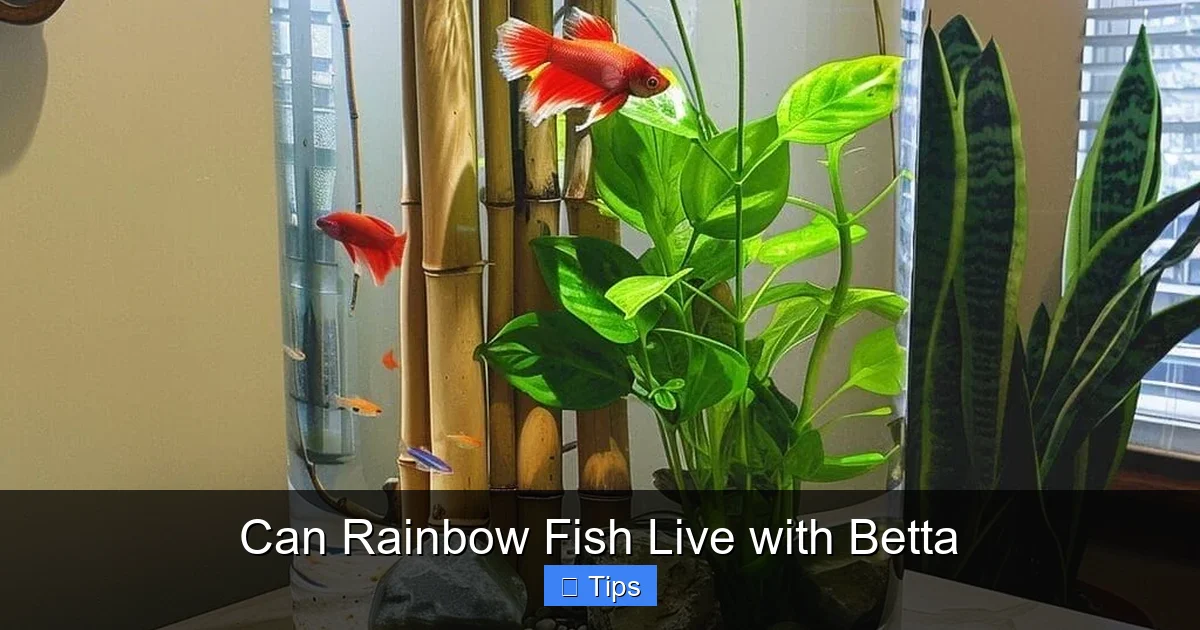
Visual guide about Can Rainbow Fish Live with Betta
Image source: i.pinimg.com
Size and Dimensions: Length Over Height
The primary goal is to create territory and space. A betta needs a defined area he can claim. Rainbowfish need a long, unbroken swimming path. This requires horizontal space.
- Absolute Minimum: A 40-gallon breeder tank (36″ L x 18″ W x 16″ H). This provides a crucial 36 inches of horizontal swimming space, allowing the rainbowfish school to have a zone away from the betta’s preferred corner.
- Highly Recommended: A 55-gallon tank (48″ L) or a 75-gallon (48″ L x 18″ W). The extra length and width give you more room for aquascaping barriers and allow the rainbowfish to exhibit natural schooling behavior without constantly infringing on the betta’s space.
- Why Not a Tall Tank? A tall, narrow 30-gallon “show” tank is a terrible choice. It has minimal horizontal space, forcing constant interaction and confrontation.
Aquascaping: Building the Berlin Wall
Your tank must be a maze of visual barriers. The goal is to prevent the betta from seeing the rainbowfish as a single, unified entity constantly in his space. You want the betta to see “bits and pieces” of them, not the whole school.
- Dense Planting: Use live plants like Vallisneria (eelgrass), Hygrophila, Rotala, and floating plants like Salvinia or Duckweed (with a cover to prevent overgrowth). These create thick, impenetrable walls of green. Silk plants are a viable, lower-maintenance alternative if you struggle with live plants.
- Hardscape is Key: piles of dragon stone, large pieces of driftwood (like manzanita or mopani), and rock formations should be arranged to create caves, overhangs, and separate “rooms” within the tank. Place these strategically along the tank’s length.
- Vertical Structure: Use tall, thin plants (like Rotala wallichii or Ludwigia) to break up the mid-water column, which is where rainbowfish patrol and bettas flare.
Water Parameters: Finding the Overlap
This is one area where they actually align reasonably well. Both prefer warm, soft to slightly hard water.
- Temperature: 76°F – 80°F (24°C – 27°C). Bettas prefer the higher end; rainbowfish are comfortable throughout this range. A stable 78°F is a good compromise.
- pH: 6.5 – 7.5. Slightly acidic to neutral is ideal for both.
- Water Quality: Both are sensitive to poor water conditions. Excellent, stable filtration is mandatory. Canister filters are excellent for large tanks. Perform regular 25-30% water changes weekly.
The Compatibility Matrix: Weighing the Factors
Let’s break down the specific variables that will make or break this setup.
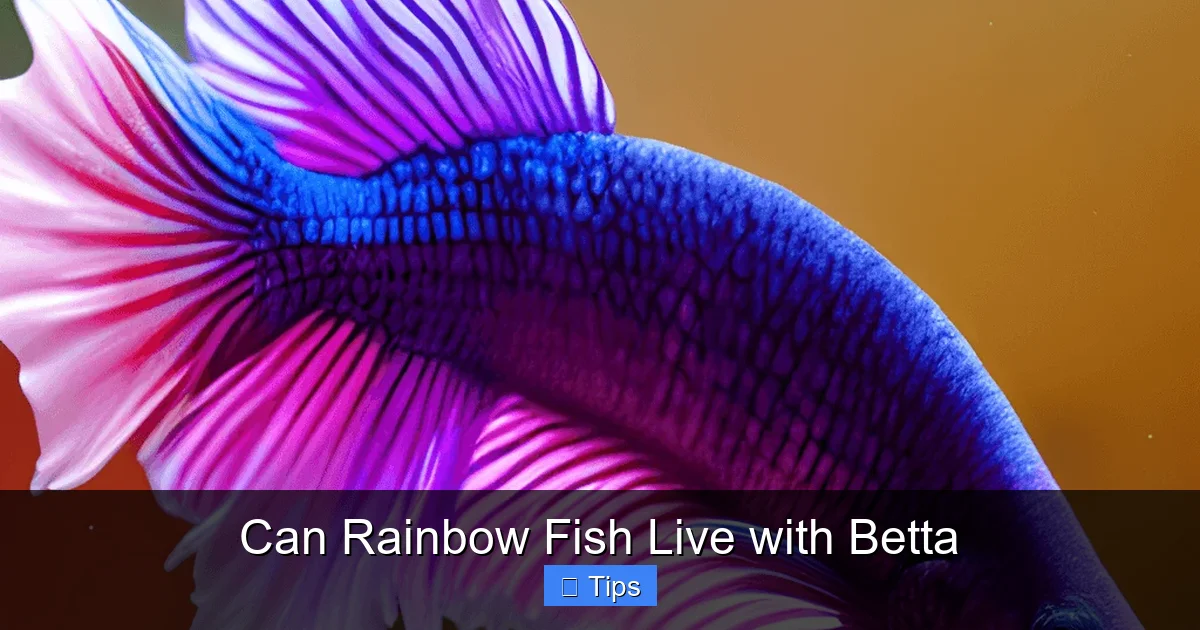
Visual guide about Can Rainbow Fish Live with Betta
Image source: creativefabrica.com
Betta Selection: The Most Important Choice
Not all bettas are created equal. Your choice here dictates 80% of the outcome.
- Females vs. Males: Female bettas are almost always less aggressive and have shorter fins, making them less likely to trigger the rainbowfish’s curiosity or be seen as a rival. A well-chosen female in a large school has a marginally better chance than a male.
- Tail Type Matters: A Plakat (PK) betta, with its short, functional fins, is the best candidate. It looks less like a rival and is itself a stronger, more agile swimmer that may be less prone to stress from being chased. Avoid long, flowing Halfmoon or Delta tails at all costs; they are targets.
- Personality is Everything: You must observe a betta in a store or quarantine tank. Look for one that is calm, flares minimally at its reflection, and isn’t relentlessly attacking other fish in a community display. A “grumpy” but not violent betta might work; a “hunter” will not.
Rainbowfish Species & Schooling: Strength in Numbers
The species of rainbowfish matters greatly.
- Best Candidates: Larger, more robust species like the Boeseman’s rainbowfish or Australian rainbowfish (Melanotaenia fluviatilis) are better. They are faster, more confident, and less likely to be bullied to death by a persistent betta. They grow to 3-4 inches.
- Risky Candidates: Smaller, more delicate species like the Threadfin rainbowfish or Dwarf rainbowfish (Melanotaenia praecox) are poor choices. Their smaller size and more intricate fins make them prime targets. They are also more sensitive to water parameters.
- The School is Non-Negotiable: A single rainbowfish is a terrified, stressed target. You must keep a school of at least 6, preferably 8-10, of the same species. A larger school provides safety in numbers, dilutes the betta’s focus, and allows the rainbowfish to behave naturally, which reduces stress.
The Inherent Risks: Why This Is a Bad Idea for Most
Let’s be brutally clear about what can, and often does, go wrong.
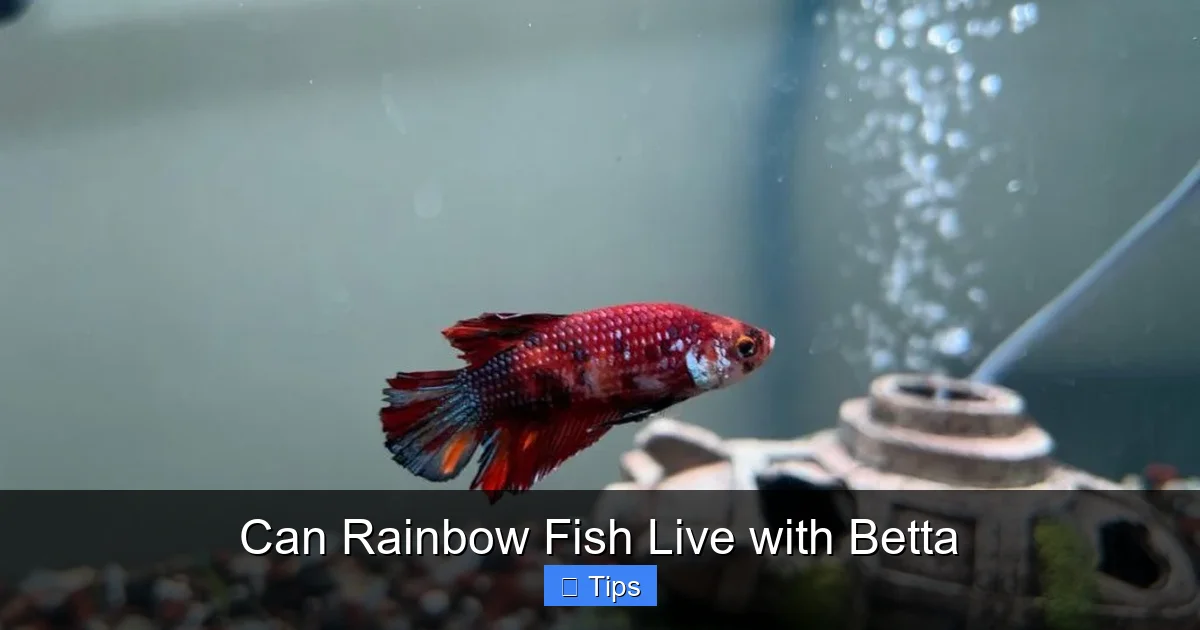
Visual guide about Can Rainbow Fish Live with Betta
Image source: housedpet.com
Fin Nipping and Chronic Stress
This is the most common outcome. The betta, annoyed by the constant movement or seeing a flashy male rainbowfish, will begin to chase and nip at the ends of their fins. Rainbowfish fins are delicate. A single nip can lead to a torn, ragged fin. This is not just cosmetic; it opens the door to fungal or bacterial infections (like fin rot). The constant stress of being chased also suppresses the rainbowfish’s immune system, making them susceptible to disease. You’ll see them spending all day hiding at the top of the plants, not swimming actively, their colors dulling.
Betta Stress and Injury
It’s not a one-way street. A determined, fast-swimming school of rainbowfish can, in turn, stress the betta. They might bump into him during their zips across the tank, disrupting his bubble nest or simply annoying him. A betta under chronic stress will become lethargic, lose its vibrant color, may stop eating, and become prone to diseases like dropsy or velvet.
The “One Day It Was Fine” Syndrome
Many failed attempts start with a seemingly peaceful first week or two. The betta is curious but not aggressive. Then, something changes—a water change, a new decoration, the betta reaching sexual maturity—and the aggression erupts. You must be vigilant every single day.
A Step-by-Step Guide to a (Possible) Attempt
If you accept the risks and have the proper tank, here is the safest possible method to introduce these fish.
- Quarantine Everything: Quarantine your rainbowfish school for at least 4-6 weeks in a separate tank. Watch for any signs of disease (ich, velvet, fungal infections). Do the same for your chosen betta. This prevents introducing pathogens into your main display.
- Cycle the Main Tank Fully: Ensure your large, heavily planted main tank is fully cycled (ammonia and nitrite at 0 ppm, stable nitrates). Test water daily for a week before adding any fish.
- Add the Rainbowfish First: Introduce the entire school of rainbowfish to the main tank. Let them acclimate and establish their territory for a minimum of one week, preferably two. They will claim the open swimming areas and begin to school.
- Introduce the Betta Using a Divider: Place a clear acrylic divider in the tank, or use a large breeding box/container inside the tank. Add the betta to his side. This allows both fish to see each other but not interact physically. Observe for 24-48 hours.
- Ideal Reaction: The betta may flare initially but then ignore the rainbows. The rainbows may be curious but not frenzied.
- Bad Reaction: Betta flares constantly, attacks the divider. Rainbows panic and crash into the divider. Abort the mission.
- Supervised Release: If the divider test is calm, carefully release the betta into the main tank during a low-light period (evening). Observe from a distance for at least an hour. Be ready with a net and a backup quarantine tank to remove the betta immediately if chasing begins.
- Post-Release Vigilance: For the first two weeks, watch the tank multiple times a day. Look for:
- Betta chasing a specific rainbowfish repeatedly.
- Rainbowfish with torn or shredded fins.
- Rainbowfish hiding constantly, not swimming with the school.
- Betta’s fins being nipped (less common, but possible).
Better Alternatives: Safer, More Compatible Tankmates
For 95% of aquarists, the smart choice is to choose different, proven-compatible tankmates for either the betta or the rainbowfish.
For Your Betta Tank (In a Properly Sized Community)
In a 20+ gallon tank with plants and hiding spots, these are excellent choices:
- Peaceful schooling fish: Neon tetras, ember tetras, harlequin rasboras, celestial pearl danios (in a 10+ gallon). They are small, fast, and occupy different tank levels.
- Bottom dwellers: Kuhli loaches, Corydoras catfish, Bristlenose plecos. They occupy the substrate and are too busy to bother a betta.
- Invertebrates: Amano shrimp, ghost shrimp, nerite snails. (Avoid cherry shrimp with a betta—they are a snack).
For Your Rainbowfish Tank
Rainbowfish are fantastic, peaceful community fish when kept with the right company in a large tank.
- Other Rainbows: A species-only tank of 6+ rainbowfish is a stunning spectacle. Mixing different species can work but requires research.
- Peaceful Barbs: Cherry barbs, pentazona barbs (in a school).
- Livebearers: Endlers, platies (in a large group to reduce fin-nipping).
- Catfish: Corydoras, Otocinclus.
- Other peaceful tetras and rasboras.
The key for rainbowfish is avoiding long-finned, slow-moving fish (like fancy guppies or angelfish) which they may chase.
Conclusion: The Honest Verdict
So, can rainbow fish live with betta? The technical answer is “yes, it’s physically possible.” The practical, ethical, and experienced hobbyist’s answer is “it’s a gamble that rarely pays off and often ends in stress, injury, or death.” You are pitting two beautiful but fundamentally incompatible behavioral profiles against each other in a confined space. The immense tank size, the perfect aquascape, the meticulously selected individual betta, and the properly sized school of robust rainbowfish are not just recommendations—they are absolute prerequisites that tilt the odds from “certain failure” to “remote possibility.” For the vast majority of fishkeepers, the joy of a thriving, stress-free community is found by choosing safer, more harmonious companions. Your betta will be happier with a school of neon tetras. Your rainbowfish will be more spectacular in a species-only tank or with other active, peaceful fish. Preserve your sanity and the well-being of your fish by choosing compatibility over a risky, fleeting aesthetic dream.
Frequently Asked Questions
Can any betta live with rainbowfish?
Only a very specific, mild-mannered individual betta has a chance. A short-finned Plakat or a exceptionally calm female is the best candidate. Aggressive, long-finned males should never be considered.
What is the absolute smallest tank I could try this in?
There is no “small” tank for this combination. The absolute minimum is a 40-gallon breeder (36″ long), but a 55-gallon is the responsible starting point. Anything smaller guarantees conflict and stress.
What are the first signs that the pairing is failing?
Immediate signs are relentless chasing by the betta, rainbowfish hiding 24/7, and torn or shredded fins on either fish. If you see any of these within the first few days, you must separate them immediately.
Can I keep one betta with one rainbowfish?
Absolutely not. A single rainbowfish will be an irresistible, constant target for a betta’s aggression and will be harassed to death. Rainbowfish must be kept in a proper school of 6+ to feel secure and to diffuse attention.
Are there any rainbowfish species that are less aggressive?
Rainbowfish are not “aggressive” in the same way as bettas; they are boisterous and active. However, larger species like Boeseman’s or Australian rainbows are more robust and better able to withstand occasional chasing from a betta than delicate species like Threadfin rainbows.
If I have a peaceful community tank with betta, can I add rainbowfish?
It is not advisable. Adding a boisterous school of rainbowfish to an established betta’s territory is likely to trigger aggression, even from a previously peaceful betta. The introduction protocol must be followed, starting with the rainbowfish in the tank first.