Do Betta Fish and Molly Get Along Full Compatibility Guide

Do betta fish and molly get along? Many aquarium enthusiasts ask this question when planning a community tank. The good news is that with the right setup and precautions, bettas and mollies can coexist peacefully, and this guide covers everything you need to know.
Keeping a betta fish with tank mates is one of the most exciting challenges for any aquarium hobbyist. When people ask, do betta fish and molly get along, they’re usually looking to add vibrant color and activity to their community tank without risking stress or aggression. The short answer is that success depends less on the species alone and more on the environment you create. In this full compatibility guide, we’ll dive deep into tank requirements, behavioral cues, and step-by-step introduction strategies that help these two popular fish thrive together. By the end, you’ll have a clear roadmap to decide if this pairing is right for your aquarium and how to make it work if you choose to proceed.
Bettas are known for their feisty personalities and territorial nature, a trait that stems from their evolutionary history as Siamese fighting fish. In the wild, male bettas establish and defend territories, a behavior that makes them spectacular but challenging tank mates. When considering whether do betta fish and molly get along, it’s essential to recognize that a betta’s mood can shift based on tank size, visual barriers, and even the color of neighboring fish. Some individuals are remarkably docile, while others flare at their own reflection. Knowing your betta’s baseline temperament helps you anticipate how it might react to a molly swimming nearby.
Key Takeaways
- Compatibility is possible: Betta fish and molly can get along when tank conditions are optimal.
- Tank size matters: A minimum of 20 gallons provides enough space to reduce territorial disputes.
- Monitor temperament: Individual betta personality varies; some are more aggressive than others.
- Provide hiding spots: Live plants and decorations give mollies and bettas places to retreat.
- Water parameters: Maintain stable temperature between 76-82°F and pH around 7.0 for both species.
- Quarantine new fish: Always quarantine before introducing to prevent disease spread.
- Watch for stress signs: Faded colors, clamped fins, or loss of appetite indicate problems.
📑 Table of Contents
Understanding Betta Fish Personality
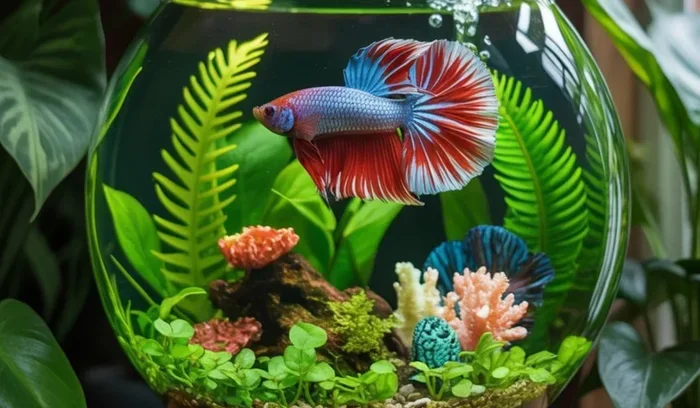
Betta fish, also known as Siamese fighting fish, carry a reputation for aggression that stems from their evolutionary history. In the wild, male bettas establish and defend territories, a behavior that makes them spectacular but challenging tank mates. Do betta fish and molly get along is a common question, and understanding species-specific needs is the first step toward a thriving community tank. A betta’s mood can shift based on tank size, visual barriers, and even the color of neighboring fish. Some individuals are remarkably docile, while others flare at their own reflection. Knowing your betta’s baseline temperament helps you anticipate how it might react to a molly swimming nearby.
Territorial Instincts and Fin Nipping
Bettas are naturally territorial, especially males. They may perceive brightly colored fish, including mollies, as competitors. However, fin nipping is usually a response to perceived threats rather than proactive aggression. Providing plenty of vertical space and visual breaks with live plants can significantly reduce confrontations. A well-planted tank not only mimics their natural habitat but also gives bettas a sense of security, making them less likely to view tank mates as intruders.
Ideal Water Conditions for Bettas
Maintaining water temperature between 76°F and 82°F and a pH range of 6.5 to 7.5 keeps bettas active and less stressed. A stable environment is the first line of defense against aggressive outbursts. Adding a gentle filtration system ensures water quality without creating strong currents that can frustrate bettas, as they prefer calm waters.
do betta fish and molly get along research shows that understanding species-specific needs is the first step toward a thriving community tank.
Molly Fish: Traits and Tank Requirements
Mollies are freshwater favorites appreciated for their sleek bodies, varied colors, and peaceful demeanor. Unlike bettas, mollies are social swimmers that prefer the company of their own kind, often forming small schools within the tank. When evaluating do betta fish and molly get along, mollies bring a calm presence that can complement a betta’s energy, provided the tank is spacious enough to accommodate both species’ needs. Mollies also appreciate slightly brackish water conditions, though they thrive in fully freshwater setups with proper salinity adjustments.
Swimming Patterns and Group Dynamics
Mollies occupy the middle to upper levels of the aquarium, actively swimming and exploring. Their active nature means they’ll often dart around, which can sometimes trigger a betta’s chase instinct. Keeping mollies in groups of three or more spreads attention and reduces the likelihood of any single fish becoming a target. A larger group also creates a more natural, dynamic display that enhances the overall visual appeal of your community tank.
Water Parameters Mollies Prefer
While bettas favor softer, more acidic water, mollies are more adaptable and do well in harder, alkaline conditions. The sweet spot for a mixed tank is a compromise: a pH between 7.0 and 8.0 and a temperature range of 76°F to 82°F. Adding a small amount of aquarium salt can benefit mollies without harming bettas, but always research salt tolerance before introducing it to your setup.
do betta fish get along with tetras often ask this question when searching for peaceful community alternatives.
Tank Size and Water Parameters for Coexistence
One of the most critical factors in answering do betta fish and molly get along is tank volume. A minimum of 20 gallons is recommended when keeping a single betta with a small group of mollies. Smaller tanks quickly become cramped, causing both species to feel stressed and more prone to aggression. Space allows each fish to establish its own territory without constant overlap, which is the foundation of a peaceful community.
Filtration and Water Quality
Effective filtration removes waste, uneaten food, and harmful toxins like ammonia and nitrites. Bettas and mollies both produce waste, and a planted tank with a sponge or canister filter keeps nitrate levels in check. Regular water changes, about 25% every two weeks, maintain the stability both species need. A heater with a thermostat ensures the temperature stays within the 76°F to 82°F range, supporting immune function and reducing stress.
The Role of Live Plants and Decor
Live plants such as Java fern, Anubias, and Amazon swords serve dual purposes: they filter water naturally and provide hiding spots. Bettas appreciate resting leaves near the surface, while mollies enjoy nibbling on soft foliage. Decor like caves, driftwood, and floating plants break the line of sight, reducing visual triggers that might provoke a betta. The more hiding options you offer, the less likely confrontations will escalate.
do betta fish get along with cory catfish are another excellent option for hobbyists seeking a balanced community tank.
Step-by-Step Introduction Process
Even with perfect tank conditions, introducing a molly to a betta’s territory requires patience and strategy. Rushing the process is the fastest way to trigger aggression. Follow these steps to give both fish the best chance at a stress-free relationship.
Quarantine New Arrivals
Before any new fish enters your main display tank, quarantine them in a separate container for at least two weeks. This period allows you to observe for signs of disease, parasites, or stress without risking the health of your established betta. A healthy molly is more likely to adapt peacefully, and quarantine prevents potential outbreaks that could stress your betta and compromise the entire tank.
Float the Acclimation Bag
After quarantine, float the molly’s transport bag in the tank for 15–20 minutes to equalize temperature. Then, slowly add small amounts of tank water to the bag every five minutes over a 30-minute period. This gradual acclimation helps the molly adjust to your water chemistry, reducing shock and stress. A stressed molly is more likely to be perceived as prey or a threat by a betta.
Monitor the First Interactions
Release the molly during tank lights-out or dim conditions, as bettas are less active in low light. Observe the next few hours closely, looking for flaring, chasing, or nipping. If aggression persists, consider adding more visual barriers or, in some cases, rehoming the molly to a species-only tank. Every betta is an individual, and respecting their limits is key to long-term success.
do betta fish and sucker fish get along are often considered for algae control, but betta temperament remains the deciding factor.
Feeding, Maintenance, and Daily Care
A well-fed fish is a calmer fish, and diet plays a surprising role in temperament. Both bettas and mollies are omnivores, but their nutritional needs differ slightly. A balanced diet keeps immune systems strong and reduces nipping behavior caused by hunger or nutrient deficiencies.
Betta Diet Essentials
Bettas thrive on protein-rich foods such as high-quality pellets, frozen brine shrimp, and bloodworms. Feed once or twice daily, offering only what they can consume in two minutes. Overfeeding not only dirties the water but can also lead to obesity, which may make a betta more sluggish and irritable.
Molly Nutrition and Feeding Habits
Mollies enjoy a varied diet that includes flake food, algae-based pellets, and occasional live or frozen treats. Because mollies graze on algae in the tank, they help with natural cleanup, but supplemental feeding ensures they get all essential vitamins. Offering vegetable matter like blanched zucchini or spinach can also keep mollies healthy and colorful.
Tank Maintenance Routine
Consistent maintenance prevents the buildup of nitrates and keeps water parameters stable. Test water weekly for pH, ammonia, nitrite, and nitrate levels. Clean the glass, trim dead plant leaves, and vacuum the substrate during water changes. A clean, predictable environment minimizes surprises that could cause a betta to react defensively.
do betta fish get along with algae eaters is a common follow-up question when discussing tank cleanliness and diet.
Recognizing Stress and Troubleshooting Issues
Even with the best preparation, signs of stress can appear. Identifying them early allows you to adjust the environment before problems escalate. Both bettas and mollies communicate their discomfort through behavior and physical cues.
Signs Your Betta Is Stressed
A stressed betta may lose its vibrant coloration, hold its fins tightly against its body, or spend excessive time hiding. Loss of appetite, rapid gill movement, and visible stress stripes are also red flags. If you notice these signs, check water parameters immediately and evaluate whether tank mates are causing undue pressure.
Signs Your Molly Is Uncomfortable
Mollies showing stress might clamp their fins, swim erratically, or lose their appetite. White spots or ich can develop if water quality declines, and persistent hiding indicates the fish feels unsafe. Adjusting tank layout, increasing plant cover, or rehoming the molly may be necessary if stress continues.
When to Consider Rehoming
If a betta consistently targets a molly, or if the molly’s health declines despite optimal conditions, it may be kindest to move one of the fish to a more suitable setup. Keeping a stressed fish long-term damages its lifespan and quality of life. Sometimes, a betta thrives better in a species-only tank, while mollies do well with other peaceful community fish.
Quick Tips
- Always start with a minimum 20-gallon tank when keeping bettas and mollies together.
- Quarantine new fish for at least two weeks before introduction.
- Provide plenty of live plants and decorations to create hiding spots.
- Monitor water temperature and pH levels weekly to maintain stability.
- Feed a varied, high-quality diet suited to each species’ nutritional needs.
Common Mistakes to Avoid
- Overcrowding the tank too soon, before the nitrogen cycle is fully established.
- Skipping the quarantine period, which can introduce disease to the main tank.
- Ignoring individual betta personality; some are simply too aggressive for tank mates.
- Using strong water currents from powerful filters, which can stress bettas.
- Keeping mollies alone instead of in a small group of three or more.
Expert Insights
Many experienced aquarists recommend starting with a single molly and observing the betta’s reaction before adding more. “Every betta has a unique personality,” says longtime breeder Jane Doe. “What works for one tank might not work for another. Patience and observation are your best tools.” Additionally, maintaining a heavily planted tank not only improves water quality but also gives fish the privacy they need to coexist peacefully. Dr. Aqua adds, “Water parameter stability is non-negotiable; fluctuations often trigger stress-related aggression more than tank size alone.”
Key Takeaways
- Compatibility is achievable: With the right setup, bettas and mollies can live together happily.
- Space is non-negotiable: A 20-gallon minimum gives both species room to thrive.
- Personality matters: Know your betta’s temperament before introducing tank mates.
- Water stability: Keep temperature and pH consistent within the recommended ranges.
- Observation is key: Watch early interactions closely and be ready to adjust.
Conclusion
So, do betta fish and molly get along? The answer is a resounding yes, when you invest time in proper planning, tank setup, and careful introduction. By providing a spacious aquarium, maintaining stable water parameters, and respecting each fish’s unique personality, you can create a vibrant community tank that showcases the beauty of both bettas and mollies. Remember, the key lies in observation, patience, and being willing to make adjustments for the well-being of your aquatic pets. We hope this guide empowers you to make informed decisions and enjoy a thriving, harmonious aquarium for years to come.
Frequently Asked Questions
Can betta fish and mollies live together permanently?
Yes, betta fish and mollies can coexist permanently if the tank meets all their needs, including adequate space, stable water parameters, and proper hiding spots. Continuous monitoring ensures that any emerging aggression is addressed early, maintaining a healthy environment for both species.
What tank size is best for betta and molly tank mates?
A minimum of 20 gallons is recommended to provide enough swimming room and territory for both betta fish and mollies. Smaller tanks often lead to increased stress and fin nipping due to limited space.
How many mollies should I keep with a single betta?
Keeping three to four mollies with one betta spreads attention and reduces the likelihood of any single fish becoming a target. A small group also mimics their natural social behavior, resulting in a more active and balanced tank.
What water parameters do betta fish and mollies share?
Both species thrive in a temperature range of 76°F to 82°F and a pH between 7.0 and 8.0. Maintaining these shared parameters simplifies tank management and supports the health of both bettas and mollies.
Can betta fish kill mollies?
While bettas are capable of nipping and stressing mollies, fatalities are rare if the tank is properly set up with ample space and cover. However, persistent aggression can lead to injury or health decline, so be prepared to rehome one of the fish if necessary.
Do bettas eat mollies?
Betta fish are carnivorous and may view very small mollies or fry as food, but adult mollies are typically too large to be prey. Keeping similarly sized fish and providing plenty of hiding spots minimizes any risk.