Can Betta Fish Eat Leaves
Betta fish are carnivorous and don’t naturally munch on leaves, but occasional plant matter can aid digestion. Providing appropriate greens and understanding the risks ensures your betta stays vibrant and healthy.
Key Takeaways
- Betta diet basics: Betta fish are obligate carnivores, thriving on protein‑rich foods.
- Leaves aren’t a staple: Whole leaves are not digestible and can cause digestive upset.
- Safe plant options: Soft, blanched greens like spinach or lettuce can be offered in small amounts.
- Risk of contamination: Untreated leaves may carry pesticides, parasites, or sharp edges.
- Supplement, not replace: Greens should complement, not replace, high‑quality betta pellets or frozen foods.
- Monitor your betta: Watch for changes in appetite, stool, or behavior after introducing any plant matter.
- Know the alternatives: Commercial betta foods, live or frozen brine shrimp, and daphnia are optimal choices.
Quick Answers to Common Questions
Can betta fish eat lettuce?
Yes, but only a tiny, blanched piece as an occasional supplement, not as a main food source.
Will a betta get nutrients from leaves?
Leaves provide very little usable nutrition for bettas; most of the fiber passes undigested.
Can I feed my betta raw spinach?
Raw spinach may contain harmful bacteria and sharp edges; always blanch and rinse first.
Do leaves affect water quality?
Undigested leaves decompose, releasing tannins and ammonia that can stress your betta.
What should I do if my betta swallows a big leaf?
Monitor for constipation or bloating; perform a water change and consider a light fast with a pea puree to aid digestion.
📑 Table of Contents
- Introduction: Why the Question “Can Betta Fish Eat Leaves?” Pops Up
- 1. The Natural Diet of a Betta
- 2. Can Betta Fish Eat Leaves? The Science
- 3. Safer Plant Alternatives for Betta Tanks
- 4. Risks of Feeding Raw Leaves
- 5. How to Incorporate Greens Safely
- 6. Signs Your Betta Is Reacting Poorly to Leafy Treats
- Conclusion: Keep the Leaves Out, Keep the Health In
Introduction: Why the Question “Can Betta Fish Eat Leaves?” Pops Up
If you’ve ever watched a betta glide through a planted aquarium, you might wonder whether those bright green leaves are a snack waiting to happen. The short answer is: not really. Betta fish are natural predators, built for hunting tiny insects and crustaceans in shallow, warm waters of Southeast Asia. Their mouths are designed for snapping up live prey, not chewing fibrous plant material.
But the curiosity doesn’t stop there. Many hobbyists keep live plants in betta tanks for aesthetic reasons and wonder if their fish will nibble on the foliage. Others have tried tossing a lettuce leaf into the water, hoping to add variety to the diet. Understanding the biology of bettas, the risks of feeding leaves, and the best ways to incorporate safe greens will help you make informed decisions and keep your fish thriving.
1. The Natural Diet of a Betta
Obligate Carnivore Explained
Betta fish belong to the family Osphronemidae, a group of “labyrinth” fish that can breathe air from the surface. In the wild, they hunt mosquito larvae, small insects, and tiny crustaceans. Their digestive tract is short and optimized for protein, not cellulose.
What They Eat in the Wild
- Mosquito and midge larvae
- Micro‑crustaceans (daphnia, copepods)
- Small worms and fly pupae
- Occasional plant matter in the form of soft algae
Because their natural prey is high in protein and low in fiber, bettas have evolved to extract nutrients quickly. Feeding them leaves, which are largely indigestible fiber, can lead to constipation or even blockages.
2. Can Betta Fish Eat Leaves? The Science
Digestive Limitations
Betta intestines lack the enzymes needed to break down cellulose, the main component of most leaves. When a betta swallows a leaf, the material often passes through unchanged, sometimes causing a “plug” that can be fatal if not addressed.
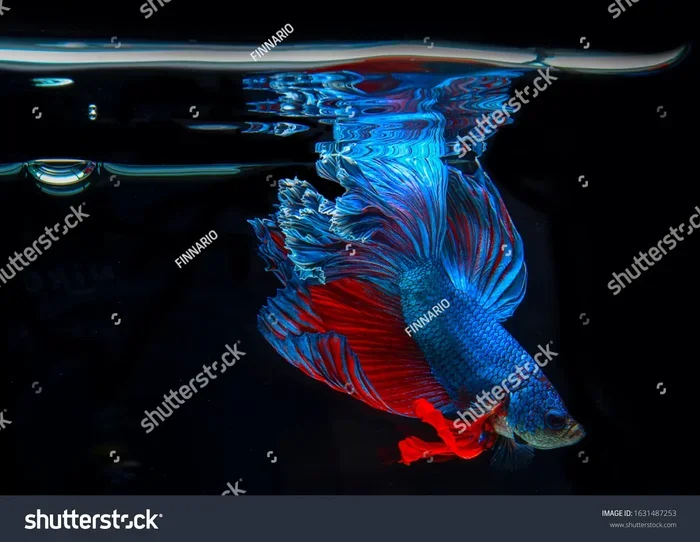
Visual guide about Can Betta Fish Eat Leaves
Image source: img.lazcdn.com
When Leaves Might Appear in the Stomach
In a heavily planted tank, a betta may accidentally ingest a tiny leaf fragment while chasing a worm or a shrimp. This is usually harmless if the piece is very small. However, deliberate feeding of whole leaves is not recommended.
3. Safer Plant Alternatives for Betta Tanks
Soft, Blanched Greens
If you still want to offer a plant‑based treat, choose soft greens that are easy to chew and digest. Here’s how to prepare them:

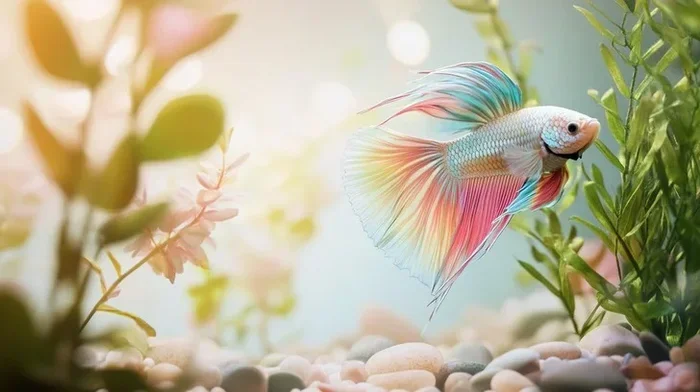
Visual guide about Can Betta Fish Eat Leaves
Image source: wallpaperbat.com
- Pick a fresh leaf of lettuce, spinach, or kale.
- Rinse thoroughly under cool water to remove any pesticides.
- Blanch in boiling water for 15–20 seconds, then shock in ice water.
- Cut into bite‑size strips (about ¼ inch wide).
- Offer 1–2 strips a few times a week as a supplement.
Commercial Plant Supplements
Some betta foods now include spirulina or algae wafers designed for small carnivorous fish. These are formulated to be digestible and provide a hint of green without the fiber overload.
4. Risks of Feeding Raw Leaves
Pesticides and Chemicals
Most grocery store greens are treated with chemicals that are toxic to fish. Even “organic” produce can carry residues that irritate a betta’s delicate gut lining.
Physical Hazards
Sharp leaf edges can tear a betta’s mouth or damage its delicate fins. A torn fin can become a site for infection, especially in a small tank where water quality may fluctuate.
Water Quality Impact
Leaves decompose, releasing tannins and ammonia. While a little tannin can mimic a natural “blackwater” environment, excessive decay spikes ammonia levels, stressing your betta.
5. How to Incorporate Greens Safely
Step‑by‑Step Feeding Guide
- Choose the right green: Lettuce, spinach, or soft kale.
- Clean thoroughly: Use a fruit‑wash solution or a quick soak in distilled water.
- Blanch briefly: This softens the leaf and kills potential parasites.
- Cut small pieces: Aim for 2–3 mm strips.
- Observe: Watch your betta for interest. If it ignores the green, remove it after 5 minutes.
- Remove leftovers: Prevent water fouling by taking out uneaten pieces.
Balancing Greens with Protein
Remember that greens are a supplement, not a meal. Continue feeding high‑quality betta pellets, frozen brine shrimp, or daphnia. For more ideas on protein‑rich foods, see our guide on what can betta fish eat. If you’re curious about specific protein sources, check out can betta fish eat tropical flakes and can betta fish eat shrimp.
6. Signs Your Betta Is Reacting Poorly to Leafy Treats
Behavioral Changes
Loss of appetite, lethargy, or excessive hiding can indicate digestive discomfort.
Physical Indicators
- Bloated abdomen
- White, stringy feces (sign of constipation)
- Faded coloration or ragged fins
What to Do If You Suspect a Problem
Perform a partial water change (25 % of tank volume) to reduce ammonia. Offer a light fast for 24 hours, then resume feeding with high‑protein foods. If symptoms persist, consider a gentle gut‑clearing solution like a small dose of pea puree (cooked and mashed). Always monitor water parameters closely.
Conclusion: Keep the Leaves Out, Keep the Health In
In short, bettas are not built to eat leaves, and regular feeding of whole foliage can do more harm than good. However, a tiny amount of softened, pesticide‑free greens can be a harmless novelty and may even provide trace nutrients. The key is moderation, thorough preparation, and always prioritizing protein‑rich foods that match a betta’s natural carnivorous diet.
By understanding the limits of your betta’s digestive system and offering safe, occasional plant treats, you’ll enjoy a vibrant, active fish that lives a long, healthy life. Happy feeding!
Frequently Asked Questions
Can betta fish eat any type of plant?
Only soft, blanched greens in very small amounts are safe. Tough or waxy leaves should never be offered.
How often can I give my betta a green treat?
Once or twice a week is enough; overfeeding can lead to digestive issues.
Are commercial algae wafers suitable for bettas?
Yes, if they are formulated for small carnivorous fish and used as a supplement.
What are the signs of leaf‑induced constipation?
Bloated abdomen, reduced appetite, and white stringy feces indicate constipation.
Can I use aquarium plants as food?
Most aquarium plants are too fibrous; they’re better for hiding places than for feeding.
Is it safe to feed bettas frozen peas?
Peas are not recommended for bettas because they are high in fiber and low in protein.