How to Care Your Betta Fish
Learning how to care your betta fish is easier than you think. This guide covers everything from tank setup and water quality to feeding schedules and health signs. Follow these simple steps to give your betta a long, happy life.
Taking care of a betta fish is one of the most rewarding hobbies you can have. These colorful fish, also known as Siamese fighting fish, bring life and beauty to any space. But many new fish owners don’t realize that betta fish care requires more than just dropping them in a bowl. Your little friend needs the right environment, food, and attention to truly thrive.
If you want to give your betta the best life possible, you’ve come to the right place. This guide walks you through everything you need to know about how to care your betta fish. From setting up the perfect tank to feeding schedules and health tips, we’ve got you covered. Let’s dive in and make sure your betta stays happy and healthy for years to come.
Key Takeaways
- Right Tank Size: A minimum 5-gallon tank gives your betta room to thrive and stay active.
- Clean Water Is Key: Regular water changes and proper filtration keep your betta healthy and stress-free.
- Feed Smart: A balanced diet of high-quality pellets and occasional treats prevents overfeeding and disease.
- Watch for Warning Signs: Knowing what a healthy betta looks like helps you catch problems early.
- Avoid Common Mistakes: Overcrowding, dirty water, and poor diet are the top reasons bettas get sick.
📑 Table of Contents
Why Proper Betta Fish Care Matters
Betta fish are tougher than they look. In the wild, they live in warm, shallow waters across Southeast Asia. But that doesn’t mean they can survive in a tiny cup forever. When you learn how to properly care for a betta fish, you unlock their full potential. A well-cared-for betta can live 3 to 5 years, sometimes even longer.
Many people buy bettas on impulse without knowing what they need. The result? A stressed, sick fish that doesn’t live very long. Proper betta care prevents this entirely. It’s not hard, but it does take some knowledge and consistency. Think of it like caring for a small pet. Your betta depends on you for everything.
The good news? Once you understand the basics, caring for your betta becomes second nature. You’ll start to notice their personality, their favorite spots in the tank, and even how they react when you walk by. That bond is one of the best parts of fish keeping. Let’s look at what your betta needs to truly flourish.
Setting Up the Perfect Tank for Your Betta
Choose the Right Tank Size
One of the biggest mistakes new owners make is using too small a tank. A lot of pet stores sell bettas in tiny cups or 1-gallon bowls. While a betta can survive in a small space, it won’t thrive. The ideal tank size for a single betta is at least 5 gallons. This gives your fish room to swim, explore, and stay active.
Larger tanks are even better. A 10-gallon tank gives you more room for plants and decorations. It also makes it easier to maintain stable water conditions. Bigger water volumes dilute toxins faster, which means fewer water changes and less stress for your fish.
Add the Right Equipment
Your betta tank needs a few key pieces of equipment to stay healthy. A water filter is essential. Bettas don’t like strong currents, so choose a gentle sponge filter. This keeps the water clean without exhausting your fish. A heater is just as important. Bettas need warm water between 76°F and 82°F (24°C to 28°C).
You’ll also want a thermometer to monitor the temperature. Many people forget this simple tool. A few decorations and live plants make the tank feel natural and give your betta places to hide and explore. Just make sure nothing has sharp edges that could damage those beautiful fins.
Cycle Your Tank Before Adding Your Betta
Before you bring your betta home, you need to cycle the tank. Cycling means building up beneficial bacteria that break down harmful waste. This process takes about 2 to 4 weeks. You can speed it up with bottled bacteria starters available at pet stores.
Never add a betta to an uncycled tank. The ammonia levels in fresh water are toxic and can make your fish very sick. How to properly take care of betta fish always starts with a safe, stable environment. Patience here pays off big time.
Feeding Your Betta Fish the Right Way
What to Feed Your Betta
Betta fish are carnivores. They need a protein-rich diet to stay healthy. High-quality betta pellets should be the staple of their meals. Look for pellets that list fish meal or shrimp as the first ingredient. These provide the nutrients your betta needs to keep its colors bright and its energy high.
You can also offer variety. Frozen or live foods like bloodworms, brine shrimp, and daphnia make excellent treats. Just don’t overdo it. Treats should be no more than 10% of their diet. Too much variety can lead to digestive issues and dirty water.
How Often and How Much to Feed
Feed your betta 2 to 3 times a day, in small amounts. A good rule of thumb is only what your fish can eat in 2 minutes. Overfeeding is one of the most common mistakes betta owners make. Excess food rots in the water and raises ammonia levels fast.
Some owners skip a day of feeding once a week. This can actually help your betta’s digestion. It mimics their natural feeding patterns in the wild. Just make sure your fish is eating normally during the other days.
Signs of Overfeeding and Underfeeding
Watch your betta’s body shape and behavior. A bloated belly or long strings of waste hanging from the fish often means you’re feeding too much. On the other hand, a betta that seems disinterested in food or looks thin might not be getting enough. Adjust your portions slowly and observe how your fish responds.
If your betta won’t eat, check the water temperature first. Bettas are less active in cold water and may refuse food. Also, try switching to a different food brand. Some bettas are picky eaters and need time to adjust.
Keeping the Water Clean and Safe
Water Quality Is Everything
Clean water is the foundation of betta fish care. Bettas are sensitive to poor water conditions. Ammonia and nitrite levels should always be zero. Nitrate levels should stay below 20 parts per million (ppm). Testing your water regularly with a simple kit takes just a few minutes but saves your fish from a lot of stress.
Always use a water conditioner when adding new water. Tap water contains chlorine and chloramine that are harmful to fish. A good conditioner neutralizes these chemicals instantly. This small step makes a huge difference in your betta’s overall health.
How to Do Water Changes
For a 5-gallon tank, change 25% to 30% of the water every week. For larger tanks, you can do 20% weekly. Use a gravel vacuum to clean the substrate while removing old water. This gets rid of waste buildup without disturbing the beneficial bacteria in your filter.
Always match the temperature of the new water to the tank water. Sudden temperature drops shock your betta and can lead to illness. How to change your betta fish water is a skill every owner should master. It becomes quick and easy once you make it part of your routine.
Cleaning the Tank and Filter
Clean your tank glass regularly with an algae magnet or scraper. Don’t use soap or chemical cleaners. Just warm water and a soft cloth work perfectly. Your filter media should be rinsed in removed tank water (not tap water) once a month. This preserves the good bacteria doing the hard work for you.
Knowing how to clean your betta fish tank properly keeps your fish healthy and your tank looking great. A clean tank also means fewer disease outbreaks and a happier betta.
Recognizing Signs of a Healthy Betta Fish
What a Healthy Betta Looks Like
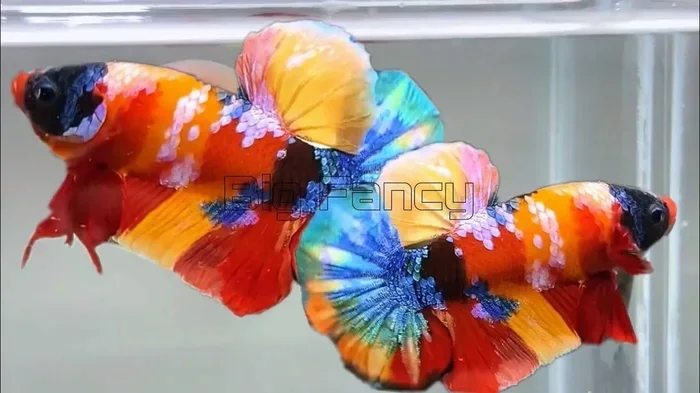
A healthy betta has vibrant colors, flowing fins, and active swimming behavior. The fins should be open and moving freely, not clamped against the body. The fish should have a good appetite and respond to your presence near the tank. Clear eyes and smooth scales are good signs too.
If you want to know more about what happy bettas look like, check out our guide on how to know if your betta fish is happy. It covers specific behaviors and body language cues to watch for.
Common Health Problems and How to Prevent Them
The most common issues bettas face are fin rot, ich (white spots), and constipation. Fin rot often comes from dirty water or stress. Ich is caused by sudden temperature changes or introducing new fish without quarantine. Constipation happens from overfeeding or lack of fiber in the diet.
The best way to prevent these problems is through good habitat maintenance and a consistent care routine. Keep the water clean, maintain stable temperatures, and feed a balanced diet. If you notice any signs of illness, act quickly. Early treatment makes a big difference in recovery.
When to Seek Help
If your betta shows signs of illness that don’t improve within a few days, it’s time to look for more help. How to care for sick betta fish often involves isolating the fish, adjusting water parameters, and using appropriate medications. Don’t wait too long. The sooner you act, the better the chances of a full recovery.
Common Mistakes to Avoid in Betta Care
Keeping Your Betta in Too Small a Space
The tiny bowl myth is alive and well. Many people still think a betta can live happily in a 1-gallon bowl. The truth is, a small bowl leads to poor water quality and stunted growth. Your betta deserves room to explore and be itself. Investing in a proper tank is the first step toward great betta fish care.
Ignoring Water Temperature
Bettas are tropical fish and need warm, stable temperatures. Cold water slows their metabolism and weakens their immune system. Room temperature water in winter is often too cold. A reliable heater with a thermostat solves this problem completely. How to keep your betta fish warm should be a priority in every care routine.
Overcrowding the Tank
Bettas are solitary fish. They don’t do well with other bettas or flashy, fin-nipping tank mates. Some peaceful community fish can work, but many bettas prefer to live alone. Adding too many fish creates stress, aggression, and water quality problems. Keep it simple and give your betta its own space to thrive.
Skipping the Cycling Process
We mentioned this earlier, but it’s worth repeating. Never add your betta to an uncycled tank. The ammonia spike that happens in new tanks can be fatal. How to properly care for betta fish always includes patience during the cycling phase. It might feel like a long wait, but it protects your fish from serious harm.
Building a Bond With Your Betta Fish
One of the most overlooked parts of betta care is the emotional connection you can build with your fish. Bettas are intelligent creatures that recognize their owners over time. You can even play games with your betta fish and teach them simple tricks with patience and treats.
Spend time near your tank each day. Talk to your betta gently and watch how it responds. Many bettas learn to swim to the front of the tank when their owner approaches. This kind of interaction enriches your betta’s life and makes the whole experience more enjoyable for you too.
Creating a comfortable habitat also helps build trust. Add plants, caves, and open swimming areas. A well-decorated tank makes your betta feel secure. When your fish feels safe, it shows off its colors more and displays natural behaviors. You can learn more about creating a great home for your betta in our guide on how to decorate your betta fish tank.
If you ever want to take your care routine to the next level, making your betta fish stronger through exercise and enrichment is a great next step. Healthy bettas are active bettas, and an active betta is a joy to watch.
Conclusion
How to care your betta fish comes down to a few core principles: the right tank, clean water, proper nutrition, and regular observation. It’s not complicated, but it does require consistency and attention. When you get these basics right, your betta will reward you with vibrant colors, playful behavior, and years of companionship.
Remember that every betta is unique. Some are shy, some are bold. Some eat eagerly, others need a little coaxing. Pay attention to your individual fish and adjust your care routine as needed. The effort you put in comes back tenfold in the form of a happy, healthy, and beautiful companion.
Start with what you’ve learned here today. Set up the right environment, feed wisely, keep the water clean, and enjoy the journey. Your betta fish is lucky to have an owner who cares enough to learn the right way. That alone puts you ahead of most fish owners out there.
Frequently Asked Questions
How often should I clean my betta fish tank?
Do a 25% to 30% water change every week for a 5-gallon tank. Clean the glass and vacuum the gravel during each change. Deep clean the entire tank only once a month to preserve beneficial bacteria.
Can I keep my betta fish in a bowl without a filter?
Technically yes, but it’s not ideal. Without a filter, you’ll need to do water changes every other day. A 5-gallon tank with a gentle sponge filter is much easier to maintain and better for your betta’s health.
What is the best food for betta fish?
High-quality betta pellets should be the main diet. Supplement with frozen or live foods like bloodworms and brine shrimp as treats. Avoid flakes meant for tropical community fish, as they lack the protein bettas need.
Why is my betta fish hiding all the time?
Hiding can signal stress, illness, or poor water quality. Check your water parameters first, then look for physical signs like clamped fins or loss of color. Sometimes bettas just need more hiding spots to feel secure in their tank.
How can I tell if my betta fish is happy?
A happy betta swims actively, shows off vibrant colors, and comes to the front of the tank when you approach. Healthy fins that are spread open and a good appetite are strong indicators of a content fish.
Do betta fish need a heater in their tank?
Yes, absolutely. Bettas are tropical fish and need warm water between 76°F and 82°F. Room temperature water is often too cold, especially in winter. A reliable aquarium heater keeps the temperature stable and your betta comfortable.