Can Betta Fish Be in a 2 Gallon Unfitltered Tank
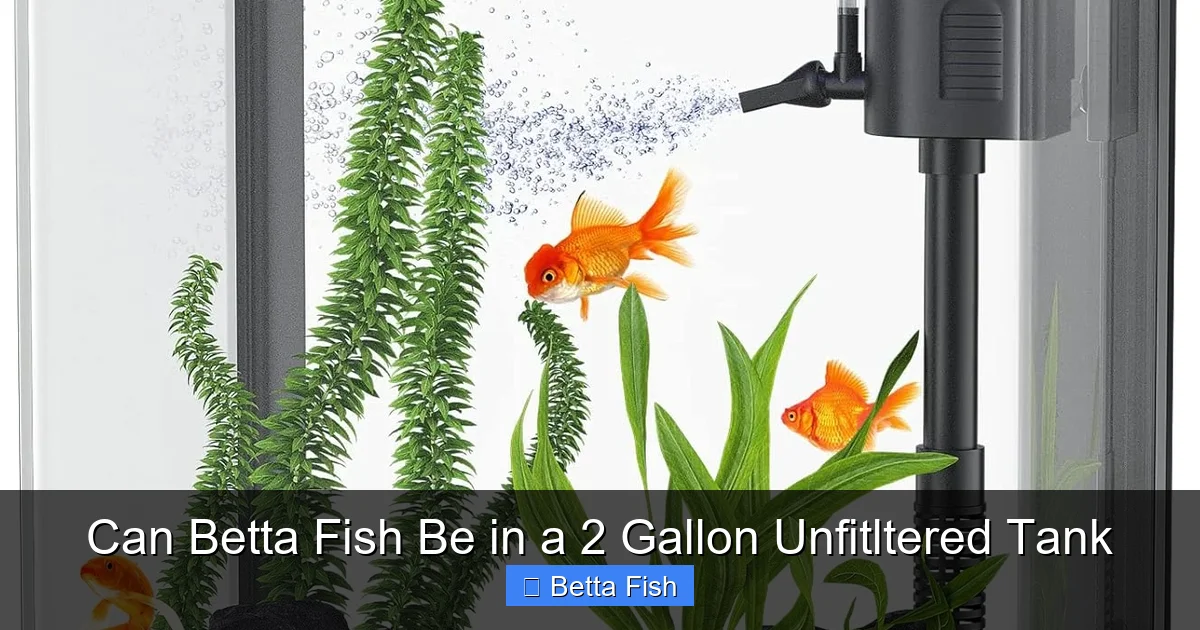
Betta fish can survive in a 2‑gallon unfiltered tank for a short time, but it’s far from ideal. Without filtration, waste builds up quickly, leading to stress, disease, and a shortened lifespan. Upgrading to a larger, filtered setup and performing frequent water changes are the best ways to keep your betta thriving.
Key Takeaways
- Size matters: A 2‑gallon tank is the absolute minimum; larger tanks provide better water stability.
- Filtration is critical: Without a filter, ammonia spikes fast, endangering your betta.
- Frequent water changes: If you must use a 2‑gallon unfiltered tank, change 25‑50% of the water daily.
- Temperature control: A heater is essential to keep water at 78‑80°F (25‑27°C).
- Tank décor: Use live plants or silk decorations to reduce stress and provide hiding spots.
- Monitor health: Watch for faded fins, clamped gills, or lethargy as warning signs.
- Plan to upgrade: Aim for at least a 5‑gallon filtered tank for long‑term betta health.
📑 Table of Contents
- Introduction: Why the 2‑Gallon Question Pops Up
- 1. Understanding Betta Biology and Tank Requirements
- 2. The Role of Filtration – What Happens Without It?
- 3. Daily Care Routine for a 2‑Gallon Unfiltered Tank
- 4. When a 2‑Gallon Tank Becomes Too Much
- 5. Decorating a Small Tank Safely
- 6. Frequently Asked Questions About Small Unfiltered Tanks
- Conclusion: Making the Best Choice for Your Betta
Introduction: Why the 2‑Gallon Question Pops Up
Many first‑time betta owners wonder if a tiny 2‑gallon bowl or tank will do the trick. The bright colors and “low‑maintenance” reputation of bettas make them popular for small spaces. But the reality is a bit more complicated. In this article we’ll answer the burning question – can betta fish be in a 2 gallon unfiltered tank? – and give you practical steps to keep your fish safe, whether you’re stuck with a small setup or ready to upgrade.
We’ll cover water quality, temperature, décor, feeding, and health monitoring. You’ll also find honest advice on when a 2‑gallon tank is simply not enough and how to transition to a better home.
1. Understanding Betta Biology and Tank Requirements
1.1 Natural Habitat and Size
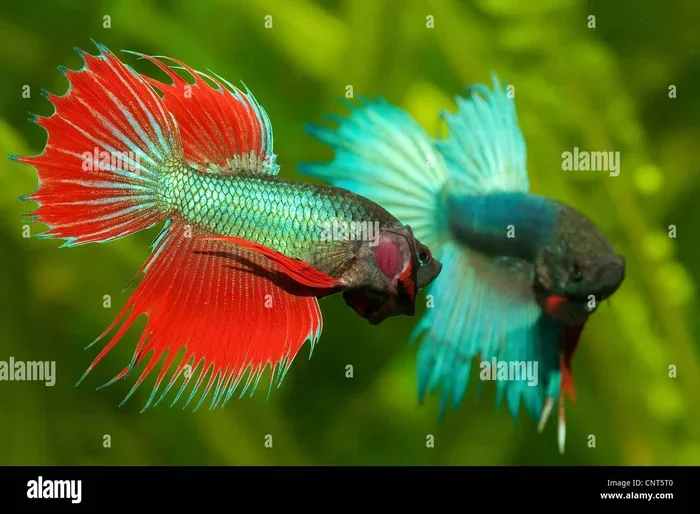
Betta splendens originate from shallow rice paddies and slow‑moving streams in Southeast Asia. Those waters are warm (78‑82°F) and heavily vegetated. In the wild, bettas can explore a few hundred gallons of water, but they are also adapted to low‑oxygen environments because they can gulp air from the surface.
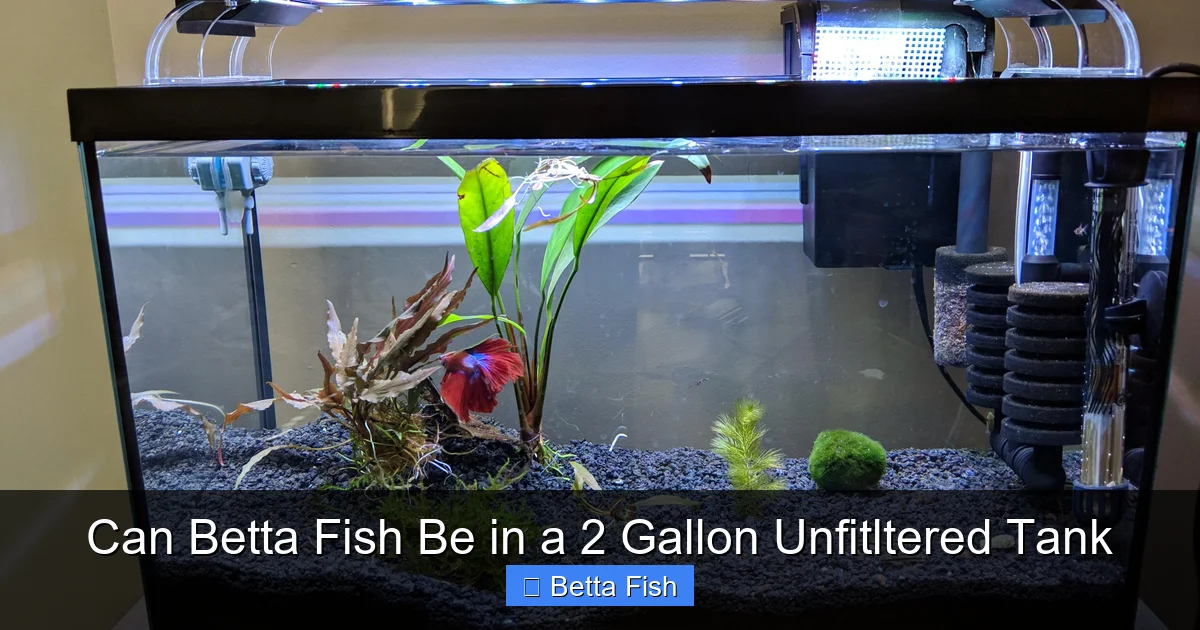
Visual guide about Can Betta Fish Be in a 2 Gallon Unfitltered Tank
Image source: i.redd.it
1.2 Why Size Still Matters
Even though they can breathe air, bettas still need enough water to dilute waste. In a 2‑gallon tank, ammonia from food and waste can reach toxic levels within days. Larger volumes act as a buffer, keeping pH and temperature more stable.
2. The Role of Filtration – What Happens Without It?
2.1 How a Filter Works
A good filter provides mechanical, biological, and sometimes chemical filtration. Mechanical filtration removes particles, biological filtration houses beneficial bacteria that convert ammonia → nitrite → nitrate, and chemical filtration can remove odors or toxins.
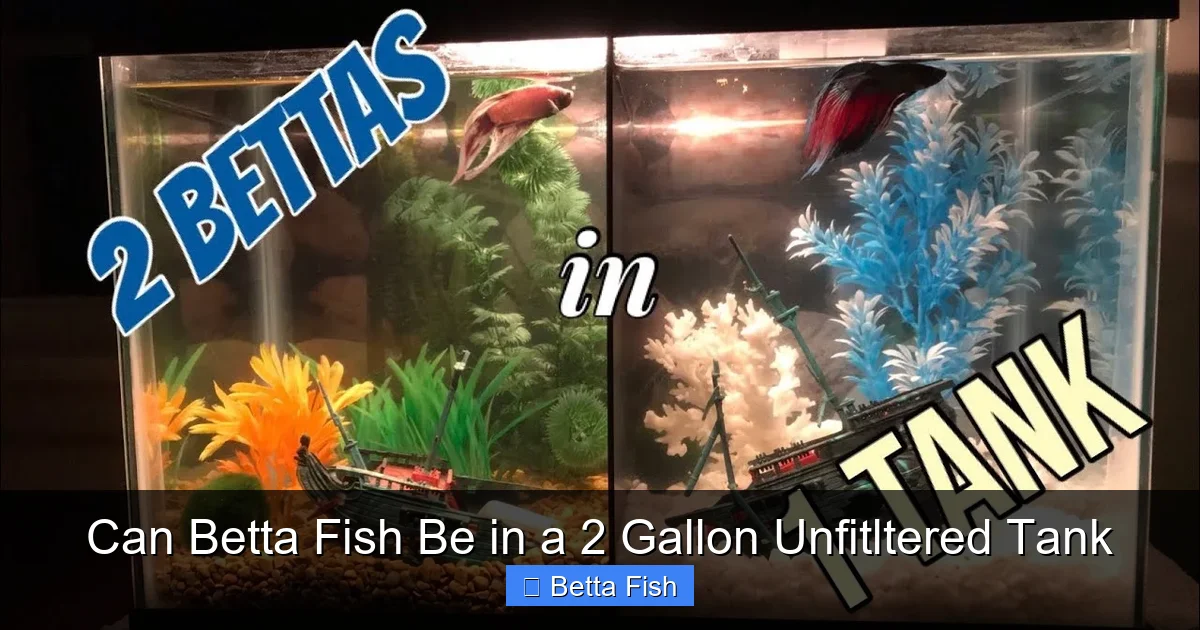
Visual guide about Can Betta Fish Be in a 2 Gallon Unfitltered Tank
Image source: i.ytimg.com
2.2 Consequences of No Filter
- Rapid ammonia build‑up: Ammonia is immediately toxic to gills and can cause “burned” fins.
- Unstable pH: Decomposing waste releases acids that swing pH quickly.
- Cloudy water: Visible debris makes the tank look dirty and stresses the fish.
Because of these issues, most experts advise against a permanent unfiltered setup. If you must use an unfiltered 2‑gallon tank, you’ll need to perform daily water changes and monitor water parameters obsessively.
3. Daily Care Routine for a 2‑Gallon Unfiltered Tank
3.1 Water Changes
Change 25‑50% of the water every 24 hours. Use a water conditioner to remove chlorine and chloramines. Test for ammonia, nitrite, and nitrate with a liquid test kit.
Visual guide about Can Betta Fish Be in a 2 Gallon Unfitltered Tank
Image source: i.pinimg.com
3.2 Temperature Management
Betta fish are tropical; they need a stable 78‑80°F (25‑27°C). A small submersible heater with an adjustable thermostat works best. Place the heater near a side wall to avoid hot spots.
3.3 Feeding Practices
Feed high‑quality betta pellets or frozen bloodworms twice a day, offering only what your fish can eat in 2‑3 minutes. Overfeeding spikes waste production, which is deadly in a small, unfiltered volume.
3.4 Cleaning the Tank
Scrape algae from the glass with a soft pad. Rinse decorations in old tank water (not tap water) to preserve beneficial bacteria. For a step‑by‑step guide, see How To Clean A 2 Gallon Betta Fish Tank.
4. When a 2‑Gallon Tank Becomes Too Much
4.1 Warning Signs
- Faded or torn fins
- Clamped or rapid gill movement
- Lethargy or loss of appetite
- Excessive slime coat
If you notice any of these, act fast: increase water changes, check temperature, and consider moving to a larger tank.
4.2 Ideal Upgrade Path
The consensus among hobbyists is a minimum of 5 gallons for a single betta, with a gentle filter and heater. A 5‑gallon tank provides enough water to establish a stable nitrogen cycle, reducing the need for daily water changes.
Read more about proper tank size in How Big Should A Tank Be For A Betta Fish.
5. Decorating a Small Tank Safely
5.1 Live Plants vs. Silk Plants
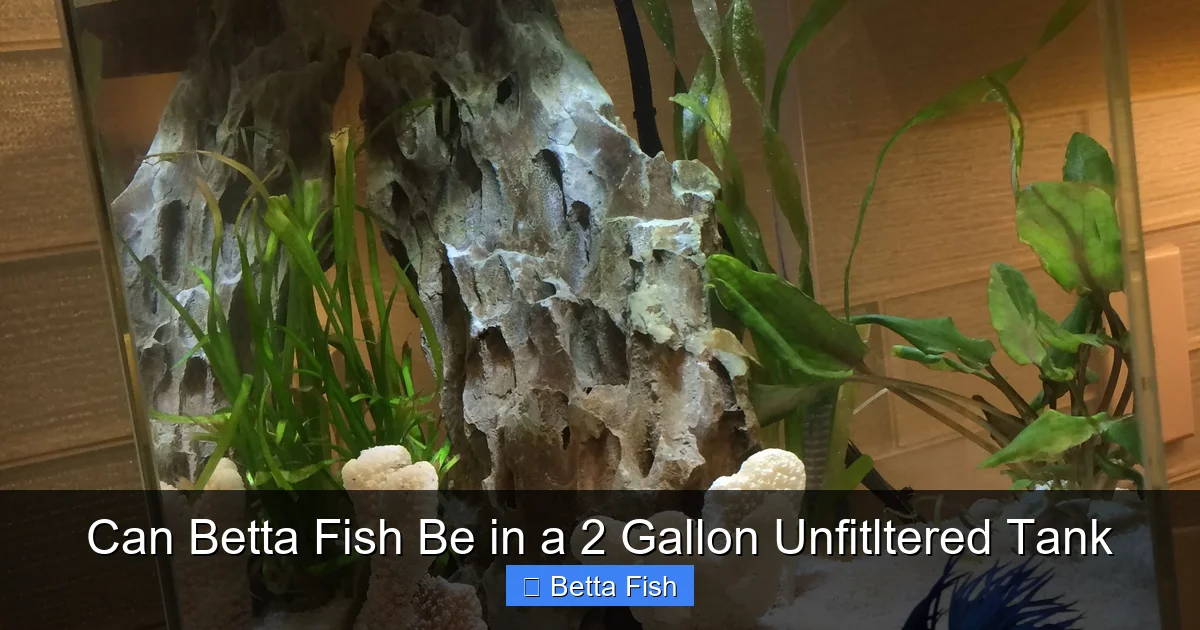
Live plants like Java fern or Anubias help absorb ammonia and provide hiding places. In a 2‑gallon tank, keep plant roots trimmed to avoid excess waste. Silk plants are a low‑maintenance alternative that won’t decay quickly.
5.2 Hides and Resting Spots
Betta fish love to rest under leaves or caves. A small piece of smooth driftwood or a ceramic betta cave gives them a sense of security and reduces stress.
5.3 Avoiding Dangerous Décor
Never use sharp ornaments or rough gravel that can tear delicate fins. Also, avoid large decorations that reduce swimming space.
6. Frequently Asked Questions About Small Unfiltered Tanks
Below are quick answers to the most common concerns.
Can I keep a betta in a 2‑gallon bowl without a filter?
Yes, but only for a very short period and with diligent daily water changes. Long‑term health is compromised.
Do bettas need a heater in a small tank?
Absolutely. Without a heater, temperature can drop at night, stressing the fish. Aim for a stable 78‑80°F.
How often should I test water in an unfiltered tank?
Test daily for ammonia and nitrite. If any level is above 0 ppm, perform an immediate water change.
Can I add live plants to a 2‑gallon tank?
Yes, small hardy plants like Java moss work well and help with nitrate absorption.
Is a 2‑gallon tank suitable for breeding bettas?
No. Breeding requires a larger, filtered tank (10+ gallons) to handle the increased waste from fry.
What’s the best way to transition my betta to a larger tank?
Float the bag with your betta in the new tank for 15‑20 minutes to equalize temperature, then gently release the fish.
Conclusion: Making the Best Choice for Your Betta
In short, can betta fish be in a 2 gallon unfiltered tank? They can survive, but it’s far from ideal and requires constant vigilance. The safest route is to upgrade to at least a 5‑gallon filtered aquarium, maintain proper temperature, and provide enrichment with plants and hides.
Remember, a happy betta is a healthy betta. By understanding the limits of a small unfiltered setup and taking proactive steps—daily water changes, temperature control, and thoughtful décor—you can give your finned friend the best possible life, even if space is tight.
Frequently Asked Questions
Can betta fish live in a 2 gallon unfiltered tank long term?
No. While they may survive for weeks with diligent care, the lack of filtration leads to rapid water quality decline, which shortens their lifespan.
How often should I change the water in a 2 gallon unfiltered tank?
Change 25‑50% of the water every 24 hours and test for ammonia, nitrite, and nitrate each day.
Do I need a heater for a 2 gallon betta tank?
Yes. Betta fish require a stable temperature of 78‑80°F (25‑27°C). A small submersible heater with a thermostat is essential.
Can I add live plants to a 2 gallon unfiltered tank?
Yes, small hardy plants like Java moss or Anubias can help absorb waste, but keep them trimmed to avoid excess decay.
What are the signs that my betta is stressed in a small tank?
Faded or torn fins, clamped gills, lethargy, loss of appetite, and excessive slime coat are all warning signs.
When should I upgrade to a larger tank?
If you notice any health issues, if daily water changes become too burdensome, or simply to provide a more stable environment, move to at least a 5‑gallon filtered tank.