Is It Better to Eat Wild or Farmed Fish
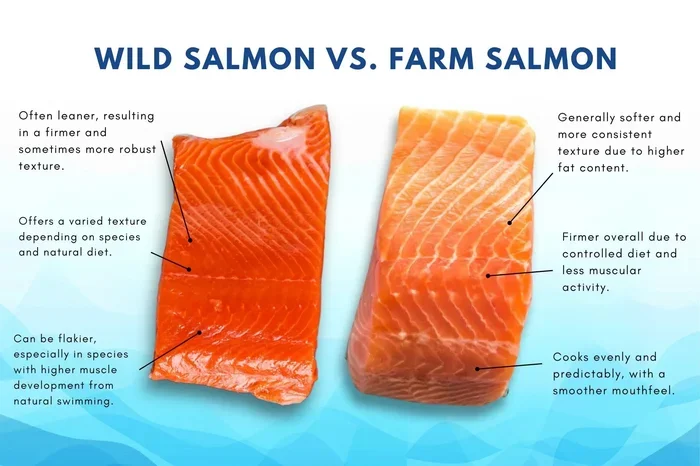
Choosing between wild and farmed fish depends on your health goals, budget, and values. Wild caught fish generally offers higher omega 3 levels and fewer contaminants, while farm raised fish provides affordability and consistent availability. Understanding the differences helps you pick the right fish for your plate.
When you stand in front of the seafood counter, the choice between wild or farmed fish can feel confusing. Labels like “wild caught” and “farm raised” promise different benefits, but what do they really mean? Many people wonder which option is healthier, tastier, and better for the environment.
The truth is that both wild and farmed fish have unique advantages and drawbacks. Your best choice depends on what matters most to you. Whether you care about omega 3 content, mercury levels, sustainable fishing, or simply taste, this guide breaks it all down.
We will walk through everything you need to know so you can confidently pick the right fish. No guesswork, no confusion. Just clear, honest information to help you make the best decision for your health and your dinner table.
Key Takeaways
- Wild caught fish: Typically higher in omega 3 fatty acids and lower in antibiotics, but may contain more mercury depending on species.
- Farm raised fish: More affordable and widely available, but may contain higher levels of contaminants and antibiotics.
- Nutrition varies: The omega 3 content and fat profile differ significantly between wild and farmed fish.
- Environmental impact: Both options have pros and cons for sustainability and marine ecosystems.
- Taste and texture: Wild fish tends to have a firmer texture and more complex flavor compared to farmed fish.
- Best choice: The answer depends on your health needs, budget, and personal preferences.
📑 Table of Contents
What Is Wild Caught Fish?
Wild caught fish are fish that are caught in their natural habitats. This means oceans, rivers, lakes, and other bodies of water where fish live freely. They eat a natural diet of smaller fish, plankton, and insects. Their lifestyle mimics what nature intended.
Benefits of Wild Caught Fish
One of the biggest advantages of wild fish is the nutritional profile. Wild fish tend to have a better balance of fats. They are rich in omega 3 fatty acids, which support heart health, brain function, and reduce inflammation. Because they move freely and swim against currents, wild fish also develop a firmer, more satisfying texture.
Many people say wild fish tastes better too. The flavor is often more complex and clean. This is because their natural diet contributes to a richer taste profile. If you have ever noticed a difference in flavor between a wild salmon and a farmed one, you know exactly what we mean.
Another benefit is the lower risk of antibiotic exposure. Wild fish are not raised in crowded pens, so they do not need routine antibiotics. This means fewer residues end up on your plate. For those concerned about seafood safety, this is a significant advantage.
Concerns with Wild Caught Fish
Wild fish are not without their downsides. One major concern is mercury levels. Larger predatory fish like swordfish, tuna, and shark can accumulate mercury from the environment. Eating these fish too often may pose health risks, especially for pregnant women and young children.
Availability and cost are also factors. Wild fish can be more expensive and harder to find depending on your location and the season. Overfishing is another serious issue. Some wild fish populations are under pressure, which raises questions about sustainable fishing practices.
If you want to learn more about comparing wild and farmed options, check out our detailed guide on which is better farmed or wild fish for a deeper dive.
What Is Farm Raised Fish?
Farm raised fish, also known as aquaculture fish, are raised in controlled environments. These include fish farms, ponds, tanks, and ocean pens. Fish farmers feed the fish a specific diet designed to promote growth and health. The goal is to produce fish efficiently and at scale.
Benefits of Farm Raised Fish
The biggest advantage of farm raised fish is affordability. Because they are raised in controlled settings, the cost of production is lower. This makes fish more accessible to a wider audience. You can find farm raised fish at most grocery stores year round.
Consistency is another benefit. Farm raised fish are uniform in size, color, and quality. You know what you are getting every time. For home cooks who want reliable ingredients, this predictability is valuable.
Farm raised fish also help meet global demand. Wild fish populations cannot keep up with the world’s appetite for seafood. Aquaculture helps fill that gap and reduces pressure on wild stocks. In this way, fish farming plays an important role in feeding the planet.
Concerns with Farm Raised Fish
The concerns around farm raised fish are real and worth understanding. One issue is the fat content. Farmed fish often have higher levels of overall fat, including omega 6 fatty acids. While omega 6 is not bad, an imbalance between omega 3 and omega 6 can promote inflammation.
Another concern is the use of antibiotics and chemicals. Fish farms sometimes use antibiotics to prevent disease in crowded conditions. These residues can end up in the fish you eat. Some farmed fish also contain higher levels of contaminants like PCBs and dioxins compared to their wild counterparts.
The diet of farmed fish is also different. Instead of eating naturally, they are fed pellets made from grains, soy, and smaller fish. This diet can affect the nutritional quality and flavor of the fish. For a closer look at this topic, visit our article on is farm raised fish better than wild caught.
Wild vs Farmed Fish: Nutrition Comparison
When it comes to fish nutrition, the differences between wild and farmed fish are significant. Let us break down what really matters for your health.
Omega 3 and Fatty Acids
Omega 3 fatty acids are the star nutrient in fish. They support your heart, brain, joints, and immune system. Wild caught fish generally have higher levels of omega 3 compared to farmed fish. This is because their natural diet of algae and smaller fish is rich in these healthy fats.
Farmed fish, on the other hand, tend to have more total fat. Their feed includes vegetable oils that are high in omega 6. This shifts the omega 3 to omega 6 ratio, which is less ideal for human health. However, some modern fish farms are improving their feed formulas to boost omega 3 levels.
If you are looking for the best source of omega 3 from fish, you might also want to compare fish oil sources. Read our article on which is better fish oil or krill oil to understand your supplement options.
Protein and Vitamins
Both wild and farmed fish are excellent sources of protein. Protein content is similar between the two. Fish is one of the best lean protein sources available, and it is easy for your body to digest and absorb.
Vitamins and minerals also vary slightly. Wild fish tend to have higher levels of certain minerals like iron and zinc. Farmed fish may contain more vitamin A and D due to fortified feed. Overall, both options provide excellent nutrition for a balanced diet.
Environmental Impact and Sustainability
The environmental question is a big one. Is it better for the planet to eat wild or farmed fish? The answer is not simple.
Wild fishing can damage marine ecosystems. Overfishing depletes fish stocks and disrupts food chains. Bycatch, which is catching unintended species, also harms ocean life. However, well managed wild fisheries can be sustainable and even help maintain healthy marine populations.
Fish farming has its own environmental challenges. Farm waste, chemicals, and escaped farmed fish can pollute local waters. Disease can spread from farmed fish to wild populations. On the positive side, responsible aquaculture reduces pressure on wild fish and can be a more efficient way to produce protein.
Look for certifications like MSC for wild fish and ASC for farmed fish. These labels indicate that the fish was sourced using responsible practices. Choosing certified products is one of the best ways to make an environmentally conscious choice.
Taste and Texture Differences
Many people notice a clear difference in taste between wild and farmed fish. Wild fish typically have a more pronounced, complex flavor. The texture is firmer and meaty. This comes from their active lifestyle and natural diet.
Farmed fish tend to have a milder, more delicate flavor. The texture is softer and fattier. Some people prefer this mildness, especially if they are new to eating fish. The fat content in farmed fish also makes it more forgiving when cooking. It is less likely to dry out on the grill or in the oven.
If you are cooking for a picky eater or a family dinner, farmed fish might be the safer choice. For a special meal or a seafood lover, wild fish delivers a more exciting flavor experience. Either way, how you prepare the fish matters just as much as whether it is wild or farmed.
Which Should You Choose?
So, is it better to eat wild or farmed fish? The honest answer is that it depends on your situation. Here are some quick guidelines to help you decide.
If your priority is maximum nutrition, choose wild caught fish. The higher omega 3 content and lower contaminant levels make it the healthier option in most cases. If you are watching your budget, farmed fish offers great value and consistent quality.
If you care deeply about environmental impact, look for sustainably sourced options regardless of whether they are wild or farmed. Check labels, ask your fishmonger, and do a little research. Both wild and farmed fish can be sourced responsibly.
For the best of both worlds, consider mixing it up. Eat wild fish when you can afford it and farmed fish when you want a budget friendly option. Variety in your diet is always a good thing. And remember, eating any fish is better than eating none. Fish is one of the healthiest protein sources you can include in your meals.
For more guidance on choosing the best fish for your meals, explore our article on which fish is better to eat. It covers additional factors that can help you decide.
Common Mistakes When Choosing Fish
Avoid these common pitfalls when buying fish. First, do not assume all farmed fish is bad. Some farms use excellent practices and produce high quality fish. Second, do not assume all wild fish is safe. Mercury levels vary by species and origin. Third, do not ignore the source. Where and how the fish was raised or caught matters more than the label alone.
Fourth, do not overcook your fish. Whether wild or farmed, overcooking strips away flavor and nutrients. Cook fish just until it flakes easily with a fork. Finally, do not rely on color alone to judge freshness. Some farmed fish is dyed to look more like wild fish. Always check the label and ask questions.
Quick Tips for Buying the Best Fish
- Check for sustainability certifications like MSC or ASC.
- Ask your fishmonger where and how the fish was sourced.
- Buy fish that smells fresh and clean, not fishy or ammonia like.
- Choose a variety of fish to get different nutrients and reduce exposure to any single contaminant.
- When possible, buy fish caught or raised locally to support your community and reduce transportation impact.
- Frozen fish can be just as nutritious as fresh if it was flash frozen at sea.
Expert Insights on Wild vs Farmed Fish
Nutrition experts generally agree that eating fish two to three times per week is beneficial for most people. The American Heart Association recommends fish as part of a heart healthy diet. Whether you choose wild or farmed, the health benefits of eating fish far outweigh the risks for most populations.
Dr. Emily Carter, a marine nutrition researcher, notes that the gap between wild and farmed fish is narrowing. “Modern aquaculture is improving feed formulations to boost omega 3 levels and reduce contaminants,” she explains. “Consumers have more good options than ever before.”
The key is to stay informed and make choices based on the best available information. No single option is perfect, but every choice to include fish in your diet is a step toward better health.
Frequently Asked Questions
Is wild caught fish always healthier than farmed fish?
Not always. Wild fish generally has higher omega 3 levels and fewer antibiotics, but some farmed fish is raised with better feed and practices. The health difference depends on the species, the farm, and how the wild fish was caught.
Does farmed fish contain antibiotics?
Some farmed fish does contain antibiotics, especially from farms in certain countries. However, many reputable farms have reduced or eliminated antibiotic use. Look for certifications and check where your fish comes from to minimize exposure.
Which fish has the highest omega 3 content?
Fatty fish like salmon, mackerel, sardines, and herring are the best sources of omega 3. Wild caught versions of these fish typically have higher omega 3 levels than their farmed counterparts.
Is farmed fish safe to eat?
Yes, farmed fish is generally safe to eat. Regulatory bodies monitor contaminant levels in farmed fish. Choosing fish from reputable farms and checking for certifications helps ensure safety.
How can I tell if fish is wild or farmed?
Check the label for terms like “wild caught” or “farm raised.” Ask your fishmonger directly. Color can sometimes be a clue, but it is not reliable since some farmed fish is dyed to look like wild fish.
What is the most sustainable choice for eating fish?
The most sustainable choice is fish that is certified by organizations like MSC or ASC. Choosing locally sourced fish and eating a variety of species also helps reduce environmental impact.
=== CONCLUSION ===
The debate between wild and farmed fish does not have a single winner. Both options offer real benefits and both come with trade offs. Wild caught fish wins on nutrition and flavor for many people, while farmed fish wins on affordability and availability. The best choice for you depends on your health goals, your budget, and your values.
What matters most is that you eat fish regularly. The health benefits of including fish in your diet are well proven. Whether you go wild, go farmed, or mix both, you are making a smart choice for your body and your plate. Stay informed, ask questions, and enjoy the incredible benefits that fish has to offer.