Can a Fish Be in Aquarium with Betta Fish
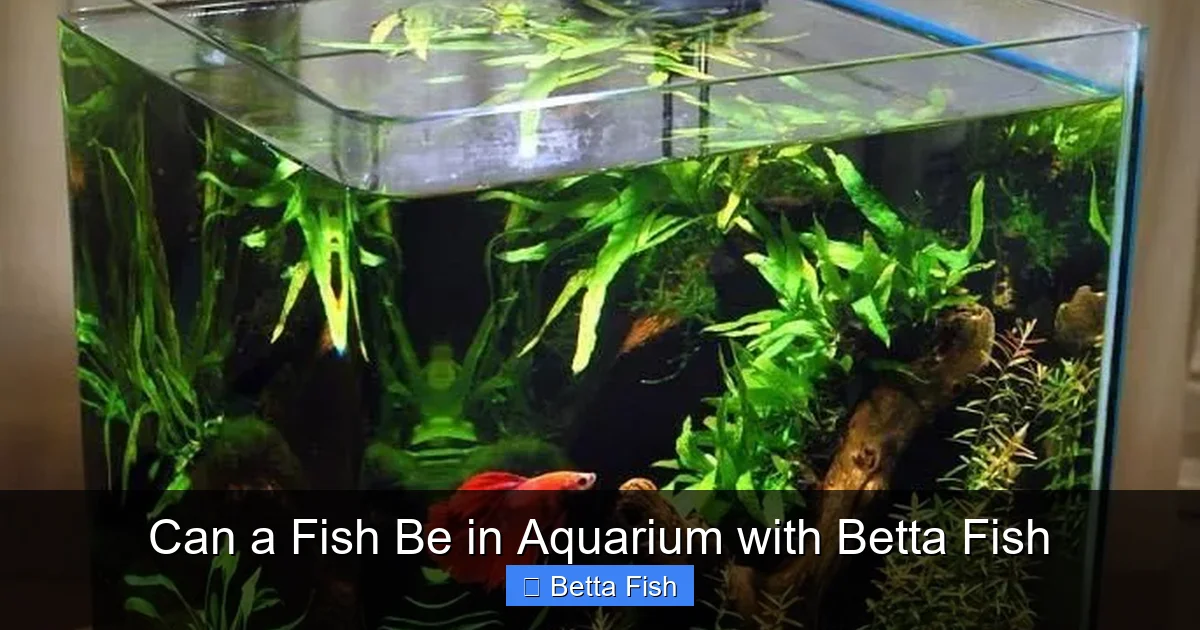
Can a fish be in aquarium with betta fish? Yes—if you choose the right species, tank size, and conditions, they can coexist peacefully. This guide breaks down the do’s and don’ts, offers practical stocking ideas, and shows how to create a stress‑free home for both bettas and their new companions.
Key Takeaways
- Tank size matters: A minimum of 20 gallons gives both betta and tankmates enough space.
- Temperament is key: Choose peaceful, non‑fin‑nipping fish that won’t trigger a betta’s aggression.
- Water parameters must match: Keep temperature, pH, and hardness within the betta’s comfort zone (76‑82 °F, pH 6.5‑7.5).
- Hiding spots reduce stress: Plants, caves, and driftwood give shy fish places to retreat.
- Monitor behavior daily: Early signs of stress or fighting mean it’s time to re‑evaluate the community.
- Snails and shrimp can help: They’re excellent cleaners and usually get along with bettas.
- Never force compatibility: If a fish shows aggression, separate it promptly to protect all inhabitants.
📑 Table of Contents
Introduction: Why the Question Matters
Betta fish are famous for their bright colors and flowing fins, but they also have a reputation for being “lone wolves.” Many beginners wonder, can a fish be in aquarium with betta fish without ending up with torn fins or a stressed tank. The answer isn’t a simple yes or no; it depends on several factors that you can control.
In this article we’ll walk through the science behind betta behavior, the practical steps to set up a community tank, and a list of the best (and worst) fish companions. By the end, you’ll feel confident deciding whether to add a new finned friend to your betta’s home.
Understanding Betta Temperament
Wild roots and domestic personality
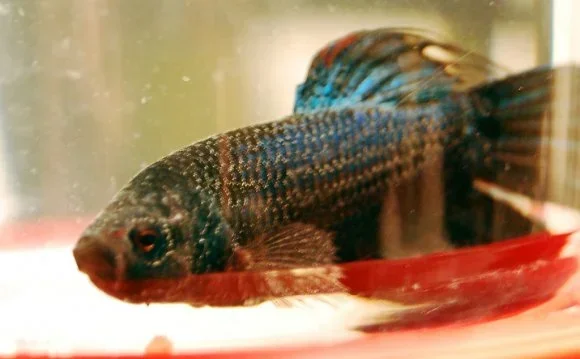
Wild bettas (Betta splendens) live in rice paddies and shallow streams in Thailand. They defend small territories and often battle other males for breeding rights. Domesticated bettas keep many of those instincts, especially the males. This is why a male betta can become aggressive if it sees another fish with bright colors or flowing fins that it perceives as a rival.
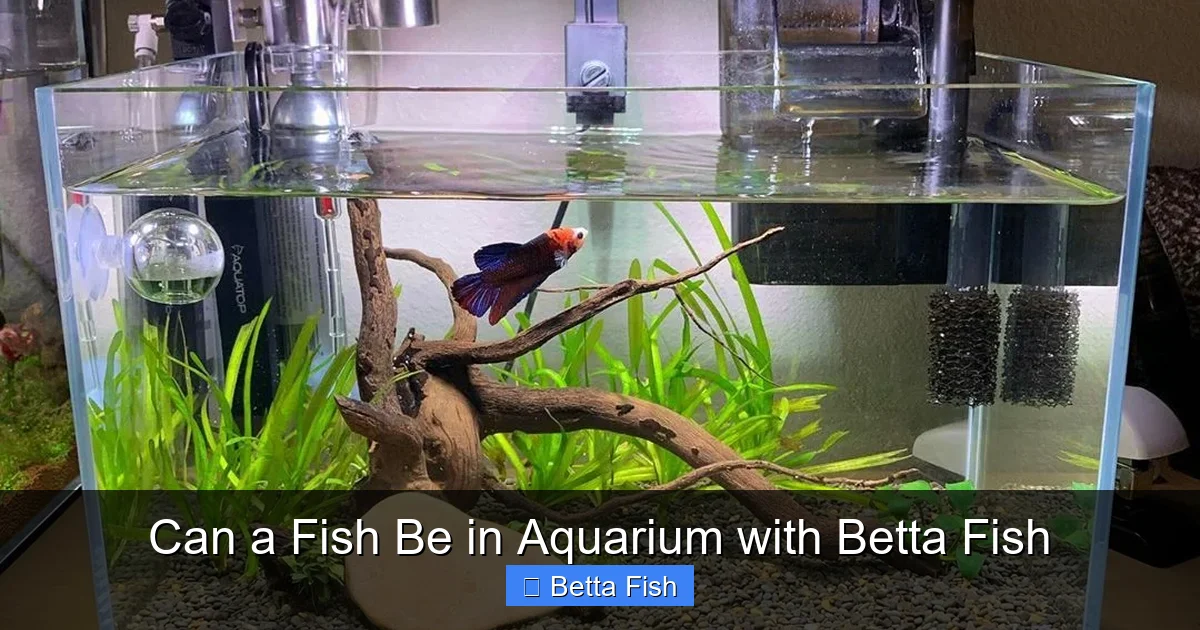
Visual guide about Can a Fish Be in Aquarium with Betta Fish
Image source: i.pinimg.com
Male vs. female bettas
Female bettas are generally less territorial than males, but they can still be protective of their space. A community tank with a single female often has a higher success rate than one with a male.
Key triggers for aggression
- Bright, long fins: Fish that look like a “mini‑betta” can spark fights.
- Territorial behavior: Species that claim a spot on the bottom or among plants may be challenged.
- Overcrowding: A small tank forces fish into close contact, increasing stress.
Choosing the Right Tankmates
Ideal characteristics
When you ask, “can a fish be in aquarium with betta fish,” the safest answer is “yes, if the fish is peaceful, non‑fin‑nipping, and occupies a different level of the tank.” Below are the top candidates.
1. Small peaceful tetras
Neon tetras, ember tetras, and glowlight tetras are tiny (1‑1.5 in) and swim in the mid‑water column. Their bright colors are less likely to be seen as a direct threat.
2. Rasboras
Harlequin rasboras and chili rasboras are schooling fish that stay near the surface. Their calm demeanor makes them a good match.
3. Corydoras catfish
These bottom‑dwelling “catfish” are gentle, love to sift substrate, and keep the tank clean. They rarely interact with the betta’s line of sight.
4. Snails and shrimp
Apple snails, nerite snails, and cherry shrimp are excellent cleaners and are usually ignored by bettas. For more on snails, see Can Snails Be In A Tank With Betta Fish.
5. Small peaceful gouramis
Honey gouramis or dwarf gouramis can coexist if the tank is large enough (20 gallons+) and the betta is not overly aggressive.
Fish to avoid
- Other bettas (male or female) – they will fight.
- Fin‑nippers like tiger barbs or loaches – they love to chew betta fins.
- Large or brightly colored fish with long fins (e.g., guppies, swordtails) – they trigger territorial instincts.
- Goldfish – their size and waste output overwhelm a betta’s small tank. Read more at Can A Goldfish Live With A Betta Fish.
Setting Up the Aquarium
Size and shape
A 5‑gallon tank is the minimum for a single betta, but for a community setup you’ll want at least 20 gallons. A longer tank (e.g., 24×12×12 in) gives horizontal swimming space, which reduces territorial disputes.
Water parameters
- Temperature: 76‑82 °F (24‑28 °C). Use a reliable heater.
- pH: 6.5‑7.5. A pH test kit helps keep it stable.
- Hardness: 5‑20 dGH works for most bettas and their tankmates.
Regular water changes (25 % weekly) keep ammonia and nitrite at zero, which is crucial for delicate fish.
Filtration and flow
Bettas prefer calm water. Choose a sponge filter or a low‑flow hang‑on‑back filter. Adjust the flow so it creates gentle surface movement without pushing the betta around.
Decor and hiding places
Live plants (Java fern, Anubias, Marimo moss) or silk plants create natural cover. Add driftwood, caves, and smooth rocks. The goal is to break line‑of‑sight and give shy fish a place to hide.
Introducing New Fish: Step‑by‑Step
Quarantine first
Never add un‑quarantined fish directly to the community tank. Keep new arrivals in a separate tank for 2‑4 weeks to watch for disease.
Acclimation process
- Float the sealed bag in the betta tank for 15 minutes to match temperature.
- Gradually add ¼ cup of tank water to the bag every 5 minutes for 30 minutes.
- Gently net the fish into the tank, avoiding the betta’s immediate vicinity.
First 24‑hour observation
Watch for frantic swimming, hiding, or fin nipping. If the betta attacks, consider a divider or a different tank setup.
Common Problems and How to Fix Them
Fin nipping
If you see torn fins, increase hiding spots, reduce tank population, or separate the aggressor. Adding more plants often diffuses aggression.
Water quality spikes
Overstocking leads to excess waste. Test water daily during the first two weeks. Perform a 30 % water change if ammonia or nitrite rises.
Stress signs
Stressed fish may hide all day, lose color, or gasp at the surface. Check temperature, flow, and ensure the betta isn’t constantly chasing tankmates.
Long‑Term Maintenance
Routine cleaning
Use a gravel vacuum once a week, but avoid disturbing plants too much. Clean the filter media in tank water (not tap) to preserve beneficial bacteria.
Feeding schedule
Feed bettas high‑quality pellets or frozen foods 2‑3 times daily, but only what they can eat in 2 minutes. Feed other fish small portions of flake or micro‑pellets to prevent overfeeding.
Community health checks
Every month, observe each fish for signs of disease. Early detection prevents an outbreak that could kill both the betta and its companions.
Conclusion: Making the Decision
So, can a fish be in aquarium with betta fish? Absolutely—provided you respect the betta’s temperament, give enough space, and match water conditions. By selecting peaceful tankmates, creating plenty of hiding places, and monitoring behavior, you can enjoy a vibrant, lively community tank that showcases the betta’s beauty without compromising anyone’s health.
Remember, every fish is an individual. Start with a modest, well‑filtered setup, and be ready to adjust if aggression appears. With patience and careful planning, you’ll have a harmonious aquarium that both you and your finned friends will love.
Frequently Asked Questions
Can a male betta live with other fish?
Yes, but only if the tank is large (20 + gallons) and the other fish are peaceful, non‑fin‑nipping species that stay away from the betta’s line of sight.
Is it safe to keep a betta with shrimp?
Most shrimp, like cherry or ghost shrimp, are safe tankmates. They usually stay near the bottom and are ignored by the betta, though a very aggressive betta might see them as food.
What is the smallest tank size for a community with a betta?
A minimum of 20 gallons is recommended. Anything smaller increases the risk of stress and aggression.
Can I keep a betta with a guppy?
Generally not recommended. Guppies have long, flowing fins that can trigger a betta’s territorial behavior.
Do bettas need a heater when kept with other fish?
Yes. Bettas are tropical and thrive at 76‑82 °F. A reliable heater ensures a stable temperature for all inhabitants.
How often should I change the water in a mixed betta tank?
Change about 25 % of the water weekly, and test for ammonia, nitrite, and nitrate each time to keep parameters stable.