How to Tell When a Betta Fish Is Dead
Knowing how to tell when a betta fish is dead helps you act quickly and with confidence. A betta fish that has passed away shows very specific signs like lack of movement, faded color, and no gill movement. This guide walks you through every sign, what to check, and what to do next.
Losing a pet fish is never easy. Whether you have raised your betta fish for months or just brought it home, seeing it motionless in the tank can be scary. The first question that hits most fish owners is the same: how to tell when a betta fish is dead.
It is not always obvious. Sometimes a betta fish looks dead but is actually just sleeping or very sick. Other times, the signs are clear and heartbreaking. This guide will help you understand the difference. You will learn every sign of a dead betta fish, what to look for, and what steps to take next.
We will also cover how to tell the difference between a dying fish and a dead one, because timing matters. Acting fast can make a big difference if your fish is still alive. Let us walk through this together in a simple, clear way.
Key Takeaways
- No movement or response: A dead betta fish will not respond to any touch, light, or sound.
- Gill and breathing check: If the gills are completely still for several minutes, the fish has likely died.
- Body position matters: A fish floating upside down or lying on its side at the bottom can signal death.
- Color fading is a key sign: A lifeless betta fish often loses its vibrant color and appears pale or gray.
- Know the difference: A sick betta fish may still show slight movement, while a dead one shows none at all.
- Act quickly: Once you confirm a betta fish has died, proper disposal is important for tank hygiene.
- Prevention is possible: Good water quality and proper care reduce the risk of losing your betta fish.
📑 Table of Contents
- How to Tell When a Betta Fish Is Dead
- Signs That Your Betta Fish Is Dying (Not Yet Dead)
- What Does a Dead Betta Fish Look Like?
- Common Reasons Betta Fish Die
- What To Do When Your Betta Fish Has Died
- How to Tell the Difference Between a Dead and Sleeping Betta Fish
- Preventing Future Losses and Keeping Your Betta Healthy
- Final Thoughts
How to Tell When a Betta Fish Is Dead
The most reliable way to confirm that your betta fish has died is to check for a combination of signs. No single sign on its own always means the fish is gone. But when several signs appear together, you can be confident in what you are seeing. Let us break down each sign clearly.
No Movement at All
A living betta fish almost always moves. Even when it sleeps, you will see slight fin twitches or slow gill movement. A dead betta fish will be completely still. It will not respond to light, sound, or gentle tapping on the tank glass.
Try this simple test. Shine a small flashlight near the fish. A living betta will usually react by moving slightly or turning its head. If there is zero response after a few minutes, that is a strong sign something is wrong.
Gills Are Not Moving
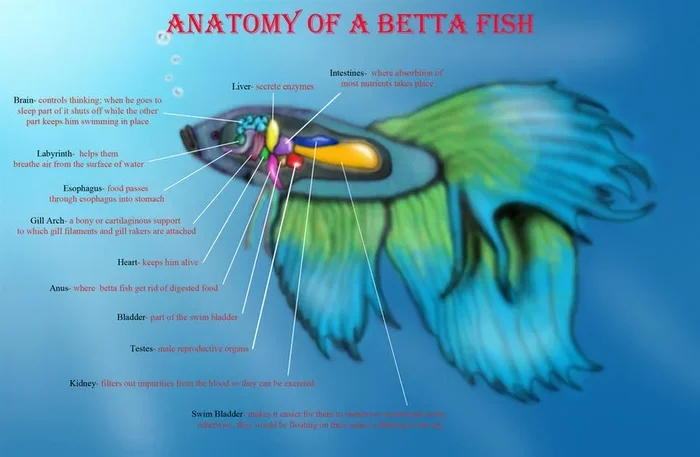
One of the most important signs to check is the gills. A living betta fish constantly moves water through its gills to breathe. This creates a subtle but steady rhythm. When you look closely at the gills, you should see them open and close regularly.
If the gills are completely still for more than five minutes, the fish may have passed away. Gills that are barely moving or very slow can also mean the fish is in serious trouble. In either case, further observation is needed.
Body Position and Buoyancy
A dead betta fish often changes position in the water. You may notice the fish floating upside down, lying flat on its side, or resting on the bottom of the tank without any effort to move. A healthy betta fish controls its buoyancy naturally.
Some fish float to the surface when they die because of gas buildup inside the body. Others sink to the bottom. Both positions can happen. The key detail is that a dead fish will not change position on its own.
Signs That Your Betta Fish Is Dying (Not Yet Dead)
It is important to know the difference between a fish that is dying and one that has already passed. A dying betta fish may still show faint signs of life. Catching these signs early can sometimes save your fish.
Very Slow or Labored Breathing
A betta fish that is struggling to breathe will show rapid or very slow gill movement. The fish may stay near the surface, gasping for air. This often points to poor water quality or a serious health issue. If you notice this, check your tank parameters right away.
Loss of Color and Lethargy
Betta fish are known for their bright, vivid colors. When a fish is sick or dying, those colors start to fade. The body may look pale, gray, or washed out. The fish will also become very lethargic, spending most of its time hiding or resting at the bottom.
If you have been asking yourself how to tell if my betta fish is sick, these are the first signs to watch for. Acting early gives your fish the best chance of recovery.
Loss of Appetite
A healthy betta fish is usually eager to eat. If your fish refuses food for more than two days, something is wrong. A fish that stops eating and stays hidden is likely very unwell. This is not a guarantee of death, but it is a warning you should not ignore.
What Does a Dead Betta Fish Look Like?
Understanding the physical appearance of a dead betta fish helps you confirm your observations. A lifeless betta fish looks different from a sleeping or hiding fish. Here is what to look for.
A dead betta fish often appears pale or white. The vibrant reds, blues, and greens fade significantly. The fins may also start to curl or droop. The body can feel limp when you gently scoop it up, with no muscle tension at all.
Over time, a dead fish may develop a cloudy film on its body. The eyes may appear sunken or cloudy. These changes happen after death and can help you confirm that the fish has been gone for a while. If you want more details on this topic, you can read what does a betta fish look like when it is dead for a deeper look.
Common Reasons Betta Fish Die
Knowing why betta fish die can help you prevent future losses. Most deaths are linked to preventable causes. Understanding these reasons gives you the power to create a safer home for your fish.
Poor Water Quality
Dirty water is the number one killer of betta fish. Ammonia and nitrite levels can build up quickly in an unfiltered or poorly maintained tank. These toxins damage the fish’s gills and organs over time. Regular water changes and proper filtration are essential for betta fish care.
Wrong Water Temperature
Betta fish need warm water to stay healthy. The ideal temperature range is between 76 and 82 degrees Fahrenheit. Water that is too cold slows down the fish’s immune system. Water that is too hot carries less oxygen, which can stress the fish out.
Overfeeding
It is easy to love your betta fish with too much food. Overfeeding causes bloating, constipation, and poor water quality. Uneaten food decays at the bottom of the tank and releases harmful chemicals. Feed small amounts once or twice a day and remove any leftovers.
Illness and Disease
Bettas can fall victim to diseases like ich, fin rot, and fungal infections. These conditions weaken the fish over time if left untreated. If you notice white spots, torn fins, or unusual behavior, seek treatment quickly. You can learn more about how to tell if my betta fish is sick and what steps to take for treatment.
What To Do When Your Betta Fish Has Died
Finding out your fish has passed away is never pleasant. But knowing what to do next helps you handle the situation with care and respect. Here is a clear plan of action.
Step 1: Confirm the Fish Is Dead
Before you take any action, double-check your observations. Look for gill movement, response to light, and body tension. Sometimes a very sick fish can appear dead when it is not. Give it a few minutes of careful observation.
Step 2: Remove the Fish From the Tank
If you are certain the fish has died, remove it from the tank promptly. A dead fish releases toxins into the water, which can harm other fish. Use a small net or scoop to lift the fish out gently.
Proper disposal matters. If you want guidance on this, check out how to safely dispose of a dead betta fish for respectful and hygienic options.
Step 3: Check Your Tank Water
After removing the fish, test the water parameters. A dead fish can spike ammonia levels, especially in smaller tanks. Do a partial water change of about 25 to 50 percent. This helps protect any remaining fish in the tank.
Step 4: Reflect and Learn
Take a moment to think about what might have gone wrong. Was the water temperature off? Did you miss signs of illness? Learning from each experience makes you a better fish owner. Every loss teaches you something valuable for the future.
How to Tell the Difference Between a Dead and Sleeping Betta Fish
This is one of the most common concerns new betta owners have. A sleeping betta fish can look very still, which causes unnecessary panic. Here is how to tell them apart.
- A sleeping betta fish will still have slow gill movement and slight fin twitches.
- A sleeping betta fish may rest on a leaf or hide in a cave but will reposition itself.
- A dead betta fish shows zero movement in the gills, fins, and body.
- A dead betta fish does not respond to light, sound, or gentle tapping.
- A dead betta fish often changes color and loses its natural vibrancy.
If you are ever unsure, wait about ten minutes and observe closely. A living fish will eventually show some sign of movement. A fish that has truly passed will remain completely still the entire time.
Preventing Future Losses and Keeping Your Betta Healthy
The best way to deal with a dead betta fish is to prevent it from happening again. Good care practices go a long way in keeping your fish healthy and happy for years.
Maintain Clean Water
Test your water parameters at least once a week. Keep ammonia and nitrite levels at zero. Perform regular water changes based on your tank size. Clean water is the foundation of a healthy betta fish.
Feed a Balanced Diet
Offer high-quality betta pellets as the staple diet. Supplement with frozen or live foods like brine shrimp and bloodworms occasionally. Avoid overfeeding and remove any uneaten food within a few minutes.
Watch for Early Warning Signs
Pay close attention to your betta fish every day. Notice any changes in behavior, color, or appetite. Early detection of illness gives you the best chance to treat problems before they become fatal. If you ever notice something off, do not wait. Research the symptoms and act quickly.
Final Thoughts
Understanding how to tell when a betta fish is dead is a difficult but important part of fish ownership. You have learned to check for no movement, still gills, faded color, and changes in body position. You also know how to tell the difference between a dying fish and a dead one.
Losing a pet fish is never easy, but knowledge gives you power. You can respond with confidence and care when the time comes. More importantly, you can use what you have learned to give your next betta fish a healthier, happier life.
Take what you have learned from this guide and apply it every day. Good care, clean water, and close observation are your best tools. Your betta fish deserves the best, and now you are better equipped to give it.
Frequently Asked Questions
How long does it take for a betta fish to die?
The timeline varies depending on the cause. A fish that dies suddenly from poor water conditions may pass within hours. A fish that is sick or aging may show signs of decline over days or even weeks. Understanding the cause helps you estimate the timeline more accurately.
Can a betta fish play dead?
No, betta fish do not play dead. If your fish is completely still and unresponsive, it is either very sick or has passed away. A healthy betta fish may rest or sleep, but it will still show subtle signs of life like gill movement.
What should I do if my betta fish is floating but still breathing?
A betta fish floating but still breathing is likely very sick, not dead. Check your water parameters immediately. Look for signs of swim bladder disease, infection, or poor water quality. Act quickly because a fish in this state needs urgent care.
Is my betta fish dead or just sleeping?
A sleeping betta fish will still have slow gill movement and may reposition itself. A dead betta fish will be completely still with no gill movement and no response to stimuli. Wait ten minutes and observe closely to tell the difference.
What happens to a betta fish’s body after it dies?
After death, a betta fish’s body may float to the surface due to gas buildup. The color fades, the fins droop, and the body becomes limp. Over time, the body will decompose, which is why it is important to remove it from the tank promptly.
Can stress cause a betta fish to die suddenly?
Yes, severe stress can cause a betta fish to die suddenly. Stress weakens the immune system and makes the fish vulnerable to disease. Common stressors include poor water quality, aggressive tank mates, sudden temperature changes, and loud noises near the tank.