Are Black Mollys Ok to Live with Betta Fish

Black mollys can live with betta fish, but success depends on tank size, temperament, and careful introductions. Provide plenty of hiding spots, maintain stable water parameters, and monitor interactions daily to ensure harmony.
Key Takeaways
- Temperament matters: Peaceful, adult black mollys are more likely to get along with a non‑aggressive betta.
- Tank size is crucial: A minimum of 20 gallons gives each fish enough space to establish its own territory.
- Water parameters must match: Keep temperature around 78°F and pH between 7.0‑7.5 for both species.
- Provide plenty of cover: Live plants, driftwood, and caves reduce stress and give mollys places to hide.
- Watch feeding habits: Feed a varied diet and avoid over‑feeding to keep water quality high.
- Gradual introduction is key: Use a quarantine tank or a clear divider before allowing free interaction.
- Regular monitoring: Observe for signs of fin‑nipping or bullying and be ready to separate if needed.
📑 Table of Contents
Introduction: Setting the Stage for a Peaceful Community Tank
Betta fish are famous for their vibrant colors and flowing fins, but many hobbyists also hear the warning “betta = loner.” That myth can make it tricky to decide which tank mates are safe. One popular question is whether black molly fish—a lively, silver‑gray species with a hint of black—can share a home with a betta.
In this guide we’ll walk through the biology of both fish, the ideal tank conditions, and the step‑by‑step process to introduce them safely. By the end you’ll know exactly what to look for, how to set up the aquarium, and what to do if things go south.
1. Understanding the Species
Betta fish basics
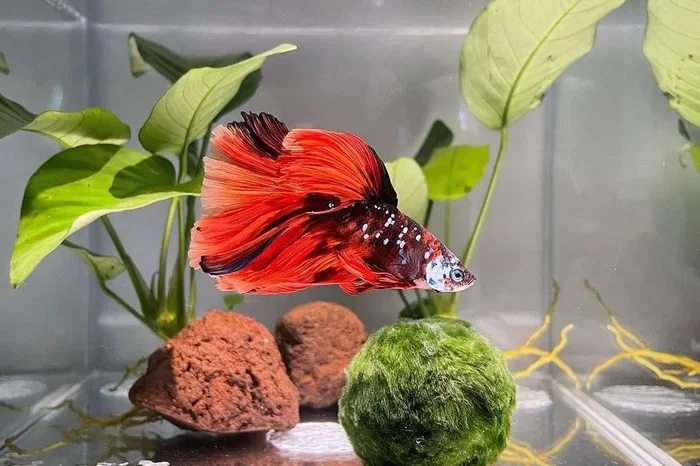
Betta splendens, often called Siamese fighting fish, are native to shallow, warm waters of Thailand and Cambodia. Males are especially territorial and will flare their fins at anything they perceive as a rival. In a community tank, a calm male can coexist with peaceful species if the environment is spacious and there are plenty of visual barriers.

Visual guide about Are Black Mollys Ok to Live with Betta Fish
Image source: publicdomainpictures.net
Black molly characteristics
Black mollys (Poecilia sphenops) are live‑bearing, hardy fish that thrive in slightly alkaline water. They grow to about 4–5 inches, are active swimmers, and love to explore the surface for food. Their sleek bodies and bright, reflective scales make them eye‑catching companions, but they can be boisterous and sometimes nip at slow‑moving fins.
Key compatibility factors
- Size difference: Adult mollys are larger than most bettas, which can reduce the chance of the betta being seen as prey.
- Activity level: Mollys swim near the top, while bettas prefer the middle and lower levels. This vertical separation helps avoid constant eye contact.
- Temperament: Both species can be semi‑aggressive, so picking a calm betta and a peaceful molly is essential.
2. Preparing the Tank
Choosing the right size
A 20‑gallon long tank is the sweet spot. It provides at least 10 gallons per fish and enough horizontal space for mollys to dart away if the betta shows aggression. Smaller bowls simply won’t work; the confined space amplifies stress and leads to fin damage.

Visual guide about Are Black Mollys Ok to Live with Betta Fish
Image source: 3.bp.blogspot.com
Water parameters that suit both
- Temperature: 76‑80°F (24‑27°C). Both bettas and mollys thrive in this warm range.
- pH: 7.0‑7.5, slightly alkaline, matches molly preferences and is acceptable for bettas.
- Hardness: 8‑12 dGH; mollys enjoy harder water, and bettas tolerate it well.
Regular testing with a reliable kit will keep parameters stable. Sudden swings are a common cause of stress and disease.
Creating hiding spots and visual barriers
Live plants are the easiest way to break lines of sight. Java fern, Anubias, and floating water lettuce are hardy choices that also help with water quality. Add driftwood, ceramic caves, and a few smooth rocks to give mollys places to retreat when the betta flares.
For more ideas on plant selection, see our article Which Live Plants Are Good For Betta Fish.
Filtration and flow
Both fish appreciate gentle water movement. A sponge filter or a low‑flow hang‑on power filter works well, providing biological filtration without creating a strong current that could stress the betta.
3. Introducing the Fish
Quarantine and health checks
Never add new fish directly to a community tank. Quarantine the molly for at least two weeks in a separate tank. Look for signs of disease—white spots, frayed fins, or abnormal swimming. A healthy molly reduces the risk of introducing pathogens to the betta’s environment.

Visual guide about Are Black Mollys Ok to Live with Betta Fish
Image source: publicdomainpictures.net
Gradual acclimation
Use the “floating bag” method: float the sealed bag containing the molly in the betta tank for 15 minutes to match temperature, then slowly add small water volumes from the tank to the bag over another 15 minutes. Finally, release the molly into a corner of the tank where the betta can’t see it immediately.
Using a divider
A clear acrylic divider lets the fish see each other without contact. Keep the divider in place for 3–5 days, watching for signs of stress (gasping, excessive hiding, or aggressive flaring). If both appear calm, you can remove the barrier.
First free‑swim observation
When you finally open the divider, stay nearby for at least an hour. If the betta flares but does not bite, that’s a good sign. However, if the betta starts nipping at the molly’s fins, be ready to re‑introduce a barrier or consider a different tank mate.
4. Day‑to‑Day Care and Feeding
Feeding both species
Betas are carnivorous; mollys are omnivorous. Offer high‑quality betta pellets or frozen bloodworms for the betta once or twice a day. For mollys, provide a mix of algae wafers, flake food, and occasional vegetable matter like blanched zucchini or peas. Feed small amounts to prevent excess waste, which can quickly foul a community tank.
Maintaining water quality
Perform 25‑30% water changes twice a week. Use a gravel vacuum to remove uneaten food and debris. Consistent changes keep nitrate levels low and prevent the buildup of ammonia, which is especially harmful to bettas.
Monitoring behavior
- Fin health: Look for nicks or torn edges on the betta’s fins—signs of molly aggression.
- Activity: A stressed molly may hide constantly or stay at the bottom.
- Breathing: Gasping at the surface can indicate poor oxygen or water quality.
When things go wrong
If fighting escalates, the safest solution is to move the molly to a separate tank. Remember, a healthy betta is more important than trying to force an incompatible community.
5. Pros and Cons of Mixing Black Mollys with Betta Fish
Advantages
- Color contrast: The dark sheen of mollys highlights the betta’s bright fins.
- Surface cleaning: Mollys eat algae and leftover food, helping keep the tank tidy.
- Social stimulation: Watching two active species interact can be rewarding for the keeper.
Potential drawbacks
- Risk of fin‑nipping: Mollys may nip at the betta’s long fins, especially if the betta is a slow swimmer.
- Space competition: Both like to occupy the upper water column, so a cramped tank can cause stress.
- Different diet needs: Over‑feeding one species can lead to water quality issues for the other.
6. Frequently Overlooked Tips
Lighting considerations
Moderate lighting (8‑10 hours per day) supports plant growth without stressing the betta, which prefers dimmer corners. Use a dimmable LED fixture and provide shaded areas with floating plants.
Temperature stability
A reliable aquarium heater with an automatic shut‑off prevents sudden drops that could affect the molly’s breeding cycle or the betta’s immune system.
Choosing the right betta
Female bettas are generally less aggressive than males, making them a safer bet for a community tank. If you already have a male, pick a calm, non‑flaring individual and consider a larger tank.
Alternative tank mates
If mollys prove too boisterous, other peaceful fish like neon tetras, rasboras, or dwarf corydoras can also share a betta tank. For more ideas, read What Other Fish Can Live With Betta Fish.
Conclusion: Making the Decision
Black mollys can be suitable companions for betta fish when you give them the right environment, enough space, and careful introductions. The key is to respect each species’ natural behavior, keep water conditions stable, and stay vigilant during the first few weeks. If you notice persistent aggression, don’t hesitate to separate them—both fish deserve a stress‑free home.
By following the steps outlined above, you’ll increase the odds of a harmonious community tank and enjoy the dynamic beauty of both the sleek black molly and the flamboyant betta.
Frequently Asked Questions
Can a male betta live with black molly fish?
Yes, but only if the male betta is calm and the tank is at least 20 gallons with plenty of hiding spots. Always monitor for fin‑nipping during the first few weeks.
Do black mollys need a heated tank?
They thrive in water between 76‑80°F, the same range preferred by bettas, so a reliable heater is essential for both species.
How many black mollys can I keep with one betta?
In a 20‑gallon tank, a small group of 3–4 adult mollys works well. Overcrowding can increase stress and aggression.
What should I do if the betta attacks the molly?
Immediately separate the fish using a divider or a second tank. Assess whether the betta’s temperament is too aggressive for community living.
Are there any plants that help reduce aggression?
Yes—dense plants like Java fern, Anubias, and floating water lettuce create visual barriers that calm both fish. See our plant guide for more options.
Can I feed both fish the same food?
While mollys will eat betta pellets, they also need vegetable matter and algae wafers. Provide a varied diet to meet each species’ nutritional needs.