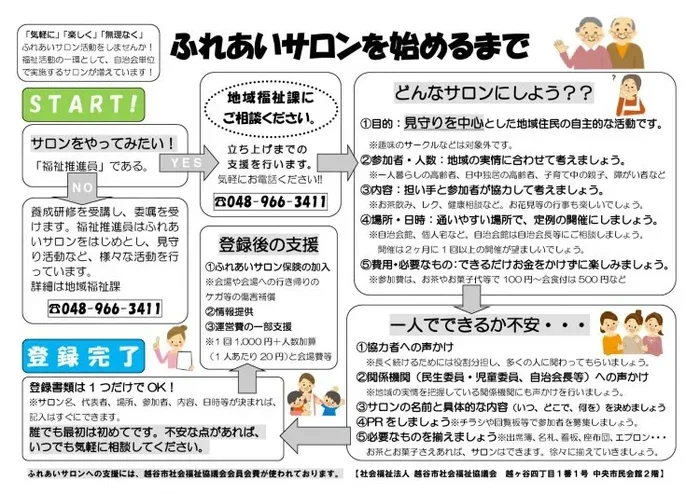
Are Baby Betta Fish Aggressive
Baby betta fish can show mild aggression, especially when they’re hungry or feel cramped. Understanding their behavior, providing proper space, and choosing compatible tank mates will keep your young bettas happy and healthy.
Key Takeaways
- Baby bettas are not as fierce as adults: Their aggression is usually limited to brief displays.
- Space matters most: A cramped tank amplifies territorial behavior.
- Gender influences temperament: Males tend to be more assertive than females.
- Tank mates can help or hurt: Choose peaceful species and avoid other bettas.
- Observation is key: Early signs of stress let you act before fights erupt.
- Proper diet reduces aggression: Regular feeding curbs competition for food.
- Environmental enrichment calms youngsters: Plants and hides give them places to retreat.
📑 Table of Contents
- Introduction: Why the Question Matters
- 1. What Does Aggression Look Like in Baby Betta Fish?
- 2. Why Do Baby Betta Fish Show Aggression?
- 3. Setting Up the Perfect Home for Baby Betta Fish
- 4. Choosing Tank Mates for Baby Betta Fish
- 5. Feeding Strategies to Reduce Aggression
- 6. Recognizing and Managing Early Aggression
- Conclusion: Raising Peaceful Betta Babies
Introduction: Why the Question Matters
When you first bring home a tiny, glittering betta fry, it’s natural to wonder whether that little fighter will turn into a tiny tyrant. Many new betta owners have heard stories of adult males flaring their gills, chasing rivals, and even killing each other. But does that same drama happen at the baby stage? The short answer is: yes, baby betta fish can be aggressive, but the intensity and triggers are very different from adult behavior.
Understanding the nuances helps you set up a safe environment, avoid costly mistakes, and enjoy watching those vibrant fry grow into confident, healthy adults. In this guide we’ll break down what aggression looks like in baby bettas, why it happens, and practical steps you can take to keep the peace.
1. What Does Aggression Look Like in Baby Betta Fish?
Physical signs
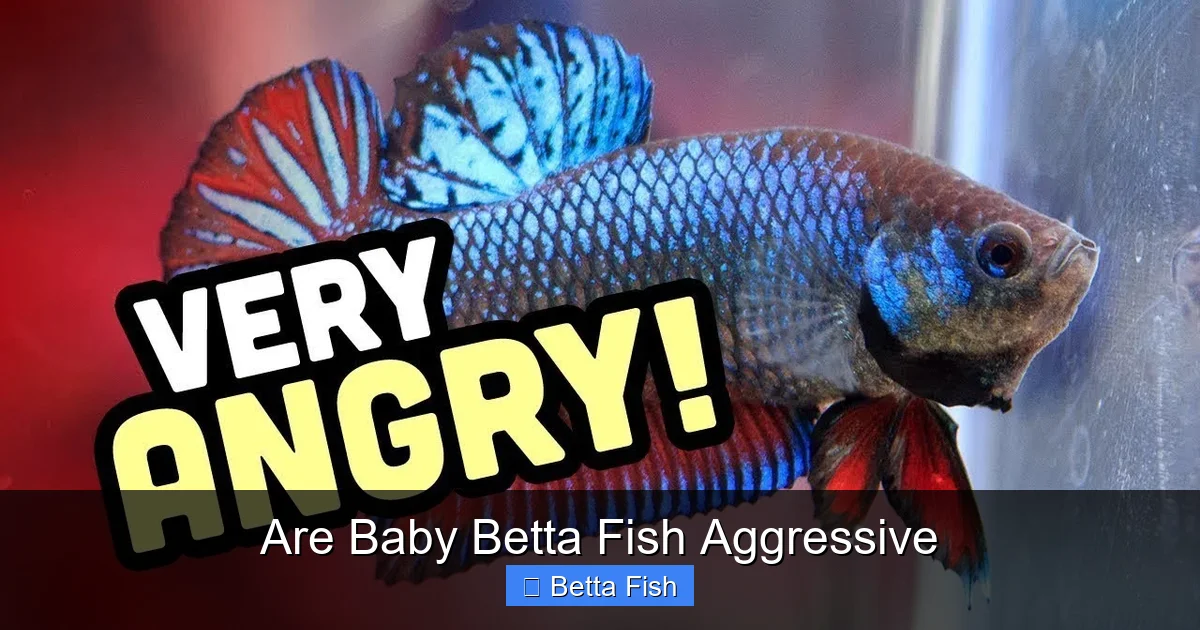
Even the smallest fry can give clues that they’re feeling feisty. Look for:
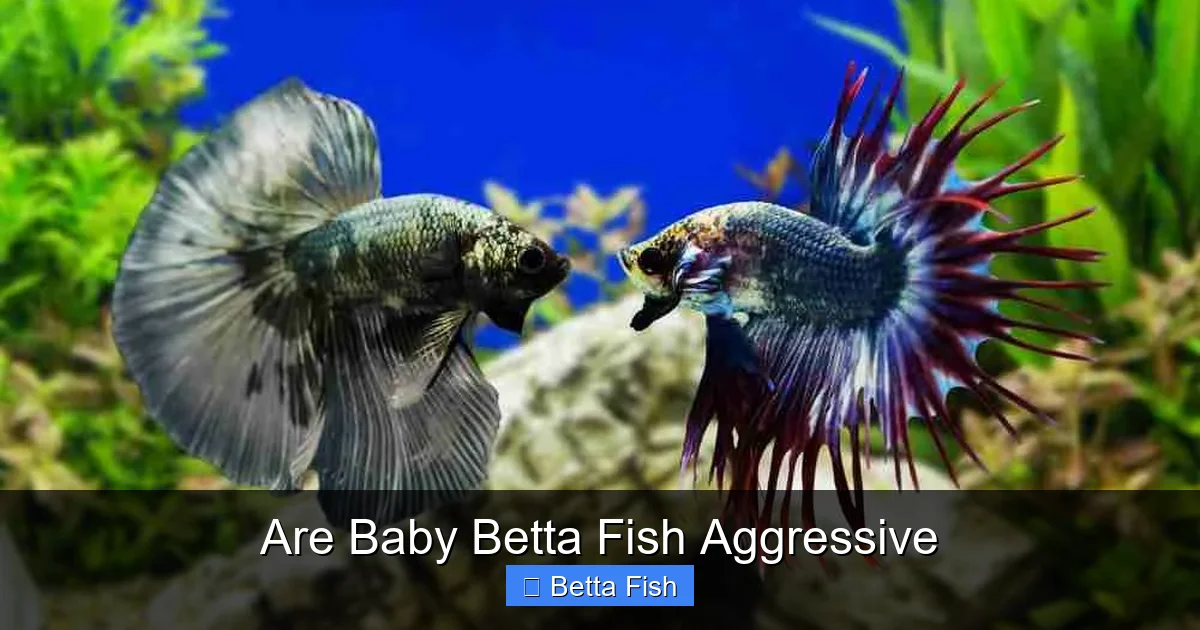
Visual guide about Are Baby Betta Fish Aggressive
Image source: smartaquariumguide.com
- Rapid, darting movements toward another fish.
- Flaring of the tiny dorsal fin (often just a brief puff).
- Chasing or “nipping” at tank mates.
- Color darkening or a slight “hunch” as they become defensive.
Behavioral cues
Besides the visual signs, baby bettas may:
- Hide more often, especially after a brief confrontation.
- Show increased appetite right after a flare, as stress can trigger a hunger response.
- Become less active if the tank feels too crowded.
These signals are usually fleeting—lasting only a few seconds to a minute—unlike the prolonged battles seen in adults.
2. Why Do Baby Betta Fish Show Aggression?
Territorial instincts start early
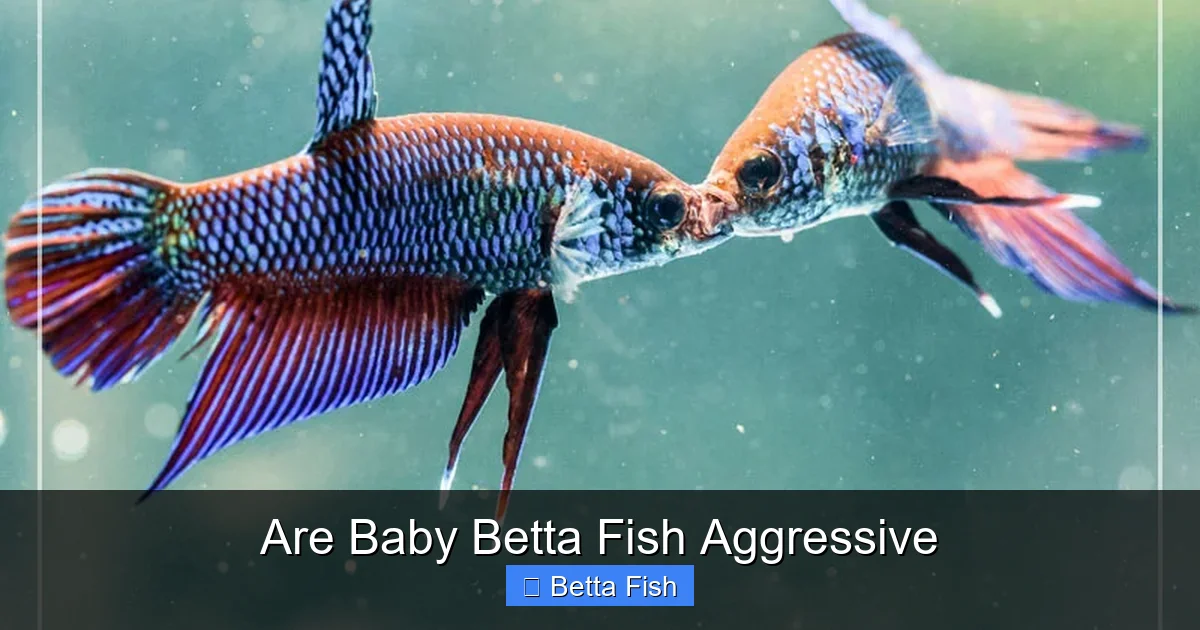
Betta fish are naturally territorial, a trait that helps them protect food sources in the wild. Even at the fry stage, they begin to claim small “personal space” zones. When another fish enters that zone, a quick flare is their way of saying “back off.”
Visual guide about Are Baby Betta Fish Aggressive
Image source: diyseattle.com
Hunger and competition
Young bettas have fast metabolisms. If food is scarce or unevenly distributed, they may become aggressive to secure a bite. This is why consistent, small feedings are crucial.
Gender differences
Male fry tend to develop a stronger territorial drive than females, mirroring adult patterns. While the difference isn’t dramatic at this stage, it’s noticeable if you keep several males together.
Environmental stressors
Overcrowding, poor water quality, and lack of hiding places can all heighten stress, prompting aggressive displays. A well‑filtered, properly sized tank reduces these triggers.
3. Setting Up the Perfect Home for Baby Betta Fish
Tank size and shape
Even though adult bettas can live in small bowls, baby bettas need room to swim and establish personal zones. A 5‑gal (19‑liter) tank is a solid starting point for a small group of fry. Larger tanks dilute aggression and give each fish its own corner.
Visual guide about Are Baby Betta Fish Aggressive
Image source: fishkeepingwisdom.com
Water parameters
Maintain a temperature of 78‑80°F (25‑27°C), a pH of 6.5‑7.5, and keep ammonia and nitrite at zero. Stable water reduces stress, which in turn lowers aggression.
Plants and decorations
Live or silk plants, smooth rocks, and driftwood create visual barriers. These “breaks” in sight lines let fry retreat without feeling constantly observed. For more ideas, see our guide on which live plants are good for betta fish.
Filtration and flow
A gentle sponge filter provides clean water without creating strong currents that can stress delicate fry. Aim for a flow rate that moves the water just enough to keep it oxygenated.
4. Choosing Tank Mates for Baby Betta Fish
Why most fish aren’t ideal companions
Even baby bettas can mistake fast‑moving or brightly colored fish for rivals. Small, peaceful species that occupy different levels of the tank are safest.
Best companion candidates
- Neon tetras – stay near the top, quick but non‑aggressive.
- Corydoras catfish – bottom dwellers that keep to themselves.
- Harlequin rasboras – mid‑level swimmers with calm temperaments.
Always introduce new fish slowly and monitor for any signs of stress.
When to avoid other bettas
Even as fry, two male bettas are likely to clash once they reach the juvenile stage. If you want to keep multiple bettas, consider all‑female groups or separate them by a divider. Learn more about gender‑based aggression in our article Are Female Betta Fish Aggressive.
5. Feeding Strategies to Reduce Aggression
Frequent, small meals
Feed baby bettas 2‑3 times daily with high‑quality fry food or finely crushed brine shrimp. Small portions ensure every fish gets a bite and reduces competition.
Distribute food evenly
Scatter food across the surface rather than dropping it in one spot. This encourages all fry to feed simultaneously and lessens the urge to chase.
Supplemental treats
Occasional live foods like microworms stimulate natural hunting behavior and can be a calming enrichment activity.
6. Recognizing and Managing Early Aggression
Spotting trouble early
Keep a daily log of your fry’s behavior. Note any repeated flares, chases, or hiding. Early detection lets you act before injuries occur.
Intervention techniques
- Rearrange décor: Moving plants and rocks resets territories.
- Temporary separation: Use a breeding box or small netted compartment for the most aggressive individual.
- Water change: A 25% water change can reduce stress hormones in the water.
When to seek help
If a fry shows torn fins, loss of color, or refuses to eat, isolate it immediately and consult a specialist. Persistent aggression may indicate underlying health issues.
Conclusion: Raising Peaceful Betta Babies
Baby betta fish are not the tiny tyrants many fear, but they do carry a spark of territorial instinct that can flare under the right conditions. By providing ample space, stable water, plenty of hiding spots, and a well‑balanced diet, you create an environment where aggression stays mild and short‑lived. Pairing them with compatible, non‑aggressive tank mates and monitoring their behavior closely will help you enjoy a vibrant, peaceful community as they grow.
Remember, the key is observation and adaptation. As your fry mature, their needs will change, and so should your care routine. With the right approach, you’ll watch those dazzling colors flourish without the drama of endless battles.
Frequently Asked Questions
Do baby betta fish fight like adult males?
Not usually. Fry may flare briefly or chase each other, but fights are short and rarely result in injury.
Is it safe to keep multiple baby bettas together?
Yes, if the tank is large enough and you provide plenty of plants and hides. All‑female groups are the most peaceful.
How can I tell if a baby betta is male or female?
At the fry stage, it’s difficult to differentiate. You’ll usually need to wait until they are a few weeks old and look for subtle differences in body shape and fin length.
What temperature should I keep a baby betta tank at?
Maintain 78‑80°F (25‑27°C). Consistent warmth supports healthy growth and reduces stress‑induced aggression.
Can I keep baby bettas with other fish?
Yes, choose small, peaceful species that occupy different tank levels, such as neon tetras or corydoras.
Why does my baby betta flare its fins?
Flaring is a communication tool. It may be warning a rival, expressing excitement over food, or reacting to a perceived threat.