Betta fish can recognize you, respond to routine, and show signs of “understanding” through behavior, but they don’t think like people. Learn how to read their cues, build trust, and create a happy tank that encourages interaction.
Key Takeaways
- Recognition: Betta fish can learn to associate your face or voice with food.
- Behavioral cues: Changes in fin position, color, and swimming patterns signal mood.
- Training potential: Simple tricks like “come to hand” are possible with consistent reward.
- Environment matters: Stable temperature and clean water boost confidence and responsiveness.
- Limits of understanding: Betta fish react to patterns, not abstract human thoughts.
- Bonding tips: Slow movements, gentle hand‑feeding, and regular tank maintenance deepen trust.
- Health link: A sick betta may appear unresponsive, so watch for signs of illness.
📑 Table of Contents
- Introduction: Why We Wonder If Betta Fish Understand Us
- 1. How Betta Brains Work: A Quick Overview
- 2. Signs Your Betta Recognizes You
- 3. Training Your Betta: Simple Tricks Anyone Can Teach
- 4. The Role of Environment in Communication
- 5. Understanding Limits: What Betta Fish Can’t Do
- 6. Health Checks: When Lack of Response Means Trouble
- Conclusion: Building a Meaningful Bond
Introduction: Why We Wonder If Betta Fish Understand Us
Betta fish—those bright, flowing‑fin marvels—have become popular pets for a reason. Their bold colors and personality seem to shout, “Look at me!” As owners, we often talk to them, tap on the glass, and even try to teach them tricks. The big question that pops up in many fish‑keeping forums is: do betta fish understand humans?
In this article we’ll break down the science, share real‑world examples, and give you practical tips to build a stronger connection with your betta. Think of it as a friendly chat over a cup of tea, except the tea is water kept at the perfect temperature for your fish.
1. How Betta Brains Work: A Quick Overview
Simple but effective
Betta fish have a brain that is tiny compared to mammals, but it’s perfectly designed for their lifestyle. Their forebrain handles basic learning, while the midbrain processes visual cues—exactly what they need to spot food, rivals, and a friendly hand.

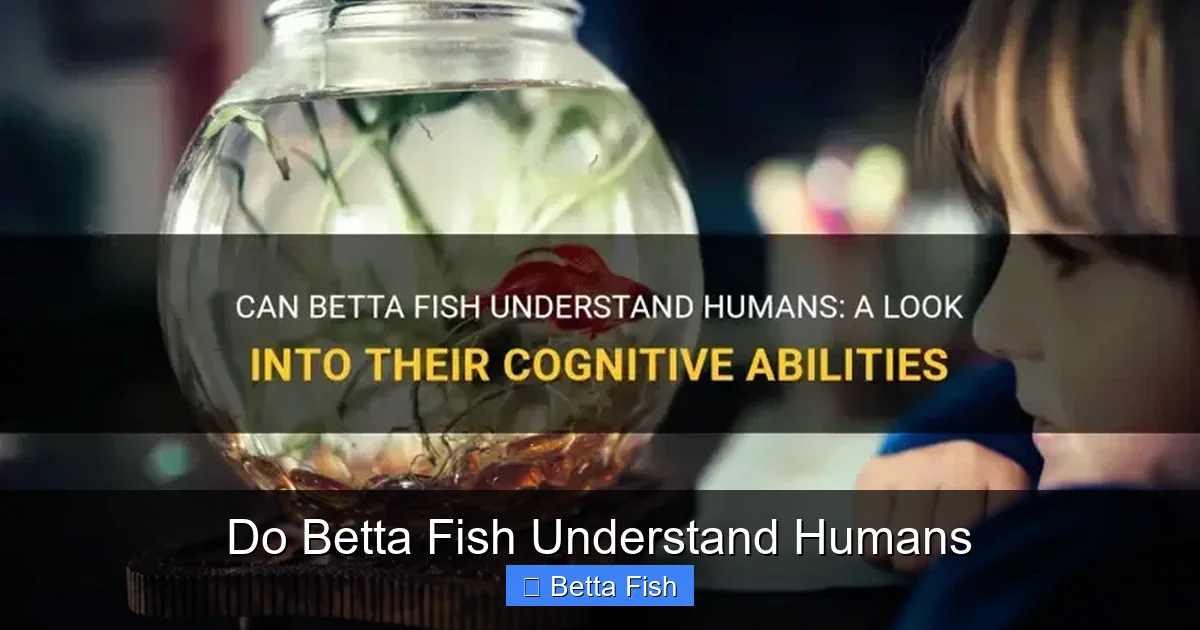
Visual guide about Do Betta Fish Understand Humans
Image source: images.pexels.com
Learning by association
Like many animals, bettas excel at classical conditioning. If you appear at the tank and immediately feed them, they soon link your presence with a tasty reward. This is the core of how they “understand” you—not through language, but through pattern recognition.
2. Signs Your Betta Recognizes You
Faster swimming to the front
When you approach the tank, a betta that knows you will often glide straight to the surface, waiting for food. This is different from a random hop around the tank.

Visual guide about Do Betta Fish Understand Humans
Image source: publicdomainpictures.net
Color changes
Healthy bettas display vibrant colors when happy. If the fish brightens up as you get near, it’s a good sign they associate you with a positive experience.
Fin posture
Relaxed, slightly spread fins mean comfort. A betta that flares its gills only when you’re near may be nervous, indicating they’re still learning about you.
3. Training Your Betta: Simple Tricks Anyone Can Teach
Hand‑feeding
Start by offering a small piece of high‑quality betta pellet on your fingertip. Hold it just above the water and wait. Patience is key—let the fish come to you. Over time, the betta will recognize your hand as a food source.
Visual guide about Do Betta Fish Understand Humans
Image source: petshun.com
“Come to the glass” cue
Use a soft voice and tap lightly on the glass before feeding. After several repetitions, the fish will often swim toward the sound, anticipating a treat.
Target training with a straw
Place a clean drinking straw near the surface and reward the fish each time it touches the straw with its nose. This builds focus and can be a stepping stone to more complex tricks.
4. The Role of Environment in Communication
Stable temperature
Betta fish thrive at 78‑80°F (25‑27°C). Fluctuations can stress them, making them less responsive. For a deep dive into temperature preferences, see our guide on what temperatures do betta fish like.
Clean water
Good water quality is the foundation of a happy betta. Regular water changes (about 25% weekly) keep ammonia low and encourage natural behavior. Learn the step‑by‑step process here.
Enrichment
Live plants, smooth rocks, and occasional floating toys give your betta places to explore. An enriched tank reduces boredom, making them more likely to engage with you.
5. Understanding Limits: What Betta Fish Can’t Do
No abstract reasoning
Betta fish do not grasp human language or complex concepts. Their “understanding” stops at recognizing patterns—like a hand that always brings food.
Short memory span
While they can remember a cue for a few minutes to a few hours, they won’t recall an event from days ago unless it’s consistently reinforced.
Individual personality
Just like people, bettas have unique temperaments. Some are bold and eager, while others are shy and may never come close to the glass, no matter how many treats you offer.
6. Health Checks: When Lack of Response Means Trouble
Spotting illness
If your betta suddenly stops reacting to you, it could be sick. Look for faded colors, clamped fins, or erratic swimming. For a quick health checklist, read how do you know if your betta fish is dying.
Stress signals
Rapid gill movement, hiding, or constant flaring indicate stress. Reduce stressors like loud noises, bright lights, or aggressive tank mates.
When to seek help
Persistent issues warrant a visit to a knowledgeable aquarium store or a vet specialized in fish.
Conclusion: Building a Meaningful Bond
So, do betta fish understand humans? In short, they understand you enough to recognize patterns, anticipate food, and show affection through behavior. They aren’t capable of deep emotional understanding, but with patience, consistent care, and a well‑maintained tank, you can create a relationship that feels rewarding for both of you.
Remember to keep the water clean, the temperature steady, and the feeding routine predictable. Talk to your betta, hand‑feed when you can, and watch those beautiful fins flutter in response. Over time, you’ll notice subtle signs that your fish not only knows you but enjoys the companionship you provide.
Frequently Asked Questions
Do betta fish recognize their owners?
Yes, bettas can learn to associate a person’s face or voice with food, leading them to swim toward you when you approach the tank.
Can I train my betta to do tricks?
Simple tricks like hand‑feeding, swimming to the glass on cue, or touching a target are possible with consistent, positive reinforcement.
Why does my betta change color when I’m near?
Color intensifies when a betta is excited or feels safe. Your presence often signals a feeding opportunity, which can trigger brighter hues.
What should I do if my betta stops responding?
Check water parameters, look for signs of illness, and ensure the temperature is stable. A sudden lack of response can indicate stress or disease.
Do bettas need a heater to stay active?
Yes, they thrive at 78‑80°F (25‑27°C). Maintaining this range keeps them healthy and more likely to interact with you.
How often should I feed my betta to keep it engaged?
Feed 2‑3 small meals per day, using high‑quality pellets or frozen foods. Consistent feeding helps reinforce the connection between you and your fish.

