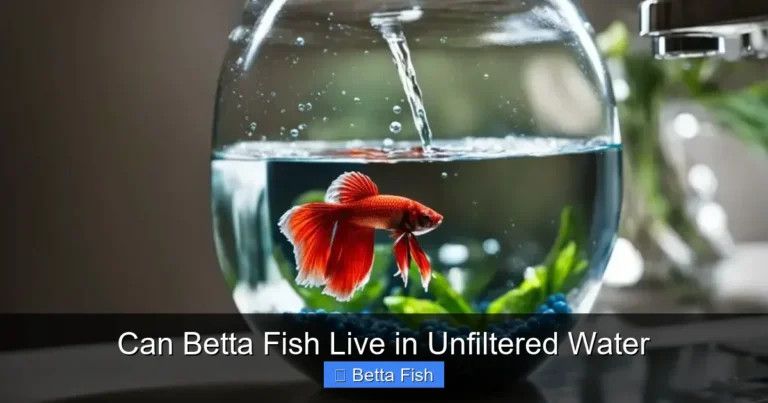
Do Betta Fish Bring Bad Luck

Betta fish are beautiful, low‑maintenance pets, not harbingers of misfortune. Most “bad luck” stories stem from cultural folklore and misunderstandings about their care. Learn why these myths persist and how proper care can keep both you and your betta thriving.
Key Takeaways
- Myths vs. science: No scientific evidence links bettas to bad luck; the belief is cultural.
- Care matters most: Poor water quality or neglect can cause health issues that people misinterpret as “bad luck.”
- Positive symbolism: In many Asian cultures, bettas symbolize strength and good fortune.
- Environment influences perception: Stressful tank conditions can make a betta act aggressively, fueling superstitions.
- Know the signs: Learning how to tell if your betta is sick helps prevent false superstitions.
- Practical steps: Simple care routines—right temperature, regular water changes, proper feeding—ensure a happy fish.
- Share the truth: Educating friends and family dispels myths and promotes responsible fish keeping.
📑 Table of Contents
- Introduction: From Folklore to the Fish Bowl
- 1. The Origins of the Bad‑Luck Myth
- 2. Science Says No – Betta Fish Are Not Supernatural
- 3. When Bad Luck Feels Real: Common Care Mistakes
- 4. Positive Symbolism: Betta Fish as Good Luck Charms
- 5. How to Keep Your Betta “Lucky” – Practical Care Tips
- 6. Sharing the Truth: How to Talk About Betta Myths
- Conclusion: Your Betta Is What You Make It
Introduction: From Folklore to the Fish Bowl
When you first see a betta fish gliding its bright fins, you might think, “What a lucky charm!” Yet, you’ll also hear whispers that these fish bring bad luck. The idea isn’t new—stories about “cursed” or “jinxed” pets have floated around for centuries. In this article we’ll untangle the superstition, look at where the belief comes from, and—most importantly—show you how proper care can turn any myth into a happy, healthy tank.
Whether you’re a seasoned aquarist or just considering a betta as your first pet, understanding the truth behind “do betta fish bring bad luck” will help you make an informed decision and keep your fish thriving.
1. The Origins of the Bad‑Luck Myth
Historical roots
Betta splendens, commonly called the Siamese fighting fish, hail from the shallow rice paddies of Thailand. In their native lands, they were once prized for aggressive “fighting” contests, not for superstitious reasons. However, when the fish entered Western pet markets in the early 20th century, their dramatic flaring and occasional “aggressive” behavior sparked tales of ominous omens.

Visual guide about Do Betta Fish Bring Bad Luck
Image source: images.twinkl.co.uk
Cultural twists
In some East‑Asian cultures, bright colors are linked to both good and bad fortune, depending on context. A red betta might be seen as a symbol of prosperity, while a sudden, unexplained death could be interpreted as a warning sign—especially if the owner was already facing hardships. Over time, anecdotal stories merged with the fish’s reputation for fighting, creating the modern myth: “Do betta fish bring bad luck?”
2. Science Says No – Betta Fish Are Not Supernatural
What research tells us
Scientific studies on betta behavior focus on aggression, genetics, and water chemistry—not on metaphysical powers. No peer‑reviewed paper links bettas to financial loss, illness, or any form of misfortune. The “bad luck” label is purely a cultural narrative.

Visual guide about Do Betta Fish Bring Bad Luck
Image source: i.ytimg.com
Why the myth persists
Humans love stories that explain the unknown. When a betta dies unexpectedly, owners may look for a cause beyond the obvious (poor water, disease). The brain quickly connects the event to existing superstitions, reinforcing the belief that the fish was “cursed.”
3. When Bad Luck Feels Real: Common Care Mistakes
Poor water quality
One of the most frequent reasons a betta looks “unlucky” is a dirty tank. Bad water can cause lethargy, faded colors, and sudden death—events that fuel superstition. Regular water changes are essential. For a step‑by‑step guide, see our article on how do you change a betta fish water.

Visual guide about Do Betta Fish Bring Bad Luck
Image source: logos-world.net
Incorrect temperature
Betta fish thrive between 76°F and 82°F (24‑28°C). Temperatures outside this range stress the fish, making it more prone to disease. If you’re unsure about the ideal range, check out what temperatures do betta fish like for details.
Overfeeding or underfeeding
Feeding the wrong amount can lead to bloating, constipation, or poor water quality. Learn the right feeding schedule in our guide how do you feed a betta fish.
4. Positive Symbolism: Betta Fish as Good Luck Charms
Asian traditions
In Thailand and Vietnam, bettas are often kept in small ponds during festivals as symbols of vitality and perseverance. Their bright colors are thought to attract positive energy, the opposite of “bad luck.”
Modern pet owners
Many hobbyists view their betta as a reminder to practice patience and responsibility. Watching a betta build a bubble nest, for example, can be a calming ritual that promotes mindfulness—a type of “good luck” for mental health.
5. How to Keep Your Betta “Lucky” – Practical Care Tips
Set up a proper tank
Even a 5‑gallon tank with a gentle filter gives your betta room to explore. Avoid tiny bowls; cramped spaces increase stress and the chance of disease.
Maintain stable water parameters
- Temperature: 76‑82°F (use a reliable heater).
- pH: 6.5‑7.5.
- Ammonia & nitrite: 0 ppm.
Regular testing and a weekly 25‑30% water change keep the environment stable.
Feed the right amount
Offer high‑quality betta pellets or frozen daphnia once or twice daily. Only give what your fish can eat in two minutes to avoid leftovers.
Watch for signs of health
Knowing how to spot illness prevents misinterpretation of “bad luck.” If your betta’s fins are ragged, it may be fin rot; if it’s gasping at the surface, it might need cleaner water. For a full checklist, read how do you know if your betta fish is dying.
Provide enrichment
Add live plants, smooth rocks, or a small cave. These items simulate a natural habitat and reduce boredom, which can otherwise cause frantic swimming that looks “ominous.”
6. Sharing the Truth: How to Talk About Betta Myths
Start with facts
When a friend says, “I heard bettas bring bad luck,” respond with a calm, “There’s no scientific proof—most problems come from care issues.” Offer a quick tip, like checking water temperature.
Use personal experience
Share a story of a healthy betta thriving for years with proper care. Real‑world examples often outweigh folklore.
Provide resources
Direct them to reliable articles (like the ones linked above). A well‑informed owner is less likely to spread superstition.
Conclusion: Your Betta Is What You Make It
So, do betta fish bring bad luck? The short answer is no—any “bad luck” is usually a sign of neglect or misunderstanding. By giving your betta clean water, the right temperature, and a balanced diet, you create a happy environment that dispels myths and brings genuine joy. Remember, a thriving betta is a lucky charm in its own right, reflecting the care and attention you provide.
Frequently Asked Questions
Do betta fish actually cause misfortune?
No. There is no scientific evidence that betta fish bring bad luck. Most negative experiences stem from poor care, not supernatural influence.
Why are betta fish associated with fighting?
Male bettas are territorial and will flare their fins to defend a space. This natural aggression was once used in “betta fighting” contests, which contributed to the ominous reputation.
Can a healthy tank prevent the “bad luck” myth?
Yes. Maintaining proper water quality, temperature, and diet keeps the fish healthy, reducing unexpected deaths that fuel superstitions.
Are there any cultural traditions that view bettas positively?
In Southeast Asia, bettas are often seen as symbols of strength and good fortune, especially during festivals.
What are the first signs that my betta might be ill?
Look for faded colors, torn fins, rapid breathing, or loss of appetite. These signs suggest water or health issues that need immediate attention.
How can I help a friend who believes bettas bring bad luck?
Share factual information, offer to show them proper tank setup, and point them to reliable resources. Positive experiences will change their perception over time.