Can Betta Fish Feel Emotion

Betta fish aren’t just colorful ornaments; they have nervous systems capable of simple feelings. Recent studies suggest they can experience stress, pleasure, and even social curiosity. Understanding these emotions helps owners create environments where bettas thrive.
Key Takeaways
- Basic brain structure: Betta fish possess a forebrain and limbic-like regions that process basic emotions.
- Stress signals: Rapid fin shaking, color fading, and hiding indicate anxiety.
- Positive stimuli: Interactive toys, live plants, and feeding routines can trigger pleasure‑like responses.
- Social behavior: While they’re territorial, bettas show curiosity toward other fish when properly introduced.
- Care tips: Stable water parameters, enrichment, and low‑stress environments support emotional wellbeing.
- Research limits: We cannot equate fish feelings with human emotions, but measurable behaviors show affect.
- Practical benefit: Recognizing emotions leads to healthier fish and a more rewarding hobby.
📑 Table of Contents
- Introduction: Why the Question Matters
- 1. The Science of Fish Feelings
- 2. Recognizing Emotional States in Your Betta
- 3. Creating an Emotion‑Friendly Habitat
- 4. Social Interactions: Can Betta Fish Feel Affection?
- 5. Practical Tips for Enhancing Betta Well‑Being
- Conclusion: Respecting the Inner Life of Betta Fish
Introduction: Why the Question Matters
When you first see a betta’s shimmering fins, it’s easy to think of them as simple “pretty fish.” Yet many owners wonder, can betta fish feel emotion? The answer shapes how we set up tanks, choose tank mates, and interact with these little swimmers. If a betta can feel stress or pleasure, our responsibility to provide a calm, stimulating home grows.
This article breaks down the science, shares real‑world observations, and offers practical steps so you can treat your betta with the respect it deserves. By the end, you’ll know what behaviors likely mean “I’m scared,” “I’m happy,” or “I’m curious,” and how to respond.
1. The Science of Fish Feelings
Neuroanatomy: A Simple Yet Powerful Brain
Betta fish belong to the teleost group, which has a brain organized into three main parts: the forebrain, midbrain, and hindbrain. The forebrain contains a structure comparable to the mammalian limbic system—a region that processes fear, reward, and motivation. Though far less complex than a human brain, it is enough for basic affective states.
Visual guide about Can Betta Fish Feel Emotion
Image source: image.hnol.net
Behavioral Evidence
Researchers use “conditioned place preference” tests to see if fish prefer an environment linked with a reward (like food) over a neutral one. Betta fish consistently choose the rewarding side, indicating they can experience pleasure. Conversely, exposure to sudden shadows or aggressive tank mates triggers avoidance, a sign of fear.
Hormonal Indicators
Cortisol, the stress hormone, spikes in bettas when water quality drops or when they are forced to share a cramped space. Elevated cortisol correlates with color dimming and reduced activity—observable signs that the fish is uncomfortable.
2. Recognizing Emotional States in Your Betta
Stress and Fear
- Color fading: Bright blues, reds, or purples dull when the fish is stressed.
- Fin trembling: Rapid, jittery fin movements are a classic alarm response.
- Hiding: Seeking cover under plants or decorations signals a need for security.
Contentment and Curiosity
- Vibrant coloration: A happy betta displays its full palette, especially during feeding.
- Exploratory swimming: Gentle, purposeful movement around the tank shows interest.
- Bubble nesting: Males building bubble nests are exhibiting natural reproductive behavior, a sign of wellbeing.
Social Interest (With Caution)
Betas are often labeled “single‑male” fish, but they can show curiosity toward other species if the environment is spacious and well‑planted. Watch for a calm approach versus a flared gill display, which indicates aggression.
Visual guide about Can Betta Fish Feel Emotion
Image source: petshun.com
3. Creating an Emotion‑Friendly Habitat
Water Quality First
Stable parameters keep cortisol low. Aim for:
Visual guide about Can Betta Fish Feel Emotion
Image source: higashionna.co.jp
- Temperature: 76‑82°F (24‑28°C)
- pH: 6.5‑7.5
- Ammonia & nitrite: 0 ppm
- Regular 25% water changes weekly
Enrichment Essentials
Just like a dog needs a walk, a betta needs mental stimulation.
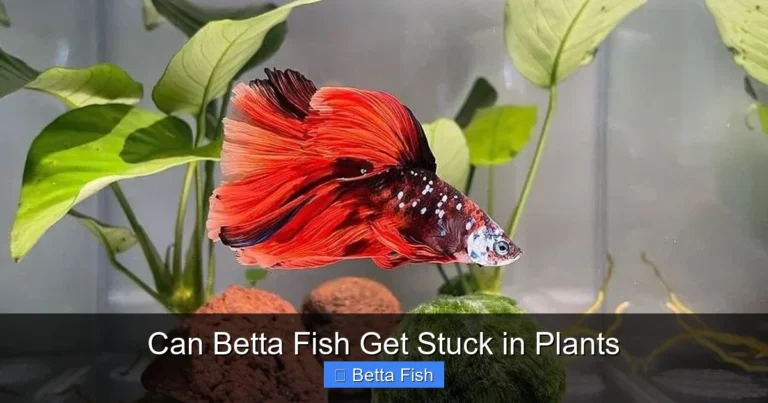
- Live plants: Java fern, Anubias, and Marimo moss provide hiding spots and natural foraging.
- Toys: Floating ping‑pong balls or soft silicone tunnels encourage exploration.
- Feeding variety: Rotate between high‑quality pellets, frozen bloodworms, and daphnia to keep meals exciting.
Tank Size and Layout
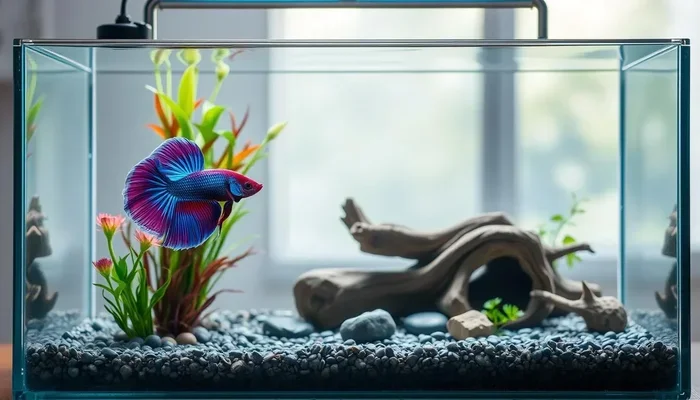
Even a single betta benefits from a 5‑gallon (19‑liter) tank with a gentle flow filter. Avoid tiny bowls; they restrict swimming and raise stress.
For those curious about community setups, read our guide on What Other Fish Can Live With Betta Fish to choose compatible tank mates that won’t provoke aggression.
4. Social Interactions: Can Betta Fish Feel Affection?
Territorial Nature vs. Social Curiosity
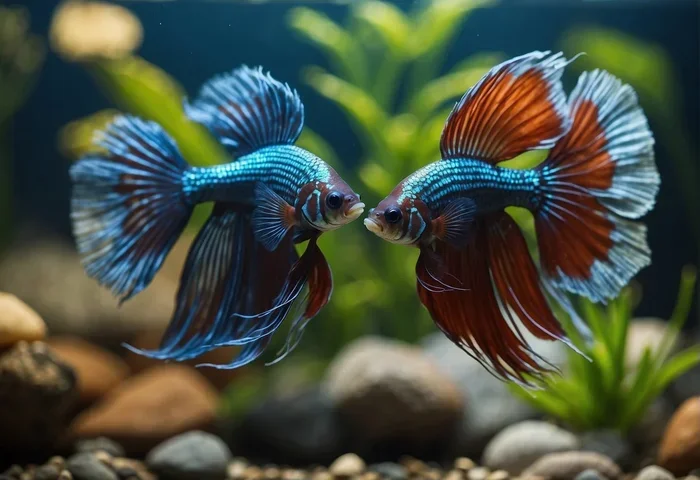
Male bettas guard their space fiercely, but they also respond to visual cues. When a second fish is placed behind a clear barrier, many bettas display a “watchful” posture—head raised, fins slightly flared—rather than outright fighting. This suggests a level of interest, not just hostility.
Introducing Tank Mates Safely
- Start with a heavily planted tank that breaks line of sight.
- Use a divider for the first week to let both fish see each other without contact.
- Observe color changes; a bright betta is more likely to stay calm.
- Gradually remove the divider if no aggression appears.
Good companions include small, non‑aggressive species like neon tetras or dwarf rasboras. Avoid bright, fin‑nipping fish such as guppies unless you have a very large tank.
5. Practical Tips for Enhancing Betta Well‑Being
Daily Observation Checklist
- Check color intensity for signs of stress.
- Note any fin trembling or rapid breathing.
- Watch feeding response; a sluggish eater may be ill or anxious.
- Inspect water parameters with a test kit.
Interactive Play
Use a clean, soft brush to gently “stroke” the betta’s side during feeding. Many owners report that the fish follows the brush, showing curiosity and a mild pleasure response.
Seasonal Adjustments
During colder months, keep the heater steady to avoid temperature swings that can trigger stress. In summer, ensure the tank is out of direct sunlight to prevent algae overgrowth.
Conclusion: Respecting the Inner Life of Betta Fish
While betta fish do not experience emotions exactly as humans do, the scientific evidence and everyday observations tell us they can feel stress, pleasure, and curiosity. Recognizing these affective states allows you to create a healthier, more engaging environment. By maintaining water quality, providing enrichment, and respecting their social limits, you give your betta the best chance to live a vibrant, emotionally balanced life.
So the next time you see your betta’s fins flare or its colors glow, remember: you’re witnessing a tiny creature reacting to its world. Treat those reactions with care, and you’ll enjoy a rewarding companionship for years to come.
Frequently Asked Questions
Do betta fish experience pain?
Yes. Betta fish have nociceptors that detect harmful stimuli, so they can feel pain similar to other fish.
Can I tell if my betta is bored?
A bored betta may hover near the surface, ignore food, or display repetitive fin movements. Adding plants or toys can help.
Is it okay to keep a male betta with a female?
Only in a very large, heavily planted tank with plenty of hiding spots; otherwise aggression is likely. See Can You Keep Male And Female Betta Fish Together for details.
How often should I change the water?
Partial water changes of about 25% weekly keep nitrate levels low and reduce stress.
Can bettas be trained?
Simple tricks like swimming through a hoop or following a finger can be taught with patience and positive reinforcement.
Do betta fish need companions?
They are solitary by nature, but a well‑chosen, peaceful tank mate can provide mental stimulation without causing aggression.