Betta fish are often called “loner” fish, but that doesn’t mean they thrive in isolation. With the right tank setup, enrichment, and occasional compatible tank‑mates, a betta can be both healthy and content.
Key Takeaways
- Betta’s natural temperament: Wild bettas are solitary, yet captive bettas can adapt to varied environments.
- Tank size matters more than companionship: A 5‑gallon minimum provides space for swimming and hiding.
- Enrichment is essential: Plants, caves, and toys keep a lone betta mentally stimulated.
- Compatible tank‑mates exist: Peaceful species like certain snails and shrimp can share a community tank.
- Sex and aggression: Male bettas should never be housed together; females can sometimes cohabit with care.
- Water quality is non‑negotiable: Stable temperature, pH, and low ammonia are key for any betta, alone or not.
- Observation is critical: Watch for stress signals—faded colors, clamped fins, or erratic swimming.
📑 Table of Contents
Introduction: The Loneliness Myth
When you first see a betta fish, its dazzling fins and bold personality make it seem like a perfect solo pet. In the pet store, you’ll often hear the phrase “betta fish are solitary.” That statement is partly true—wild bettas defend their own territories, and a male will fight fiercely if another male intrudes.
But “can betta fish be alone” is a question that goes deeper than aggression. It asks whether a solitary life meets the fish’s physical, mental, and emotional needs. In this guide we’ll explore the science behind betta behavior, the practicalities of tank setup, and when it’s safe (or not) to add roommates.
1. Understanding Betta Nature
Wild Origins and Territorial Instincts
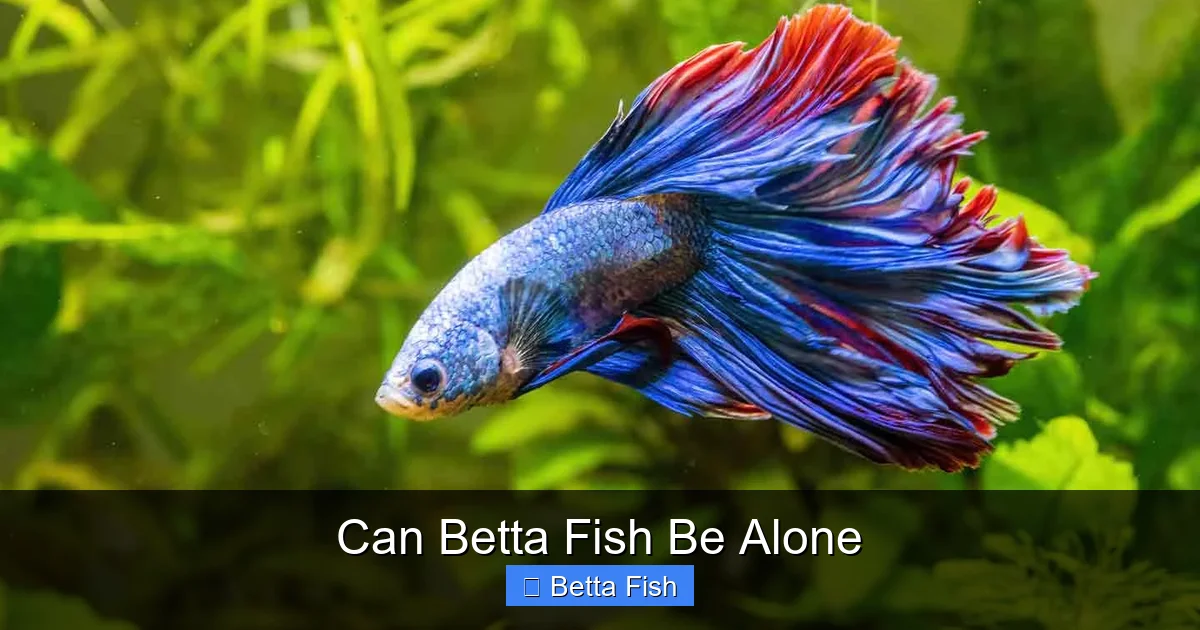
Betta splendens come from the shallow rice paddies and slow‑moving streams of Southeast Asia. In those environments, each male claims a stretch of water, builds a bubble nest, and guards it fiercely. This territorial streak explains why two males in the same tank will usually end in a deadly clash.
Visual guide about Can Betta Fish Be Alone
Image source: media-be.chewy.com
Domestic Evolution
Captive breeding over the last century has produced countless color and fin variations, but the core instinct remains. A betta’s “solo” nature is an adaptation for survival, not a sign of emotional neediness. However, captivity removes predators, food scarcity, and the need to constantly patrol a large area, opening a window for enrichment.
2. The Minimum Tank Requirements
Why Size Beats “Solo” Myths
Many beginners start a betta in a 1‑gallon bowl. That looks cute, but it limits swimming space, reduces water stability, and makes waste buildup rapid. A 5‑gallon (or larger) tank provides enough room for a betta to explore, chase, and rest without feeling cramped.

Visual guide about Can Betta Fish Be Alone
Image source: mrwallpaper.com
Key Parameters to Monitor
- Temperature: Keep water between 76‑82°F (24‑28°C). Use a reliable heater.
- pH: Aim for 6.5‑7.5; bettas tolerate slight variations.
- Filtration: Gentle flow (sponge filters work well) prevents stress while keeping water clean.
- Lighting: 8‑10 hours a day mimics natural cycles and reduces aggression.
3. Enrichment for a Solo Betta
Plants, Caves, and Hiding Spots
Live or silk plants give a betta places to rest its fins, hide from sudden movements, and simulate the vegetation of its native habitat. Add driftwood or ceramic caves for additional “territories.” These structures also break line‑of‑sight, which can calm a nervous fish.
Visual guide about Can Betta Fish Be Alone
Image source: d2l930y2yx77uc.cloudfront.net
Toys and Interaction
Betas love to investigate. Floating ping‑pong balls, mirror sessions (briefly), and gentle hand‑feeding with tweezers create mental stimulation. Rotate toys every few weeks to keep curiosity alive.
Feeding Variety
Offer high‑quality betta pellets, frozen or live brine shrimp, and occasional daphnia. Variety prevents boredom and supplies essential nutrients.
4. When to Consider Tank‑Mates
Choosing Compatible Species
Even though the headline question is “can betta fish be alone,” many owners wonder if they can safely share a community tank. The answer is yes—if you pick the right companions. Peaceful bottom‑dwellers and invertebrates typically do well.
Good options include:
- Cherry shrimp (Neocaridina davidi) – they’re small, active, and rarely trigger aggression.
- Pygmy corydoras – a gentle schooling catfish that stays on the substrate.
- Small snails such as Nerite or Mystery snails – they help clean algae and are ignored by most bettas.
For a deeper dive on shrimp compatibility, see our article Can Shrimp Be With Betta Fish.
Gender Matters
Male bettas should never share a tank with another male, regardless of size. Female bettas can sometimes be housed together in a “sorority” setup, but you need at least six females in a 20‑gallon tank to disperse aggression. Read more about female groupings at Can Two Female Betta Fish Be Together.
Introducing New Residents
Quarantine all newcomers for at least two weeks to prevent disease. When adding a shrimp or snail, place them in a separate container within the tank for a day so the betta can see them without direct contact. Observe the betta’s reaction—if it flares its fins or chases, you may need to reconsider.
5. Signs of Stress and How to Respond
Physical Indicators
- Faded or dull coloration.
- Clamped fins (held close to the body).
- Rapid gill movement or gasping at the surface.
Behavioral Clues
Excessive hiding, loss of appetite, or frantic swimming against the glass all signal discomfort. If you see these signs, check water parameters first; poor water quality is the most common stressor.
Quick Fixes
- Test ammonia, nitrite, and nitrate; perform a partial water change if any are elevated.
- Adjust temperature or flow if the fish seems cold‑shocked or over‑stressed.
- Add more hiding spots or reduce visual clutter.
- Consider a short “mirror break” (30 seconds) to let the betta release pent‑up energy, then remove the mirror.
6. Long‑Term Care: Keeping Your Betta Happy
Routine Maintenance
Change 25‑30% of the water weekly, clean the substrate, and prune any overgrown plants. Consistency prevents sudden spikes in pH or temperature.
Health Checks
Weekly visual exams are enough for most healthy bettas. Look for white spots (ich), fin rot, or fungal growth. Early detection makes treatment easier.
When to Upgrade
If you notice your betta outgrowing its space—e.g., it constantly swims to the surface or appears restless—consider moving to a larger tank or adding compatible tank‑mates. A 10‑gallon setup can host a betta plus a few shrimp and a small snail, offering richer interaction without risking aggression.
Conclusion: Balancing Solitude and Social Needs
So, can betta fish be alone? Yes, they can survive alone, but thriving requires more than just a bowl. Providing ample space, proper water conditions, and environmental enrichment satisfies their natural instincts. If you wish to share the tank, choose peaceful invertebrates or carefully managed female groups, and always monitor behavior closely.
Remember, each betta has a unique personality. Some love to show off their fins to a mirror, while others prefer quiet corners. By paying attention to their cues and maintaining a clean, well‑planted tank, you’ll give your betta a happy, healthy life—whether solo or with a few carefully chosen companions.
Frequently Asked Questions
Can a betta fish live alone for its entire life?
Yes, a betta can live a full life alone if its tank meets size, water quality, and enrichment needs. Loneliness is not a concern for bettas the way it is for some social fish.
Do bettas get bored when kept solo?
Boredom can occur if the environment is barren. Adding plants, caves, and rotating toys keeps a solitary betta mentally stimulated.
Is it safe to keep a betta with a snail?
Most snails, like Nerite or Mystery snails, are ignored by bettas and can share a tank safely. They also help control algae, making them a good addition.
Can female bettas be housed together?
Female bettas can live in a sorority, but you need a larger tank (20 gallons) and at least six females to spread aggression.
What signs show my betta is stressed?
Watch for faded colors, clamped fins, rapid gill movement, or frantic swimming. Check water parameters first if you see these signs.
How often should I change the water in a solo betta tank?
Change 25‑30% of the water weekly, and perform a partial change whenever ammonia or nitrite levels rise.

