Will My Betta Fish Grow
Betta fish continue to grow after they leave the store, but their final size depends on genetics, tank conditions, diet, and care. By providing proper space, clean water, and balanced nutrition, you can help your betta reach its full potential without stressing the fish.
Key Takeaways
- Genetics set the limit: Each betta has a species‑specific size range, usually 2‑3 inches for males.
- Tank size matters: A 5‑gal minimum encourages healthy growth; cramped spaces stunt development.
- Water quality is crucial: Stable temperature, pH, and low ammonia support steady growth.
- Nutrition fuels growth: High‑protein foods and occasional treats boost size and color.
- Stress slows growth: Aggressive tank mates, poor filtration, or sudden changes can halt development.
- Growth slows after maturity: Most bettas stop growing noticeably after 3‑4 months.
- Watch for health signs: Stunted growth can indicate disease, poor water, or genetic issues.
📑 Table of Contents
- Introduction: Why Size Matters for Betta Owners
- 1. The Biology of Betta Growth
- 2. Tank Environment: Space, Water, and Temperature
- 3. Feeding for Maximum Growth
- 4. Recognizing Normal vs. Stunted Growth
- 5. Common Myths About Betta Growth
- 6. Practical Tips to Encourage Full Growth
- Conclusion: Helping Your Betta Reach Its Full Potential
Introduction: Why Size Matters for Betta Owners
If you’ve ever watched a tiny betta fry dart around a new tank, you’ve probably wondered, “Will my betta fish grow?” The answer is yes – but the amount of growth depends on a handful of easy‑to‑manage factors. Knowing what influences size helps you create a happy, healthy home for your finned friend and avoids the disappointment of a stunted fish.
In this guide we’ll walk through the biology of betta growth, the environment they need, feeding tips, and red‑flags that signal something is wrong. By the end, you’ll feel confident that you’re giving your betta the best chance to reach its full, vibrant potential.
1. The Biology of Betta Growth
1.1 From Fry to Adult
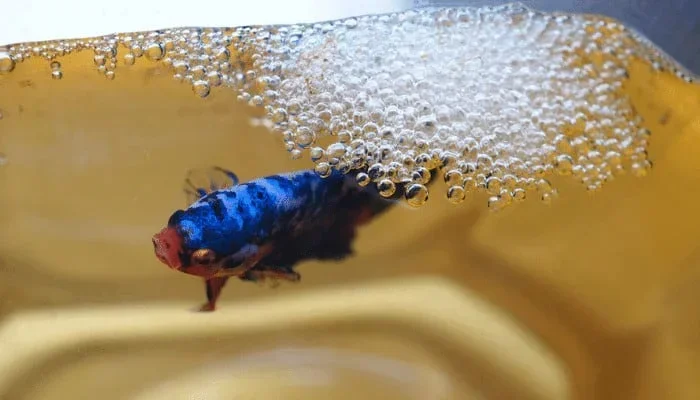
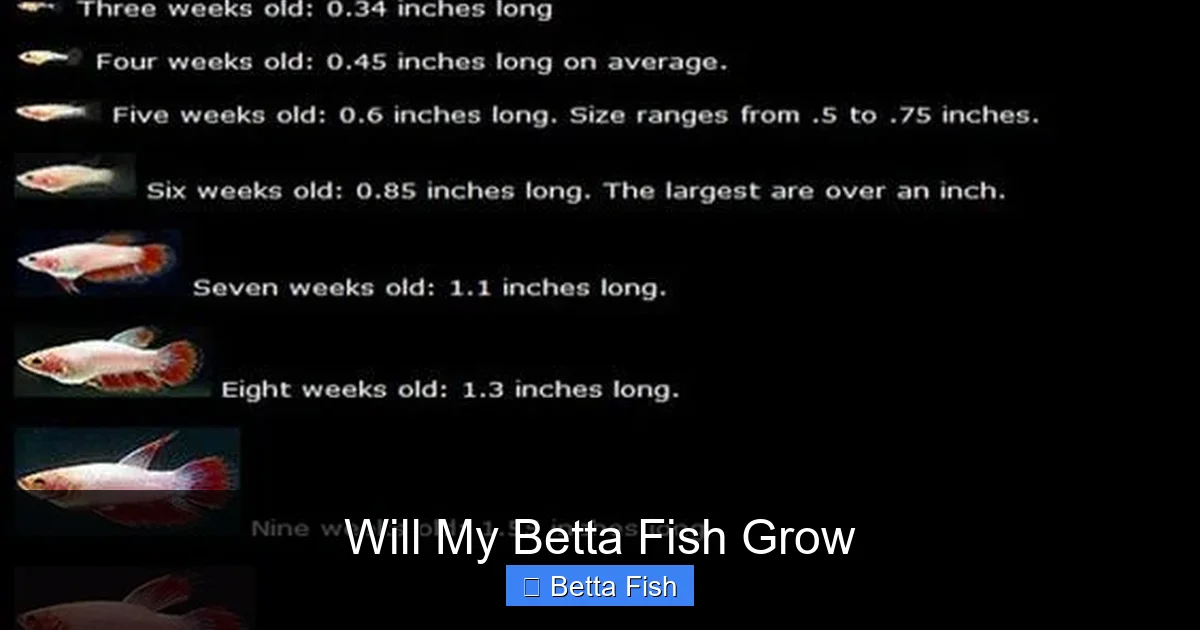
Betta fry hatch at just 0.2 inches and double in size within the first week. During the first 30‑45 days they undergo a rapid “growth spurt,” fueled by their yolk sac and then a protein‑rich diet. After this period, growth slows but never completely stops – a healthy male can add a few millimeters each month up to about 2.5‑3 inches total.

Visual guide about Will My Betta Fish Grow
Image source: i.redd.it
1.2 Genetic Blueprint
Each betta carries a genetic ceiling. Wild‑type Siamese fighting fish (the species bettas belong to) average 2 inches, while many selectively bred show varieties reach 3 inches or slightly more. No amount of feeding will push a fish beyond its genetic limit.
1.3 Sex Differences
Males typically grow larger and develop longer, flowing fins. Females are usually a bit smaller, about 1.5‑2 inches, but they can be just as robust if cared for properly.
2. Tank Environment: Space, Water, and Temperature
2.1 Minimum Tank Size
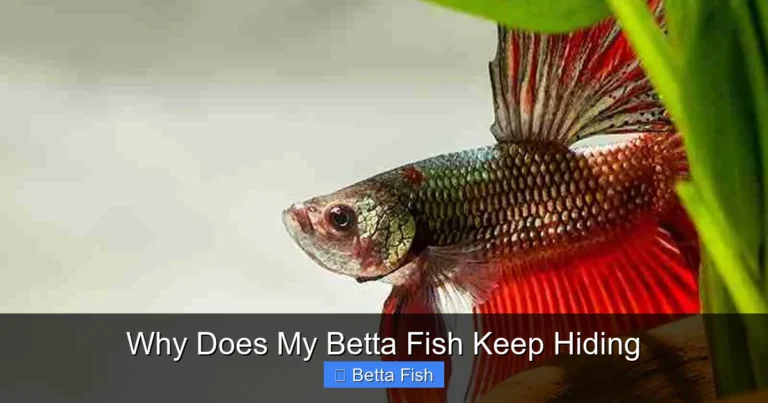
While bettas can survive in small bowls, a 5‑gallon tank is the sweet spot for growth. More water means more stable parameters, less waste buildup, and room for the fish to swim, which encourages natural development.
Visual guide about Will My Betta Fish Grow
Image source: admin.anatomy.app
2.2 Water Quality Essentials
- Temperature: Keep the water between 78‑80°F (25‑27°C). Fluctuations over 2°F cause stress and stunt growth.
- pH: Aim for 6.5‑7.5. Sudden shifts can damage gill tissue and slow metabolism.
- Ammonia/Nitrite: Both must be at 0 ppm. Even low levels irritate the fish and impair growth.
Regular water changes (25 % weekly) and a reliable filter keep these numbers in check.
2.3 Decor and Hiding Spots
Live plants, silk plants, and smooth rocks provide cover and reduce stress. Stressful environments trigger the release of cortisol, a hormone that can actually shrink growth rates.
3. Feeding for Maximum Growth
3.1 Protein‑Rich Base Diet
Betta’s natural diet is carnivorous – insects and larvae. In captivity, high‑quality betta pellets (30‑40 % protein) should be the staple. Feed 2‑3 pellets once or twice daily, removing any uneaten food after 5 minutes.
Visual guide about Will My Betta Fish Grow
Image source: bettafish.org
3.2 Supplemental Treats
Adding frozen or live foods like daphnia, bloodworms, or brine shrimp once a week gives a protein boost and mimics wild feeding. These treats also enhance color vibrancy.
3.3 Overfeeding Pitfalls
Too much food leads to fatty liver disease, poor water quality, and stunted growth. If you notice your betta’s belly swelling or the tank water turning cloudy quickly, cut back on portions.
4. Recognizing Normal vs. Stunted Growth
4.1 What Healthy Growth Looks Like
A healthy betta will gain about 0.1‑0.2 inches per month during its first three months, then slow to a few millimeters per month. Fins should become fuller, and the body should appear proportionate.
4.2 Signs of Stunted Growth
- Consistently stays under 1.5 inches after 4‑5 months.
- Thin, ragged fins that do not fill out.
- Lethargic behavior or loss of appetite.
If you see these signs, check water parameters first, then evaluate diet and tank size.
4.3 When to Seek Help
Persistent stunting may indicate disease or genetic issues. For a deeper dive into health concerns, see our article on Is My Betta Fish Dying. Early intervention can often turn things around.
5. Common Myths About Betta Growth
5.1 “Bigger Tanks Make Betta Grow Faster”
While a larger tank provides stability, it does not accelerate growth beyond genetic limits. It simply prevents stunting caused by poor water quality.
5.2 “Feeding More = Bigger Betta”
Overfeeding leads to obesity, not length. Balanced, protein‑focused meals are the key.
5.3 “Betta Fins Keep Growing Indefinitely”
Fins reach full size with the fish’s overall growth, then maintain. If a fin is damaged, it can regenerate – read more about this in Will Betta Fish Fins Grow Back.
6. Practical Tips to Encourage Full Growth
6.1 Routine Water Testing
Invest in a liquid test kit and test weekly for ammonia, nitrite, nitrate, and pH. Adjust with partial water changes as needed.
6.2 Seasonal Adjustments
During cooler months, use a reliable heater to maintain temperature. Sudden drops of even 3°F can halt growth for weeks.
6.3 Monitor and Rotate Food
Rotate between pellets, frozen, and live foods to keep the diet nutritionally complete and interesting.
6.4 Keep Stress Low
A single male betta should live alone. If you add tank mates, choose peaceful species like small snails (see Will Betta Fish Eat Snails) or shy shrimp, and always monitor for aggression.
6.5 Track Growth
Place a ruler behind the tank and measure your betta once a month. A small, steady increase indicates you’re on the right track.
Conclusion: Helping Your Betta Reach Its Full Potential
In short, yes, your betta fish will grow**, but the amount it grows depends on genetics, a well‑maintained tank, proper temperature, clean water, and a balanced diet. By providing at least a 5‑gallon environment, testing water regularly, feeding high‑protein foods, and minimizing stress, you give your betta the best chance to hit the size range its genes dictate.
Remember, a healthy betta is a happy betta. Watch for signs of stunting, act quickly if something seems off, and enjoy watching your little fighter mature into a vibrant, active companion.
Frequently Asked Questions
Will my betta fish grow larger if I give it more food?
No. Overfeeding can cause obesity and health problems, but it will not significantly increase length beyond the fish’s genetic potential.
How long does it take for a betta to reach its adult size?
Most bettas hit near‑adult size within 3‑4 months, with growth slowing dramatically after that period.
Can a betta grow in a 2‑gallon bowl?
A small bowl can keep a betta alive, but poor water stability often leads to stunted growth and health issues.
Do betta fish keep growing throughout their lives?
Growth continues at a very slow rate after maturity, but adult size stabilizes after about 6 months.
What should I do if my betta isn’t growing?
Check water parameters, ensure the tank is at least 5 gallons, feed a high‑protein diet, and verify there’s no disease or genetic issue.
Where can I learn how big a betta can get?
Our detailed guide How Big Will A Betta Fish Get explains typical size ranges and factors that influence them.