Betta fish can sometimes see shrimp as food or a threat, but with the right setup they often coexist peacefully. Understanding your betta’s temperament, choosing the right shrimp species, and providing plenty of hiding spots are key to preventing attacks.
Key Takeaways
- Understanding will betta fish attack shrimp: Provides essential knowledge
📑 Table of Contents
- Introduction: The Betta‑Shrimp Question
- 1. Why Betta Fish Might Target Shrimp
- 2. Which Shrimp Species Are Most Compatible?
- 3. Setting Up a Peaceful Betta‑Shrimp Tank
- 4. Introducing Shrimp to a Betta Tank
- 5. Signs Your Betta Is Getting Aggressive Toward Shrimp
- 6. Long‑Term Maintenance for a Mixed Community
- Conclusion: Will Betta Fish Attack Shrimp?
Introduction: The Betta‑Shrimp Question
If you’ve ever wondered “will betta fish attack shrimp?” you’re not alone. Betta fish are famous for their bright colors and feisty personalities, while shrimp are tiny, peaceful cleaners that can turn a tank into a thriving ecosystem. The idea of putting these two together can feel risky, especially if you’ve heard stories of bettas nipping at anything that moves.
In this article we’ll break down the science behind betta aggression, look at which shrimp are safest, and give you step‑by‑step tips for a harmonious community tank. By the end, you’ll know exactly how to decide if your betta will attack shrimp and what you can do to keep both happy.
1. Why Betta Fish Might Target Shrimp
Natural hunting instincts
Betta fish (Betta splendens) are native to shallow, slow‑moving waters of Thailand. In the wild they hunt small insects, larvae, and crustaceans. Shrimp, especially tiny varieties, can look like a moving snack. This instinct is why many owners ask if their betta will attack shrimp.
Territorial behavior
Betas are fiercely territorial. A new “intruder” – even a harmless shrimp – can trigger a defensive response. The male’s long fins and bright colors are used to warn off rivals, and the same flare can be directed at shrimp that wander into his space.
Hunger and feeding schedule
When a betta is under‑fed, the urge to chase anything that wiggles grows stronger. A well‑fed betta is usually more content to ignore small tank mates. Consistent feeding reduces the chance that your betta will see shrimp as a meal.
2. Which Shrimp Species Are Most Compatible?
Size matters
Big shrimp are harder for a betta to catch. Species such as Aman (Caridina multidentata) can reach 2‑3 inches, making them less tempting. Smaller shrimp like Cherry (Neocaridina davidi) are still possible, but you’ll need extra hiding spots.
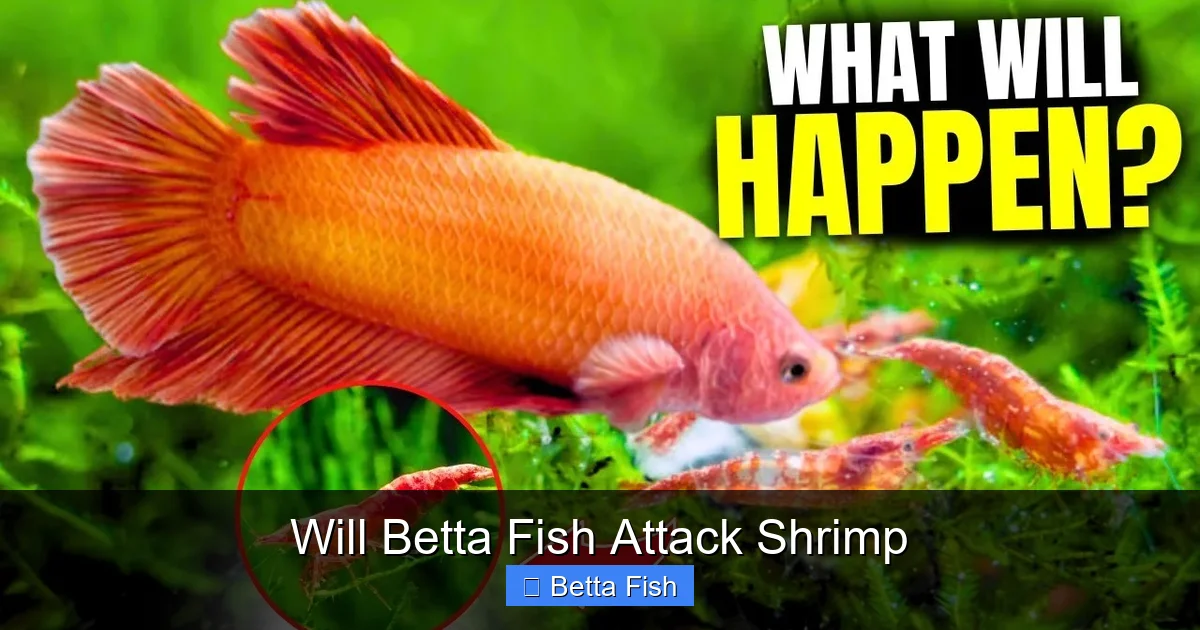
Visual guide about Will Betta Fish Attack Shrimp
Image source: i.ytimg.com
Speed and activity level
Fast‑moving shrimp that spend most of their time near the top or mid‑water column are less likely to be ambushed. Ghost shrimp (Palaemonetes sp.) are quick and transparent, which can help them evade a curious betta.
Temperament of the shrimp
Some shrimp are more skittish than others. For beginners, choose hardy, active varieties that will dart away at the first sign of trouble. Avoid very slow or very delicate species if you’re unsure about your betta’s temperament.
3. Setting Up a Peaceful Betta‑Shrimp Tank
Tank size and shape
A 5‑gal tank is the sweet spot for a single male betta and a small group of shrimp. Larger tanks dilute the betta’s territory, giving shrimp more room to explore without constantly crossing the betta’s “personal space.”
Live plants and decor
Plants such as Java moss, Anubias, and floating water lettuce create natural barriers. Shrimp love to graze on bio‑film on plant leaves, and the foliage gives them places to hide when the betta gets too curious.
Hiding spots
Use ceramic caves, driftwood tunnels, and breeding boxes. Position these items in corners so the betta can’t see straight into them. Shrimp will feel safe and stay out of the betta’s line of sight.
Water parameters
Both bettas and most freshwater shrimp thrive in slightly acidic to neutral water (pH 6.5‑7.5) and temperatures of 76‑80°F (24‑27°C). Keeping parameters stable reduces stress for both parties.
Lighting
Dimmer lighting mimics the betta’s natural environment and makes shrimp feel less exposed. A 10‑hour light cycle is sufficient for plant growth and shrimp health.
4. Introducing Shrimp to a Betta Tank
Acclimation process
Use the drip method: float the shrimp bag in the betta’s tank, slowly add tank water to the bag over 30‑45 minutes, then gently release the shrimp. This gradual temperature and chemistry change reduces shock.
First 24‑hour observation
Watch the betta’s reaction from the side of the tank. If he flares his fins but does not chase, give it a few more hours. If he actively attacks, be ready to remove the shrimp to a separate breeding box.
Feeding together
Offer sinking shrimp pellets and high‑quality betta flakes at opposite ends of the tank. This encourages both species to feed in different zones, decreasing competition.
When to separate
If the betta repeatedly nips at shrimp, consider a divided tank using a clear acrylic barrier. This lets them see each other without physical contact, allowing you to reassess later.
5. Signs Your Betta Is Getting Aggressive Toward Shrimp
Physical cues
Flared gill covers, raised dorsal fin, and a “charging” posture are classic warning signs. If you see these while the shrimp are nearby, intervene quickly.
Behavioral changes
Repeated chasing, lunging, or biting of shrimp indicates the betta views them as prey. Even if no shrimp are harmed yet, the stress can cause disease or death.
Health impacts on shrimp
Stressed shrimp may turn pale, become lethargic, or stop molting. Keep a close eye on coloration and activity levels after the first week of cohabitation.
6. Long‑Term Maintenance for a Mixed Community
Regular water changes
Perform 25‑30% water changes weekly. Clean the substrate to remove excess waste that can attract the betta’s predatory instincts.
Monitoring growth
As shrimp grow, they become less vulnerable. Conversely, a betta may become more confident as he ages. Re‑evaluate compatibility every few months.
Supplemental feeding
Offer occasional live or frozen foods like daphnia or brine shrimp to satisfy the betta’s hunting drive without endangering tank mates.
Periodic tank rearrangement
Moving plants and decorations can reset territorial lines, giving shrimp fresh hiding spots and reducing the betta’s fixation on a single area.
Conclusion: Will Betta Fish Attack Shrimp?
There is no one‑size‑answer to “will betta fish attack shrimp?” The outcome depends on the betta’s personality, the shrimp’s size and speed, and how you set up the environment. By providing ample hiding places, feeding a well‑balanced diet, and choosing larger, active shrimp, you dramatically lower the risk of aggression.
Start with a small trial, observe closely, and be ready to adjust. Many hobbyists successfully keep bettas and shrimp together, enjoying the vibrant colors of the fish and the cleaning power of the crustaceans. With patience and the right setup, you can have both thriving in the same tank.
For more detailed guidance on mixing bettas with shrimp, check out our article on Can You Keep Betta Fish With Shrimp. If you’re curious whether bettas eat shrimp at all, see Will Betta Fish Eat Shrimp. And for feeding ideas that keep your betta satisfied, read Can You Feed Brine Shrimp To Betta Fish.
Frequently Asked Questions
Will a male betta always attack shrimp?
No. Male bettas are often more territorial, but many coexist peacefully with shrimp if the tank is set up correctly and the shrimp are large enough.
Can I keep multiple shrimp with one betta?
Yes, a small group of fast‑moving shrimp like Ghost or Aman shrimp can share a tank, provided there are plenty of hiding spots.
What’s the best time to add shrimp to a betta tank?
Introduce shrimp after the betta has settled for at least a week and is eating well. This reduces stress and curiosity spikes.
Do bettas ever eat shrimp that are already in the tank?
If the shrimp are small enough to fit in the betta’s mouth, they may be eaten. Larger shrimp are usually safe.
How can I tell if my betta is stressed?
Look for faded colors, clamped fins, and frequent hiding. Stress can increase aggression toward shrimp.
Is it okay to use a divider to separate betta and shrimp?
Yes, a clear acrylic divider lets both see each other while preventing attacks, giving you time to assess compatibility.

