Betta fish are opportunistic predators, so they may try to eat small shrimp, especially when hungry. Proper tank setup, shrimp size, and careful monitoring can keep both species safe and thriving together.
Key Takeaways
- Betta temperament varies: Some bettas ignore shrimp, while others see them as easy prey.
- Size matters: Larger shrimp are less likely to be eaten than tiny baby shrimp.
- Tank environment helps: Plenty of hiding places and plants can protect shrimp from a curious betta.
- Feeding schedule is crucial: A well‑fed betta is less likely to hunt shrimp.
- Species compatibility: Not all bettas are safe with shrimp; observe behavior before committing.
- Alternative foods: Offering high‑quality betta pellets and occasional treats reduces predatory urges.
- Monitor and adjust: Watch for signs of stress in both betta and shrimp and be ready to separate if needed.
📑 Table of Contents
- Introduction: The Curious Question
- 1. Betta Fish Feeding Habits and Natural Instincts
- 2. Types of Shrimp Commonly Kept with Betta Fish
- 3. Setting Up the Tank for Harmony
- 4. Feeding Strategies to Deter Predation
- 5. Observing Behavior and Knowing When to Intervene
- 6. Real‑World Examples and Tips from Hobbyists
- Conclusion
Introduction: The Curious Question
If you’ve ever set up a small aquarium, you’ve probably wondered, “Will a Betta fish eat a shrimp?” The answer isn’t a simple yes or no. Betta fish (also called Siamese fighting fish) are natural hunters, but their behavior can change based on hunger, personality, and tank conditions. Shrimp, on the other hand, are tiny, quick, and love to scavenge. Understanding how these two creatures interact helps you create a peaceful community tank or decide to keep them apart.
In this guide we’ll explore the biology behind a betta’s predatory instincts, the types of shrimp most commonly kept with bettas, and practical steps to keep both happy. We’ll also answer the most common questions, share real‑world examples, and give you a clear roadmap for feeding, tank setup, and monitoring.
1. Betta Fish Feeding Habits and Natural Instincts
What a Betta Wants to Eat
Betta fish are carnivorous by nature. In the wild they hunt insects, larvae, and small crustaceans. In captivity they thrive on high‑protein foods such as betta pellets, frozen bloodworms, and brine shrimp. Because their diet is meat‑based, they are wired to chase moving prey.
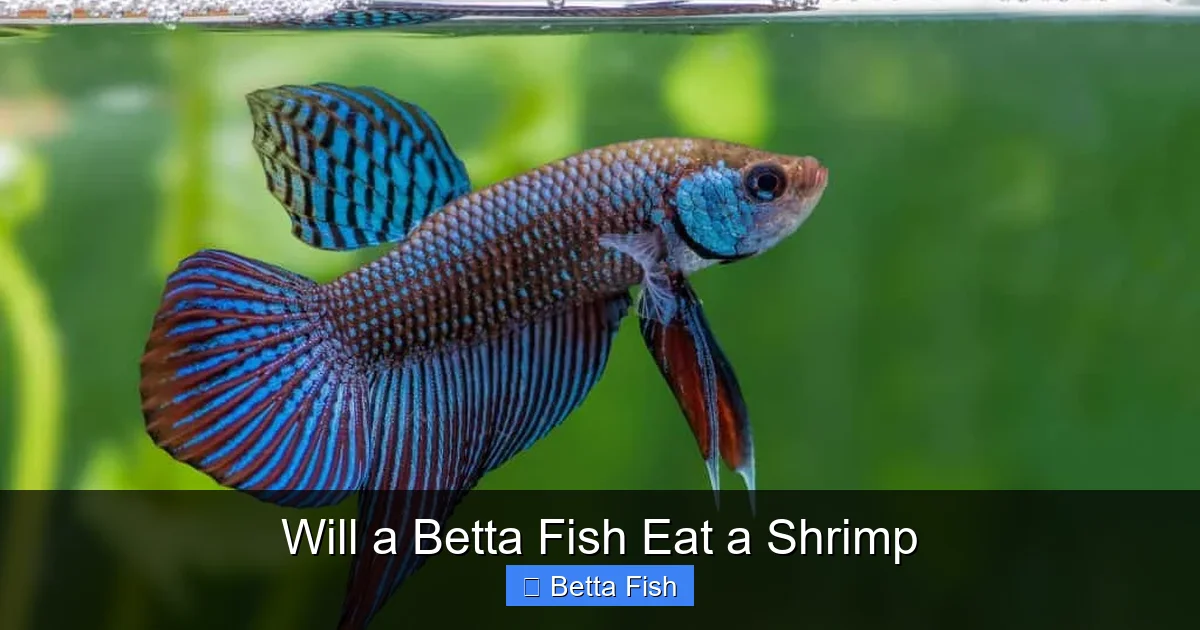
Visual guide about Will a Betta Fish Eat a Shrimp
Image source: fishlaboratory.com
How Hunger Influences Behavior
When a betta is under‑fed, its predatory drive spikes. A hungry betta will stalk any small, moving creature that fits its mouth—tiny shrimp included. Conversely, a well‑fed betta is often content to hover near the surface and ignore bottom‑dwelling critters.
Personality Differences
Not all bettas are the same. Some are laid‑back and will ignore shrimp altogether; others are aggressive hunters. Males tend to be more territorial, while females can be slightly less feisty, though this is not a rule.
2. Types of Shrimp Commonly Kept with Betta Fish
Cherry Shrimp (Neocaridina davidi)
Cherry shrimp are the most popular choice for community tanks. They grow to about 1.5‑2 cm, making them small enough to slip into plants but large enough to evade a slow betta.
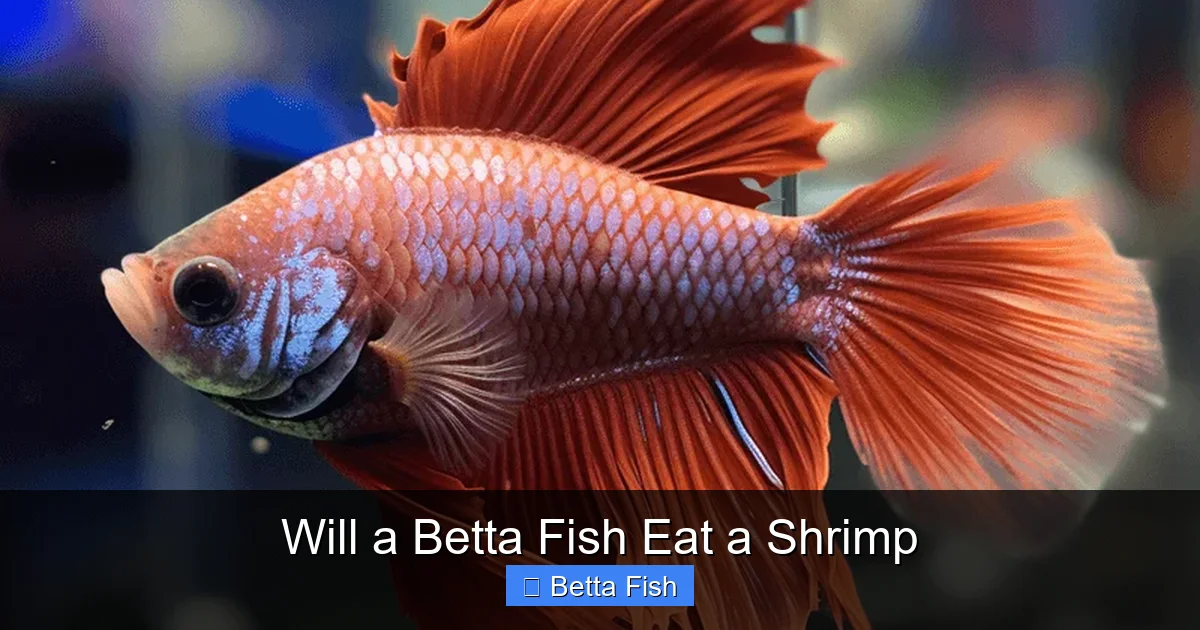
Visual guide about Will a Betta Fish Eat a Shrimp
Image source: petiki.com
Ghost Shrimp (Palaemonetes spp.)
Ghost shrimp are transparent and often used as feeder shrimp. Because they are very small (1‑1.5 cm) and active, they can be tempting targets for an eager betta.
Amano Shrimp (Caridina multidentata)
Amano shrimp can reach 4‑5 cm, providing a size advantage. Their swift movements and ability to hide under décor make them a safer bet.
When Shrimp Size Matters
Generally, shrimp that are larger than 2 cm are less likely to be eaten. Baby shrimp (often called “shrimp fry”) are the most vulnerable and should be introduced only after the betta has settled and shown no interest in hunting.
3. Setting Up the Tank for Harmony
Plenty of Hiding Places
Live plants, moss, and driftwood create tunnels where shrimp can escape. Java moss, Anubias, and floating leaves are excellent choices because they grow quickly and provide cover at all water levels.
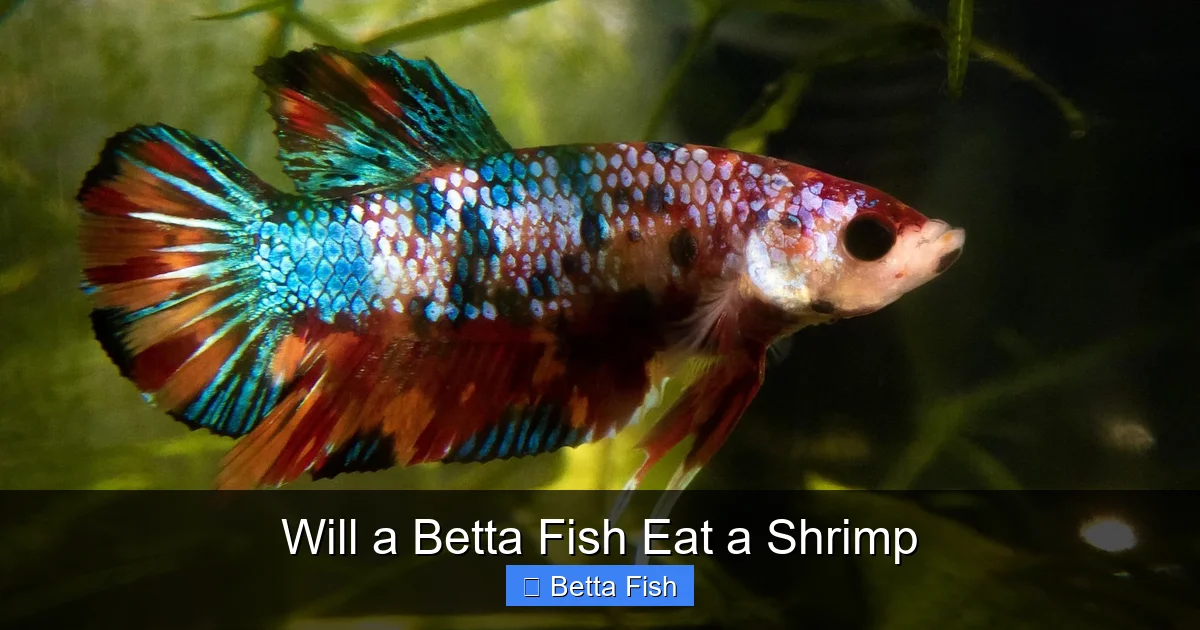
Visual guide about Will a Betta Fish Eat a Shrimp
Image source: i.redd.it
Tank Size and Layout
A minimum of 5‑10 gallons is recommended for a betta‑shrimp combo. A larger volume dilutes aggressive encounters and gives shrimp room to forage.
Water Parameters
Betta fish prefer water temperatures of 76‑82 °F (24‑28 °C) and a pH of 6.5‑7.5. Most shrimp thrive in similar ranges, but be careful with ammonia spikes—shrimp are more sensitive than bettas.
Lighting and Flow
Gentle LED lighting mimics a natural environment and reduces stress. A low‑flow filter prevents shrimp from being sucked into the intake while still keeping the water clean.
4. Feeding Strategies to Deter Predation
Feed the Betta First
Offer a small portion of high‑quality betta pellets or frozen foods at the same time each day. Once the betta has eaten, you can sprinkle a few shrimp-safe algae wafers or blanched vegetables for the shrimp.
Use Treats Wisely
Occasional treats like daphnia or microworms can satisfy a betta’s hunting instinct without harming shrimp. Just be sure to remove any uneaten food quickly to keep water quality high.
Feeding Frequency
Most bettas do well with two small feedings per day. Over‑feeding leads to waste, which can stress both fish and shrimp. For precise guidance, see our article on How Much Should A Betta Fish Eat.
Separate Feeding Zones
Use a feeding ring or a floating cup to deliver betta food at the water surface, while placing shrimp food near the substrate. This spatial separation reduces competition.
5. Observing Behavior and Knowing When to Intervene
Signs of Aggression
Watch for the betta flaring its fins, chasing the shrimp, or attempting to bite. If the shrimp are constantly darting away or show damaged tails, it’s a red flag.
Stress Indicators in Shrimp
Stressed shrimp may become lethargic, lose color, or hide excessively. A sudden drop in shrimp numbers often means they’ve been eaten.
When to Separate
If the betta shows persistent predatory behavior, consider moving the shrimp to a separate breeding tank. A small “safety tank” with similar water parameters can serve as a temporary refuge.
Long‑Term Compatibility
Many hobbyists successfully keep bettas with larger shrimp species like Amano or ghost shrimp that are at least 2 cm long. For a deeper dive into compatibility, read Can You Keep Betta Fish With Shrimp.
6. Real‑World Examples and Tips from Hobbyists
Case Study: Male Betta with Cherry Shrimp
John, a beginner, introduced a male betta and a group of 10 cherry shrimp into a 5‑gallon tank. He added dense Java fern and a piece of driftwood. After two weeks, the betta began nipping at the shrimp. John increased feeding frequency and moved the shrimp to a 10‑gallon tank with more plants. The betta stopped hunting, and the shrimp flourished.
Tip: Use a “Shrimp Guard” Plant
Plants like Bacopa or Cryptocoryne create a dense canopy that blocks the betta’s line of sight from the bottom, giving shrimp a safe zone.
Tip: Introduce Shrimp After Betta Settles
Wait at least a week after setting up the tank before adding shrimp. This gives the betta time to establish territory and reduces curiosity‑driven attacks.
Tip: Keep a Log
Record feeding times, water changes, and any aggressive incidents. Over time you’ll see patterns that help you adjust care routines.
Conclusion
Will a Betta fish eat a shrimp? The short answer is: it can, especially if the shrimp are small, the betta is hungry, or the tank lacks hiding places. However, with thoughtful tank design, proper feeding, and careful observation, many bettas coexist peacefully with larger shrimp species. By matching shrimp size to your betta’s temperament, providing ample cover, and feeding a balanced diet, you give both creatures the best chance to thrive together.
Remember, every betta is an individual. Start slowly, monitor closely, and be ready to adjust. Whether you end up with a harmonious community tank or decide to keep them separate, you’ll have learned more about the fascinating personalities of these vibrant fish.
Frequently Asked Questions
Will a betta fish always try to eat shrimp?
No. Some bettas ignore shrimp completely, while others see them as easy prey. It depends on hunger, personality, and tank conditions.
What size shrimp is safest with a betta?
Shrimp larger than 2 cm, such as adult Amano or larger cherry shrimp, are less likely to be eaten. Baby shrimp are most vulnerable.
Can I feed my betta shrimp as a treat?
Yes, occasional frozen or live brine shrimp can be a nutritious treat for bettas, but it should not replace their regular pellet diet.
How many shrimp can I keep with one betta?
Start with a small group (5‑8 shrimp) in a well‑planted tank. If the betta shows no interest in hunting, you can gradually increase the number.
What should I do if my betta starts attacking shrimp?
Increase feeding frequency, add more hiding spots, and consider moving the shrimp to a separate tank if aggression continues.
Are there any other tank mates that work well with bettas?
Yes, peaceful snails, small rasboras, and certain dwarf cichlids can coexist with bettas. See our guide on Will Betta Fish Eat Snails for more details.

