Why Is My New Betta Fish Not Eating

Wondering why your new betta fish isn’t eating? Most beginners miss a few simple steps—water quality, temperature, diet, and stress. Follow these easy checks and adjustments, and your finned friend will be munching again in no time.
Key Takeaways
- Water matters: Poor parameters are the #1 reason new bettas refuse food.
- Temperature is critical: Betta metabolism stalls below 76°F (24°C).
- Right food, right way: Live or frozen foods often entice picky newcomers.
- Stress triggers loss of appetite: Tank size, décor, and tank mates can overwhelm a new fish.
- Health check: Look for signs of disease, injury, or parasites before blaming the tank.
- Gradual acclimation: Slow water changes and feeding tricks help the fish adjust.
- When to act: If no improvement after 48‑72 hours, seek veterinary advice.
📑 Table of Contents
- Introduction: The Panic When a New Betta Won’t Eat
- 1. Water Quality – The Silent Appetite Killer
- 2. Temperature – Keeping the Metabolism Warm
- 3. The Right Food – What to Offer a New Betta
- 4. Stress – The Hidden Appetite Suppressant
- 5. Health Issues – When Not Eating Signals Illness
- 6. Quick Fixes You Can Try Tonight
- Conclusion: Patience, Observation, and a Happy Betta
Introduction: The Panic When a New Betta Won’t Eat
Bringing home a bright, flowing‑fin betta is exciting. You picture it darting around, flashing its colors, and gobbling up tiny pellets like a tiny aquarium superhero. Then, after a few days, the little fighter just sits at the surface, eyes glazed, and the food you offered disappears untouched. Your heart sinks. “Why is my new betta fish not eating?” becomes an urgent, sleepless question.
Don’t panic. In most cases the answer is simple, and the fix is even simpler. Betta fish are sensitive to their environment, and a new tank can feel like a foreign planet. By checking water, temperature, diet, and stress factors, you can turn a picky, frightened newcomer into a healthy, thriving swimmer.
1. Water Quality – The Silent Appetite Killer
Why clean water matters
Betta fish are native to shallow, warm rice paddies where the water is soft and slightly acidic. In a home aquarium, any deviation from those conditions can cause stress, making the fish lose its appetite.
Visual guide about Why Is My New Betta Fish Not Eating
Image source: i.ytimg.com
Key parameters to test
- Temperature: 76‑82°F (24‑28°C). Below 76°F, metabolism slows and the fish may refuse food.
- pH: 6.5‑7.5. Sudden swings can irritate gills.
- Ammonia & Nitrite: Both must be at 0 ppm. Even a trace can make a betta sick.
- General hardness (GH): 3‑4 dGH mimics their natural habitat.
Practical steps to improve water
1. Test regularly. Use a liquid test kit every other day during the first two weeks.
2. Partial water changes. Swap out 25 % of the water with pre‑conditioned, temperature‑matched water each 2‑3 days.
3. Aeration and filtration. A gentle sponge filter removes waste without creating a strong current that bettas dislike.
4. Conditioner. Always treat tap water with a de‑chlorinator to protect gill tissue.
Improving water quality often solves the feeding problem within 24‑48 hours.
2. Temperature – Keeping the Metabolism Warm
How temperature affects appetite
Betta fish are tropical. Their digestive enzymes work best at stable, warm temperatures. If the water is too cold, the fish becomes lethargic, its mouth may not open fully, and it simply forgets to eat.

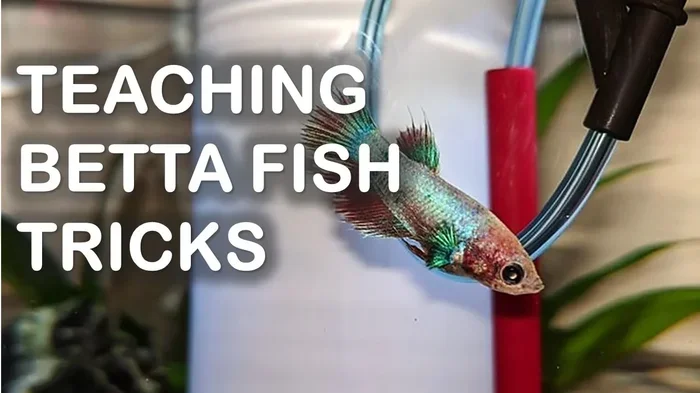
Visual guide about Why Is My New Betta Fish Not Eating
Image source: 5.imimg.com
Choosing the right heater
- Wattage: 25‑50 W for tanks up to 5 gallons.
- Thermostat accuracy: Look for models that maintain ±1°F.
- Placement: Near a tank wall, not directly under décor.
Maintaining stable temperature
Use a reliable aquarium thermometer. Avoid placing the tank near windows, air‑condition vents, or drafts. If you notice temperature fluctuations, check the heater’s power cord and consider a backup heater.
3. The Right Food – What to Offer a New Betta
Common feeding mistakes
Many beginners start with generic flake food. While okay for adult bettas, flakes sink slowly and can become water‑logged, encouraging bacterial growth. New bettas often prefer live or frozen foods that mimic their natural diet of insects.
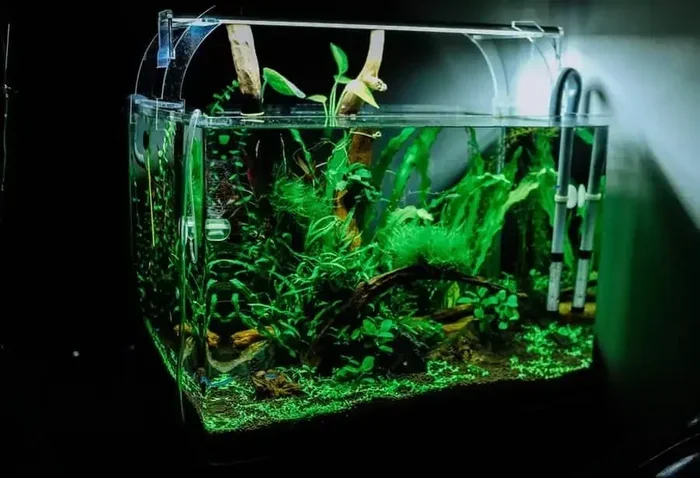
Visual guide about Why Is My New Betta Fish Not Eating
Image source: 2ndlabo.com
Best foods for picky newcomers
- Live or frozen brine shrimp: Small, moving, and highly nutritious.
- Bloodworms (frozen): Soft and easy to swallow.
- High‑quality betta pellets: Spherical pellets that sink quickly and are formulated for bettas.
- Microworms: Tiny and perfect for tiny mouths.
Feeding technique tips
1. Feed small amounts. Offer a pea‑sized piece once or twice a day.
2. Use a feeding stick. Gently tap the food near the surface to encourage the betta to investigate.
3. Observe behavior. If the fish snaps at the food but doesn’t swallow, it may be a size issue—try a smaller piece.
4. Rotate foods. Switching between pellets, frozen brine shrimp, and bloodworms keeps the diet interesting.
4. Stress – The Hidden Appetite Suppressant
Tank size and décor
Betta fish need space to swim, even if they are “labyrinth” fish that can breathe atmospheric air. A 2‑gal bowl is tempting for beginners, but it often leads to poor water quality and stress. Aim for at least 5 gallons.
Provide hiding spots—caves, live plants, or silk leaves—so the fish can retreat when it feels threatened.
Tank mates and aggression
Betas are solitary fighters. Even peaceful community fish can trigger a defensive response, causing the betta to stop eating.
If you must keep other fish, choose fast‑swimming, non‑fin‑nipping species like neon tetras, and keep the betta in a divided section.
Light and noise
Bright, flickering lights or loud vibrations can startle a new betta. Use a gentle LED with a dimmer and place the tank in a quiet corner.
Acclimation stress
When you first bring the fish home, avoid a sudden temperature shock. Float the bag in the tank for 15‑20 minutes, then slowly add a cup of tank water to the bag every 5 minutes for an hour before releasing the fish.
5. Health Issues – When Not Eating Signals Illness
Common diseases that curb appetite
- Ich (White Spot Disease): Small white dots, frantic flashing.
- Fin rot: Frayed, discolored fins.
- Swim bladder disorder: Tilting or floating sideways.
- Viral infections: Lethargy and loss of color.
How to spot early signs
Check the gills for redness, look for any discoloration on the body, and note any abnormal swimming patterns. If you see any of these, act quickly.
When to seek help
If the betta refuses food for more than 72 hours despite optimal water, temperature, and diet, consider a veterinary visit or contacting a reputable aquarium specialist. Early treatment can save a fish that might otherwise deteriorate.
For more details on stop‑eating scenarios, see Why Did My Betta Fish Stop Eating.
6. Quick Fixes You Can Try Tonight
Simple tricks to coax a bite
- Use a syringe. Drop a tiny amount of water‑conditioned water with a small food particle directly near the fish’s mouth.
- Warm the food. Slightly warming frozen brine shrimp (to about 80°F) can make it more appealing.
- Reduce stress. Dim the lights for an hour, turn off the filter briefly, and watch from a distance.
- Offer a “treat”. A single, live mosquito larva can trigger the hunting instinct.
Monitoring progress
Keep a log of water parameters, temperature, and feeding attempts. Note any changes in behavior. This record helps you see patterns and adjust quickly.
Conclusion: Patience, Observation, and a Happy Betta
Seeing a new betta fish refuse food is stressful, but it’s usually a solvable puzzle. Start with the basics: clean, warm water, appropriate food, and a low‑stress environment. Watch for signs of disease, and don’t hesitate to seek professional help if the fish still won’t eat after 48‑72 hours.
Remember, bettas are resilient fighters. With the right care, your finned companion will soon be flaunting its colors, building bubble nests, and enjoying every morsel you offer. Keep the tank clean, the temperature steady, and the diet varied, and you’ll never have to wonder “why is my new betta fish not eating” again.
Frequently Asked Questions
Why won’t my new betta fish eat any food?
Most often it’s due to stress, improper water temperature, or unsuitable food. Fixing water quality and offering live or frozen foods usually resolves the issue.
How long can a betta go without eating?
Healthy adult bettas can survive up to two weeks without food, but a new betta should eat within 24‑48 hours. Prolonged fasting can weaken its immune system.
Can water temperature affect my betta’s appetite?
Yes. Betta metabolism slows below 76°F (24°C), making them less likely to eat. Keep the tank between 76‑82°F for optimal feeding.
What should I do if my betta is spitting out food?
Check the size of the food; it may be too large. Switch to smaller pellets or live foods like brine shrimp. Also, ensure the water is clean, as poor water can cause gagging.
Read more about this issue in Why Is My Betta Fish Spitting Out Food.
Is it normal for a betta to hide when it’s not eating?
Hiding is a common stress response. Provide plenty of plants or caves, reduce tank traffic, and check water parameters to make the environment more comfortable.
When should I consider medication for my betta?
If you notice white spots, fin rot, or abnormal swimming in addition to loss of appetite, treat the underlying disease. Consult a vet or use a reputable betta‑safe medication as directed.