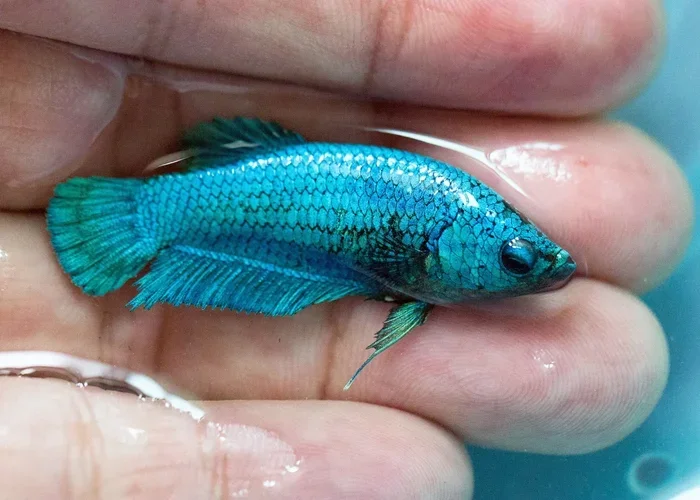
Why Is My Betta Fish’s Tail Droopy
Seeing a droopy tail on your betta can be worrying, but it’s often a sign of something fixable. This guide breaks down the top reasons—water quality, diet, stress, disease, and injury—and gives simple steps to restore your fish’s fin flair. Follow the tips and watch that tail perk up again!**
Key Takeaways
- Water quality is the #1 culprit: High ammonia, nitrite, or incorrect temperature can cause a limp tail.
- Nutrition matters: A balanced diet rich in protein and vitamins supports strong fins.
- Stress triggers fin loss: Overcrowding, aggressive tank mates, and sudden changes can droop the tail.
- Look for disease signs: Fin rot, velvet, or parasites often start with a droopy tail.
- Injuries are real: Rough décor, sharp ornaments, or nipping can damage the tail.
- Quick fixes work: Water changes, proper feeding, and a quarantine tank can turn things around fast.
- Prevention is key: Regular tank maintenance and monitoring keep tails perky for life.
📑 Table of Contents
- Introduction: When Your Betta’s Tail Looks Sad
- 1. Water Quality – The Hidden Enemy
- 2. Nutrition – Feeding the Fin Engine
- 3. Stress – The Silent Tail‑Drooper
- 4. Disease – When a Droopy Tail Signals Illness
- 5. Physical Injury – Accidents in the Tank
- 6. Prevention – Keeping That Tail Proud
- Conclusion: From Droopy to Dazzling
- Related Reading
Introduction: When Your Betta’s Tail Looks Sad
Imagine you’ve just set up a gorgeous 5‑gallon tank, added a dazzling male betta, and within days you notice his beautiful tail hanging limp. It’s like seeing a friend walk with a slouch—something’s off, and you want to help.
“Why is my betta fish’s tail droopy?” is a question many beginners ask, and the answer isn’t always a single cause. Water, food, stress, disease, and even tiny injuries can all play a part. The good news? Most problems are easy to spot and fix, especially if you know what to look for.
1. Water Quality – The Hidden Enemy
Ammonia, Nitrite, and Nitrate: The Toxic Trio
Betta fish are especially sensitive to spikes in ammonia (NH3) and nitrite (NO2‑). Even a small rise can make the tail droop, as the fish struggles to get enough oxygen through its gills.

Visual guide about Why Is My Betta Fish’s Tail Droopy
Image source: pic.nximg.cn
- Ammonia: Comes from waste, uneaten food, and decaying plants. Levels above 0.25 ppm can cause fin clamping and a limp tail.
- Nitrite: Forms during the nitrogen cycle. Anything above 0.5 ppm is dangerous.
- Nitrate: Less toxic but should stay under 20 ppm for bettas.
Test your water weekly with a liquid test kit. If any number is high, perform a 25‑30 % water change and check your filter.
Temperature and pH
Betta fish thrive at 76‑82 °F (24‑28 °C). Temperatures below 75 °F slow metabolism, causing a droopy tail as the fish conserves energy. Conversely, temperatures above 85 °F increase stress and can lead to fin rot.
Keep the pH between 6.5‑7.5. Sudden swings (more than 0.5 pH units) are a major stressor and often show up as a limp fin.
Quick Water Fix Checklist
- Test ammonia, nitrite, nitrate, pH, and temperature.
- Do a 25‑30 % water change with conditioned water.
- Clean the substrate with a gravel vacuum.
- Ensure the filter is running but not creating a strong current.
- Replace filter media monthly.
2. Nutrition – Feeding the Fin Engine
Protein‑Rich Diets Build Strong Fins
Betta fish are carnivores. A diet lacking high‑quality protein can cause weak, droopy fins. Look for foods that list “whole insects” or “cricket meal” as the first ingredient.

Visual guide about Why Is My Betta Fish’s Tail Droopy
Image source: weather-forecast.com
Feed a varied diet:
- High‑quality betta pellets (2‑3 times a day, only what they can eat in 2 minutes).
- Frozen or live brine shrimp, daphnia, or bloodworms (once or twice a week).
- Occasional treats like microworms for enrichment.
Vitamins and Supplements
Vitamin deficiencies, especially Vitamin C and B‑complex, can lead to fin deterioration. A once‑a‑week dose of a betta‑specific vitamin supplement can boost immunity and fin health.
Feeding Mistakes That Cause Droopy Tails
- Overfeeding: Leads to excess waste, higher ammonia, and cloudy water.
- Undereating: Weakens the fish, making fins limp.
- Feeding low‑quality “flaked” foods meant for goldfish.
3. Stress – The Silent Tail‑Drooper
Tank Size and Layout
A 5‑gallon tank is the minimum for a single male betta. Anything smaller creates cramped conditions, leading to stress‑induced fin clamping.

Visual guide about Why Is My Betta Fish’s Tail Droopy
Image source: i.pinimg.com
Provide plenty of hiding spots—caves, plants, or silk ornaments. This gives the betta a sense of security and reduces stress.
Tank Mates and Aggression
Betta fish are territorial. Adding other fish (especially fin‑nipping species) can cause the betta to keep his tail low as a defensive posture.
If you must keep a community, choose peaceful bottom‑dwellers like Corydoras or small shrimp, and always monitor interactions.
Sudden Changes
Moving the tank, changing décor, or altering lighting can shock the fish. When you make a change, do it gradually over a few days.
Stress‑Reduction Tips
- Maintain a stable temperature with a reliable heater.
- Use a dimmable LED light on a 12‑hour cycle.
- Perform regular, small water changes (10‑15 % weekly).
- Limit handling; avoid tapping on the glass.
4. Disease – When a Droopy Tail Signals Illness
Fin Rot (Bacterial Infection)
Fin rot starts as a small, white or gray edge on the tail that becomes ragged and droopy. The affected area may turn black as tissue dies.
Treatment:
- Increase water temperature to 80‑82 °F (helps the immune system).
- Apply a broad‑spectrum antibiotic such as Maracyn 2 for 5‑7 days.
- Keep water pristine with daily 20 % changes.
Velvet (Oodinium)
Velvet appears as a dusty gold or rust coating on fins, often making the tail look limp.
Treatment:
- Raise temperature to 82 °F for 24‑48 hours.
- Use copper‑based medication (e.g., CopperSafe) following label directions.
- Quarantine the betta in a separate hospital tank.
Parasites (Ich, Flukes)
Parasites can cause irritation, leading the betta to hold his tail low. Look for tiny white spots (Ich) or frayed fin edges.
Treatment includes raising temperature and using formalin or malachite green dips.
When to Seek Professional Help
If the tail continues to droop after 48 hours of treatment, or if you see loss of appetite, rapid breathing, or discoloration, consider consulting a vet or a local aquarium store.
5. Physical Injury – Accidents in the Tank
Sharp Decor and Rough Substrates
Plastic plants, broken glass, or rough gravel can snag the delicate fin rays, causing the tail to droop.
Solution: Switch to smooth, silk plants and fine‑gravel or sand. Inspect all décor for sharp edges before adding them.
Fin Nipping from Other Fish
Even a single female betta or a small barbs can nip at the tail. If you notice bite marks, separate the fish immediately.
Self‑Injury from Over‑Flaring
Male bettas love to flare, and doing so too often can strain the fin muscles, leading to temporary droop.
Give your betta a break by dimming lights and providing a calm environment after a flaring bout.
6. Prevention – Keeping That Tail Proud
Routine Maintenance Schedule
| Task | Frequency |
|---|---|
| Water test (ammonia, nitrite, nitrate, pH) | Weekly |
| Partial water change (25‑30 %) | Weekly |
| Gravel vacuum | Every water change |
| Filter cleaning | Monthly |
| Temperature check | Daily |
Nutrition Plan
- Morning: High‑quality pellets (2‑3 pellets).
- Evening: Live or frozen treat (once a week).
- Weekly: Vitamin supplement (follow label).
Stress‑Free Environment
- Use a lid to prevent jumps.
- Provide at least one live plant or silk leaf for hiding.
- Keep lights on 10‑12 hours, then dark for rest.
Quick Response Checklist When You Spot a Droopy Tail
- Test water parameters immediately.
- Perform a 25 % water change.
- Check for signs of disease (white edges, black spots, cotton‑like growth).
- Inspect décor for sharp edges.
- Adjust feeding if over‑ or under‑fed.
- Observe behavior for stress signs (gasping, hiding).
Conclusion: From Droopy to Dazzling
A droopy tail is often the first visible alarm bell that something in your betta’s world is off. By checking water quality, feeding a balanced diet, minimizing stress, treating disease promptly, and preventing injuries, you can bring that tail back to its full, flowing glory.
Remember, consistency is key. Small, regular actions—testing water, feeding right, and watching for changes—will keep your betta healthy for years. If you ever feel stuck, don’t hesitate to consult the community or a professional. Your betta’s tail will thank you!
Related Reading
- Why Did My Betta Fish Lose Its Tail
- Why Is My Betta Fish Turning White
- Why Are My Betta Fish Fins Falling Off
Frequently Asked Questions
Why is my betta fish’s tail droopy but the rest of the body looks fine?
Often the water quality is off—high ammonia or a sudden temperature drop can affect the fins first. Check parameters and do a partial water change.
Can a droopy tail be a sign of fin rot?
Yes. Fin rot usually starts with a white or gray edge on the tail that becomes ragged and droopy. Treat with an antibacterial medication and improve water conditions.
How long does it take for a betta’s tail to recover after a water change?
If the droop is due to water quality, you may see improvement within 24‑48 hours after a clean water change and proper filtration.
Is it normal for a betta to hold its tail low after flaring?
Occasionally, a male will droop his tail after an intense flare as a way to rest the fin muscles. If the tail stays limp for days, investigate other causes.
Can diet alone fix a droopy tail?
Good nutrition supports fin health, but if the underlying issue is water quality or disease, diet alone won’t solve it. Combine proper feeding with water checks.
Should I quarantine my betta if the tail is droopy?
Yes, especially if you suspect disease. Moving the fish to a small hospital tank with clean, conditioned water prevents spread to other tank mates.