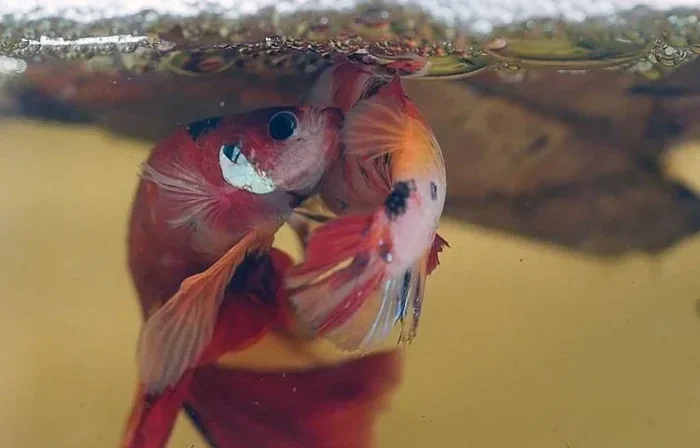
Why Is My Betta Fish Zooming Around

Betta fish zooming isn’t always a problem—sometimes it’s excitement, breeding instinct, or a sign of good health. However, frantic bursts can also hint at stress, poor water conditions, or illness. Read on to learn the reasons behind the rush and how to respond.
Key Takeaways
- Normal excitement: Quick dashes often mean your betta is happy and exploring.
- Breeding behavior: Males build bubble nests and may race around to impress a female.
- Water quality alerts: Poor parameters can trigger stress‑driven zooming.
- Health red flags: Sudden, frantic swimming combined with other symptoms may signal disease.
- Environmental enrichment: Adding plants, caves, or toys can channel energy positively.
- Feeding routine: Over‑feeding or wrong diet can cause hyperactivity after meals.
- Observation is key: Regularly note swimming patterns to catch problems early.
📑 Table of Contents
- Introduction: The Mystery of the Betta Zoom
- 1. Natural Excitement and Exploration
- 2. Breeding Instincts: The Bubble‑Nest Builder
- 3. Water Quality: The Hidden Stressor
- 4. Health Concerns: When Zooming Means Trouble
- 5. Feeding Habits and Over‑Stimulation
- 6. Enrichment: Turning Energy into Play
- Conclusion: Read the Zoom, Keep the Joy
Introduction: The Mystery of the Betta Zoom
Imagine you’re watching your betta fish glide peacefully, then—boom!—it darts across the tank like a tiny torpedo. You might wonder, “Is this normal?” or “Is my fish trying to tell me something?” Betta fish are known for their bold personalities, and a sudden burst of speed can mean many different things. In this article we’ll break down the most common reasons why bettas zoom, how to tell good‑behaviour from warning signs, and what steps you can take to keep your finned friend thriving.
We’ll keep the tone friendly—think of us as a fellow hobbyist sharing tips over a cup of coffee. By the end, you’ll feel confident reading your betta’s body language and creating an environment where those zooms are a sign of joy, not distress.
1. Natural Excitement and Exploration
Why bettas love to dart
Betta fish are solitary hunters in the wild. Their ancestors navigated dense vegetation, chasing small insects and avoiding predators. That instinct translates into bursts of energy in a home aquarium. When a betta spots a new object, a change in lighting, or simply feels curious, it may zip around to investigate.
Visual guide about Why Is My Betta Fish Zooming Around
Image source: hiraya1.jp
How to encourage healthy exploration
- Rotate decorations every few weeks.
- Introduce safe, floating toys or a small mirror for short periods.
- Provide a varied diet with occasional live or frozen foods.
2. Breeding Instincts: The Bubble‑Nest Builder
Male bettas and the bubble nest
When a male betta senses a potential mate—or even just feels ready to breed—he will start building a bubble nest at the water’s surface. This activity requires a lot of swimming, surface trips, and quick dashes to gather air. The result? A spectacular zooming display.

Visual guide about Why Is My Betta Fish Zooming Around
Image source: cliffssteakhouse.com
Spotting a budding nest
Look for clusters of tiny, white bubbles on the top of the tank. If you see your fish swimming in circles near the surface and occasionally “spitting” bubbles, he’s likely in breeding mode. For more on bubble‑nest behavior, check out our guide on why did my betta fish make a bubble nest.
3. Water Quality: The Hidden Stressor
Parameters that can cause frantic swimming
Even a tiny shift in temperature, pH, or ammonia can make a betta feel uneasy. When the water isn’t right, the fish may dart around trying to find a better spot, or simply release excess energy caused by stress.
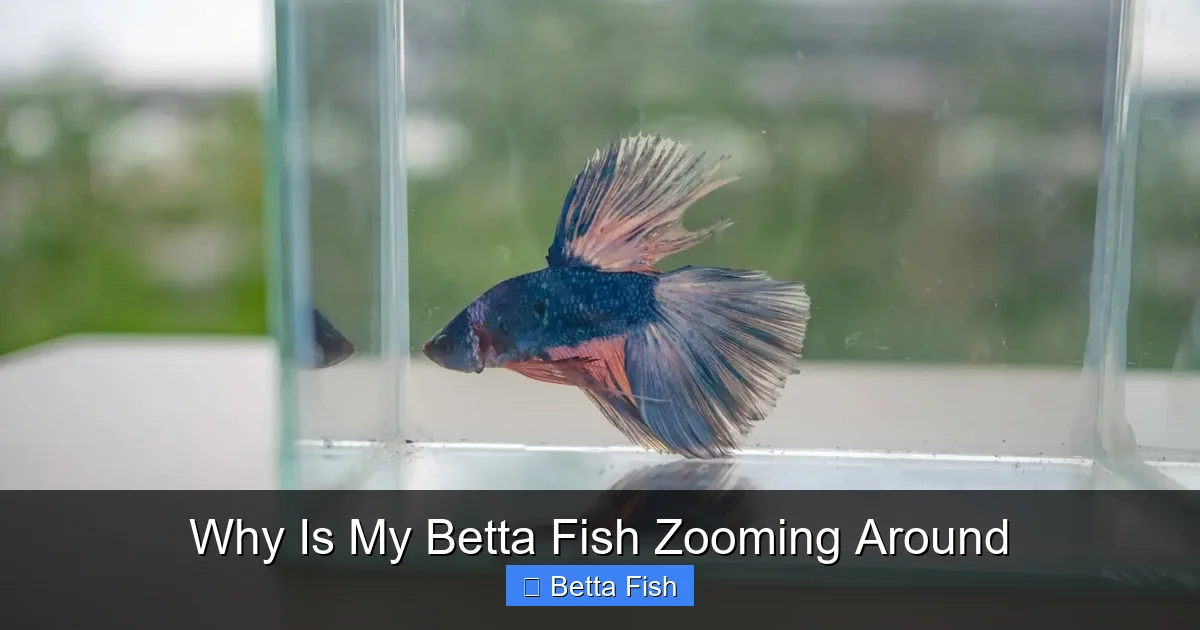
Visual guide about Why Is My Betta Fish Zooming Around
Image source: i0.wp.com
Quick water‑check checklist
- Temperature: 76‑82°F (24‑28°C) – use a reliable heater.
- pH: 6.5‑7.5 – test weekly.
- Ammonia & nitrite: 0 ppm – any detectable level is a red flag.
- Water changes: 25‑30% weekly for a 5‑gallon tank.
If you suspect water quality is the culprit, perform a partial water change and monitor the fish’s behavior over the next 24‑48 hours.
4. Health Concerns: When Zooming Means Trouble
Signs that rapid swimming is a symptom
Occasional bursts are fine, but if your betta is constantly frantic, look for accompanying signs:
- Loss of color or faded fins.
- Clamped gills or labored breathing.
- Spinning, flashing, or rubbing against decorations.
These could indicate parasites, bacterial infections, or even internal organ issues. For a deeper dive into health red flags, read is my betta fish dying.
Immediate steps if you’re worried
- Test water parameters—fix any out‑of‑range values.
- Isolate the fish in a hospital tank if possible.
- Consult a vet or an experienced betta keeper for treatment options.
5. Feeding Habits and Over‑Stimulation
Food‑induced zooms
Betta fish have a high metabolism. When you feed a protein‑rich diet (like brine shrimp), they may become temporarily hyperactive as they chase the food particles. Over‑feeding can also lead to water quality problems, creating a feedback loop of stress and zooming.
Best feeding practices
- Feed 2‑3 small meals per day, no more than the size of the fish’s eye.
- Rotate between high‑quality pellets, freeze‑dried, and occasional live foods.
- Observe your fish during feeding—if it darts aggressively, reduce the portion size.
If your betta stops eating altogether, see our article on why is my betta fish not eating for troubleshooting tips.
6. Enrichment: Turning Energy into Play
Why enrichment matters
Betta fish are intelligent and love to explore. A barren tank can lead to boredom, which sometimes shows up as frantic swimming. Adding safe enrichment gives them a purpose for their energy.
Simple enrichment ideas
- Live plants such as Java fern or Anubias.
- Silicone tunnels or small caves.
- Floating lily pads or small, smooth rocks.
Rotate these items regularly to keep the environment fresh and stimulating.
Conclusion: Read the Zoom, Keep the Joy
Betta fish zooming can be a happy sign, a breeding cue, a stress response, or a warning bell. By paying attention to water quality, feeding routines, and overall health, you’ll quickly learn what each dash means for your particular fish. Remember: a healthy betta will show a mix of calm glides and occasional energetic bursts. Keep the tank clean, provide enrichment, and enjoy the show—your betta’s little races are just part of its vibrant personality.
Frequently Asked Questions
Why does my betta fish suddenly start swimming fast?
Sudden fast swimming can be excitement, a response to a new object, or a sign of stress from poor water conditions. Check the tank parameters first.
Is my betta’s zoom a sign of breeding?
Male bettas often zoom when building a bubble nest or courting a female. Look for a cluster of bubbles at the surface as a clue.
Can bad water cause my betta to dart around?
Yes. High ammonia, incorrect temperature, or low oxygen can make a betta feel uneasy, leading to frantic swimming.
What should I do if my betta is constantly zooming and looks sick?
Test the water, perform a partial change, and look for other symptoms like faded color or labored breathing. If they persist, isolate the fish and seek veterinary advice.
How often should I change my betta’s water to prevent stress?
Change 25‑30% of the water weekly, or more often if you notice a spike in ammonia or cloudiness.
Will adding plants or toys stop my betta from zooming?
Enrichment won’t stop all zooming, but it gives your betta something to explore, reducing boredom‑related dashes.