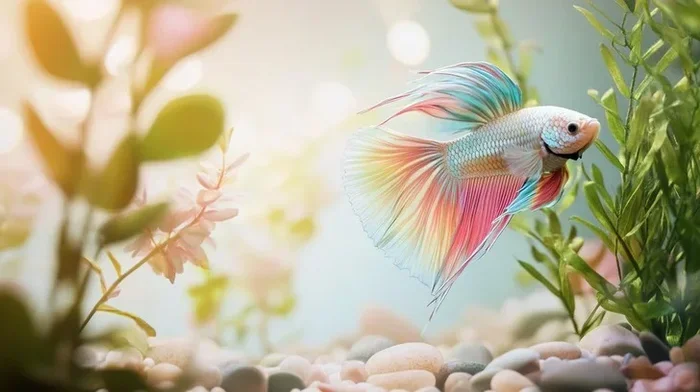
Why Is My Betta Fish Tail Falling Off

Seeing your betta’s tail fray or disappear can be scary, but it’s often a sign of something fixable. This guide breaks down the main reasons—water quality, disease, stress, and nutrition—and gives you clear steps to stop the loss and help your fish heal.
Key Takeaways
- Water quality is king: Poor parameters are the top cause of tail loss.
- Infections matter: Bacterial, fungal, and parasitic diseases can eat away at fins.
- Stress triggers decay: Over‑crowding, aggressive tank mates, and sudden changes weaken fins.
- Nutrition supports regeneration: A balanced, high‑protein diet speeds healing.
- Prompt action saves tails: Early treatment and proper quarantine prevent permanent loss.
- Regular maintenance prevents recurrence: Consistent water changes and monitoring keep problems at bay.
- Know when to seek help: Some issues need a vet or experienced hobbyist’s advice.
📑 Table of Contents
- Introduction: When the Tail Starts to Thin
- 1. Water Quality Problems
- 2. Infectious Diseases: Bacterial, Fungal, and Parasitic Culprits
- 3. Environmental Stressors
- 4. Nutritional Deficiencies
- 5. Recognizing Early Warning Signs
- 6. Step‑by‑Step Action Plan to Save the Tail
- Conclusion: A Healthy Tail Means a Happy Betta
Introduction: When the Tail Starts to Thin
Betta fish are famous for their vibrant colors and flowing tails. So when you notice the tail looking ragged, frayed, or even missing, it feels like a personal failure. The good news? Most tail‑loss problems have a clear cause and a practical solution.
In this article we’ll walk through the most common reasons your betta’s tail is falling off, how to diagnose the issue, and what you can do right now to stop the damage and encourage regrowth. Think of this as a friendly chat over a cup of coffee—simple language, short sentences, and plenty of “you can fix this” encouragement.
1. Water Quality Problems
Betta fish are surprisingly sensitive to water conditions. Even a small spike in ammonia or a shift in pH can stress the fish enough to cause fin rot.
Visual guide about Why Is My Betta Fish Tail Falling Off
Image source: status.net
1.1. Ammonia, Nitrite, and Nitrate Buildup
New tanks often suffer from the “cycling” phase. Until the beneficial bacteria are established, waste turns into toxic ammonia. Ammonia burns the delicate tissue on the tail, creating ragged edges that quickly deteriorate.
- Check levels: Use a liquid test kit. Ammonia should read 0 ppm, nitrite 0 ppm, and nitrate below 20 ppm for bettas.
- Immediate action: Perform a 25‑30 % water change, add a water conditioner that detoxifies ammonia, and consider a dose of bacterial starter.
1.2. pH and Temperature Fluctuations
Betas thrive in stable water: pH 6.5‑7.5 and temperature 76‑82 °F (24‑28 °C). Sudden changes cause stress, which weakens the immune system and makes the tail vulnerable.
- Use a reliable heater and a thermometer. Adjust temperature slowly, about 1 °F per hour.
- Keep pH stable with a proper substrate and avoid adding acidic or alkaline decorations.
1.3. How to Test and Maintain Clean Water
Regular testing (twice a week) and partial water changes (20‑30 % weekly) keep toxins low. A good rule of thumb: change water when nitrate reaches 20 ppm.
For a deeper dive on water‑related fin loss, see our article Why Are My Betta Fish Fins Falling Off.
2. Infectious Diseases: Bacterial, Fungal, and Parasitic Culprits
When a tail looks white, fuzzy, or has a distinct “hole,” an infection is likely.

Visual guide about Why Is My Betta Fish Tail Falling Off
Image source: static.vecteezy.com
2.1. Bacterial Fin Rot
Bacterial fin rot starts as a small frayed edge, then spreads like a slow‑moving erosion. The affected area often looks ragged and may turn yellowish.
- Treatment: Add a broad‑spectrum antibacterial medication (e.g., Maracyn) at the recommended dose for 5‑7 days.
- Increase water flow slightly to improve oxygenation, but avoid strong currents that stress bettas.
2.2. Fungal Infections
Fungal growth appears as white, cotton‑like patches on the tail. It usually follows an injury or a bacterial infection.
- Use a antifungal treatment such as Mardel or a homemade dip of diluted hydrogen peroxide (1 ml per liter, brief exposure).
- Maintain pristine water; fungi love dirty conditions.
2.3. Parasites (Velvet, Ich, and Others)
Parasites can cause irritation that leads the fish to rub against objects, tearing the tail.
- For velvet disease, raise temperature to 82 °F and treat with copper‑based medication.
- Ich requires a combination of temperature increase and medication like formalin or malachite green.
2.4. When to Seek Professional Help
If the tail continues to deteriorate after 48 hours of medication, consider consulting a fish‑health veterinarian or an experienced hobbyist.
3. Environmental Stressors
Even with perfect water, other stressors can cause tail damage.

Visual guide about Why Is My Betta Fish Tail Falling Off
Image source: images.lifestyleasia.com
3.1. Aggressive Tank Mates
Betas are territorial. If housed with fin‑nipping species (e.g., guppies, tetras), they may bite the tail.
- Keep bettas alone or with peaceful, non‑fin‑nipping companions like snails or small shrimp.
3.2. Over‑crowding and Small Tanks
Cramped spaces increase cortisol, weakening the immune system.
- A single male betta needs at least 2.5‑5 gallons (10‑20 liters). Larger is always better.
3.3. Sharp Decorations and Rough Substrate
Sharp rocks or rough gravel can tear delicate fins.
- Use smooth slate, polished river rocks, or a fine‑grit sand substrate.
- Remove any décor with sharp edges.
3.4. Sudden Changes in Light or Flow
Rapid shifts in lighting (e.g., turning lights on/off abruptly) or water flow can startle bettas, causing them to dart into objects.
- Use a dimmable LED and a gentle sponge filter for low flow.
4. Nutritional Deficiencies
A poor diet hampers fin regeneration. Betta fish need high‑protein live or frozen foods plus a quality pellet.
4.1. Protein‑Rich Foods
Feed a mix of high‑quality betta pellets, frozen bloodworms, and daphnia. Protein supports tissue repair.
4.2. Vitamins and Supplements
Vitamin C and a multivitamin supplement boost the immune system.
- Add a pinch of vitamin powder to the food once a week.
4.3. Feeding Frequency
Two small meals per day prevent overfeeding and keep water quality stable.
4.4. Example Feeding Schedule
- Morning: 2‑3 pellets + a few frozen bloodworms (thawed).
- Evening: 2‑3 pellets + a small amount of daphnia.
5. Recognizing Early Warning Signs
Spotting problems early makes treatment easier.
5.1. Visual Cues
- Frayed edges or “torn” appearance.
- White or fuzzy patches (fungus).
- Redness or black spots (possible infection).
5.2. Behavioral Changes
- Lethargy or loss of appetite.
- Hovering near the surface or “flashing” (rubbing against glass).
- Frequent hiding.
5.3. Quick Health Check
Inspect the tail with a magnifying glass, note any discoloration, and compare to healthy reference photos. If you see any of the above, start a water change and consider medication within 24 hours.
6. Step‑by‑Step Action Plan to Save the Tail
6.1. Immediate Response (First 24 Hours)
- Perform a 30 % water change with conditioned water at the correct temperature.
- Test ammonia, nitrite, and nitrate; adjust if needed.
- Quarantine the betta in a separate hospital tank (5‑10 gallons) to prevent spread.
- Start a broad‑spectrum antibacterial treatment (follow label dosage).
6.2. Ongoing Care (Days 2‑7)
- Continue daily 20 % water changes in the hospital tank.
- Feed high‑protein food twice daily.
- Observe for any improvement: reduced fraying, clearer edges.
- If fungal signs appear, add an antifungal bath for 15 minutes.
6.3. Long‑Term Prevention (After Recovery)
- Maintain weekly 25‑30 % water changes in the main tank.
- Test water weekly for a month, then bi‑weekly.
- Provide a balanced diet with regular vitamin supplements.
- Keep the tank environment calm: no aggressive mates, smooth décor, stable temperature.
Conclusion: A Healthy Tail Means a Happy Betta
Your betta’s tail is more than a pretty tail—it’s a health indicator. By keeping water pristine, watching for infections, reducing stress, and feeding right, you give your fish the best chance to regrow a strong, flowing fin. Remember, early action is the key; a small problem today can become a big one tomorrow.
Take the steps outlined above, stay observant, and enjoy watching your betta’s tail bounce back to its full glory. For more on related fin issues, check out Why Did My Betta Fish Lose Its Tail and Why Is My Betta Fish Turning White. Happy fish‑keeping!
Frequently Asked Questions
Why is my betta’s tail turning white?
White patches often signal a fungal infection or early bacterial rot. Improve water quality and treat with an antifungal medication.
Can I save a betta’s tail once it’s rotted?
Yes, if you act quickly. Clean water, appropriate medication, and a nutritious diet can halt the rot and allow regrowth.
How long does it take for a betta’s tail to regrow?
Regeneration can take 2‑4 weeks, depending on the severity of the damage and how well you maintain optimal conditions.
Is it normal for a betta to lose part of its tail as it ages?
Older bettas may show some wear, but sudden loss is not normal and usually points to water or health issues.
What water parameters are safest for preventing tail loss?
Keep ammonia and nitrite at 0 ppm, nitrate below 20 ppm, pH between 6.5‑7.5, and temperature steady at 76‑82 °F.
Should I remove my betta from a community tank to stop tail damage?
If the tail loss is due to aggression or fin nipping, moving the betta to a single‑specimen tank is the safest option.