Why Is My Betta Fish Swimming Fast

Betta fish often dart around for reasons that range from excitement to stress. Understanding the signs behind fast swimming helps you spot health issues early and create a safer, more comfortable tank environment. Read on to learn the common causes and practical solutions.
Key Takeaways
- Normal activity: Fast swimming can simply be a betta’s natural play and exercise.
- Water quality: Poor parameters trigger stress‑driven bursts of speed.
- Temperature spikes: Too‑warm water raises metabolism, causing rapid movement.
- Territorial stress: New tank mates or reflections can make a betta dart around.
- Health alerts: Sudden, frantic swimming may signal disease, injury, or parasites.
- Enrichment tips: Adding plants, caves, and toys can channel energy into healthy play.
- When to act: Observe behavior patterns; persistent fast swimming with other symptoms warrants a water test or vet check.
📑 Table of Contents
Introduction: The Mystery of the Speedy Betta
Betta fish are famous for their flamboyant fins and bold personalities. Yet, many owners are puzzled when their little champion starts zipping around the tank like a miniature torpedo. Is it a sign of happiness, a warning of trouble, or just a quirky habit? In this guide we’ll unpack the most common reasons why your betta fish is swimming fast, how to differentiate normal excitement from genuine distress, and what steps you can take to keep your pet thriving.
We’ll keep the tone friendly—think of a chat over coffee with a fellow aquarium hobbyist. Short sentences, simple words, and plenty of practical tips will make it easy to understand and apply. By the end, you’ll be able to read your betta’s “fast‑swim” language like a pro.
1. Natural Play and Exercise
Why Betta’s Like to Move
Betta fish are naturally active. In the wild they navigate dense vegetation, chase prey, and defend territories. In a home tank, a fast‑swim burst often simply means your fish is exercising its muscles, exploring its space, or reacting to a stimulus.

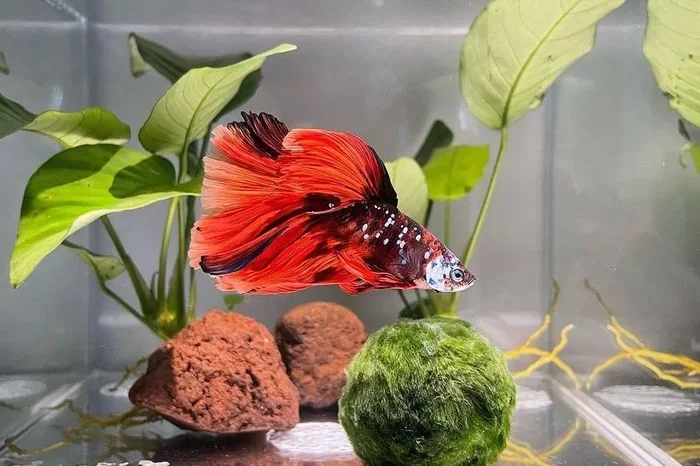
Visual guide about Why Is My Betta Fish Swimming Fast
Image source: corrieredellumbria.it
How to Encourage Healthy Activity
- Provide vertical space: Tall tanks let bettas swim up and down.
- Add live plants or silk leaves: These create “hide‑and‑seek” opportunities.
- Introduce floating toys: Small, safe objects can spark curiosity without stressing the fish.
When your betta darts for fun, you’ll see a relaxed body, bright colors, and steady breathing. This is normal and even beneficial—just like us, fish need regular exercise.
2. Water Quality Issues
Temperature Too High
Betta fish thrive at 76‑82°F (24‑28°C). If the water gets hotter, metabolism speeds up, and the fish may swim faster to cope with the increased oxygen demand. Use a reliable aquarium heater and a thermometer to keep the temperature steady.
Visual guide about Why Is My Betta Fish Swimming Fast
Image source: media.nisbets.com
Ammonia, Nitrite, or Nitrate Spikes
Poor water quality is a frequent cause of frantic swimming. High ammonia or nitrite levels irritate gills, making the fish gasp and dart around. Test the water weekly with a liquid test kit. If any parameter is out of range, perform a partial water change (25‑30%) and clean the substrate.
Link to Related Issue
For a deeper look at how water problems affect behavior, see our article on why is my betta fish water cloudy.
3. Stress From Environment
Territorial Triggers
Betta fish are solitary by nature. Mirrors, reflections, or other fish in the same tank can provoke a defensive sprint. Even a shiny surface on the lid can look like a rival.
Overcrowding and Tank Mates
While some hobbyists keep peaceful community tanks, many bettas become stressed when housed with fast‑moving species. The stress hormone cortisol can cause rapid swimming and loss of appetite.
How to Reduce Stress
- Use a background: Dark, non‑reflective backgrounds hide the outside world.
- Cover the tank lid with a matte material to stop reflections.
- Keep the tank size appropriate—at least 5 gallons for a single betta.
4. Health Concerns
Parasites and Infections
Sudden, frantic swimming paired with clamped fins, white spots, or loss of appetite may signal an infection. Common culprits include ich, velvet, and internal parasites.
Fin Rot and Damage
Fin injuries can make a betta try to escape perceived danger, leading to rapid bursts. Look for ragged edges or missing tissue.
When to Seek Help
If fast swimming is accompanied by any of the following, act quickly:
- Loss of color or faded fins.
- Gasping at the surface.
- Floating sideways or upside down.
Read more about subtle signs in our guide on why is my betta fish swimming sideways.
5. Feeding Habits and Digestion
Hunger‑Driven Dashes
Some bettas become hyperactive when they’re hungry, especially if they’re used to being fed at the same time each day. A quick swim to the surface may be an instinctive search for food.
Overfeeding and Constipation
Conversely, overfeeding can cause digestive slowdown, making the fish uncomfortable and restless. Feed small portions twice a day, and consider a fasting day once a week.
Practical Feeding Tips
- Offer high‑quality betta pellets or frozen brine shrimp.
- Use a feeding ring to keep food in one spot, reducing water fouling.
- Observe whether the fast swim stops after feeding; if not, investigate other causes.
6. Enrichment and Mental Stimulation
Why Boredom Leads to Speed
Betta fish are intelligent. A barren tank can make them bored, prompting repetitive fast swimming as a way to release excess energy.
Simple Enrichment Ideas
- Swap out decorations every few weeks.
- Introduce a gentle current with a low‑flow pump.
- Place a floating leaf or a small cave for exploration.
These changes keep the environment fresh and give your betta a reason to explore calmly rather than dart around aimlessly.
Conclusion: Reading the Fast‑Swim Signal
Fast swimming in betta fish can be a happy dance, a cry for better water, a sign of stress, or a warning of illness. By checking temperature, water quality, tank setup, and health indicators, you can quickly pinpoint the cause. Remember to observe the whole picture—color, breathing, and behavior together tell the full story.
With the right attention, most fast‑swim episodes are easy to solve, and your betta will return to graceful, confident glides. Keep a routine, maintain clean water, and provide enrichment, and you’ll enjoy many more lively displays from your spectacular finned friend.
Frequently Asked Questions
Why does my betta dart around after a water change?
New water can be cooler or have a different chemistry, which stimulates a temporary burst of activity as the fish acclimates. Monitor for a few minutes; if the behavior stops, it’s normal.
Is fast swimming a sign that my betta is happy?
Occasionally, yes—especially if the fish shows bright colors, open fins, and normal appetite. Happiness is usually a balanced mix of activity and calm rest.
Can a broken tank lid cause my betta to swim fast?
Yes. Reflections from a glass or plastic lid can look like a rival, prompting the betta to chase its own image. Using a matte cover or background eliminates the trigger.
What water temperature should I aim for to stop frantic swimming?
Maintain a stable range of 76‑82°F (24‑28°C). Use an aquarium heater with an automatic thermostat and check the temperature daily.
My betta swims fast and then hides under the plant. Should I be worried?
Hiding after a burst can be normal stress relief. However, if you also notice clamped fins, loss of appetite, or discoloration, test the water and consider a health check.
How often should I test my betta’s water to prevent fast swimming?
Test weekly for ammonia, nitrite, nitrate, and pH. If you notice any sudden behavior changes, test immediately to catch spikes early.