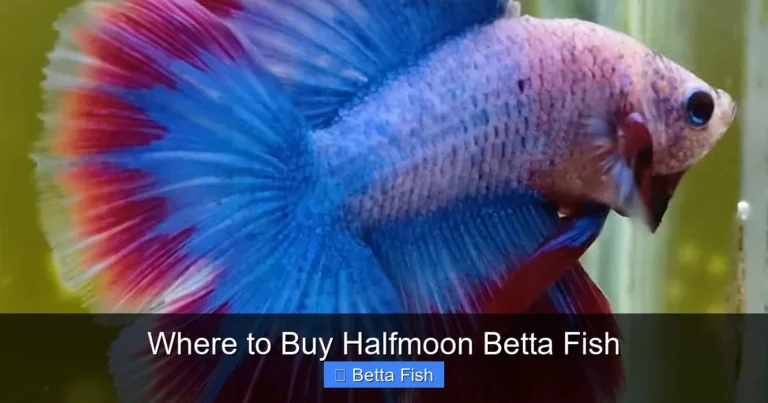
Why Is My Betta Fish Not Moving After Water Change

Seeing your betta freeze after a water change can be scary, but it’s often a temporary stress response. Learn the top reasons behind the behavior, how to check water parameters, and simple steps to help your fish bounce back fast.
Key Takeaways
- Stress is the usual culprit: sudden temperature shifts or water movement can shock a betta.
- Check water parameters: pH, ammonia, nitrite, and temperature must be within safe ranges.
- Proper acclimation matters: slowly mix new water with old to avoid shock.
- Observe for illness: lingering inactivity may signal disease, not just stress.
- Clean, but not too often: over‑cleaning removes beneficial bacteria.
- Use a lid or cover: prevents the fish from jumping out during a change.
- Monitor behavior after the change: a quick return to normal swimming means you’re fine.
📑 Table of Contents
Introduction
Betta fish are known for their bold colors and dramatic flares, so when yours suddenly stops moving after a water change, it feels like a mini heart‑attack. The good news is that most of the time the cause is simple—usually stress from the change itself. Understanding why this happens and how to prevent it can keep your finned friend happy and healthy for years.
In this guide we’ll walk through the most common reasons a betta freezes after a water change, how to test and fix water quality, proper acclimation techniques, and what to watch for if the problem turns into a health issue. By the end, you’ll have a clear action plan and the confidence to change water without panic.
1. Stress From Sudden Changes
Temperature shock
Betta fish are tropical and thrive in water that stays between 76°F and 82°F (24°C‑28°C). If the new water is even a few degrees cooler or warmer, the fish can become disoriented and stop swimming. Use a reliable aquarium thermometer and always match the temperature of the replacement water to the tank’s existing temperature.
Visual guide about Why Is My Betta Fish Not Moving After Water Change
Image source: roser-swiss.com
Flow and current
Even a gentle stream from a cup or hose can create a sudden current that overwhelms a betta’s delicate fins. When you pour water, aim it onto the side of the tank or use a container to slowly drip the water onto a leaf or rock. This reduces the impact of the flow.
Noise and vibration
Water changes often involve tapping on the tank, moving equipment, or turning on a filter. Betta fish have a keen sense of vibration; loud noises can cause them to hide or become motionless. Keep the environment calm and speak softly during the process.
2. Water Quality Issues
Ammonia and nitrite spikes
If you clean the substrate too aggressively or replace too much water at once, you may disturb the beneficial bacteria that convert toxic ammonia into harmless nitrate. A sudden spike in ammonia or nitrite can make a betta lethargic.
Test the water with a fresh‑water test kit before and after the change. Ideal levels are:
- Ammonia: 0 ppm
- Nitrite: 0 ppm
- Nitrate: < 20 ppm (ideal below 10 ppm)
pH fluctuations
Betta fish prefer a stable pH between 6.5 and 7.5. If the source water has a very different pH, the sudden shift can cause the fish to freeze. Use a pH buffer or let the new water sit in a conditioning bucket with a pH‑adjusting product before adding it to the tank.
Chlorine and chloramine
Tap water often contains chlorine or chloramine, both of which are toxic to fish. Always treat new water with a water conditioner that removes both. Skipping this step is a common reason for a betta to act “shut down” after a change.
3. Proper Acclimation Techniques
Float the water
Place the container of new water in the tank and let it float for 15‑20 minutes. This equalizes temperature and reduces shock.
Gradual mixing
After floating, slowly add a cup of tank water to the new water every 5 minutes. Do this for 30‑45 minutes until the water in the bucket matches the tank’s chemistry. Then gently pour the mixed water back into the tank.
Use a drip acclimation bag
For the most delicate situations, attach a drip line to a small bag of new water and let it drip at a rate of 2‑4 drops per second. This method is popular among hobbyists who keep sensitive species, and it works wonderfully for bettas too.
4. Signs the Problem Is More Than Stress
Prolonged inactivity
If your betta remains motionless for more than an hour after the water change, it could be a sign of illness such as why betta fish not moving. Look for additional symptoms like clamped fins, discoloration, or labored breathing.
Changes in appearance
Watch for faded colors, white patches, or torn fins. These may indicate disease, poor water quality, or injury. For example, a white‑spot disease often appears after a stressful event.
Loss of appetite
Stress can suppress feeding. If your betta refuses food for more than a day, check the water parameters again and consider offering a different type of food (e.g., live or frozen brine shrimp).
5. Preventive Maintenance Tips
Regular partial water changes
Instead of a full water change every week, aim for a 20‑30% partial change every 5‑7 days. This keeps ammonia low without wiping out the bacterial colony.
Use a water conditioner every time
Make it a habit to add conditioner to new water, even if you think your tap water is “safe.” It removes chlorine, chloramine, and heavy metals.
Maintain a stable temperature
Invest in a reliable heater with an automatic shut‑off and a thermostat. Keep the tank away from drafts, windows, or direct sunlight that can cause temperature swings.
Provide hiding spots
Plants, caves, or silk hangouts give a stressed betta a place to retreat. When they feel secure, they recover faster from a shock.
Monitor water parameters weekly
Even if everything looks fine, a quick test once a week can catch hidden spikes before they affect your fish.
Conclusion
Seeing your betta fish not moving after a water change is unsettling, but most cases are linked to stress from temperature, flow, or water chemistry. By testing water, acclimating slowly, and keeping a consistent maintenance schedule, you can minimize shock and keep your betta swimming proudly. If inactivity persists, treat it as a potential health issue and consult a specialist or consider medication.
Remember, a happy betta is a sign of a well‑maintained tank. With the right steps, water changes become a routine that supports, not harms, your fish’s vibrant life.
Frequently Asked Questions
Why does my betta freeze right after I pour new water?
Sudden temperature differences or a strong current can shock the fish, causing it to stop moving temporarily.
How long should I wait before feeding my betta after a water change?
Give the fish about 30 minutes to settle. If it looks calm, offer a small amount of food; wait another hour before offering more.
Can chlorine in tap water make my betta stop moving?
Yes. Chlorine and chloramine are toxic. Always use a water conditioner that neutralizes both before adding water to the tank.
What water parameters are safest for a betta during a change?
Keep temperature between 76‑82°F, pH 6.5‑7.5, ammonia and nitrite at 0 ppm, and nitrate below 20 ppm.
My betta is still not moving after an hour. What should I do?
Check water quality again, look for signs of disease, and consider isolating the fish in a hospital tank with treated water.
How often should I change my betta’s water to avoid stress?
Perform a 20‑30% partial water change every 5‑7 days. This keeps the environment clean without shocking the beneficial bacteria.