Why Is My Betta Fish Making So Many Bubbles

Betta fish create bubbles for many reasons—from building a bubble nest to showing stress or poor water conditions. Understanding the cause helps you provide the right environment, diet, and care, ensuring your vibrant companion thrives.
Key Takeaways
- Bubble nests are natural: Male bettas build nests to attract females and protect eggs.
- Stress can trigger excess bubbles: Poor water quality, temperature swings, or aggressive tank mates may cause frantic bubbling.
- Feeding habits matter: Over‑feeding or the wrong type of food can lead to surface bubbling as the fish gulps air.
- Tank setup influences behavior: Lack of plants, low water flow, or an unsuitable lid can encourage bubble‑making.
- Health checks are essential: Persistent bubbling with other symptoms may signal disease or gill issues.
- Simple fixes work: Regular water changes, proper heating, and adding live plants often reduce unnecessary bubbles.
- Observe and adjust: Watching your betta’s bubble patterns gives clues about its mood and environment.
📑 Table of Contents
- Introduction: The Curious Case of the Bubbly Betta
- 1. The Natural Instinct: Bubble Nest Building
- 2. Stress‑Induced Bubbling: When the Bubbles Say “Help”
- 3. Feeding Habits and Air‑Gulping
- 4. Water Quality: The Hidden Driver of Bubbles
- 5. Health Concerns: When Bubbles Signal Illness
- 6. Environmental Enrichment: Reducing Unnecessary Bubbles
- Conclusion: Understanding the Bubble Language
Introduction: The Curious Case of the Bubbly Betta
If you’ve ever watched a betta fish dart to the water’s surface, gulping air and releasing a stream of bubbles, you might wonder, why is my betta fish making so many bubbles? It’s a common sight that can be both fascinating and concerning for new owners. While some bubbling is perfectly normal, an overabundance can signal anything from natural breeding behavior to hidden stressors.
In this friendly, step‑by‑step guide we’ll explore the many reasons behind your betta’s bubble‑making frenzy, how to tell a healthy habit from a warning sign, and what simple actions you can take to keep the bubbles (and your fish) in balance.
1. The Natural Instinct: Bubble Nest Building
What Is a Bubble Nest?
Male bettas are famous for constructing a floating “bubble nest” on the water’s surface. The nest looks like a fluffy pancake of tiny bubbles, often anchored to the tank’s lid or a leaf. This structure is a cradle for eggs after a female mates with the male.

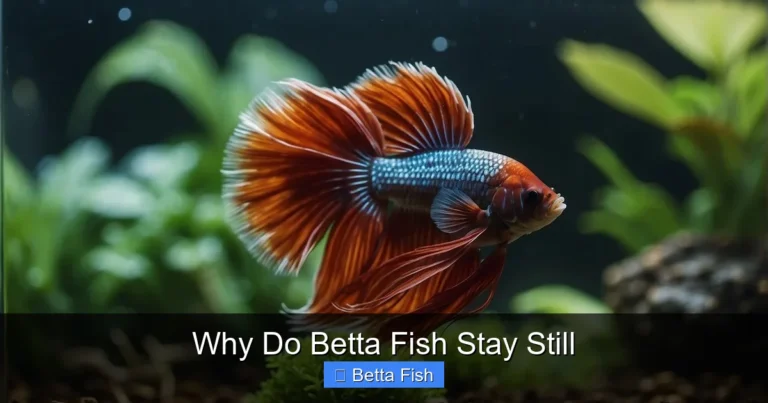
Visual guide about Why Is My Betta Fish Making So Many Bubbles
Image source: i.ytimg.com
When Does Nest Building Occur?
Betta fish start building nests when they sense a potential mate, feel comfortable in their environment, or simply feel the urge to display their fitness. If you notice a concentrated cluster of bubbles near the surface, especially if they’re larger and more organized, your betta is likely preparing for breeding.
Tips for Supporting a Healthy Nest
- Provide a calm water surface—avoid strong currents that could break the nest.
- Keep the water temperature steady between 78‑80°F (25‑27°C).
- Consider adding a small piece of broadleaf plant or a piece of slate for the nest to cling to.
For more details on nest behavior, see our article on why did my betta fish make a bubble nest.
2. Stress‑Induced Bubbling: When the Bubbles Say “Help”
Common Stressors
Betta fish are sensitive souls. Sudden temperature changes, low oxygen levels, aggressive tank mates, or a dirty tank can all cause a stressed betta to gulp air and release extra bubbles. This frantic bubbling is a coping mechanism, attempting to increase oxygen intake.
Spotting Stress‑Related Bubbles
Stress bubbles are usually erratic, small, and appear throughout the day rather than in a focused nest. You may also notice other signs such as faded colors, frayed fins, or rapid breathing.
How to Reduce Stress
- Perform a 25‑30% water change weekly to keep ammonia and nitrite low.
- Use a reliable heater and thermometer to maintain stable temperature.
- Limit tank traffic—betta fish are territorial and prefer solitude.
- Provide hiding spots with silk plants or caves.
If you’re wondering why your betta suddenly stopped making a bubble nest, stress could be the culprit. Read more at why did my betta fish stop making bubble nest.
3. Feeding Habits and Air‑Gulping
Over‑Feeding and Surface Feeding
When bettas eat too quickly or are given floating foods, they often gulp air along with the food, leading to more bubbles at the surface. Pellet size matters—large pellets can cause the fish to swallow excess water and air.
Best Feeding Practices
- Feed small portions 2‑3 times a day; remove uneaten food after 5 minutes.
- Use sinking or gel foods designed for bettas to reduce surface gulping.
- Offer occasional live or frozen foods (e.g., daphnia) to stimulate natural hunting behavior.
When Bubbles Indicate a Problem with Food
If your betta is constantly blowing bubbles while eating and then refuses to eat later, it might be a sign of digestive upset. Check for signs like bloating or abnormal feces.
4. Water Quality: The Hidden Driver of Bubbles
Oxygen Levels and Surface Tension
Low dissolved oxygen (DO) prompts bettas to surface‑breathe, creating bubbles as they release excess air. Poor water circulation or a lack of live plants can reduce oxygen availability.
Testing and Maintaining Ideal Water
- Test weekly for ammonia, nitrite, nitrate, and pH.
- Keep ammonia and nitrite at 0 ppm; nitrates below 20 ppm.
- Maintain pH between 6.5‑7.5.
- Consider a gentle air stone or a small filter that creates a mild flow without stressing the betta.
For a deeper dive into bubble formation related to tank conditions, read why are there bubbles in my betta fish tank.
5. Health Concerns: When Bubbles Signal Illness
Gill Disease and Respiratory Issues
Persistent, excessive bubbling coupled with labored breathing, clamped fins, or a pale appearance can indicate gill parasites, bacterial infections, or poor water quality harming the respiratory system.
Other Symptoms to Watch
- White or black spots on the body.
- Faded or missing colors.
- Frequent rubbing against objects.
What to Do
First, improve water quality with a thorough water change. Then, consider a dip in a hospital tank with a mild anti‑parasitic medication. If symptoms persist, consult a veterinarian who specializes in fish.
Read more about health red flags in our guide is my betta fish dying.
6. Environmental Enrichment: Reducing Unnecessary Bubbles
Adding Live Plants
Live plants not only boost oxygen but also give your betta natural “roots” to explore, reducing boredom‑induced surface bubbling.
Tank Lid and Cover
A tight‑fitting lid prevents water from splashing out and creates a calm surface for bubble nests. However, ensure there is adequate ventilation to avoid a stagnant air pocket.
Temperature and Lighting
Consistent temperature and a gentle day/night light cycle help regulate your betta’s metabolism, reducing erratic bubble bursts.
Conclusion: Understanding the Bubble Language
Seeing your betta fish making a flurry of bubbles can be puzzling, but it’s often a window into its world. Whether the bubbles are part of a proud nest‑building ritual, a sign of stress, a feeding quirk, or an alarm for health issues, paying close attention will guide you to the right solution.
Remember to keep the water clean, temperature stable, and feeding moderate. Add a few live plants, give your fish a calm surface, and watch for any accompanying symptoms. With a little observation and care, you’ll turn those endless bubbles into a happy, healthy betta that thrives in its little aquatic kingdom.
Frequently Asked Questions
Why does my betta fish create a bubble nest?
Male bettas build bubble nests to protect eggs after mating. The nest provides a safe, oxygen‑rich environment for the developing fry.
Is it normal for a betta to bubble constantly?
Occasional bubbling is normal, but constant, frantic bubbles often indicate stress, poor water quality, or health problems.
Can over‑feeding cause extra bubbles?
Yes. When bettas gulp large amounts of floating food, they also swallow air, which appears as bubbles at the surface.
How can I stop my betta from making too many bubbles?
Improve water quality, maintain stable temperature, feed smaller portions of sinking food, and add live plants to increase oxygen.
Do bubbles mean my betta is sick?
Not always, but if bubbling is accompanied by clamped fins, color loss, or labored breathing, it could signal a respiratory or gill issue.
What should I do if my betta stops making a bubble nest?
Check for stressors like temperature fluctuations or aggressive tank mates. Reducing stress often encourages the male to resume nest building.