Is Night Fishing Better Than Daytime
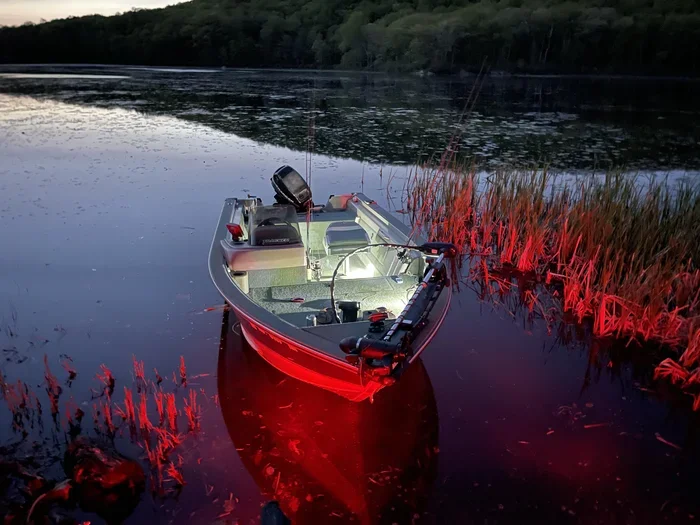
Is night fishing better than daytime? The answer depends on your target species, local conditions, and personal preference. Many anglers discover that fishing after dark brings bigger catches and fewer crowds. This guide covers the real differences between night fishing and daytime fishing so you can make the best choice for your next trip.
Fishing is one of those activities that can feel completely different depending on the time of day. Many anglers swear by night fishing, while others never leave the dock after sunset. So, is night fishing better than daytime fishing? The honest answer is that both have real benefits, and the right choice depends on what you are trying to catch, where you are fishing, and what kind of experience you want.
Some of the best fishing stories come from nighttime adventures. There is something magical about being on the water when the sun goes down. The air cools, the noise fades, and the fish seem to wake up. But daytime fishing has its own charm too. You can see what is happening on the water, the light helps you spot fish, and it is simply easier to navigate. In this guide, we will break down the real differences so you can decide which approach works best for you.
Whether you are a beginner just starting out or a seasoned angler looking to switch things up, this article covers everything you need to know. We will look at fish behavior, gear needs, safety tips, and the science behind why certain times of day produce better results. By the end, you will have a clear picture of when to fish and why.
Key Takeaways
- Night fishing offers higher catch rates for many species because fish are more active in low light conditions.
- Daytime fishing has its own advantages, including better visibility, warmer water, and easier navigation.
- Fish behavior changes at night, with many species moving to shallower water to feed.
- Gear and safety matter when fishing after dark, so proper preparation is essential.
- Weather and moon phases play a big role in determining whether night or daytime fishing wins.
- Both approaches have loyal followers, and the best choice depends on your goals and local conditions.
📑 Table of Contents
What Happens When You Fish at Night
The underwater world changes a lot after dark. Fish that hide during the day often become more active at night. This shift in fish behavior at night is one of the main reasons many anglers prefer night fishing over daytime fishing. Let us look at what is really happening beneath the surface when the sun goes down.
Fish Behavior After Dark
Many freshwater and saltwater species become more active at night. Bass, catfish, walleye, and trout all tend to feed more aggressively in low light. The reason is simple. Darkness gives fish a sense of safety. They feel less exposed and more confident moving into shallow areas where they would normally hide during the day.
Prey fish also move at night. Smaller fish swim closer to the surface and into shallower water. This draws in bigger predators that follow the food. That is why many anglers find that their catch rates go up after sunset. The fish are not just awake. They are hungry and willing to bite.
If you have ever wondered whether fishing at night really works better, the answer is yes for many species. The key is understanding which fish are active after dark and where they like to hang out. You can read more about the differences between fishing at various times in our article on is fishing better at night or day.
Water Temperature and Light Conditions
Water temperature drops a few degrees after sunset, especially in summer. This cooling effect pushes fish into shallower areas where they can find comfortable temperatures and easy meals. During the day, the sun heats the surface water, and fish often retreat to deeper, cooler spots.
Light levels also play a huge role. Fish have excellent low-light vision, and many species use the cover of darkness to hunt. The reduced glare on the water surface makes it easier for them to spot bait. For anglers, this means fish are more likely to notice your lure or bait when it is dark outside.
Some research also suggests that the moon phase affects fish activity. A bright moonlit night can trigger feeding in certain species, while a new moon night may make fish even more active due to total darkness. This is another reason why many experienced anglers plan their trips around the lunar calendar.
Night Fishing vs Daytime Fishing: Key Differences
Now that we know what happens after dark, let us compare night fishing and daytime fishing side by side. Each approach has clear strengths and weaknesses. Understanding these differences helps you pick the right time for your next outing.
Catch Rates and Species Targeted
In general, night fishing produces higher catch rates for certain species. Catfish, bass, and walleye are classic night fighters. These species feed heavily after dark and are much easier to locate at night than during the day.
Daytime fishing, on the other hand, is better for species that rely on sight. Trout, bonefish, and many saltwater species feed during daylight hours when they can see their prey. If you are targeting these fish, fishing during the day simply makes more sense.
Here is a quick comparison of common species and their preferred fishing times:
- Bass: Most active at dawn, dusk, and night.
- Catfish: Strongly nocturnal. Best caught after dark.
- Walleye: Prefer low light and are prime night fighters.
- Trout: Better during the day, especially in the morning.
- Bluegill and sunfish: Active both day and night but more predictable during daylight.
- Saltwater species (redfish, snook): Often better at night nearshore.
Visibility and Ease of Fishing
Daytime fishing wins clearly when it comes to visibility. You can see your line, your bait, and the water around you. This makes it easier to detect bites, set the hook, and navigate safely. For beginners, daytime fishing is the more approachable option.
At night, you rely more on feel and sound. You cannot see your bobber or watch your lure dive. Instead, you listen for strikes and pay attention to subtle changes in your line. This can be challenging but also incredibly rewarding when you land a fish you could not see coming.
One thing that makes night fishing easier is modern gear. LED lights on rods, glow-in-the-dark bobbers, and headlamps have made it much simpler to fish after dark. If you want to learn more about the advantages of fishing in low-light conditions, check out our piece on why it is better to fish at night.
Crowds and Peace
Let us talk about one of the biggest perks of night fishing: fewer people on the water. During the day, popular spots can be packed. Boats crowd the shoreline, and fishing pressure pushes fish into deeper or more hidden areas. At night, the water is often quiet and peaceful.
This lower fishing pressure means fish are less wary. They have not been spooked by constant activity, so they are more likely to bite. Many anglers say their best catches come at night simply because there is less competition, both from other anglers and from the fish themselves.
Daytime fishing has its crowd advantage too. If you enjoy being around other anglers, sharing tips, or fishing in a busy marina, the daytime scene is hard to beat. It is also easier to get help or advice from fellow fishermen when the sun is up.
The Science Behind Nighttime Fishing Success
There is real science behind why fish feed more actively at night. Understanding these factors can help you plan better trips and improve your results. The main drivers are light levels, water temperature, and feeding cycles.
How Light Affects Fish Feeding
Fish have specialized cells in their eyes that allow them to see in very low light. In darkness, their other senses become more important too. Lateral lines, which detect vibrations in the water, become a primary tool for locating prey. This gives fish a real advantage at night, and it makes them more willing to chase lures and bait.
For anglers, this means your presentations need to rely more on vibration and scent than on visual appeal. Using rattling lures, adding scent to your bait, and fishing slower can all help compensate for the reduced visibility. These adjustments can make a big difference in your success rate.
Weather and Pressure Systems
Weather plays a major role in whether night fishing or daytime fishing will be more productive. Many anglers notice that fish feed more actively before a storm or during low pressure systems. If you have been wondering whether weather affects your results, the answer is absolutely.
Low pressure often triggers feeding in many species. Fish sense the change in atmospheric pressure and respond by moving to feed aggressively. This is why some of the best night fishing trips happen just before a weather system moves in. You can learn more about how pressure affects fish behavior in our article on is low pressure better for fishing.
Rain is another factor. Fishing in the rain can be excellent because the water gets oxygenated and fish become more active. Light rain at night can be particularly productive. The combination of low light, rain noise on the water surface, and increased insect activity creates perfect feeding conditions.
Best Fish Species for Night Fishing
Not all fish are equal when it comes to nighttime activity. Some species are practically built for night fishing. Here are the top species you should target after dark.
Catfish
Catfish are the kings of night fishing. They are almost exclusively nocturnal feeders. Channel catfish, blue catfish, and flathead catfish all become much more active after sunset. If you want consistent catches, fishing for catfish at night is hard to beat.
Use stink bait, cut bait, or live bait and fish near the bottom. Catfish rely heavily on their sense of smell, so strong scents work best. Look for them near river bends, creek mouths, and drop-offs where they wait for food to pass by.
Bass
Largemouth and smallmouth bass feed heavily at night, especially during the summer months. When the water heats up during the day, bass move to shallow water at night to cool off and hunt. Topwater lures, spinnerbaits, and jigs all work well for nighttime bass fishing.
The key is to fish slower than you would during the day. Bass are less aggressive in the dark and rely more on vibration and sound to locate prey. Give your lure time to draw a reaction strike. Patience is your best friend when bass fishing at night.
Walleye
Walleye have excellent night vision, which makes them perfect night predators. They feed actively from dusk through the early morning hours. If you are targeting walleye, late evening and early morning are your best windows.
Use minnow rigs, jigs tipped with live bait, or crankbaits that dive deep. Walleye like to hang near structure, so focus on points, humps, and weed edges where they can ambush prey.
Night Fishing Gear and Setup
Fishing after dark requires some adjustments to your setup. You do not need a ton of special gear, but a few key items make a big difference. Proper preparation keeps you safe and helps you catch more fish.
Essential Gear for Fishing at Night
- Headlamp or flashlight: You need hands-free light for tying knots and checking your line.
- Glow-in-the-dark bobbers or LED indicators: These help you see when a fish bites.
- Rattling lures: Sound becomes more important when visibility is low.
- Scent-enhanced bait: Fish rely more on smell at night, so adding scent helps.
- Felt-soled waders or boots: They give you better grip on slippery banks and rocks.
- Mobile phone with GPS: Navigation is harder at night, so a GPS app is a lifesaver.
Rod and Line Considerations
At night, you cannot see your line as easily. Using a line with a slight glow or adding a small LED clip to your line helps you track its movement. Braided line is easier to feel than monofilament, which gives you better sensitivity when you cannot see what is happening on the water.
Keep your rod action moderate. You want enough sensitivity to feel bites but enough power to set the hook when a fish strikes. Many anglers prefer medium to medium-heavy rods for night fishing because they offer a good balance of feel and strength.
Safety Tips for Fishing at Night
Safety should always come first, but it matters even more when you are on the water after dark. Fishing at night introduces risks that you do not face during the day. Taking a few precautions keeps you safe and lets you enjoy your trip.
Top Safety Rules for Night Fishing
- Always tell someone where you are going and when you expect to be back.
- Wear a life jacket if you are on a boat or fishing from a kayak.
- Bring a fully charged phone in case you need help.
- Stick to familiar spots. Do not explore new fishing locations in the dark.
- Watch your step on wet rocks, docks, and boat ramps.
- Bring a first aid kit and know where it is in your gear.
- Check the weather before you go. Storms can roll in quickly at night.
Being prepared for the unexpected is what separates a good night fishing trip from a dangerous one. The water does not get safer after dark just because there are fewer people around. It gets more unpredictable. Respect that, and you will have a great time.
When Daytime Fishing Wins
Despite all the advantages of night fishing, there are plenty of reasons to fish during the day. Daytime fishing is not just a fallback option. It has real benefits that can lead to excellent catches and a better overall experience.
First, visibility is a huge advantage. You can watch your line, see the strikes, and track your lure as it moves through the water. This makes daytime fishing much more beginner-friendly. You can also take photos of your catches, which is always fun.
Second, daytime fishing is safer for most people. You can see obstacles in the water, navigate better, and get help quickly if something goes wrong. For families fishing with kids, the daytime is the clear winner.
Third, some species are simply better targets during the day. If you are after trout or sight-fishing for redfish on a flat, you need sunlight. These fish rely on visibility, and fishing at night would be nearly impossible for them.
Weather also plays a role. Fishing before or after rain can be fantastic, and these conditions are easier to plan for during the day. If you want tips on fishing in different weather, our article on is fishing better when it is raining has great insights.
Ultimately, the best time to fish is whenever you can get out on the water. Consistency matters more than timing. An angler who fishes regularly, whether day or night, will always catch more than someone who only fishes occasionally.
Final Thoughts
So, is night fishing better than daytime fishing? The truth is that both approaches have real value. Night fishing offers higher catch rates for many species, fewer crowds, and a peaceful, exciting experience. Daytime fishing provides better visibility, easier navigation, and access to species that feed in the light.
The best approach is to try both and see what works for you. Fish at night a few times and compare your results to your daytime trips. Pay attention to what species you catch, how active they are, and how you feel on the water. Over time, you will develop your own preferences and strategies.
Whether you choose the quiet of the night or the brightness of the day, what matters most is that you get out there and enjoy it. Grab your gear, pick a time that fits your schedule, and head to your favorite spot. The fish will be waiting.
Frequently Asked Questions
What fish are best to catch at night?
Catfish, bass, walleye, and many saltwater species like redfish and snook are excellent nighttime targets. These fish become more active after dark and feed aggressively in low light conditions.
Is it safe to fish at night alone?
Fishing alone at night can be safe if you take the right precautions. Always tell someone your plans, wear a life jacket if you are on a boat, stick to familiar locations, and bring a charged phone. Safety should always be your top priority.
Do I need special gear for night fishing?
You do not need expensive gear, but a few items help. A headlamp, glow-in-the-dark bobbers, rattling lures, and scent-enhanced bait make a big difference. A GPS app on your phone also helps with navigation in the dark.
Why do fish feed more at night?
Fish feed more at night because darkness gives them a sense of safety. They feel less exposed and move into shallower water to hunt. Their low-light vision and heightened other senses, like vibration detection, make them more effective predators after dark.
Can I catch the same fish at night that I catch during the day?
In many cases, yes. Species like bass and catfish are active both day and night but tend to feed more aggressively after dark. However, some species like trout are better targeted during daylight hours when they rely on sight to find food.
What weather conditions are best for night fishing?
Fishing before a storm, during low pressure, or on a light rainy night can be extremely productive. These conditions trigger feeding activity in many species. Avoid nights with strong winds or thunderstorms, as they make fishing dangerous and less productive.