When Does Petco Get New Betta Fish
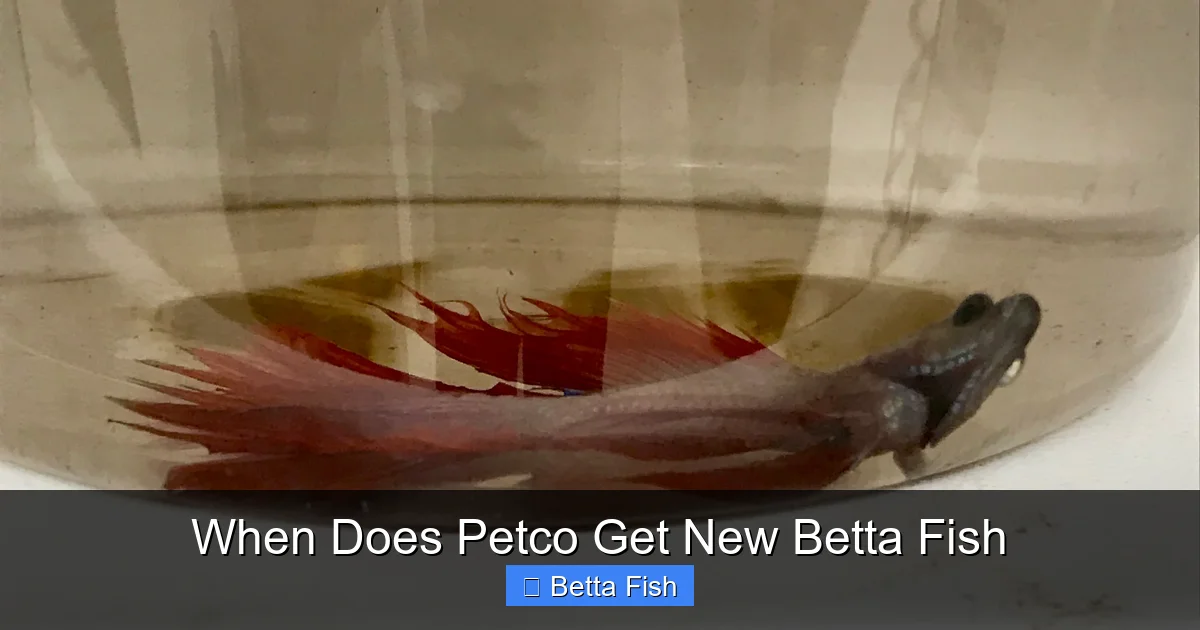
Petco typically receives new betta fish shipments on a weekly or bi-weekly basis, but the exact day varies significantly by individual store location and supplier routes. The most reliable way to know is to call your local Petco directly, preferably on a weekday morning. Always inspect your chosen betta carefully for signs of active swimming, intact fins, and vibrant color before taking it home. Successfully bringing a new betta home hinges on proper quarantine and a fully cycled, heated tank ready for its arrival.
Key Takeaways
- No Universal Schedule: There is no single, company-wide “betta day” at Petco. Restocking depends on local store management, distributor delivery routes, and seasonal demand.
- Call Your Local Store: The absolute best method is to phone your specific Petco. Ask for the “pet care” or “aquatics” department for the most accurate information.
- Best Times to Call: Inquire on weekday mornings (Tuesday-Thursday) after the morning stock has been processed but before the afternoon rush. Avoid weekends.
- Inspect Before You Buy: Look for a betta that is alert, swimming actively (not just floating), with undamaged fins and no white spots, fuzzy growths, or clamped fins.
- Tank Readiness is Crucial: Never bring a betta home to an uncycled tank. Your 5-gallon aquarium must be fully cycled (ammonia/nitrite at 0ppm) and heated to 78-80°F for weeks prior.
- Consider Quarantine: For the best chance at long-term health, set up a simple hospital tank to observe your new betta for 2-4 weeks before introducing it to your main display tank.
📑 Table of Contents
- The Eternal Question: When Will the Next Betta Arrive?
- Inside the Betta Supply Chain: From Breeder to Cup
- Your Action Plan: How to Find Out *Exactly* When Your Store Gets Fish
- What to Look For: Selecting a Healthy Betta from the New Shipment
- The Golden Rule: Never Bring a Betta Home to an Uncycled Tank
- Beyond Petco: Considering Alternative Betta Sources
- Conclusion: Patience, Preparation, and Persistence
The Eternal Question: When Will the Next Betta Arrive?
So, you’ve decided to add a captivating Betta splendens, with its flowing fins and bold personality, to your family. You’ve set up the perfect, heated, filtered 5-gallon tank. You’ve read all about water parameters and diet. There’s just one burning question left: when does Petco get new betta fish? It’s a simple question, but the answer is anything but straightforward. Unlike a big-box retailer’s predictable electronics shipment, live animal restocking operates on a dynamic, localized schedule. Figuring out this rhythm is the first and most important step in welcoming a healthy new finned friend. This guide will demystify Petco’s betta supply chain, give you the exact strategy to discover arrival times at your store, and ensure you bring home not just any betta, but the right betta.
Why There’s No “One Size Fits All” Answer
Let’s be clear: Petco does not publish a national betta delivery calendar. The company sources its fish from various breeders and distributors across the country. A distribution center in California might service the West Coast, while another in Ohio handles the Midwest. Each distribution center has its own truck routes and delivery days to individual stores. Therefore, a Petco in Orlando, Florida, might get fish every Tuesday, while a store in Seattle, Washington, receives them on Fridays. Store managers also have some discretion; if a store had a bout of illness in its betta cups, they might place an urgent, unscheduled order. Your best bet is always local, local, local.
Inside the Betta Supply Chain: From Breeder to Cup
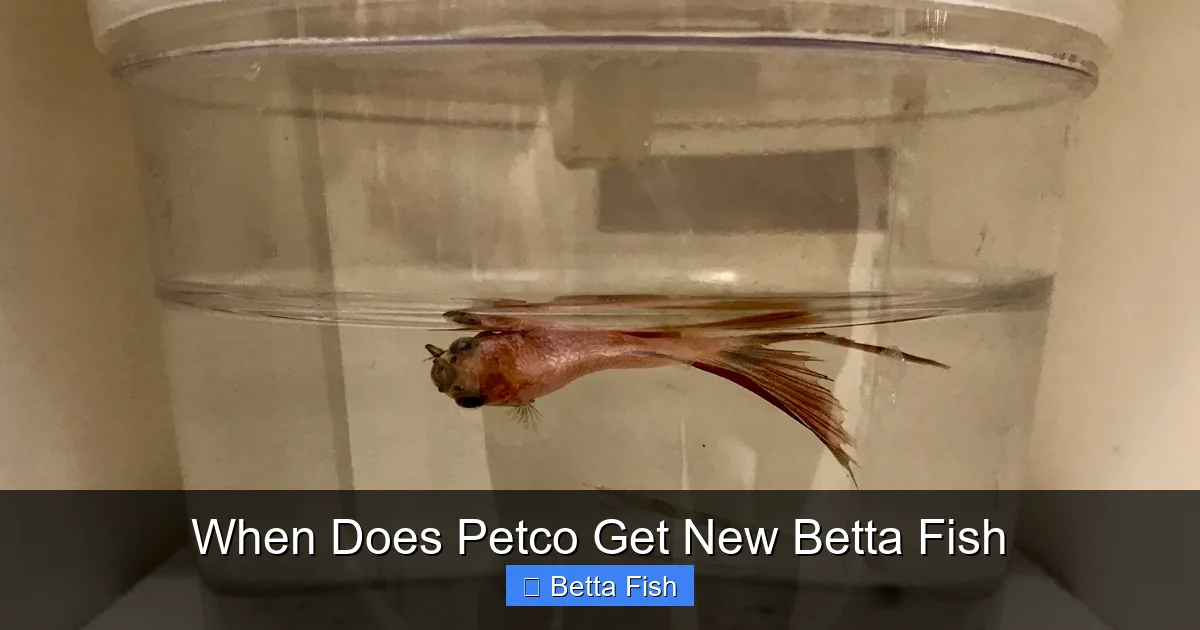
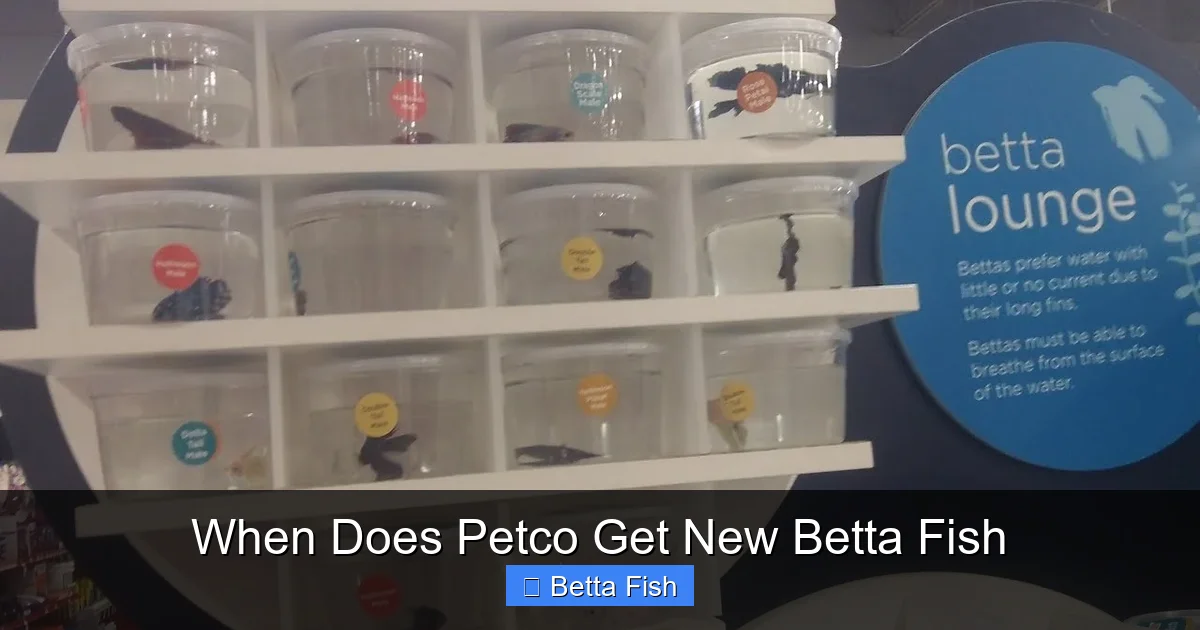
To understand the timing, it helps to visualize the journey. Most Petco bettas originate from large-scale commercial breeders in regions with warm climates, like Thailand or the Southern United States. These breeders raise the fish in controlled, intensive systems. From there, the fish are bulk-shipped to Petco’s primary live animal distribution centers. At these hubs, fish are acclimated to new water parameters, given a health check, and then packed onto trucks for the final leg of their journey to individual stores. This entire process, from breeder to store shelf, typically takes between 3 to 7 days. The “new” bettas you see are often just a few days removed from their original farm. This is why the post-transit stress period is so critical—the fish have already endured significant handling and environmental change.
Visual guide about When Does Petco Get New Betta Fish
Image source: investigations.peta.org
The Role of the Distribution Center
Petco’s distribution centers are the nerve centers for inventory. They monitor stock levels at each store via a sophisticated system. When a store’s betta inventory dips below a certain threshold, an automatic order is generated. However, this is where human judgment comes in. The store’s pet care manager might hold off on an order if the current bettas look stressed from a recent heat wave or if they are planning a tank maintenance day. They might also combine orders with other aquatic species to save on shipping costs. This variable means the automated reorder point is a guideline, not a guarantee.
Seasonal Fluctuations and Promotions
Demand isn’t constant year-round. Betta sales spike during the summer months, around holidays like Christmas (where they are sometimes sold as “disposable” pets in bowls—a practice this article strongly discourages), and during back-to-school seasons. Petco’s marketing team also runs promotions like “$1 Betta Days” or features them in “Aquatics Sale” circulars. When a promotion is scheduled, stores will proactively increase their orders, leading to more frequent or larger shipments in the weeks leading up to the event. Conversely, during slow winter months in colder climates, shipments might be less frequent as overall sales dip.
Your Action Plan: How to Find Out *Exactly* When Your Store Gets Fish
Forget guessing games. Here is your step-by-step, proven strategy to get the real answer from your local Petco. This isn’t about browsing the aisles randomly; it’s about targeted communication.
Visual guide about When Does Petco Get New Betta Fish
Image source: i.ytimg.com
Step 1: Identify the Correct Store and Phone Number
Use the store locator on Petco’s website. Find the specific store you plan to visit. Note its exact address and direct phone number. Do not call the generic corporate line.
Step 2: Choose the Right Day and Time to Call
Timing is everything. The absolute best window is Tuesday, Wednesday, or Thursday morning, between 10:00 AM and 12:00 PM local time. Here’s why: Monday deliveries are possible but often processed later in the day. By Tuesday morning, the new stock is usually on the sales floor. Store managers and pet care leads are most available before the lunch rush and afternoon customer surge. Friday is a terrible day to call—the team is preparing for the weekend onslaught, and any new shipment might not have arrived yet or been processed. Avoid weekends entirely; staff is overwhelmed, and information is unreliable.
Step 3: What to Ask: The Script for Success
When you call, be polite, specific, and concise. Do not ask “Do you have any bettas?” This gets a yes/no answer about current stock. You want to know about future arrivals. Use this script:
- “Hi, I’m calling to ask about your betta fish restocking schedule. Could I speak with someone in the aquatics or pet care department, please?”
- Once connected: “Hello, I’m planning a trip to set up a betta tank and I was hoping you could tell me what day of the week you typically receive your new betta shipments?”
- Follow-ups: “Do they usually arrive in the morning? Is there a particular day that’s most consistent? If I come in on [day you learned], what time is the best to see the newest selections?”
Ask if they quarantine their new arrivals. A store that holds new bettas in a separate system for a week or two before putting them on the sales floor is a huge plus, as it allows for observation of any latent diseases.
What to Look For: Selecting a Healthy Betta from the New Shipment
You’ve got the intel, you’ve timed your visit, and you’re standing before the betta wall. Now what? Choosing a healthy fish from a potentially stressed new shipment requires a keen eye. Remember, these fish have just completed a stressful journey. Your observation skills are their first line of defense.
The Active Scan: Movement and Posture
Ignore the fish that is floating listlessly at the top or bottom of its cup. You want a betta that is alert and moving. Gently tap on the cup. A healthy betta will flare at your reflection or investigate the disturbance. It should be swimming with purpose, not just drifting. Check its posture: a healthy betta holds its body horizontally when swimming, not at a sharp angle. Clamped fins (held tightly against the body) are a major red flag for stress or illness.
The Visual Inspection: Fins, Color, and Body
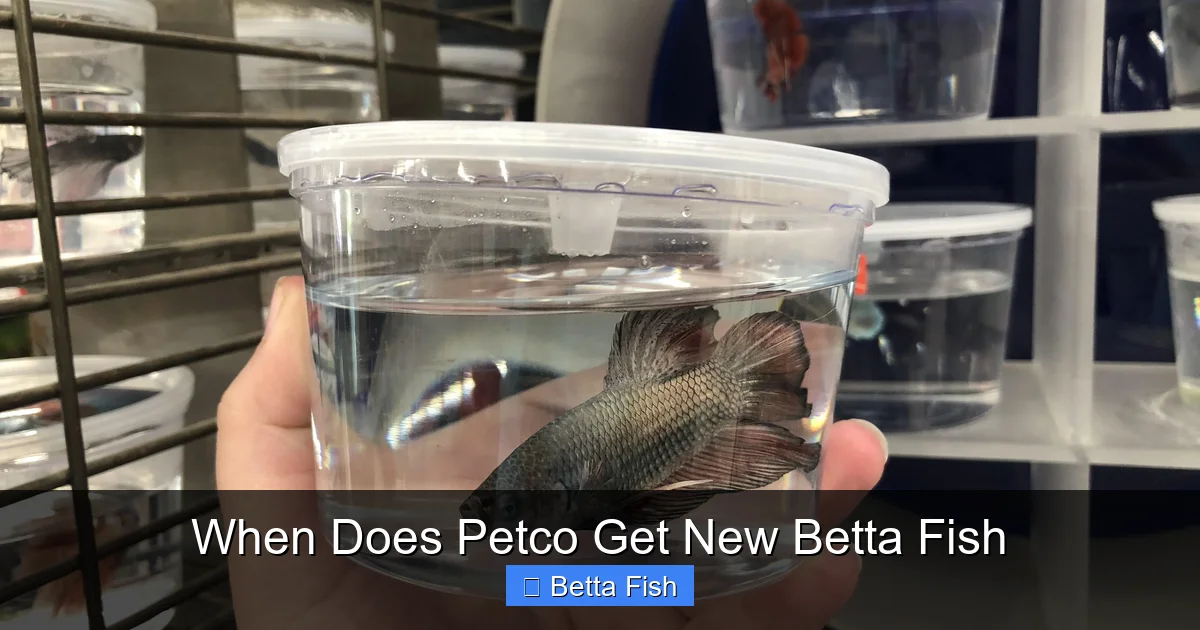
Examine the fins first. Are they full, flowing, and undamaged? Look for tears, blackened edges (sign of rot), or a cottony, white growth (fungus). Inspect the body for any lumps, sores, or abnormal swelling. The scales should lie flat and smooth. “Dropsy,” a severe symptom where the body swells and scales protrude like a pinecone, is almost always fatal and must be avoided. Now, look at the color. While bettas come in many shades, you want rich, vibrant color. Faded, dull, or patchy coloration can indicate chronic stress or poor health.
The Behavior Check: Flaring and Reactivity
A betta’s flare is a sign of vigor. While you don’t want an overly aggressive fish, a complete lack of reaction to your presence can signal lethargy from illness. Watch how it interacts with its cup mates (if any). Is it being unduly harassed? Is it actively flaring at another betta through the divider? Some mild territorial behavior is normal; constant, stressful combat is not. Choose a fish that seems curious and reactive, but not excessively frantic.
The Golden Rule: Never Bring a Betta Home to an Uncycled Tank
This is the non-negotiable, most critical piece of betta ownership. Your tank must be fully cycled before the fish ever enters it. The “cycle” is the establishment of beneficial bacteria that convert toxic fish waste (ammonia) into less harmful nitrates. This process takes 4-6 weeks. Adding a betta—especially a new, stressed betta from a store—to an uncycled tank is a near-guarantee of “new tank syndrome,” where ammonia spikes burn its gills and fins, leading to a swift and painful death. Use a liquid test kit (like API’s Master Test Kit) to confirm ammonia and nitrite are consistently at 0ppm and nitrate is below 20ppm before you even think about picking up your fish. The tank must also be heated to a stable 78-80°F with a gentle filter. A 5-gallon minimum is the ethical standard.
Visual guide about When Does Petco Get New Betta Fish
Image source: i.redd.it
The Hospital Tank Advantage
For the ultimate in proactive care, set up a simple, bare-bottom 2.5-5 gallon “hospital” or quarantine tank with a heater and sponge filter. Cycle this tank separately. When you bring your new betta home, place it directly into this quarantine tank. Observe it closely for 2-4 weeks. Feed it high-quality food. Watch for any signs of disease that may have been incubating during its shipping stress. Only after this observation period, and if the fish remains healthy, should you net it and acclimate it (using the drip acclimation method) to your permanent, beautiful display tank. This practice can save your entire aquarium from an introduced pathogen.
Beyond Petco: Considering Alternative Betta Sources
While Petco is convenient, it’s worth considering other avenues for a betta, especially if you’re seeking a specific color or fin type (like a halfmoon or plakat). Local fish stores (LFS) often have a more curated selection and their fish may come from higher-quality, less stressful sources. The staff usually has expert knowledge and can give you detailed lineage and health histories. Online breeders are another excellent option. Reputable breeders ship directly to you, often with a health guarantee. The fish are typically raised in pristine conditions, are hardier, and have more personality. While shipping carries its own stress, a good breeder will use proper insulation, heat packs, and ship overnight to minimize transit time. This path requires more research but yields a far superior and often healthier pet.
Conclusion: Patience, Preparation, and Persistence
The search for the perfect betta is part of the joy of the hobby. Understanding that when Petco gets new betta fish is a localized, variable process frees you from frustration and arms you with a strategy. Your mission is clear: call your specific store at the right time, ask the right questions, and then prepare to be a detective in the aquatics aisle. But your work doesn’t end at the cash register. The true success of your betta journey is determined in the weeks before you bring it home, by the patience you show in cycling its tank, and the diligence you practice during its quarantine. A betta is not a disposable ornament; it’s a living creature that, with the right start, can share its vibrant life with you for three to five years. Combine smart sourcing with unwavering preparation, and you’ll be rewarded with a resilient, interactive companion that brings a splash of personality to your world.
Frequently Asked Questions
Can I reserve a specific betta if I see one online or in-store?
Generally, no. Petco does not hold or reserve specific individual fish. Inventory is first-come, first-served. Your best strategy is to call the store the day you plan to visit and ask them to set aside a healthy-looking betta from the new shipment, but this is at the store’s discretion and not a guarantee.
Is it better to buy a betta online or from Petco?
Both have pros and cons. Petco offers immediate gratification and the chance to personally inspect the fish. Online breeders often provide higher-quality, hardier specimens with known genetics but involve shipping stress and no pre-purchase inspection. For beginners, carefully selecting a healthy fish in person at a store with a good quarantine policy is often the safer bet.
What is Petco’s return or health guarantee policy for betta fish?
Petco’s standard return policy for live animals is typically 30 days with a receipt, but it varies by location. Some stores offer a 14-day health guarantee where you can return the fish if it becomes ill, often requiring a store employee to verify the condition. Always ask for the specific policy in writing at the time of purchase. Do not rely on vague promises.
Should I quarantine my new Petco betta at home?
Absolutely, yes. Quarantine is one of the most important steps for long-term success. A separate hospital tank allows you to observe the new betta for 2-4 weeks for signs of disease like velvet, ich, or dropsy that may not be apparent at the store. This protects your main, expensive display tank and its inhabitants from a potential outbreak.
Why are the bettas at Petco sometimes in bad condition?
This is a common and valid concern. The supply chain for mass-market bettas is often stressful. Fish endure long transport in small cups, and retail environments can be challenging to manage perfectly. Store employees may be overworked, and cup cleaning schedules can slip. This makes your personal inspection and the store’s quarantine practices even more critical. It also highlights why supporting higher-quality sources is a good choice when possible.
What time of day is best to actually visit the store after I know the shipment day?
If you know the shipment arrives on Tuesday mornings, the best time to visit is Tuesday afternoon (1 PM – 4 PM). This gives the staff several hours to unpack, acclimate the new fish to the store’s water, and place them on the sales floor. Morning visits risk finding the shipment still in the back room. Avoid Friday or Saturday, as the newest arrivals from a mid-week shipment may have been sold already, and the tanks haven’t been refreshed with a new batch.