Cloudy water in a betta tank is usually a sign of water quality issues, over‑feeding, or a new tank cycle. By testing parameters, adjusting feeding habits, and performing regular water changes, you can clear the water fast and keep your betta thriving.
Key Takeaways
- Test first: Poor water parameters are the top reason for cloudy betta water.
- Feed wisely: Over‑feeding creates excess waste that clouds the tank.
- Cycle patience: New tanks often go cloudy during the nitrogen cycle.
- Regular maintenance: Weekly water changes and proper filtration prevent cloudiness.
- Watch temperature: Too‑cold or too‑hot water stresses bettas and can cause cloudiness.
- Check decorations: Unwashed substrate or plants may release particles.
- Act quickly: Prompt action keeps the water clear and your betta healthy.
📑 Table of Contents
- Introduction: When the Water Turns Milky
- 1. The Nitrogen Cycle and New Tank Syndrome
- 2. Over‑Feeding and Food Particles
- 3. Inadequate Filtration and Water Flow
- 4. Water Temperature and Seasonal Changes
- 5. Substrate, Plants, and Decorations
- 6. When Cloudiness Signals a Health Issue
- Putting It All Together: A Simple Weekly Routine
- Conclusion: Clear Water, Happy Betta
Introduction: When the Water Turns Milky
If you’ve just set up a beautiful betta tank and notice a grey‑white haze spreading through the water, you’re probably wondering, why is betta fish water cloudy? It’s a common worry for new and experienced hobbyists alike. The good news is that most cloudiness is not a death sentence—it’s a signal that something in the tank needs attention.
In this article we’ll walk through the most frequent causes of cloudy water, how to diagnose the problem, and step‑by‑step fixes you can apply today. Think of it as a friendly chat over a cup of tea, where I share the exact tricks that helped me keep my own bettas swimming in crystal‑clear water.
1. The Nitrogen Cycle and New Tank Syndrome
What the nitrogen cycle does
The nitrogen cycle is nature’s way of turning toxic ammonia (from fish waste and food) into harmless nitrate. When a tank is brand new, the beneficial bacteria that perform this conversion have not yet colonized the filter, substrate, and decorations.
Visual guide about Why Is Betta Fish Water Cloudy
Image source: petshun.com
Why new tanks go cloudy
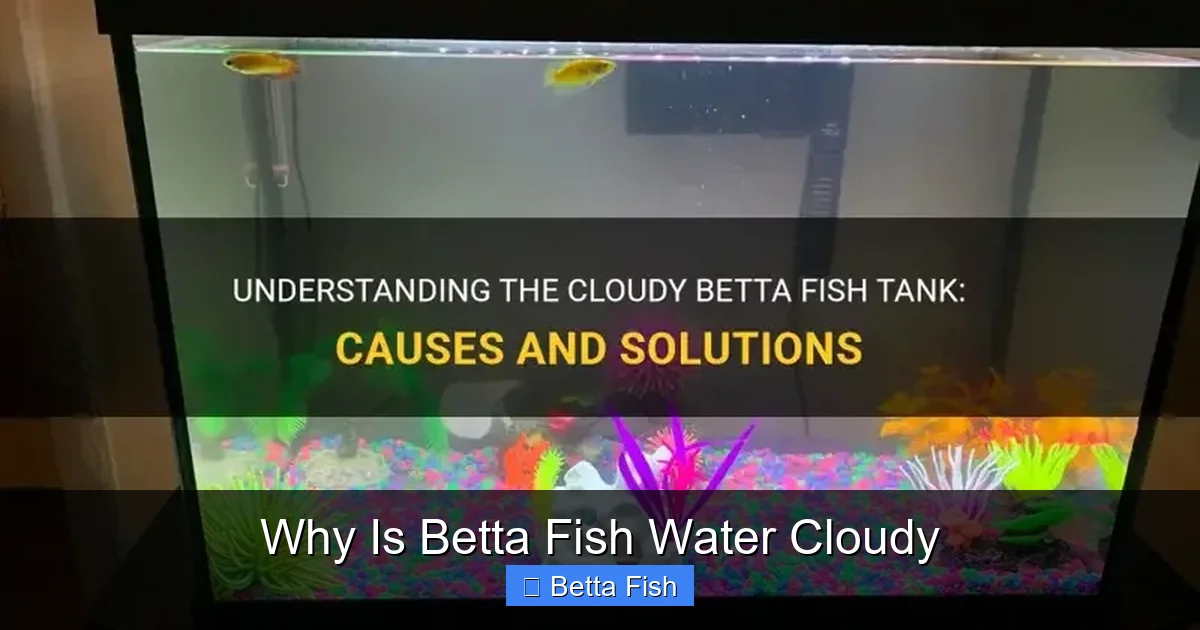
During the first two weeks, you’ll often see a milky swirl. This “new‑tank cloudiness” is actually a bloom of bacteria and tiny particles of waste. It’s normal, but it can be alarming if you’re not expecting it.
How to manage it
- Start a proper cycle before adding your betta. Use a test kit to monitor ammonia, nitrite, and nitrate levels.
- Perform 25‑30% water changes every 2‑3 days until the water clears.
- Consider adding a bacterial supplement to speed up colonization.
For a deeper dive on this exact issue, see our guide on why is my betta fish water cloudy.
2. Over‑Feeding and Food Particles
How over‑feeding clouds water
Betta fish have tiny stomachs. When you give them more food than they can eat in a few minutes, uneaten bits sink and decompose, releasing particles that turn the water cloudy.

Visual guide about Why Is Betta Fish Water Cloudy
Image source: mir-s3-cdn-cf.behance.net
Tips for proper feeding
- Feed 2‑3 small pellets once or twice a day.
- Remove any leftover food after 5 minutes with a soft net or turkey baster.
- Use high‑quality betta pellets that dissolve quickly.
When to adjust feeding
If you notice a sudden cloud after a feeding session, cut the portion in half. Consistent, small meals keep the water clear and your betta healthy.
3. Inadequate Filtration and Water Flow
Why filtration matters
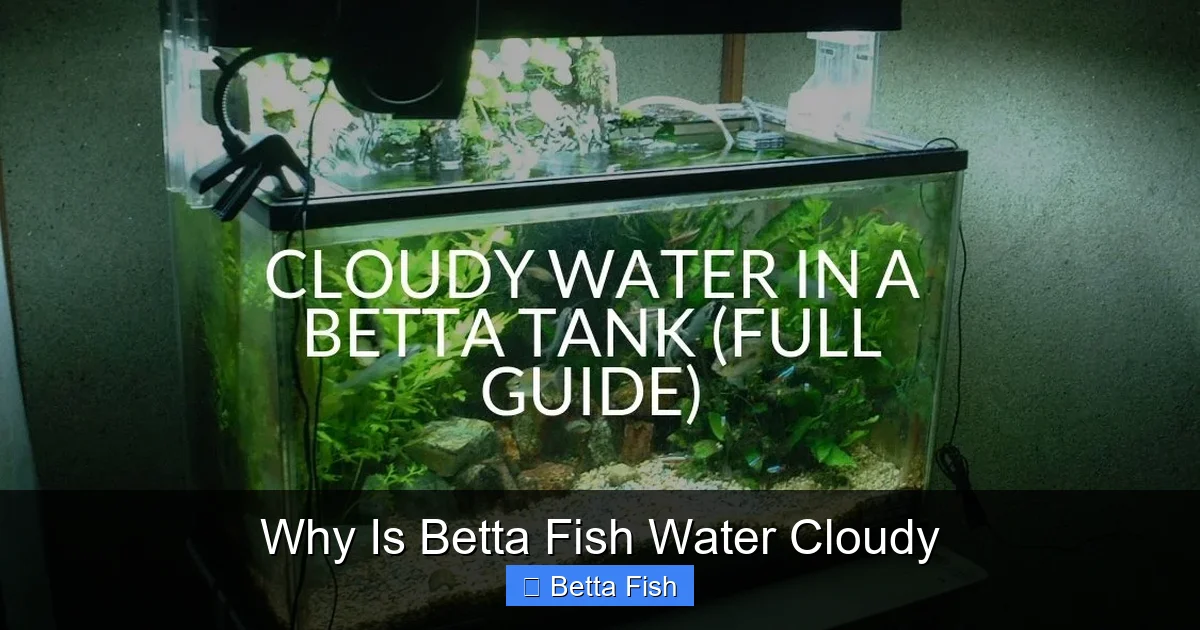
Even a small betta tank benefits from a gentle filter. A filter removes suspended particles, oxygenates the water, and provides surface area for beneficial bacteria.
Visual guide about Why Is Betta Fish Water Cloudy
Image source: bettacarefishguide.com
Choosing the right filter
- Look for a low‑flow sponge filter or a hang‑on‑back (HOB) filter with an adjustable flow knob.
- A flow rate of 2‑3 times the tank volume per hour is ideal for bettas.
- Clean the filter media every 2‑4 weeks, but never replace it all at once.
DIY alternatives
If you prefer a minimalist setup, a small air stone combined with weekly water changes can keep particles from building up.
4. Water Temperature and Seasonal Changes
Optimal temperature range
Betta fish thrive at 76‑82°F (24‑28°C). Water that’s too cold slows metabolism, leading to excess waste and cloudiness. Conversely, water that’s too warm can encourage bacterial blooms.
Maintaining stable temperature
- Use a reliable aquarium heater with an automatic thermostat.
- Check the temperature daily with a reliable thermometer.
- Avoid placing the tank near drafts, windows, or heating vents.
Need more specifics? Check out what temperature should water be for a betta fish for a full guide.
5. Substrate, Plants, and Decorations
Unwashed substrate
New gravel or sand often contains dust that clouds water until it’s fully rinsed. Always rinse substrate with dechlorinated water before adding it to the tank.
Live vs. fake plants
Live plants can absorb nitrates and improve water clarity, but they also release tannins that may give a slight brown tint. Fake plants can trap debris if not cleaned regularly.
Cleaning routine
- Gently vacuum the substrate during water changes.
- Scrub decorations with a soft brush in aquarium water (never soap).
- Replace any decaying plant matter promptly.
6. When Cloudiness Signals a Health Issue
Signs of disease
Sometimes cloudy water is a symptom of an underlying health problem, such as a bacterial infection or fungus. Look for additional signs:
- Loss of appetite (why betta fish is not eating food)
- White patches or cotton‑like growth on fins
- Unusual swimming patterns, like floating sideways
What to do
If you spot any of these signs, isolate the betta in a hospital tank, test the water, and consider a mild antibacterial treatment. Prompt action can prevent the cloudiness from worsening.
Putting It All Together: A Simple Weekly Routine
Step‑by‑step checklist
- Test water parameters (ammonia, nitrite, nitrate, pH) every week.
- Perform a 25‑30% water change using conditioned water.
- Vacuum the substrate to remove debris.
- Trim any dead plant leaves and clean decorations.
- Feed only what your betta can eat in 2‑3 minutes, twice a day.
- Check heater and filter flow; adjust if needed.
Why consistency works
Regular maintenance stops the buildup of particles that cause cloudiness. It also keeps the nitrogen cycle stable, which means a healthier environment for your betta.
Conclusion: Clear Water, Happy Betta
Understanding why is betta fish water cloudy is the first step toward a pristine tank. Most cloudiness comes from simple issues—new‑tank cycling, over‑feeding, or inadequate filtration—that are easy to fix with a little routine care. By testing water, feeding responsibly, maintaining proper temperature, and cleaning your tank regularly, you’ll enjoy clear water and a vibrant, active betta for years to come.
Frequently Asked Questions
Why does my betta’s water become cloudy after a water change?
Disturbing the substrate can release fine particles into the water. Use a gentle flow and let the filter run for a few hours to clear the cloud.
Can cloudy water be a sign of disease?
Yes, especially if it’s accompanied by loss of appetite, white spots, or erratic swimming. Test the water and consider isolating the fish.
How long should I wait for a new tank to clear?
Typically 1‑2 weeks. If the water stays cloudy beyond that, check the filter, feeding habits, and water parameters.
Do bettas need a filter to prevent cloudy water?
A gentle filter is highly recommended. It removes suspended particles and provides surface area for beneficial bacteria.
Is it okay to use tap water straight from the faucet?
No. Always treat tap water with a water conditioner to remove chlorine and chloramine, which can stress the fish and cause cloudiness.
What temperature should I keep my betta tank at to avoid cloudiness?
Maintain a stable temperature between 76‑82°F (24‑28°C). Use a reliable heater and thermometer to keep the water within this range.

